
Devastating Russian Barrage Claims Lives, Cripples Infrastructure Across Ukraine
Kyiv, Ukraine – [Date of Publication] – A relentless and widespread Russian assault on Wednesday plunged swathes of Ukraine into chaos, resulting in at least six confirmed fatalities and a significant number of injuries. Ukrainian authorities have characterized the barrage as one of the most intense in recent memory, with a sophisticated mix of drones and missiles meticulously targeting both civilian populations and critical energy infrastructure. The coordinated attacks, which spanned multiple regions including the capital Kyiv, Dnipropetrovsk, Rivne, and Ivano-Frankivsk, underscore a renewed and aggressive phase in the ongoing conflict, leaving a trail of destruction and fueling fears of further escalation.
The Scale of the Offensive: A Coordinated Assault
Ukrainian President Volodymyr Zelenskyy provided a chilling overview of the offensive, reporting that over 800 drones were unleashed across the country within a 24-hour period. This staggering figure highlights the sheer volume and strategic planning behind the Russian operations. The targets were not random; they were strategically chosen to inflict maximum damage on Ukraine’s ability to function and resist. Reports indicate that numerous buildings have been severely damaged or destroyed, and significant portions of the nation’s vital power grid have been crippled, plunging communities into darkness and disrupting essential services.
The immediate aftermath has seen extensive rescue and recovery operations underway in multiple affected locations. Emergency services are working tirelessly to reach those trapped, assess the damage, and provide critical aid to the injured. The human cost of these attacks is mounting, with families grieving lost loved ones and communities grappling with the immediate consequences of the destruction.
Concurrently, amidst the widespread devastation inflicted by Russia, there have been unconfirmed reports of Ukraine conducting counterattacks against infrastructure targets within Russian territory. While details remain scarce, such actions, if confirmed, would represent a significant escalation and a potential shift in the strategic landscape of the conflict.
A Chronology of Destruction: Wednesday’s Devastating Onslaught
The attacks commenced in the early hours of Wednesday, with air raid sirens becoming a grim soundtrack across Ukraine. The initial waves appeared to be a combination of high-precision missiles and a swarm of unmanned aerial vehicles (UAVs), commonly known as drones.
Early Morning Strikes: Reports began to surface from eastern and central Ukraine shortly after dawn, detailing explosions in Dnipropetrovsk Oblast. These initial strikes are believed to have targeted energy infrastructure, aiming to disrupt power supplies to a wide area. The nature of the damage suggests sophisticated weaponry capable of penetrating defensive systems.
Kyiv Under Siege: The capital, Kyiv, became a primary focus of the Russian offensive as the day progressed. Air defense systems were reportedly engaged in intense battles to intercept incoming threats. However, the sheer volume of projectiles overwhelmed defenses in some sectors, leading to civilian casualties and damage to residential buildings and infrastructure. Eyewitness accounts described the terrifying sounds of explosions and the sight of smoke plumes rising from various parts of the city.
Western Ukraine Targeted: Further west, regions like Rivne and Ivano-Frankivsk also experienced direct hits. These areas, while not on the immediate front lines, are crucial for Ukraine’s energy security and logistical networks. Attacks on these regions suggest a deliberate attempt to cripple Ukraine’s capacity to sustain its war effort and provide power to its population.
Sustained Barrage: Throughout the day, intermittent attacks continued, with Ukrainian authorities reporting ongoing aerial threats and the need for constant vigilance. The deployment of hundreds of drones signifies a sustained effort to saturate air defenses and achieve strategic objectives.
Supporting Data: The Numbers Behind the Devastation
While the full extent of the damage is still being assessed, preliminary reports offer a grim picture:
- Fatalities: At least six confirmed deaths have been reported across the affected regions. The number is expected to rise as search and rescue operations continue and the full impact of the attacks becomes clearer.
- Injuries: A significant number of individuals have sustained injuries, ranging from minor to severe. Hospitals are reportedly overwhelmed with casualties.
- Drone Deployment: Ukrainian President Zelenskyy’s statement of over 800 drones launched in 24 hours is a critical piece of data. This represents a massive logistical and operational undertaking by Russia, suggesting a significant investment of resources.
- Infrastructure Damage: Initial assessments indicate widespread damage to the national power grid. This includes substations, transmission lines, and possibly power generation facilities. The full impact on energy security and the economy is yet to be determined.
- Civilian Structures: Multiple residential buildings, administrative facilities, and other civilian infrastructure have been directly hit, leading to widespread displacement and humanitarian concern.
The use of a combination of drones and missiles points to a multi-pronged strategy. Drones, often used for reconnaissance and as loitering munitions, can be deployed in large numbers to overwhelm air defenses. Missiles, with their greater payload and speed, are used for precision strikes against hardened targets. This dual approach maximizes the potential for damage and minimizes the effectiveness of defensive measures.
Official Responses: Condemnation and Resilience
The Ukrainian government has vehemently condemned the attacks, labeling them as acts of unprovoked aggression and war crimes.
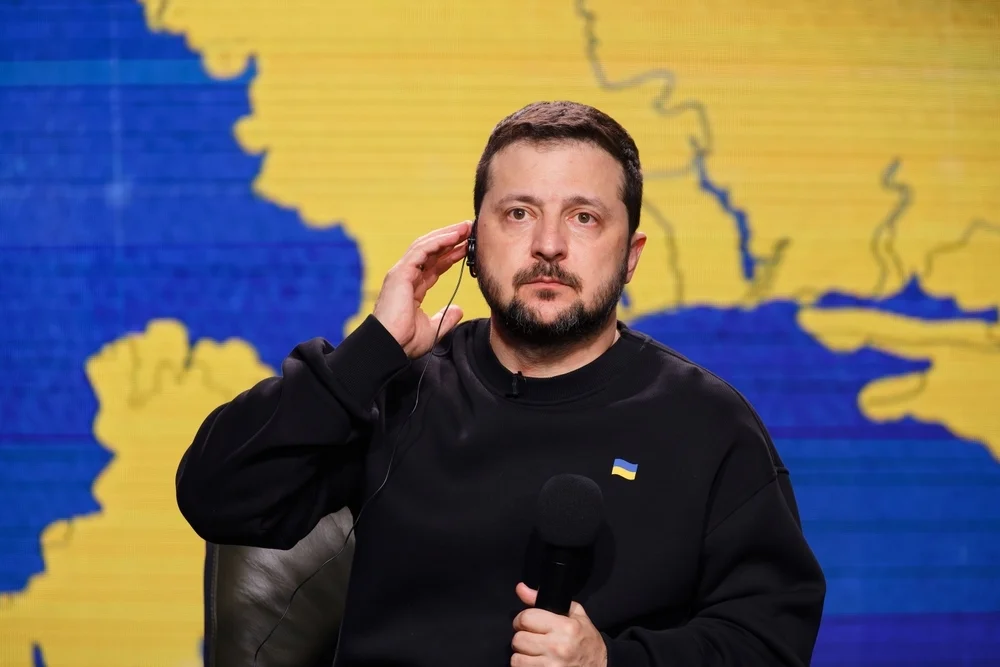
President Zelenskyy’s Address: In a televised address, President Zelenskyy expressed his outrage and unwavering resolve. "Russia continues its terror against our cities and our people," he stated, emphasizing the indiscriminate nature of the strikes. He reiterated Ukraine’s commitment to defending its sovereignty and called for increased international support, particularly in the form of advanced air defense systems. He also acknowledged the bravery of Ukrainian defenders who worked to repel the onslaught.
Military Briefings: Ukrainian military officials have provided updates on the defensive actions taken, highlighting the challenges posed by the scale and sophistication of the Russian offensive. They have confirmed the interception of a significant number of projectiles but also acknowledged that some managed to penetrate defenses.
International Reactions: The international community has largely reacted with shock and condemnation. Leaders from NATO member states and other allied nations have issued statements expressing solidarity with Ukraine and denouncing Russia’s actions. Calls for accountability and further sanctions against Russia are expected to intensify. Many have reiterated their commitment to providing continued military and humanitarian assistance to Ukraine.
However, the recurring nature of such large-scale attacks also amplifies calls for more robust and immediate defensive capabilities for Ukraine. The effectiveness of current air defense systems, while commendable, is being tested by the sheer volume of Russian attacks, underscoring the urgent need for sustained and enhanced international aid.
Implications: A Deepening Crisis and Future Concerns
The implications of Wednesday’s devastating Russian attacks are far-reaching and underscore the escalating nature of the conflict:
- Humanitarian Crisis: The immediate concern is the escalating humanitarian crisis. The loss of life, injuries, and destruction of homes will lead to further displacement and an increased need for humanitarian aid. The disruption of essential services like power and water will exacerbate the suffering of the civilian population.
- Energy Security: The targeting of energy infrastructure poses a significant threat to Ukraine’s energy security, particularly as the nation heads into [mention relevant season if applicable, e.g., colder months]. The ability to generate and distribute power is crucial for both the civilian population and the war effort. Prolonged power outages could have severe economic and social consequences.
- Economic Impact: The destruction of infrastructure and the disruption of energy supplies will have a detrimental impact on Ukraine’s already strained economy. Reconstruction efforts will require significant financial investment, and the ongoing conflict continues to deter foreign investment.
- Psychological Warfare: The widespread and intense nature of these attacks also serves as a form of psychological warfare, aiming to demoralize the Ukrainian population and undermine their resolve. The constant threat of air raids and the visible destruction can take a significant toll on mental well-being.
- Escalation Dynamics: The reports of Ukrainian counterattacks, if verified, signal a potential shift in the conflict’s dynamics. This could lead to a further escalation of hostilities and a broader regional impact. The international community will be closely watching to see how these retaliatory actions are perceived and responded to by Russia.
- Need for Enhanced Air Defenses: The attacks starkly highlight the critical need for Ukraine to bolster its air defense capabilities. The effectiveness of Western-supplied air defense systems has been demonstrated, but the sheer volume of Russian attacks necessitates a continuous and significant supply of advanced interceptors and systems. This will likely become a central focus of international discussions and aid packages.
- Geopolitical Repercussions: The sustained aggression from Russia reinforces the geopolitical fault lines and the importance of collective security. The international response will continue to shape the future of European security and the global order. The resolve of NATO and its allies to support Ukraine will be tested, and the effectiveness of sanctions and diplomatic pressure will be under scrutiny.
As Ukraine grapples with the immediate aftermath of this brutal assault, the international community faces renewed pressure to provide not only humanitarian and financial aid but also the advanced military hardware necessary for Ukraine to defend its skies and its people. The events of Wednesday serve as a grim reminder of the ongoing human cost of this conflict and the urgent need for a lasting resolution.




Leave a Comment