Nintendo’s Fiscal Year Kicks Off with Stellar Profit Surge, Physical Games Remain a Cornerstone
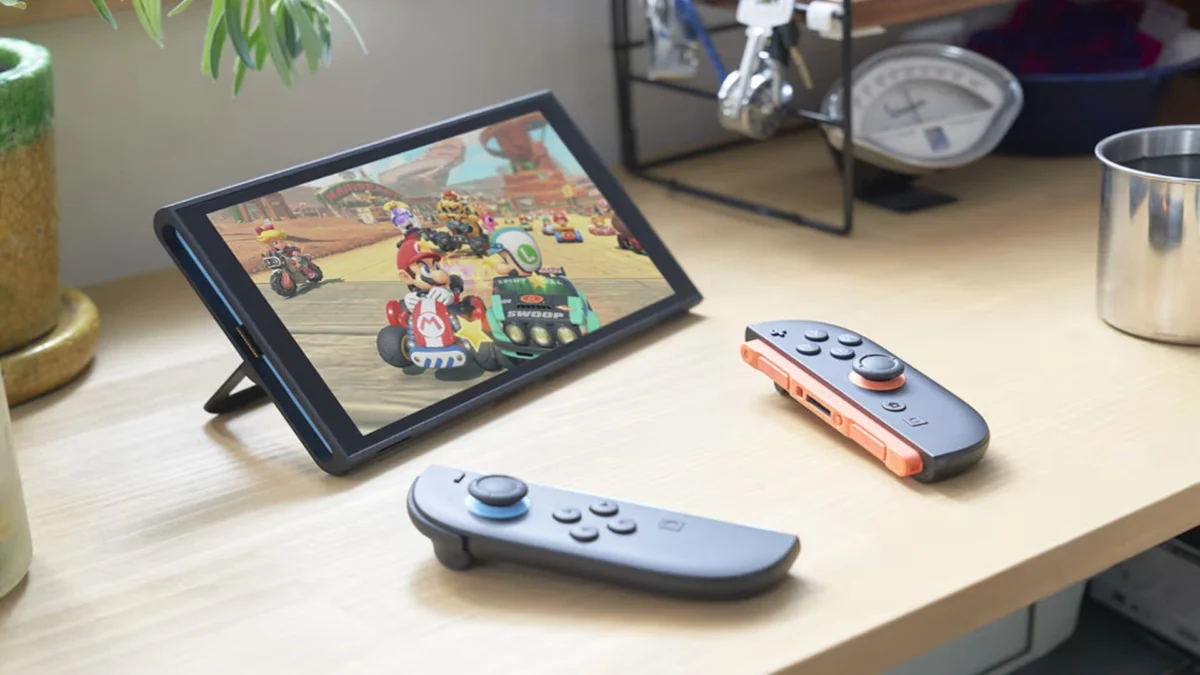
Nintendo’s financial report for the first quarter of the current fiscal year reveals a robust start, marked by substantial profit growth and a surprising resilience in physical game sales, defying broader industry trends.
By Ashely Claudino
Published Aug 6, 2026, 8:37 AM EDT
The Kyoto-based gaming giant, Nintendo, has commenced its fiscal year on a remarkably strong footing, showcasing impressive financial performance that underscores the enduring appeal of its hardware and software. Despite a dip in console sales, the company has achieved significant profit milestones, bolstered by a substantial tax refund and the continued success of its intellectual property in other media. Crucially, the report highlights that physical game sales continue to represent a significant portion of Nintendo’s revenue, a trend that sets it apart in an increasingly digital-first gaming landscape.
Hardware Sales Show Resilience Amidst Shifting Market Dynamics
Nintendo’s latest financial disclosure for the first quarter of its fiscal year paints a picture of a company navigating a dynamic market with considerable success. While hardware sales for both the original Nintendo Switch and its successor, the Switch 2, experienced a year-on-year decline of approximately 31-34%, this figure requires careful contextualization.
The previous fiscal year’s report was significantly influenced by the launch week surge of the Switch 2, an event that naturally inflates sales figures for that specific period. Therefore, a direct year-on-year comparison for hardware units sold might present a somewhat skewed perspective of the current performance.
Despite this comparison anomaly, the sales figures themselves remain impressive. The Switch 2 managed to move an additional 3.82 million units during this quarter. Cumulatively, the Switch 2 has now sold a remarkable 23.68 million units, a figure that has already surpassed the lifetime sales of the beloved Nintendo GameCube. This achievement is particularly noteworthy given the console’s relatively recent introduction to the market.
Perhaps more astonishing is the continued sales momentum of the original Nintendo Switch, a console that has been on the market for nearly nine years. In the first three months of this fiscal year, the venerable handheld-hybrid device still managed to find homes with over 660,000 new owners. This sustained interest in older hardware is a testament to Nintendo’s strong brand loyalty and the timeless appeal of its game library. It suggests that the original Switch continues to serve as an accessible entry point for new players or as a secondary device for existing fans, rather than being entirely eclipsed by its successor.
Software Sales Soar as Digital and Physical Worlds Coexist
While the number of new consoles acquired by consumers may have softened compared to the previous year’s launch-driven figures, the appetite for Nintendo’s software remains voracious. The company has reported a substantial increase in game sales, with exclusive titles for the Switch 2 seeing a 9.2% rise in revenue. More dramatically, software sales for the original Nintendo Switch experienced an astonishing surge of 38.6%. This indicates a robust engagement with the established Switch ecosystem, perhaps driven by a backlog of highly anticipated titles or a renewed interest in its extensive library.
The gaming industry has been abuzz with discussions surrounding the shift towards digital distribution, particularly following Sony’s recent announcement regarding the cessation of physical disc production for its future consoles. In this evolving landscape, Nintendo’s performance offers a unique counterpoint. While the company has witnessed a significant uptick in digital game sales, with a reported 90% increase compared to the previous year, physical game cards continue to hold a commanding presence. Astonishingly, physical copies still account for a substantial 40% of Nintendo’s total game sales revenue.
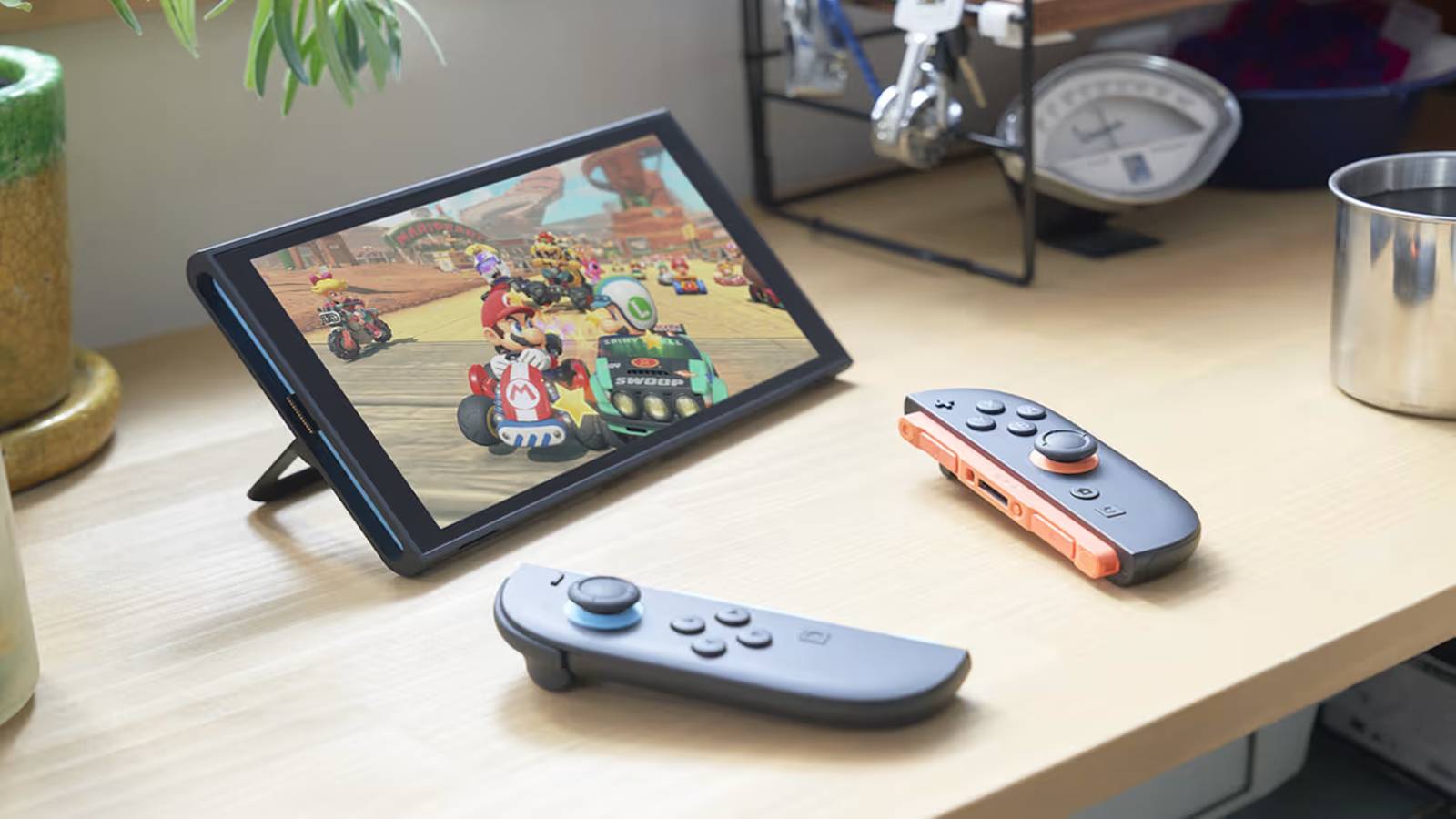
This strong reliance on physical media suggests that Nintendo has no immediate plans to abandon its game card production. The company’s strategy appears to be one of coexistence, catering to the preferences of a diverse consumer base that values both the convenience of digital downloads and the tangible ownership offered by physical cartridges. This approach not only preserves a traditional aspect of gaming but also caters to collectors, those with limited internet bandwidth, and younger players whose parents may prefer the control offered by physical media.
Unprecedented Profit Growth Fueled by Tax Refund and IP Success
Nintendo’s financial report reveals not just healthy revenue streams but a remarkable surge in overall profitability. The company has amassed billions of yen from hardware and software sales, but a significant catalyst for its profit explosion came from an unexpected source: a substantial refund related to the United States Supreme Court’s ruling on IEEPA tariff refunds.
This refund amounted to an impressive $300 million, directly contributing to a staggering 150% increase in Nintendo’s profits. The cost of sales also saw a considerable decrease, further amplifying the positive financial impact. Nintendo has clarified that consumers were not burdened by the initial tariffs, stating that "tariffs related to the refunds were primarily borne by the company rather than passed on to consumers through product prices." This suggests a proactive approach by Nintendo to absorb costs and maintain consumer trust.
Beyond the hardware and software divisions, Nintendo’s burgeoning intellectual property (IP) empire has also experienced meteoric growth. Income generated from its IP portfolio, which encompasses official merchandise, royalties, mobile applications, and its expanding cinematic ventures, surged by an impressive 107.4%.
A primary driver of this IP success was the release of The Super Mario Galaxy Movie in April 2026, coinciding with the beginning of the fiscal year. While the film may not have reached the colossal box office heights of its predecessor, The Super Mario Bros. Movie, it still proved to be a critical and commercial success. It secured its place as the second-highest-grossing film ever adapted from a video game, amassing over $1 billion in global revenue. This achievement underscores Nintendo’s strategic expansion into the film industry and its ability to leverage beloved characters for broader entertainment appeal.
A Strategic Vision for Cross-Media Engagement and Future Growth
Nintendo has long prided itself on its commitment to family-friendly content and a philosophy centered on fun and accessibility. The company’s foray into animated films is a deliberate extension of this ethos, aiming to captivate both existing fans and newcomers to its universes and characters. The intention is clear: to create accessible gateways into the vibrant worlds of Nintendo, potentially inspiring new audiences to pick up a controller for the very first time.
Looking ahead, Nintendo’s ambitions in the entertainment sphere are set to expand further. The company is actively developing a live-action adaptation of The Legend of Zelda. This ambitious project represents a significant opportunity for Nintendo to tap into a different demographic and artistic medium. The company harbors hopes that this venture will not only capture the imagination of a wider audience but also potentially surpass the box-office performance of The Super Mario Bros. Movie.
This multi-pronged strategy – robust hardware and software sales, a balanced approach to digital and physical distribution, and a growing presence in film and merchandise – positions Nintendo for continued success. The company’s ability to innovate while remaining true to its core values appears to be a winning formula, ensuring that its fiscal year starts with a significant financial flourish and a promising outlook for the future. The enduring legacy of Nintendo is being actively rewritten, not just through the games it creates, but through the expansive universe it continues to build across multiple entertainment platforms.