
Rym Kechacha’s "The Apple and the Pearl": A Haunting Overture to Art, Sacrifice, and the Liminal Unknown
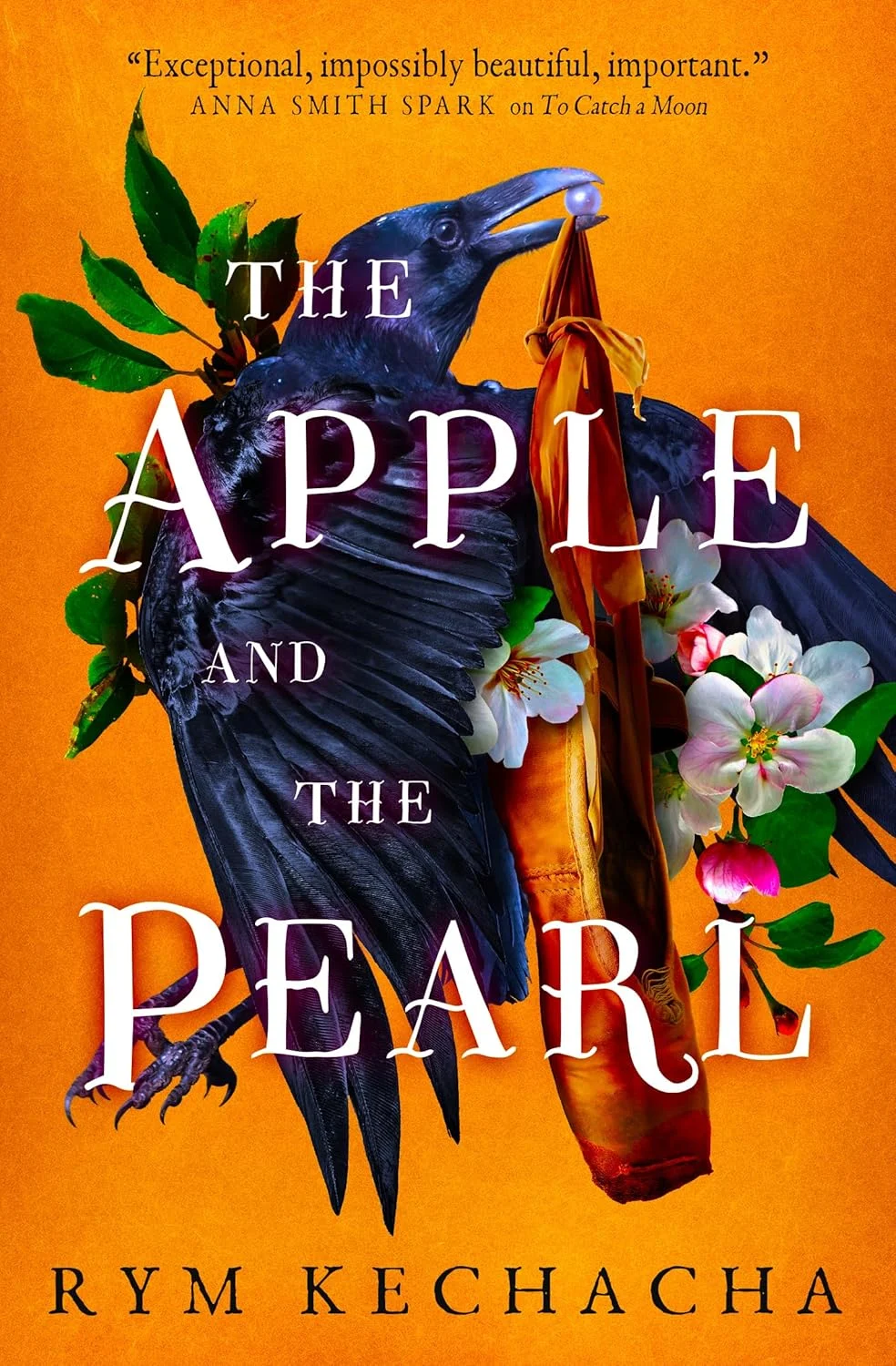
LONDON, UK – In a literary landscape often saturated with familiar fantasy tropes, Rym Kechacha’s ambitious new novel, "The Apple and the Pearl," emerges as a profoundly original and darkly enchanting work. Published by [Publisher Name, if available, otherwise omit], Kechacha’s latest offering transports readers into a meticulously crafted world where the ephemeral beauty of ballet collides with the ancient, dangerous allure of the fae, all aboard a perpetually moving, shape-shifting train. More than a mere fantasy, this novel is a lyrical meditation on the nature of art, sacrifice, and the human search for meaning in the face of otherworldly mystery.
From its evocative opening lines, a rhythmic, bell-like poem that sets a somber, mystical tone – "A clang for the King, / clang for the Queen, / three clangs for the / sisters never to be seen" – Kechacha immediately signals a narrative steeped in folklore and a deep understanding of performance. The novel, centered around a single, pivotal twenty-four-hour period, offers an intimate, character-driven exploration of a troupe of artists bound by a singular, otherworldly contract.
The Core Enigma: A Ballet for the Fae
At the heart of "The Apple and the Pearl" lies a premise as captivating as it is unsettling: a clandestine ballet troupe, travelling across Britain aboard a magical, chameleonic train known affectionately as "The Grub" (a "maggot in the fruit"). Each morning, this remarkable conveyance delivers them to a new, often unexpected location, where their equally mutable theatre, "The Grit" (a "speck of dirt that gets trapped in the oyster shell"), awaits. Their sole performance, presented nightly, is a ballet titled "The Apple and the Pearl," and their exclusive audience? The fae.
This unique arrangement is orchestrated and overseen by the enigmatic Crow, an all-seeing, all-knowing, and all-controlling entity whose ethereal singing is believed to lure performers and support crew "out" of the mundane world. Yet, the Crow’s selective enchantment only draws those already attuned to the workings of other realms, or individuals with profound, inherent connections to the unseen. To remain protected from the fae’s unpredictable whims, each member of the troupe pledges themselves to the Crow for a year and a day, adhering strictly to rules of curfew and conduct within their enchanted bubble. This delicate balance of artistic dedication and otherworldly peril forms the foundational "main fact" of Kechacha’s narrative.
A Day in the Liminal: Chronology of a Singular Performance
Kechacha’s novel unfolds with a precise, almost breathless chronology, narrating a single, fateful All Souls’ Day from chilly dawn to the stroke of midnight. The narrative’s present-tense prose is fluid and vivid, immersing the reader directly into the unfolding preparations for that night’s performance.
The day begins with a stark, atmospheric scene: "The Grub" has delivered the troupe to the eerie outskirts of a graveyard. Beyond the ancient stones, at the end of a cobbled avenue, "The Grit" looms, a "spiky and threatening like a haunted house from a horror film." This immediate juxtaposition of the macabre and the artistic sets the stage for the novel’s pervasive, darkly haunting atmosphere.
Throughout the day, the third-person point of view gracefully shifts between various members of the ensemble – from the tour manager and the cook to the wardrobe mistress, ballet director, set manager, musicians, and dancers. This kaleidoscopic perspective offers fragmented yet deeply intimate portraits, allowing readers to witness the mundane rituals of preparation alongside profound internal struggles. The narrative circles back to certain characters, providing evolving insights and weaving a rich tapestry of interconnected lives. This chronological progression of the day, marked by rehearsals, costume fittings, technical checks, and the ever-present weight of anticipation, builds an almost unbearable tension as showtime approaches. The novel meticulously traces the hours leading to the thirteen tolls of the bell at midnight, signaling both the end of one performance and the inevitable beginning of another journey.
Supporting Data: Echoes of Art, Humanity, and the Unseen
Kechacha masterfully populates her world with a compelling array of "misfits and mavericks," "vagabonds and wanderers," individuals united by a shared sense of something "missing" from their lives in the ordinary world. These are people drawn to the unique community offered by "The Grub," finding solace in its routines or an unparalleled stage for their talents. As one character muses, "if he is mad then here, at last, are people as mad as him." Yet, beneath the surface of shared purpose, individual yearnings, losses, regrets, and ghosts linger, intertwined with love, passion, and the sheer drive to create.
A significant strength of the novel lies in its authentic portrayal of the ballet world, an authenticity born from Kechacha’s own background as a classically trained dancer. This is most evident in the compelling perspective of Mara, a senior dancer performing the Queen’s role. As Mara navigates rehearsals, her internal monologue offers a poignant critique of the "glittering, toxic nature" of the industry. She grapples with her identity as a dancer and the profound question of what she will do if she chooses not to renew her pledge to the Crow. Her reflections on the "life-raft" ritual of daily ballet class and the "strange, diamantine thing made of equal parts cruelty and beauty" that is ballet resonate with profound truth.
Mara articulates the core paradox of performance art: why pour "blood, sweat, tears, even their selfhood, into something that is over in the blink of an eye—’A daylily blooming for just one day before withering […] that’s all of them. That’s ballet’—just as they’ve become the best they’ve ever been?" This pursuit of an unattainable ideal, "that doesn’t live in this realm," is precisely what draws the fae. They are "dangerous moths to an intoxicating flame," captivated by "the beauty of human bodies striving and yearning for that ideal," wanting to "sip at the space between pain and beauty."
Kechacha skillfully explores numerous "gaps" and "border spaces" within the narrative: the chasm between the dancer and the dance, aspiration and reality, perfection and human imperfection. There is the "border space" between hiddenness and exposure on stage, and crucially, the veil separating the human and fae worlds. This deliberate sense of separation extends to the reader, maintaining a powerful sense of mystery and working to the novel’s advantage by keeping the fae largely unseen but ever-present, an invisible, lurking force that manifests as an "all-suffusing unease." This potent atmospheric tension, woven through the very human anxieties of the troupe, underscores the "sharp, serrated lines of the bubble within which the troupe have cocooned themselves."
Official Responses and Internal Logic: Navigating the Unreality
Within the unique ecosystem of "The Apple and the Pearl," the characters themselves offer "official responses" to the strangeness of their existence, guiding both new recruits and the reader on how to engage with its unreality. The lighting director, shadowing a potential new assistant on her first day, articulates this pragmatic wisdom early in the story. When faced with the overwhelming nature of their world, he advises, "If she thinks too hard about it, it’ll ‘trip’ her over. There’s a point where you have to accept it or go home. All shows have quirks, this one just has a few more than most."
This counsel serves as a meta-commentary, inviting the reader to embrace the narrative’s inherent mysteries rather than seeking definitive explanations for every fantastical element. It underscores a central theme: some things are not meant to be fully understood, especially when operating at the intersection of worlds. This acceptance of the inexplicable is a necessary condition for survival and creativity within "The Grub." The troupe’s dedication, pledge after pledge, despite the otherworldly dangers, speaks to a profound need for purpose and community that transcends rational explanation. They choose this liminal existence, not just for the art, but for the profound sense of belonging it offers.
Implications: The Enduring Resonance of Art and Mystery
"The Apple and the Pearl" is far more than a fantastical tale; it is a profound exploration of art’s enduring questions and the human condition. The novel delves into the cost and reward of artistic creation, its inherent beauty and brutality, and the myriad motivations that compel individuals to dedicate their lives to it, whether on stage or behind the scenes. It asks why we pour ourselves into ephemeral acts, what legacy we leave, and what we truly create.
The narrative meticulously builds towards a powerful culmination. The climax of the ballet itself merges with what arguably becomes the climax of the entire novel. This scene, described as the story’s "most mystical and magical," and "possibly its most overtly macabre," serves as a spectacular revelation. In this moment, "all eerily clear": the profound purpose of the ballet, why it is always "The Apple and the Pearl" and never another, and the Crow’s ultimate role not just as a conduit between realms but as the very entity holding the troupe and the disparate threads of this story together. It is a spectacle that transcends mere performance, revealing deeper truths about existence, sacrifice, and the interplay between worlds.
Kechacha’s novel leaves a lasting impression, not by neatly tying up every loose end, but by embracing the ongoing cycle of mystery and dedication. When the performance concludes, and the illusion fades, the characters return to their routines, the precise steps that follow the end of a show, the curfew before the warning tolls. "Because tomorrow arrives as tomorrow always does," the narrative reminds us, "heralded by thirteen bells starting at the stroke of midnight in a fast-moving train bearing you to your next destination."
"The Apple and the Pearl" is a significant contribution to contemporary fantasy, blending folklore with profound human drama. It challenges readers to consider the value of ephemeral beauty, the sacrifices inherent in creative pursuit, and the profound, often inexplicable, connections that bind us. Rym Kechacha has crafted a haunting, beautiful, and deeply resonant work that lingers long after the final page, much like the memory of a perfect, fleeting performance. It is a testament to the power of storytelling itself, a reminder that some of the most profound truths are found not in definitive answers, but in the compelling, border-space between what is known and what remains forever unseen.



Leave a Comment