
The Renaissance of the Unreal: Why 2006 Was a Watershed Year for Fantasy Cinema
Main Facts: The Golden Age of Post-Millennial Fantasy
In the grand tapestry of cinematic history, certain years stand out as periods of intense creative concentration. While 1939 gave us the birth of the technicolor dream in The Wizard of Oz and 2001 redefined the epic with The Lord of the Rings: The Fellowship of the Ring, the year 2006 represents a unique, more experimental peak for the fantasy genre. It was a year where the "boom" initiated by the early 2000s franchises matured into something more diverse, auteur-driven, and emotionally complex.
Two decades ago, fantasy was no longer just a niche for children or devotees of high-fantasy literature; it became the primary vehicle for some of the world’s most ambitious directors to explore the human condition. From the dark, Spanish-language allegories of Guillermo del Toro to the sprawling, independent visual feasts of Tarsem Singh, 2006 offered a spectrum of "the unreal" that has arguably never been matched in a single twelve-month cycle. This period saw a shift from traditional heroism to "prestige fantasy"—films that used magical realism and surrealism to tackle grief, mortality, and political oppression.
Chronology: A Year of Magical Milestones
The progression of 2006 saw fantasy releases that catered to every possible demographic, beginning with high-concept blockbusters and ending with some of the most critically acclaimed films of the decade.
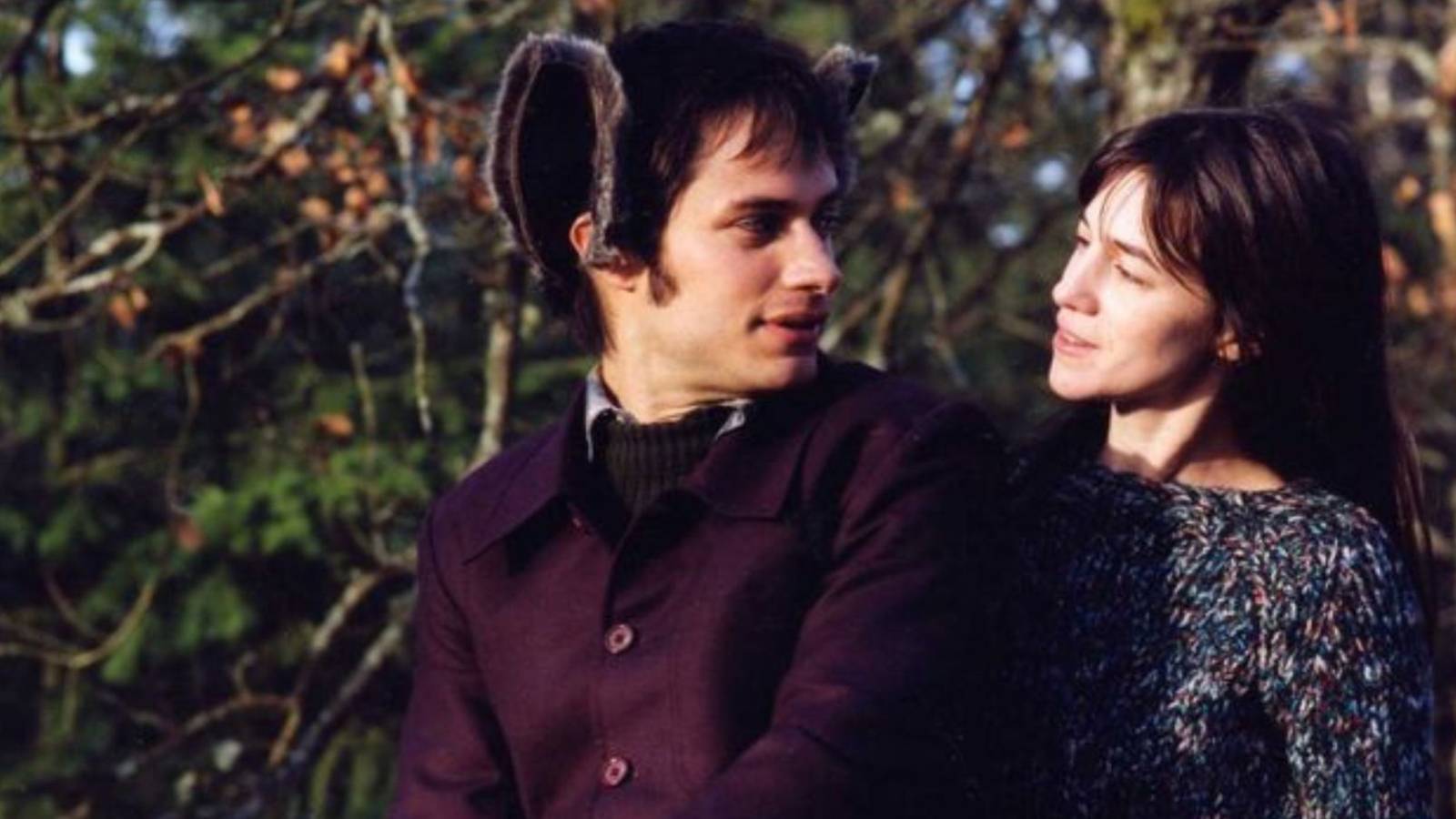
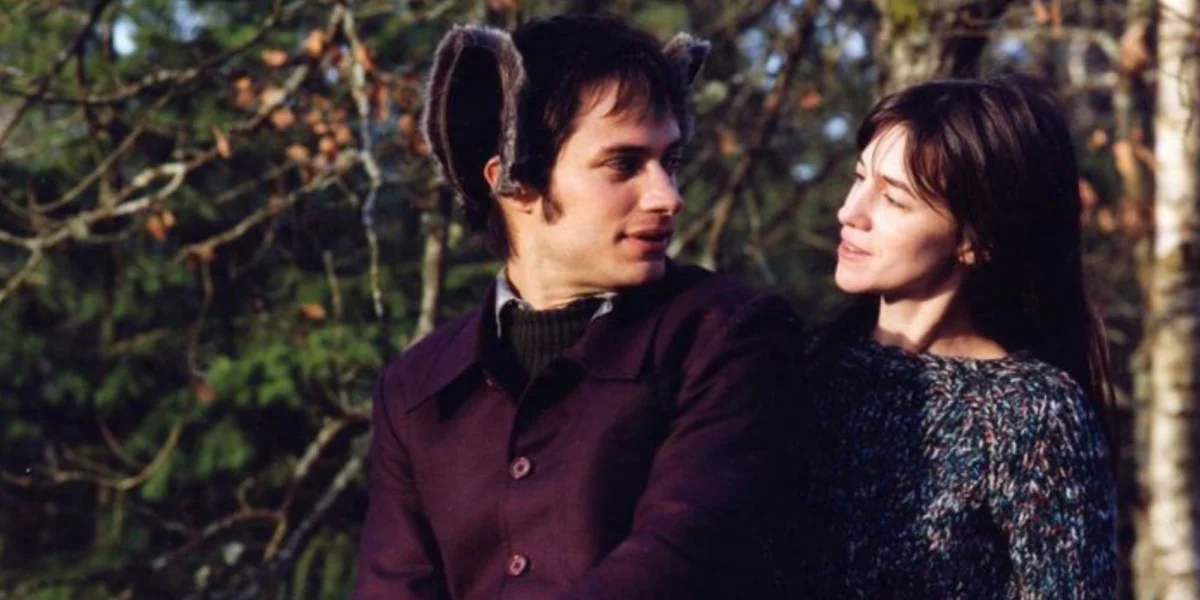
The year kicked off with a sense of whimsy but quickly transitioned into darker territory. By the summer, Disney’s Pirates of the Caribbean: Dead Man’s Chest shattered box office records, proving that the genre’s commercial viability was at an all-time high. However, as the year moved into the autumn and winter "prestige" seasons, the tone shifted. Michel Gondry’s The Science of Sleep and Darren Aronofsky’s The Fountain pushed the boundaries of narrative structure, while the year culminated in the release of Pan’s Labyrinth, a film that would eventually dominate the international awards circuit.
The Rise of Auteur Fantasy
Unlike the years preceding it, which were dominated by the structured trilogies of Harry Potter and Middle-earth, 2006 was the year of the individual creator. Directors were given significant budgets to pursue singular visions that didn’t necessarily fit the "chosen boy" trope. This led to a chronological sequence of releases that felt less like a franchise machine and more like a global art gallery.
Supporting Data: Examining the Masterpieces of 2006
To understand why 2006 remains a pinnacle, one must look at the specific contributions of its most significant films. These works did not just entertain; they innovated.

1. Pan’s Labyrinth: The Dark Heart of Magic
Guillermo del Toro’s Pan’s Labyrinth (El laberinto del fauno) is widely considered the definitive fantasy film of the 21st century. Set against the backdrop of the Spanish Civil War, it juxtaposes the brutal reality of fascist oppression with a terrifying, subterranean world of trials.
- Innovation: The film used animatronics and makeup (specifically the "Pale Man" sequence) to create a sense of tactile reality that CGI often lacks.
- Thematic Depth: It posited that fantasy is not an escape from reality, but a tool to process and survive it.
2. The Fall: A Visual Odyssey
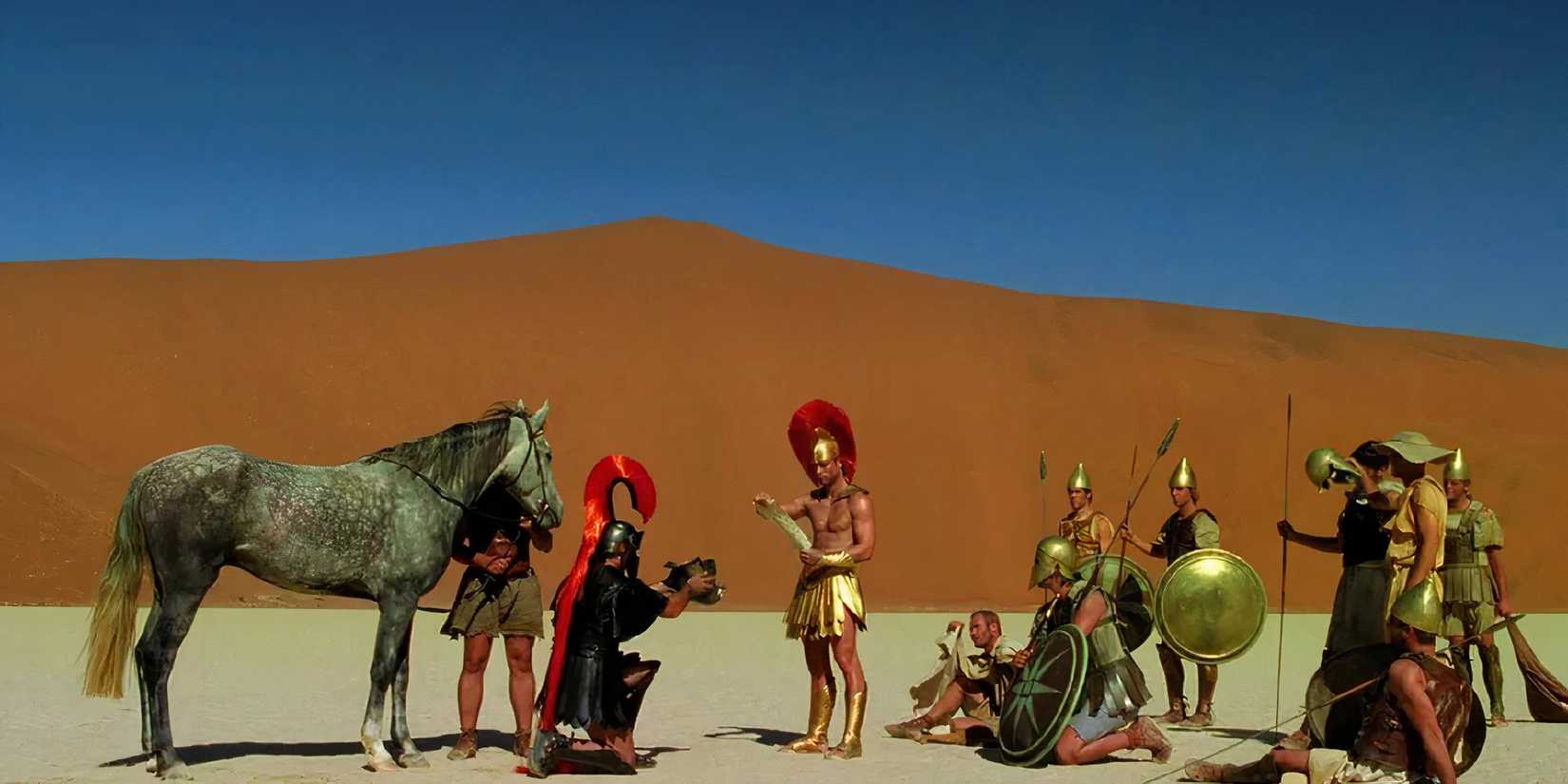
Tarsem Singh’s The Fall remains one of the most visually ambitious projects in history. Shot over four years in 24 different countries without the use of blue screens or major digital effects, it utilized real-world locations to create an impossible landscape.
- Production Data: Singh funded the film largely himself to maintain total creative control, resulting in a narrative about a paralyzed stuntman and a young girl that functions as a love letter to the power of oral storytelling.
3. The Fountain: Love Across Millennia
Darren Aronofsky’s The Fountain is a triptych of stories involving a conquistador, a modern scientist, and a future space traveler.

- Visual Techniques: Eschewing traditional CGI for the space sequences, Aronofsky used micro-photography of chemical reactions in petri dishes to simulate the birth of stars and nebulae, giving the film a timeless, organic aesthetic.
4. Pirates of the Caribbean: Dead Man’s Chest: The Technical Peak
While the first film was a surprise hit, the sequel, Dead Man’s Chest, was a technical juggernaut.
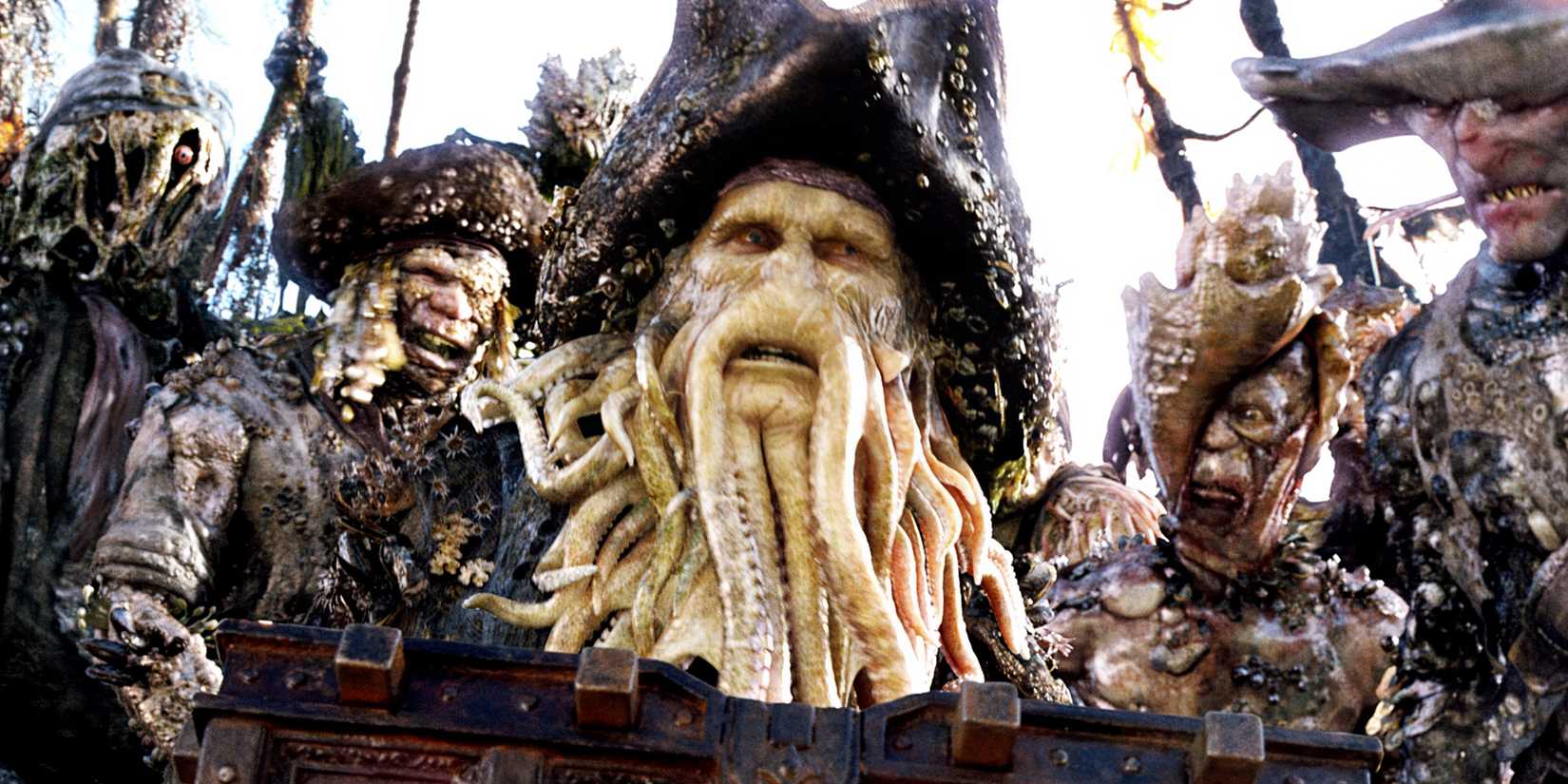
- Supporting Fact: The creation of Davy Jones (Bill Nighy) remains a benchmark in motion-capture technology. Even twenty years later, the digital "makeup" of the character’s cephalopod-like face holds up against modern blockbusters, winning the Academy Award for Visual Effects.
5. Stranger Than Fiction: The Meta-Fantasy
Will Ferrell’s transition into more dramatic, high-concept territory resulted in Stranger Than Fiction. This "meta-fantasy" explored a man who discovers he is a character in a novel, blending the mundane life of an IRS agent with the divine power of the author. It served as a bridge between the fantasy genre and the philosophical "what-if" dramedies of the era.
Official Responses: Critical Reception and Industry Impact
The industry’s response to the 2006 fantasy slate was one of profound respect and institutional recognition. This was the year fantasy truly "arrived" at the Academy Awards and major festivals.

Critical Consensus
Critics at the time noted a "darkening" of the genre. Roger Ebert famously praised Pan’s Labyrinth, giving it four stars and noting that it was "not a movie for children, but a movie for the child in all of us who remembers the terrors of the dark." Similarly, the reception to The Science of Sleep highlighted Michel Gondry’s ability to capture the "logic of dreams" more accurately than any filmmaker since Jean Cocteau.
Awards and Accolades
The 79th Academy Awards (held in early 2007, honoring 2006 films) saw a significant presence for fantasy:
- Pan’s Labyrinth: Won three Oscars (Best Art Direction, Best Cinematography, Best Makeup) and was nominated for Best Foreign Language Film and Best Original Screenplay.
- Pirates of the Caribbean: Dead Man’s Chest: Won for Best Visual Effects.
- The Fountain: Despite a divisive initial response, it earned a Golden Globe nomination for Clint Mansell’s haunting score, which has since become one of the most influential soundtracks in modern cinema.
Industry Influence
The success of these films signaled to studios that audiences were ready for "adult fantasy." The high-grossing nature of Dead Man’s Chest ($1.066 billion) proved the commercial ceiling was astronomical, while the critical acclaim for Pan’s Labyrinth proved that fantasy could be "prestige" cinema.
Implications: The Long-Term Legacy of 2006
The films of 2006 did more than just fill theaters; they altered the DNA of the genre for the subsequent two decades. The implications of this "Golden Year" are still felt in the way fantasy is produced and perceived today.
The Shift to Visual Authenticity
The success of The Fall and Pan’s Labyrinth created a renewed interest in practical effects. Today’s filmmakers, such as Robert Eggers or Greta Gerwig, often cite the mid-2000s emphasis on tactile, "real" world-building as a major influence. The era taught the industry that the more "unreal" a story is, the more "real" the physical world must look to ground the audience.
The Democratization of Fantasy
Before 2006, fantasy was largely Western-centric, rooted in Anglo-Saxon mythology (Tolkien, Lewis). Pan’s Labyrinth (Spain/Mexico) and The Science of Sleep (France/Mexico) helped globalize the genre. It proved that cultural specificities—such as the folklore of the Mediterranean or the surrealist traditions of Latin America—could be exported globally through the medium of fantasy.
The Psychological Turn
Perhaps the most lasting implication is the psychological depth now expected of the genre. 2006 proved that a fantasy film could be a character study (Stranger Than Fiction), a meditation on grief (The Fountain), or a political protest (Pan’s Labyrinth). The genre ceased to be about the "world" and started being about the "self."
Conclusion: A Year Unmatched
As we look back from the vantage point of 2026, the class of 2006 stands as a reminder of what is possible when the industry balances blockbuster spectacle with uncompromising artistic vision. It was a year when the boundaries of the imagination were not just reached, but expanded, leaving a legacy of films that have only grown in stature and significance with time. Whether through the lens of a wise spider in Charlotte’s Web or the terrifying gaze of the Pale Man, 2006 taught us that there is no better way to understand our world than by looking at one that doesn’t exist.


Leave a Comment