
The Rise of the "Cozy Kitchen": A Deep Dive into the Claymation World of Pawsta
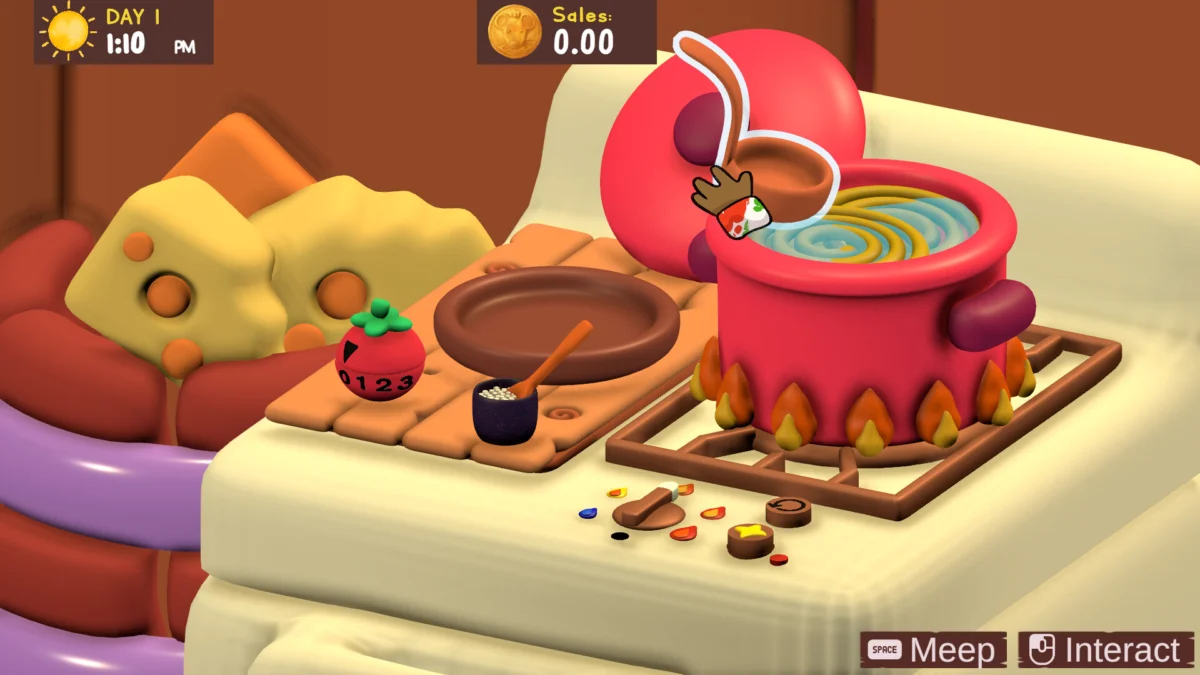
The landscape of independent gaming has undergone a seismic shift over the last decade, moving away from high-octane twitch shooters toward experiences that prioritize emotional well-being, aesthetic charm, and "cozy" mechanics. At the forefront of this movement is Pawsta, an upcoming title that blends the tactile nostalgia of claymation with the universally beloved genre of cooking simulators. Developed with a focus on relaxation rather than the frantic stress of traditional restaurant management games, Pawsta introduces players to a world where the pasta is handmade, the customers are patient, and the protagonist is a small mouse with big culinary dreams.
Main Facts: A New Flavor of Culinary Simulation
Pawsta is a narrative-driven cooking game that utilizes a distinct claymation art style to tell the story of Rigatoni, an ambitious mouse working to sustain and grow his grandmother’s restaurant. While the "cooking sim" genre is often defined by the high-pressure environments of titles like Overcooked! or Cook, Serve, Delicious!, Pawsta deliberately pivots in the opposite direction. It is a "cozy" game in the truest sense, stripping away fail-states and timers in favor of sensory satisfaction and creative expression.
The game first gained significant traction during the Wholesome Direct ’25, where its sneak peek trailer showcased a world that looked less like a digital render and more like a handcrafted diorama. The core gameplay loop involves taking orders from a variety of anthropomorphic animal customers, preparing fresh pasta dough, and customizing dishes with a variety of sauces and toppings. Currently in development for PC via Steam, Pawsta represents a growing trend of "slow gaming," where the journey of preparation is just as important as the final result.
Chronology of a Dish: The Mechanical Loop of Pawsta
To understand the appeal of Pawsta, one must look at the meticulous attention to detail in its primary gameplay loop. The game breaks down the culinary process into a series of tactile, "short and cute" interactions that mirror real-world cooking without the associated mess or stress.
1. The Order Phase
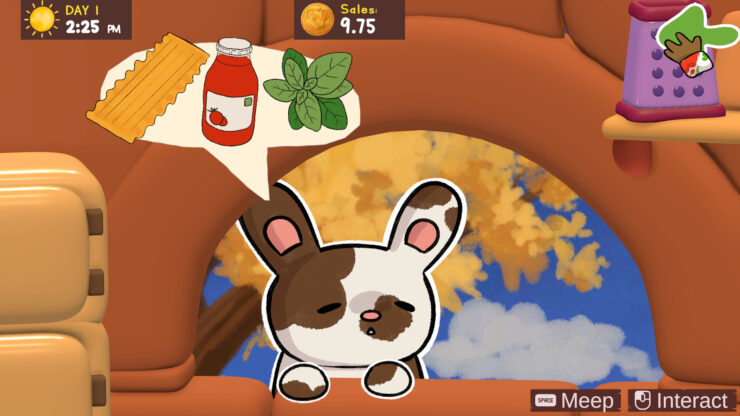
The process begins when a customer—ranging from bunnies to other forest creatures—enters the establishment. Their desires are communicated through intuitive visual icons floating above their heads. This eliminates the need for complex menu reading, allowing the player to focus immediately on the ingredients.
2. Preparation and Processing
Unlike many games that treat "pasta" as a single inventory item, Pawsta requires players to engage with the raw materials. Players must:
- Retrieve the pasta dough from the refrigerator.
- Utilize a rolling station to flatten the clay-like dough.
- Cut the dough into specific shapes, providing a sense of physical agency over the food.
- Transfer the pasta to the boiling station to be cooked to perfection.
3. The Customization Station
Once the base is prepared, the player moves to the sauce and topping stations. This is where Pawsta differentiates itself from rigid simulators. The game allows for a degree of "free-pour" creativity. Players can decide how much sauce is "enough" and how to arrange toppings. This lack of a strict "correct" measurement encourages a sense of ownership over the meal, turning a digital task into a creative outlet.
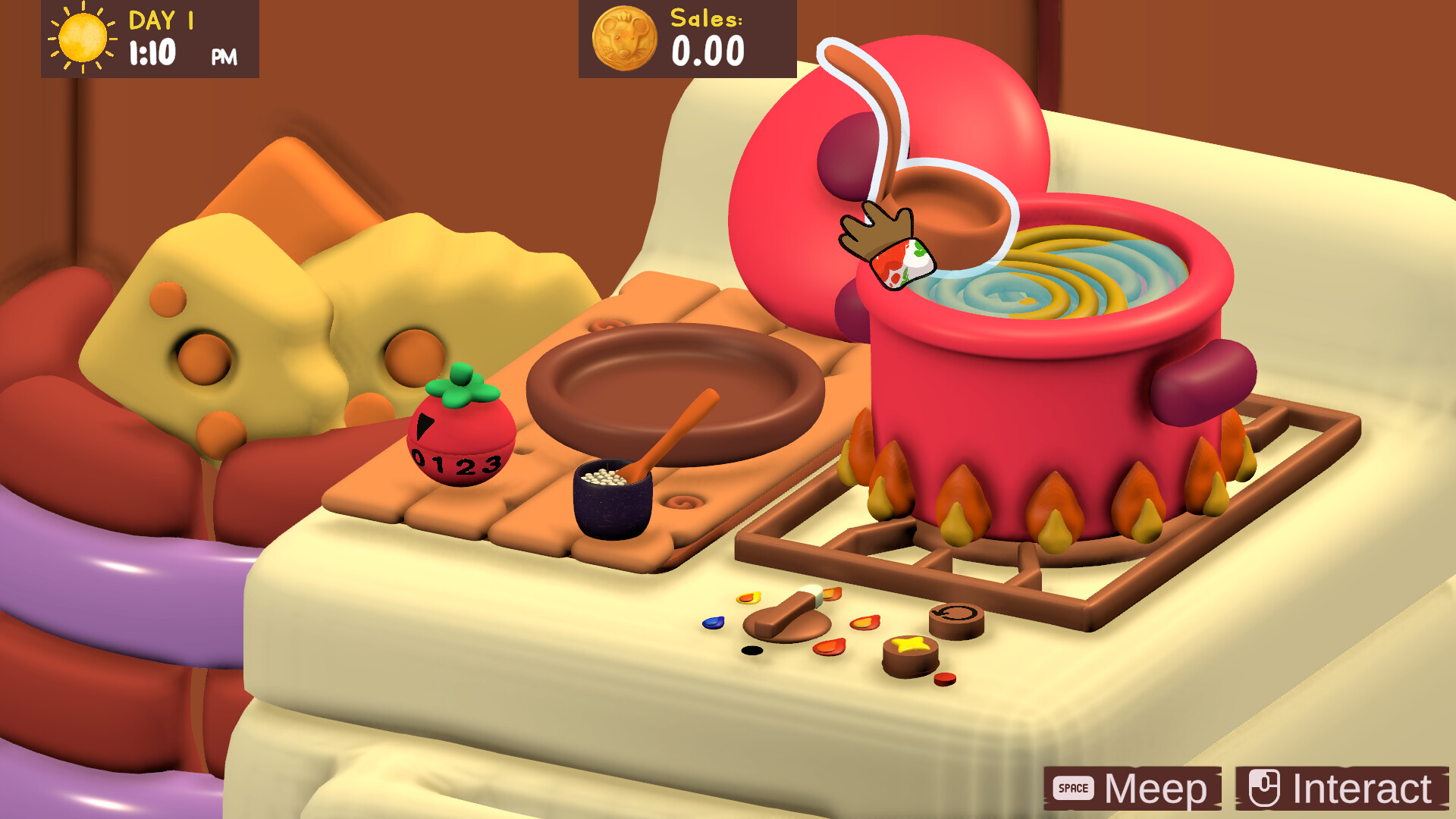
4. Service and Feedback
The final step is delivery. If the player has followed the icons correctly and maintained a high level of care, they are rewarded with a unique "perfect" animation. However, in a departure from the harsh critiques found in games like Diner Dash, an imperfect dish does not result in a "Game Over." The customer will still accept the meal and eat it, reflecting the game’s philosophy that the effort of cooking is a reward in itself.
Supporting Data: The Psychology of "Low-Stakes" Gaming
The design choices in Pawsta are backed by a burgeoning philosophy in game design that prioritizes "intrinsic" over "extrinsic" rewards. In traditional gaming, the reward is often a high score or a cleared level (extrinsic). In Pawsta, the reward is the visual and auditory satisfaction of the claymation movements (intrinsic).
One of the most notable features cited by early testers is the absence of a "patience meter." In most restaurant sims, a customer’s happiness depletes over time, creating a sense of urgency that can lead to player anxiety. Pawsta removes this mechanic entirely. Whether a player spends thirty seconds or five minutes on a single bowl of rigatoni, the customer remains content. This "low-stakes" environment allows players to appreciate the art style and the "ASMR-like" qualities of the kitchen sounds.
However, early feedback has highlighted areas for mechanical refinement. Some players noted that the visual "highlights" intended to guide the player to the next station were occasionally subtle to the point of being unclear. For a game that relies on a smooth, relaxing flow, ensuring that the UI (User Interface) provides clear direction without breaking immersion is a critical hurdle for the developers as they move toward a final build.
Official Responses and Developmental Roadmap
While the developers have remained focused on the core "grandmother’s restaurant" experience, they have signaled that the scope of Pawsta will expand significantly beyond its initial setting. According to official descriptions and promotional materials, Rigatoni’s journey is not confined to a single kitchen.
The game is slated to take players "all over the world," a narrative pivot that will introduce various culinary styles and regional pasta variations. This global tour serves two purposes:
- Narrative Growth: It allows players to learn more about Rigatoni’s family history and the origins of their "famous cooking."
- Mechanical Variety: New regions will introduce new mini-games and preparation styles, preventing the "cozy" loop from becoming repetitive.
The developers have encouraged fans to engage with the project via the Steam Wishlist, a move that is vital for indie titles to gain visibility in a crowded marketplace. The Wholesome Direct trailer served as a "sneak peek," suggesting that while the game is playable in a demo capacity, many of the international locales and advanced recipes are still in the final stages of polishing.
Implications: The Claymation Renaissance in Indie Games
The success and anticipation surrounding Pawsta point to a larger trend in the indie industry: the revival of labor-intensive, non-traditional art styles. Claymation, or "stop-motion" aesthetics, provides a sense of "tangibility" that 3D models often lack. In an era where AI-generated art and hyper-realistic graphics are becoming commonplace, the "hand-molded" look of Pawsta feels authentic and human.
Furthermore, Pawsta highlights the continued strength of the "Wholesome Games" brand. By curating titles that focus on kindness, creativity, and comfort, the Wholesome Direct has created a market for games that appeal to non-traditional gamers—those who may be turned off by violence or high-pressure mechanics but are drawn to the "digital hobbyist" aspect of cooking and decorating.
The implications for the "cooking sim" genre are also significant. Pawsta proves that there is a market for simulators that don’t simulate the stress of a job, but rather the joy of a craft. It suggests that the future of the genre may lie in "niche-ification," where games focus on the cultural and emotional weight of food rather than just the logistics of a supply chain.
Conclusion: A Recipe for Success?
Pawsta is more than just a game about a mouse making macaroni; it is a testament to the power of aesthetic and atmosphere in modern gaming. By combining the nostalgic charm of claymation with a stress-free gameplay philosophy, it carves out a unique space in the "cozy" market.
While the game still faces the challenge of refining its UI and expanding its content to meet the expectations of a global adventure, the foundation is remarkably solid. Rigatoni’s journey from his grandmother’s kitchen to the wider world is a narrative that mirrors the growth of the indie game scene itself—small, handcrafted, and filled with heart.
As development continues, Pawsta remains a title to watch for anyone seeking a digital escape that feels as warm and inviting as a fresh bowl of pasta. For now, interested players can follow Rigatoni’s progress on Steam, waiting for the day they can finally step into the kitchen and roll out the dough for themselves.


Leave a Comment