Ungraded Set to Revolutionize Raw Trading Card Market with Groundbreaking 3D Imaging Technology
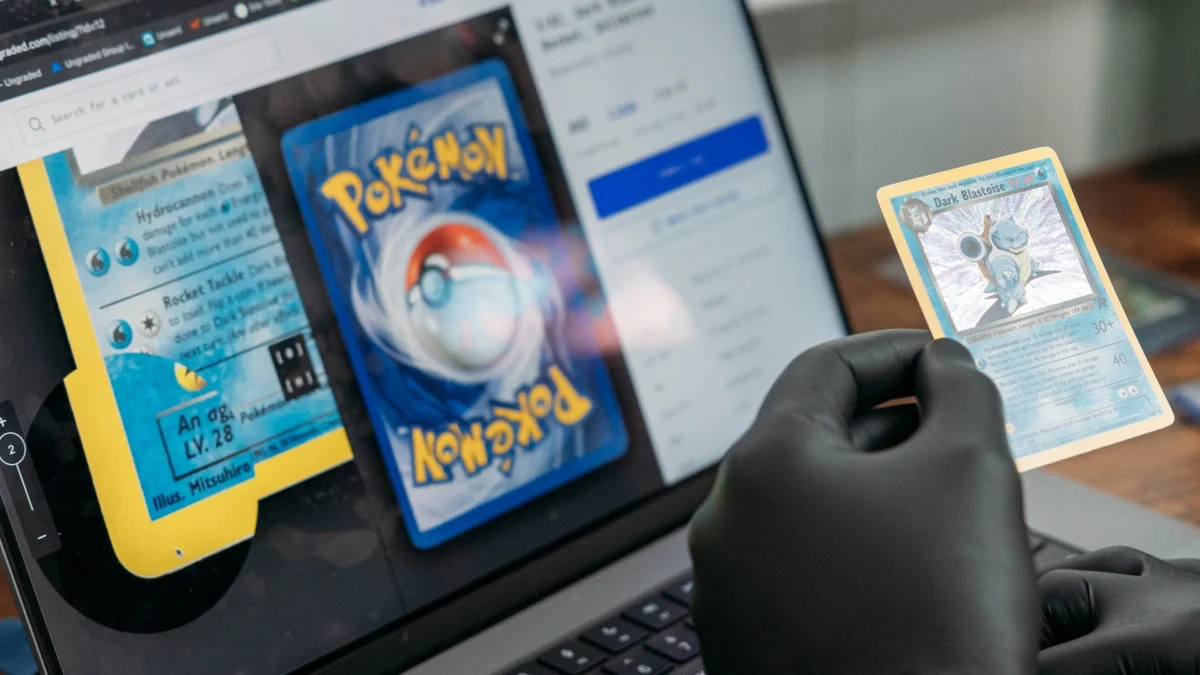
A new UK-based startup, Ungraded, is poised to transform the online marketplace for "raw" trading cards, promising unprecedented transparency and trust through its innovative 3D imaging technology. Founded by avid Pokémon card collectors, the platform aims to eliminate the pervasive risks of fraud, misrepresentation, and condition disputes that plague the buying and selling of ungraded collectibles.
The burgeoning market for trading card games (TCGs) such as Pokémon, Magic: The Gathering, and Yu-Gi-Oh!, alongside a growing interest in sports cards, has seen explosive growth in recent years. While high-value cards often benefit from professional grading services like PSA or BGS, which encapsulate them in protective, authenticated slabs, the vast majority of cards traded online remain "raw" – ungraded and unprotected. This segment, representing a significant portion of the market, is rife with challenges for both buyers and sellers, from blurry photos and inaccurate descriptions to outright scams involving fake cards or non-delivery. Ungraded seeks to address these critical pain points head-on, offering a sophisticated solution designed to instill confidence and facilitate fair transactions.
Main Facts: Ungraded’s Vision and Mechanism
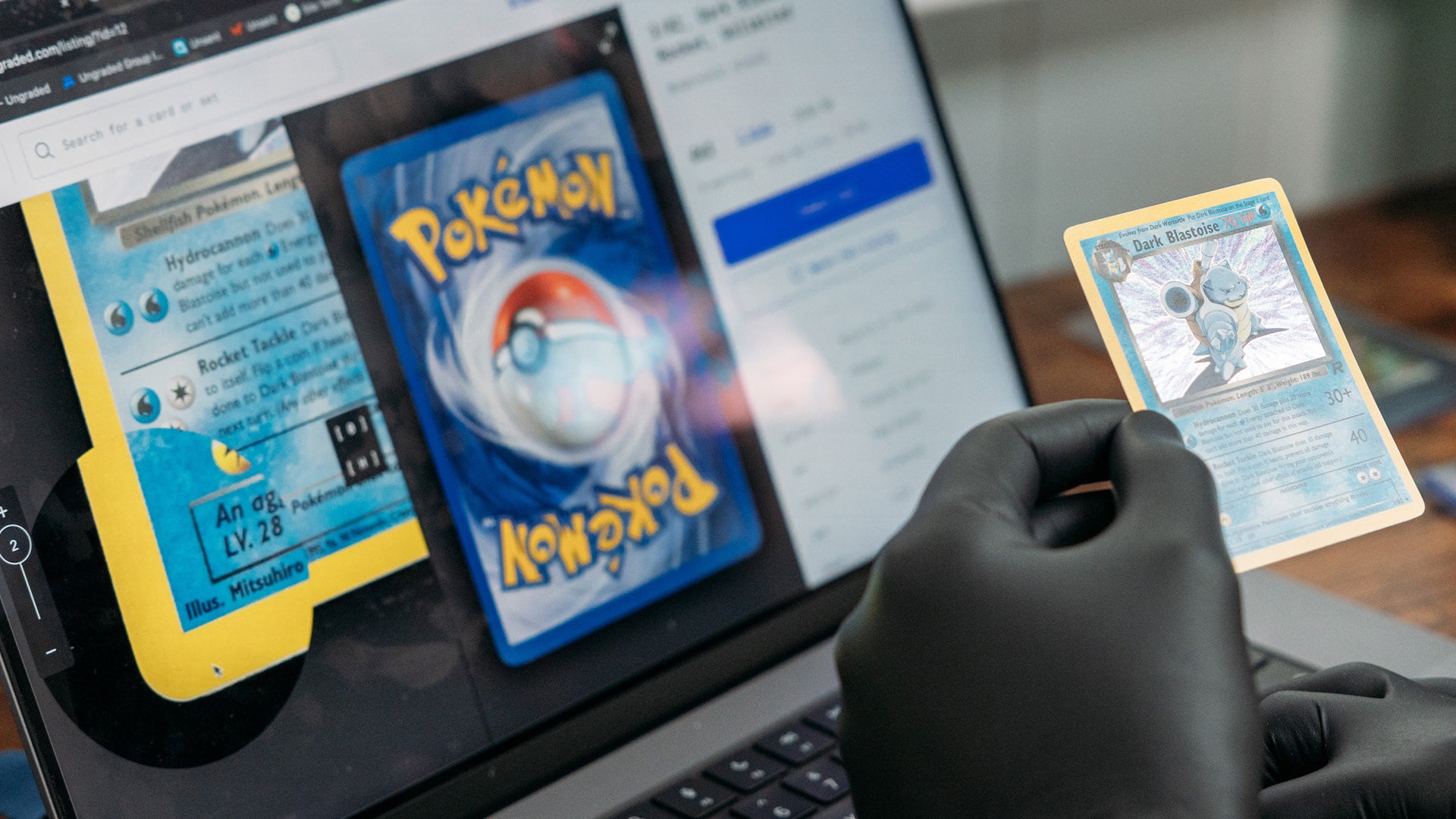
Ungraded’s core proposition lies in its unique imaging process, which captures hundreds of ultra-high-resolution photographs of submitted cards to construct an interactive 3D digital replica. This allows potential buyers to examine every minute detail of a card’s condition, virtually rotating, zooming, and inspecting it with a level of scrutiny previously only possible through in-person inspection.
The Genesis: From Collectors to Innovators
The brainchild of a pair of Cornish Pokémon card collectors, Ungraded emerged from a shared frustration with the existing online trading landscape. These founders, deeply embedded in the hobby, experienced firsthand the pitfalls of buying and selling raw cards on conventional platforms. The constant gamble of receiving a card in a different condition than expected, the worry of counterfeit items, and the sheer inconvenience of disputes motivated them to seek a better way. Their vision was to create a marketplace that not only facilitated transactions but also built a foundation of trust and reliability for the everyday collector who might not be dealing in "Post Malone-level" cards but still invests significant sums in their passion. They recognized a substantial void in the market for a service that could bridge the gap between rudimentary online listings and the costly, time-consuming process of professional grading.
Unpacking the 3D Imaging Technology
At the heart of Ungraded’s offering is its "groundbreaking" 3D imaging technology. When a seller submits a card, it is sent to Ungraded’s facilities where it undergoes a meticulous photographic process. This isn’t just a few snapshots; it involves capturing hundreds of high-definition images from various angles and under controlled lighting conditions. These images are then stitched together to create a seamless, rotatable 3D model of the card.
What sets this technology apart is the depth of detail it provides. Buyers are not just viewing a static image; they can interact with the digital replica, rotating it 360 degrees, zooming in to microscopic levels, and scrutinizing every surface. This level of inspection allows for the identification of subtle imperfections that would be invisible in standard photographs. Buyers can discern crucial aspects of a card’s condition, such as:
- Surface Scratches and Scuffs: Minute abrasions that significantly impact value can be clearly seen.
- Edge Wear: Fraying or whitening along the edges, a common indicator of handling, is highlighted.
- Corner Condition: Soft, creased, or dinged corners are easily identifiable.
- Centering: The precise alignment of the artwork within the card’s borders, a key factor in grading.
- Print Patterns: Even microscopic CMYK print patterns can be viewed, aiding in authenticity verification and offering insights into print quality.
This comprehensive visual information empowers buyers to make highly informed decisions, confident in the actual condition of the card they are bidding on. It essentially simulates the experience of holding the card in one’s hand and inspecting it thoroughly, thereby mitigating the risk of post-purchase disappointment or disputes.
Scope of Cards and Market Focus
As its name implies, Ungraded is specifically designed for "raw" cards – those that have not undergone official grading. The platform will cater to a wide array of popular trading card games and collectible categories, including:
- Pokémon Trading Card Game: A cornerstone of the TCG market, known for its iconic characters and fervent collector base.
- Magic: The Gathering: The original collectible card game, with a deep history and a robust secondary market.
- Yu-Gi-Oh!: Another titan in the TCG world, boasting a global following.
- Sports Cards: A rapidly expanding segment covering football, American sports, and more, where condition is paramount.
By focusing on this segment, Ungraded aims to serve the vast majority of collectors who trade cards that may not command the ultra-high prices warranting a PSA 10 grade, but are still valuable and susceptible to the same online trading risks. It provides a premium service for a market segment traditionally underserved by high-trust solutions.
Chronology: From Concept to Launch
The journey of Ungraded from a conceptual solution to a live marketplace has involved significant development and strategic planning, culminating in a phased rollout designed to build momentum and demonstrate the platform’s capabilities.
The Development Journey
While specific dates for Ungraded’s inception and development phases are not detailed, the ambitious nature of its technological promise suggests a considerable period of research, engineering, and testing. Developing a system capable of capturing and rendering hundreds of high-resolution images into an interactive 3D model, ensuring accuracy and scalability, is no small feat. It would have required expertise in optics, computer vision, data processing, and web development. The founders, driven by their personal experiences, likely spent years refining the technology and building the robust infrastructure necessary to support a high-volume trading platform. This would have involved rigorous testing of the imaging process, calibration of equipment, and iterative development of the user interface to ensure a smooth and intuitive experience for both sellers and buyers. The commitment to such a complex solution underscores the founders’ belief in the transformative potential of their vision.
Phased Rollout and Initial Offerings
Ungraded is not simply launching a full marketplace overnight. Instead, it is adopting a strategic, phased approach to its market entry, beginning with curated events before a full public launch.
- Pre-Launch Auction Drops (End of May): Starting in late May, Ungraded will host a series of exclusive auction drops. These initial events will feature a selection of popular cards from key TCGs, including Pokémon, Yu-Gi-Oh!, and Magic: The Gathering. These drops serve as a crucial testbed for the platform, allowing Ungraded to showcase its technology, refine its operational processes, and gather early feedback from collectors. For enthusiasts, these auctions present the first opportunity to experience the 3D viewing technology firsthand and acquire cards through the new system.
- Official Marketplace Launch (July): Following the initial auction drops, the full Ungraded marketplace is slated to go live in July. This will open the platform to a broader user base, allowing sellers to submit their raw cards for imaging and listing, and buyers to browse a wider array of collectibles. The July launch marks the official debut of Ungraded as a comprehensive solution for trading cards, positioning it as a significant new player in the online collectible market.
This staggered launch strategy is a common approach for tech startups, enabling them to fine-tune their offering, build anticipation, and ensure a stable and reliable experience when the platform fully opens its doors.
Supporting Data: The Business Model and Market Context
Ungraded’s financial model is designed to be transparent, covering the advanced services it provides while aiming to remain competitive. Its operational logistics are also tailored to enhance security and convenience for users. This model operates within a dynamic TCG market landscape characterized by significant growth and evolving collector demands.
A Transparent Fee Structure
The platform employs a tiered fee structure, primarily placing the transaction cost on the buyer for auction-style listings, while offering sellers a largely free experience, particularly for higher-value items.
- Seller Fees: Selling cards worth over £25 is free for the seller. This incentivizes sellers to list their cards, as they do not incur upfront costs for the advanced imaging service.
- Buyer Fees (Auction Listings): Buyers pay a percentage of the sold value:
- 20% for cards up to £250.
- 17.5% for cards up to £1,000.
- 15% for cards over £1,000.
This structure ensures that the fee scales with the value, becoming proportionally lower for more expensive acquisitions.
- Fixed Price Listings: For cards listed with a set price rather than an auction, the fee structure shifts:
- Sellers pay a 15% commission.
- There is no additional buyer fee. This provides flexibility for sellers who prefer a direct sale without the auction process.
- Cards Under £25: For lower-value cards, a minimum fee applies. The buyer still pays 20% of the card’s value, but the seller is charged the difference if this 20% falls below a £5 minimum fee. This ensures that the costs associated with the high-resolution imaging and handling of even lower-priced items are covered.
- Unsold Fees: To encourage timely sales and manage inventory, cards that remain unsold after 30 days will incur a recurring "unsold fee" of 1% of the card’s average price for every subsequent 30-day period. This incentivizes sellers to price their cards competitively and provides a mechanism for Ungraded to manage its operational overhead for cards stored long-term.
The rationale behind these fees is to cover the significant investment in technology, the labor involved in the meticulous imaging process, secure storage, and the comprehensive logistics services provided.
Addressing Logistical Challenges
Ungraded’s operational model is designed to streamline the trading process and mitigate common logistical risks:
- Seller Submission: Sellers initiate the process by sending their raw cards directly to Ungraded’s secure facility. This centralizes the handling and ensures consistent quality control for imaging.
- Ungraded’s Role: Upon arrival, cards are photographed, listed on the marketplace with their interactive 3D models, and securely stored. When a card is sold, Ungraded manages the entire fulfillment process.
- Included Services: A key benefit for sellers is that Ungraded covers essential costs like postage and insurance for sold items. This removes a significant administrative and financial burden, as sellers simply need to send their cards in, and Ungraded handles the rest, ensuring safe transit to the buyer.
- Buyer Assurance: Buyers receive their purchased cards directly from Ungraded, minimizing the risk of non-delivery, fraudulent shipping claims, or receiving a card different from the one meticulously inspected in 3D. This end-to-end control by Ungraded significantly enhances trust and security throughout the transaction lifecycle.
The Broader TCG Market Landscape
The trading card market has witnessed an unprecedented boom in recent years, fueled by nostalgia, speculative investment, and the growing mainstream appeal of franchises like Pokémon. The overall market size, encompassing both primary sales and the secondary market, is estimated to be in the billions of dollars globally, with continuous growth projected.
Within this expansive market, a clear distinction exists between "slabbed" cards (professionally graded and encased) and "raw" cards. While slabbed cards offer certified authenticity and condition, their grading process is often expensive, time-consuming, and typically reserved for cards of high potential value. This leaves a vast middle ground of raw cards – ranging from moderately valuable collectibles to highly sought-after chase cards – that are traded without official certification.
Current platforms like eBay, TCGPlayer, and various social media groups serve this raw card market, but they come with inherent limitations:

- eBay: Offers broad reach but often suffers from inconsistent photo quality, varying seller trustworthiness, and a lack of standardized condition assessment, leading to frequent disputes.
- TCGPlayer: A specialized marketplace for TCGs, it provides pricing data but relies on sellers’ self-reported condition and basic images, which can still be subjective.
- Social Media/Forums: Offer direct interaction but come with the highest risk of fraud, as there’s often little to no buyer protection or verified identity.
Ungraded’s competitive edge lies in directly addressing these limitations. By providing a standardized, high-tech solution for condition verification and handling all logistics, it aims to create a premium, high-trust environment for raw card trading, effectively bridging the gap between the casual, risky online exchange and the secure, but often prohibitive, world of professional grading.
Official Responses: Voices Behind the Vision
While direct quotes from Ungraded’s founders or spokespersons are not explicitly provided in the initial announcement, the company’s stated mission and the promises embedded in its service model offer clear insights into their aspirations and commitment.
Founders’ Aspirations
It can be inferred that the founders, having personally navigated the complexities of the raw card market, are driven by a deep desire to elevate the trading experience for fellow collectors. They would likely articulate a vision centered on democratizing access to secure and transparent transactions, allowing more enthusiasts to participate in the hobby without the constant fear of being misled or defrauded. Their statements would undoubtedly emphasize their passion for the collectible card community and their commitment to building a platform that truly serves its needs. The ambition to "revolutionize" the market stems from a belief that the current solutions for raw cards are simply inadequate, and that a technology-driven approach can restore faith and excitement to online trading. They would likely highlight their personal journey as collectors as the ultimate inspiration for Ungraded, positioning themselves as advocates for a fairer, more reliable ecosystem.
The Promise of Accuracy and Security
Ungraded’s communications would consistently underscore the "groundbreaking" nature of its 3D imaging technology, presenting it not just as a feature, but as the cornerstone of its promise. They would reassure potential buyers that the digital replicas offer an unparalleled level of detail, making it possible to accurately judge a card’s condition remotely. This promise extends to authenticity, with the ability to scrutinize print patterns serving as an additional layer of verification. For sellers, the implicit assurance is that their cards will be professionally represented, accurately showcasing their condition and attracting serious, well-informed buyers. The comprehensive logistical support – including postage and insurance – would be framed as a critical security measure, protecting both parties from common transaction risks. Ultimately, Ungraded’s official stance would be one of unwavering dedication to fostering an environment where every trading card transaction is characterized by confidence, clarity, and security, moving beyond the traditional "roll of the dice" approach.
Implications: Potential Impact and Future Outlook
The launch of Ungraded carries significant implications for the trading card market, particularly for the vast and often underserved segment of raw card collectors. Its success could reshape current trading practices, while its ambitious nature also presents a unique set of challenges and opportunities.
Reshaping the Raw Card Market
Should Ungraded gain traction, its impact on the raw card market could be profound:
- Increased Confidence and Participation: A transparent and secure platform could significantly boost collector confidence, encouraging more individuals to buy and sell raw cards online. This could lead to a healthier, more active secondary market for mid-range and even lower-value cards that wouldn’t typically warrant professional grading.
- Democratization of Inspection: The 3D imaging technology essentially democratizes the detailed inspection process. Collectors who lack expert knowledge or access to high-magnification tools can still perform a thorough virtual assessment, leveling the playing field.
- Impact on Pricing Dynamics: With greater transparency around condition, the pricing of raw cards might become more standardized and less volatile. Buyers would be willing to pay fair market value with greater certainty, potentially reducing the "condition discount" often applied to raw cards due to inherent risk. This could particularly benefit sellers of well-preserved raw cards, allowing them to realize better prices.
- Reduced Disputes: The most immediate and tangible benefit would be a drastic reduction in post-sale disputes related to card condition or authenticity. With buyers having exhaustively reviewed a 3D model, the grounds for such claims would be significantly diminished.
Challenges and Opportunities Ahead
Despite its promising premise, Ungraded faces several hurdles and concurrent opportunities that will determine its long-term success.
- User Adoption: The biggest challenge will be convincing a diverse and often entrenched collector base to switch from familiar platforms like eBay or TCGPlayer. This requires not only demonstrating the value of the 3D technology but also building a critical mass of users to ensure liquidity in the marketplace. The fee structure, while transparent, is also a factor users will weigh against existing options.
- Technology Scalability and Consistency: The imaging process is meticulous. Can Ungraded scale its operations to handle a high volume of card submissions efficiently without compromising the quality and accuracy of its 3D models? Maintaining consistent imaging standards across thousands, or even millions, of cards will be paramount. Any perceived inaccuracies could quickly erode trust.
- Competition and Market Response: Established platforms are unlikely to stand idly by. While eBay may not replicate 3D imaging overnight, it could introduce enhanced seller tools or more stringent dispute resolution processes. Specialized TCG marketplaces might also innovate to retain their user base. Ungraded needs to maintain its technological edge and continuously improve its user experience.
- Maintaining Trust and Reputation: In a market plagued by fraud, Ungraded’s entire value proposition rests on trust. Any significant breach of security, misrepresentation of a card (even if accidental), or poor customer service could severely damage its reputation and undermine its mission. Rigorous internal processes for handling, imaging, and shipping cards will be crucial.
- Expansion Potential: Beyond the initial TCGs and sports cards, the 3D imaging technology could potentially be applied to a wider range of collectibles, from comic books to stamps or coins, opening up vast new markets for Ungraded in the future.
A Watchful Eye on the Summer Launch
The trading card community will undoubtedly be watching closely as Ungraded rolls out its auction drops in late May and launches its full marketplace in July. The ambition is clear, and the potential for a genuine shift in how raw cards are traded online is significant. If Ungraded can deliver on its lofty promises of transparency, accuracy, and security, it could very well usher in a new, more trustworthy era for collectors, fundamentally reshaping the dynamics of the secondary trading card market. The summer will serve as a crucial test for this innovative venture, determining whether it can truly solve the long-standing frustrations of buying and selling raw cards in the digital age.