
The Resurrection of Dread: Why Mike Flanagan is the Only Filmmaker Who Can Finally Master Stephen King’s ‘Pet Sematary’
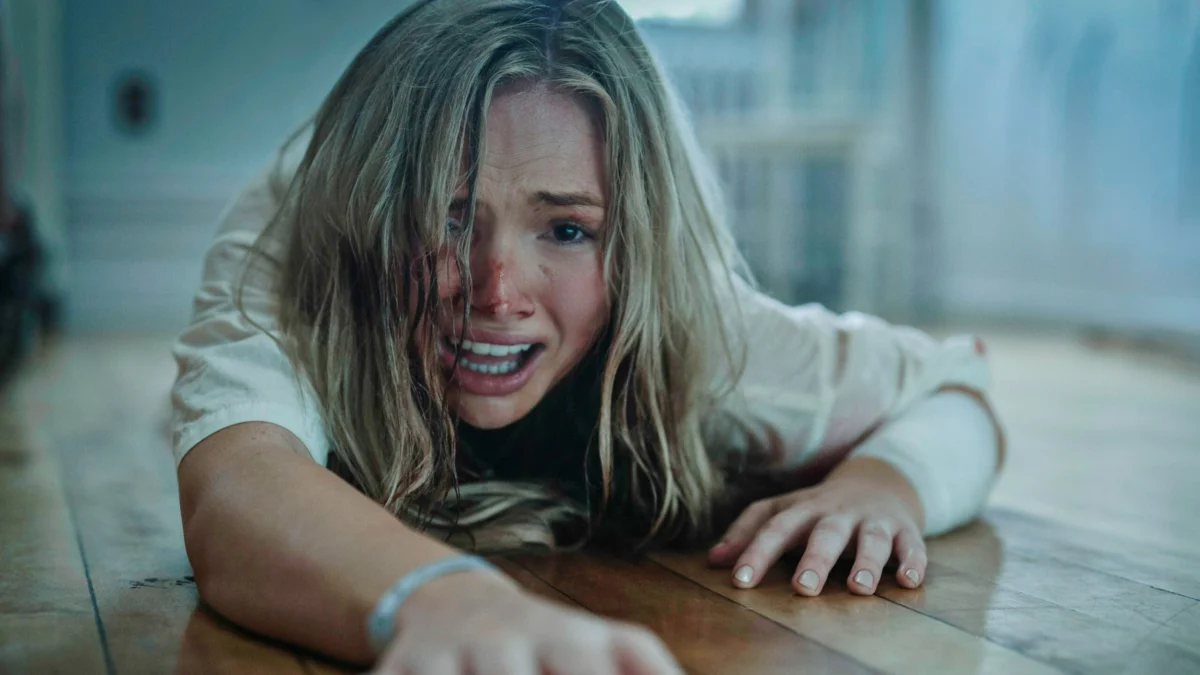
The relationship between Stephen King, the undisputed "King of Horror," and Mike Flanagan, the modern maestro of psychological terror, has become one of the most fruitful creative symmetries in contemporary cinema. Having already successfully adapted Gerald’s Game and Doctor Sleep—two works long considered "unfilmable" for vastly different reasons—Flanagan has earned a level of trust from both the author and the global fanbase that few directors have ever achieved.
As news breaks regarding Flanagan’s upcoming slate, including a highly anticipated series adaptation of Carrie for Prime Video and a rumored take on The Mist, the conversation has inevitably turned to the "White Whale" of the King library: Pet Sematary. Despite multiple attempts to bring the 1983 novel to the silver screen, many critics and scholars of the genre argue that the book’s true, soul-crushing essence has never been captured. For Flanagan, a director whose entire filmography serves as a meditation on grief and the refusal to let go, Pet Sematary represents the logical—and perhaps inevitable—pinnacle of his career.
The Core Facts: Flanagan’s Growing King Empire
Mike Flanagan is currently in the midst of an unprecedented run of Stephen King adaptations. Following his departure from Netflix to an exclusive multi-year deal with Amazon MGM Studios, Flanagan has prioritized the works of the Maine novelist.
- Carrie (2026): Flanagan is set to write and executive produce an eight-episode limited series based on King’s debut novel. Unlike the 1976 Brian De Palma classic or the 2013 remake, Flanagan’s version is expected to dive deeper into the epistolary nature of the book, focusing on the town’s collective trauma.
- The Mist: Reports indicate that Flanagan is eyeing a new adaptation of the novella, which was famously adapted into a 2007 film by Frank Darabont. Flanagan’s version would likely lean into the claustrophobic psychological breakdown of the survivors.
- The Dark Tower: The "Mount Everest" of King’s work remains Flanagan’s ultimate goal. He has acquired the rights and developed a pilot script for a massive, multi-season television epic intended to do justice to Roland Deschain’s odyssey.
However, amidst these announcements, Pet Sematary looms large. While not currently on Flanagan’s official docket, the thematic overlap between his existing body of work and this specific novel suggests that a collaboration is not just a fan’s dream, but a narrative necessity.
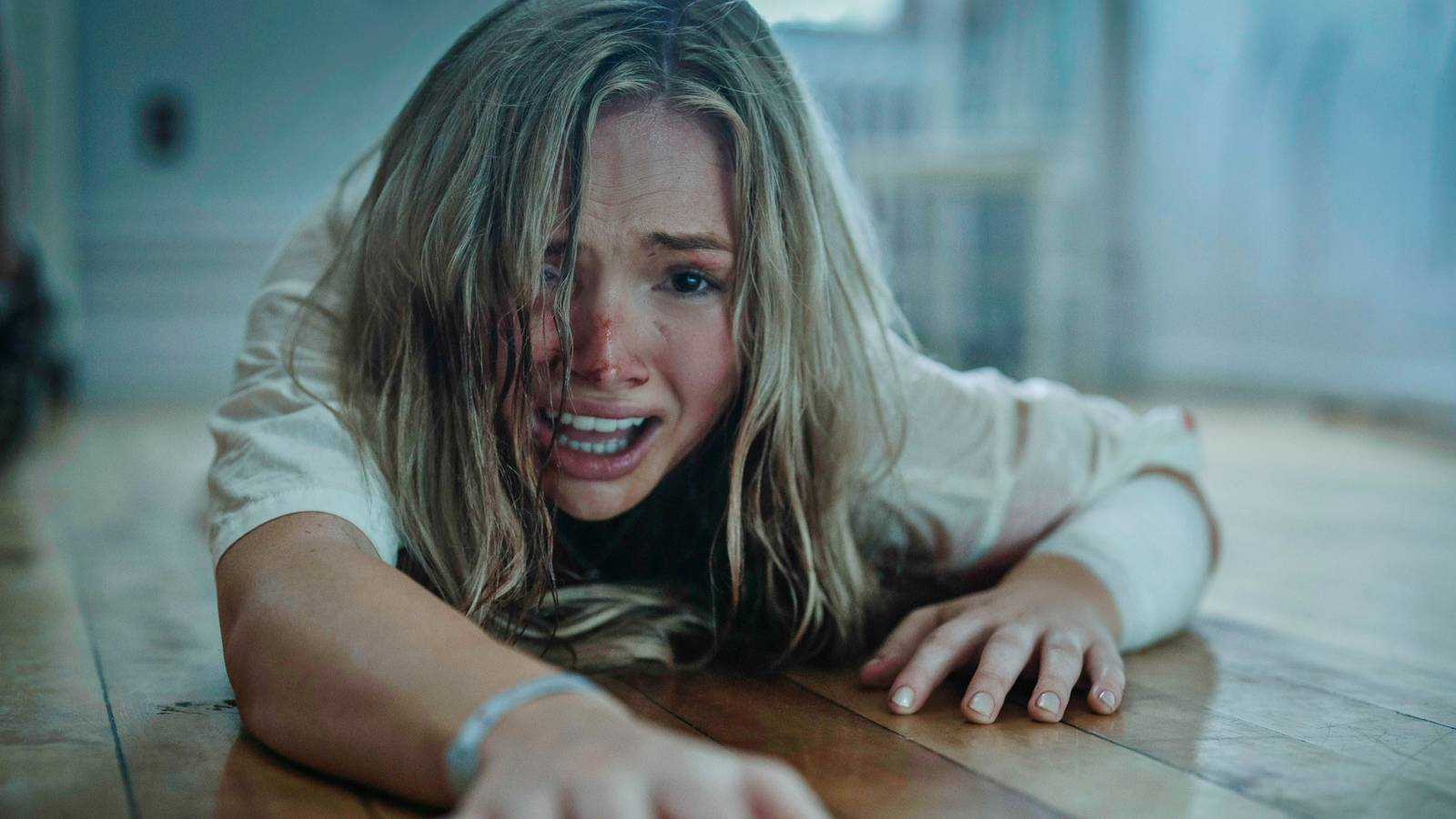
Chronology of a Nightmare: The Dark History of ‘Pet Sematary’
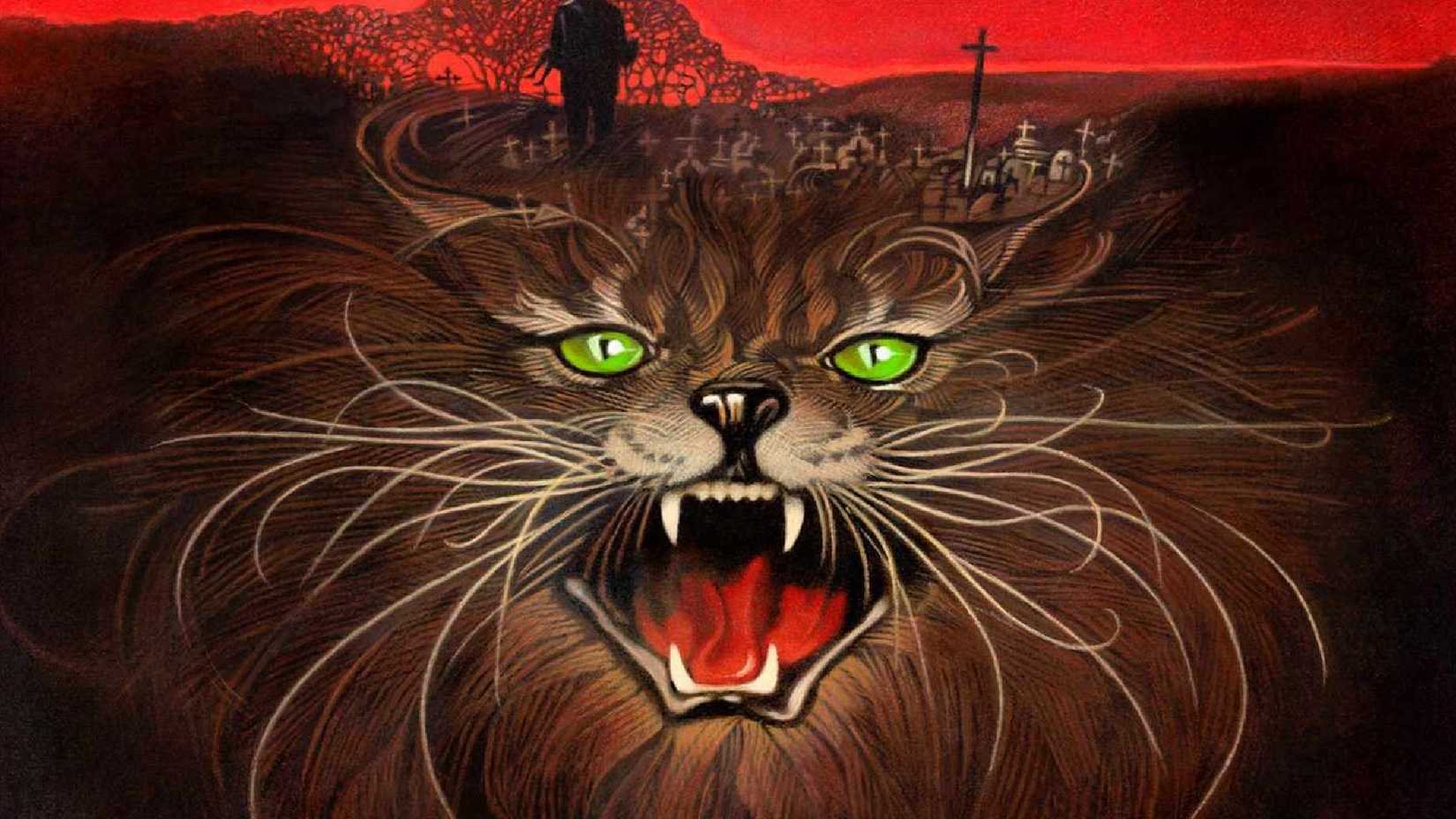
To understand why Flanagan is the right choice, one must understand the unique, cursed history of the source material. Stephen King famously wrote the manuscript for Pet Sematary in the late 1970s but found the result so distressing that he hid it in a desk drawer, intending for it never to see the light of day.
The Real-Life Tragedy
The book was born from a series of personal incidents while King was a writer-in-residence at the University of Maine. His daughter’s cat, Smucky, was killed by a truck on a busy road near their home. Shortly thereafter, his youngest son, Owen, nearly ran into the same road while King watched in terror, catching him just seconds before disaster struck. The "what if" that followed—the idea of a parent failing to save their child and then having the supernatural means to "undo" that failure—resulted in a story King described as "too dark."
The Forced Publication
The book only reached the public because of a legal technicality. King owed Doubleday one final book to fulfill a contract, and Pet Sematary was the only completed manuscript he had available. Upon its release in 1983, it became a sensation, but King himself remained wary of it, stating in interviews that it "is the only book I ever wrote that really scared me."
The Adaptation Timeline
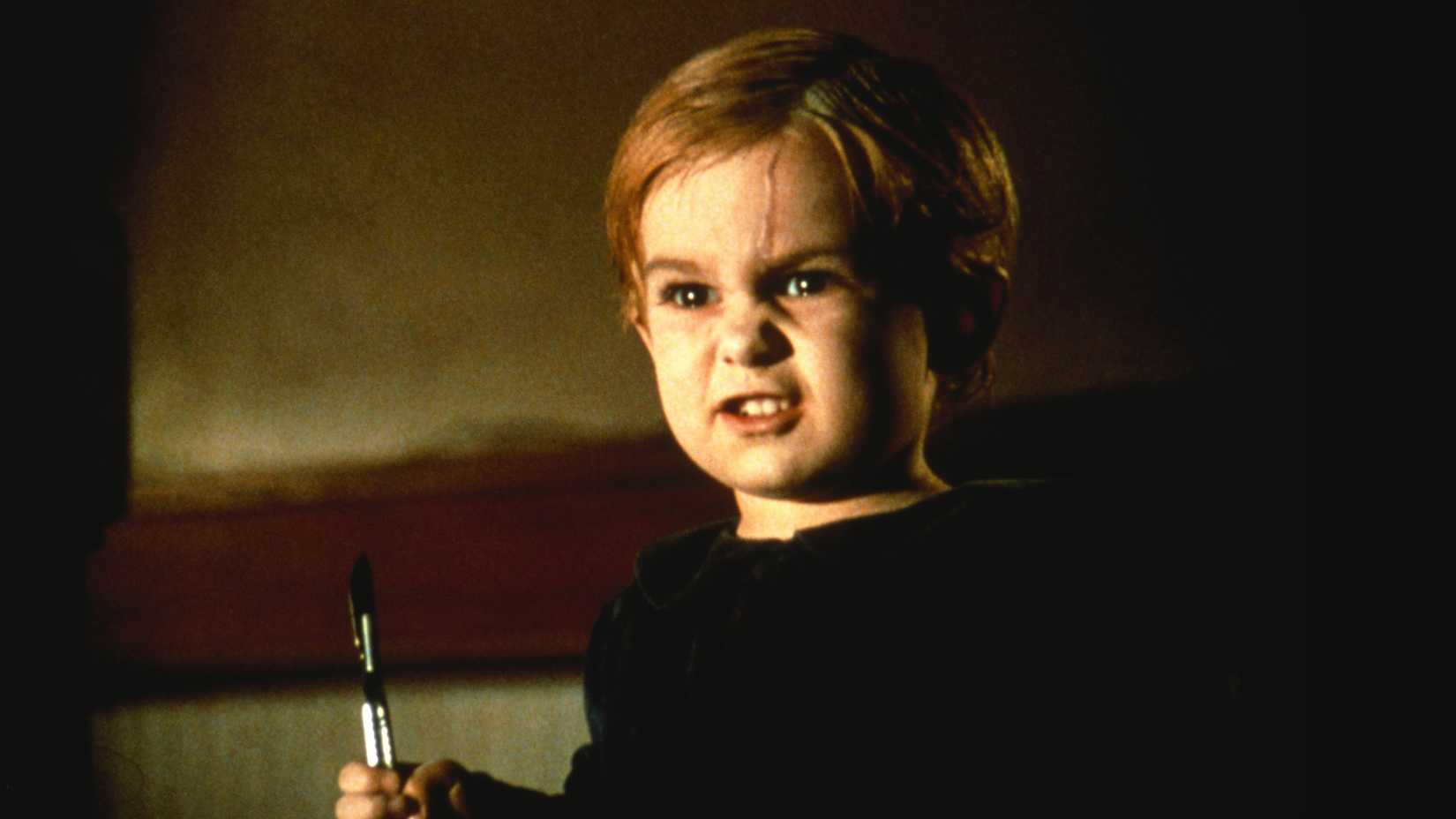
- 1989: Directed by Mary Lambert with a screenplay by King himself. While it features an iconic performance by Fred Gwynne and became a cult classic, many argue it leaned too heavily into "creepy kid" tropes and slasher aesthetics, losing the novel’s profound philosophical weight.
- 2019: A remake directed by Kevin Kölsch and Dennis Widmyer. Despite a darker tone and a major plot twist involving which child dies, it was met with mixed reviews, with critics claiming it felt like a standard jump-scare horror film rather than a deep exploration of mourning.
- 2023: Pet Sematary: Bloodlines, a prequel released on Paramount+, failed to resonate with audiences, currently holding low scores on review aggregators.
Supporting Data: Why the "Flanagan Style" Matches the "King Dread"
The primary failure of previous Pet Sematary adaptations is their inability to balance the "monster" elements with the "emotional" elements. Mike Flanagan’s career is built entirely on this balance.

The Haunting of Hill House (2018)
In this series, Flanagan proved he could take a classic horror text and reinvent it as a family drama. Hill House was not about ghosts in the walls; it was about how the death of a mother fractured five siblings for decades. This is the exact DNA required for Pet Sematary, which is, at its heart, a story about the disintegration of the Creed family.
Midnight Mass (2021)
This remains Flanagan’s most pertinent "audition" for Pet Sematary. In Midnight Mass, Flanagan explores the terror of religious fervor and the human refusal to accept mortality. The character of Monsignor Pruitt brings a "miracle" back to his island—a miracle that is actually a curse. This mirrors the character of Louis Creed, a man of science who abandons all logic when faced with the unbearable weight of his son’s death. Flanagan’s ability to write long, philosophical monologues about what happens when we die is exactly what the character of Jud Crandall needs to explain the "sour ground" of the Micmac burial ground.
Doctor Sleep (2019)
By successfully bridging the gap between King’s The Shining novel and Stanley Kubrick’s film, Flanagan showed he could handle legacy and "sacred" horror texts with grace. He understands that the horror in King’s work isn’t the ghost—it’s the addiction, the trauma, and the memory.
Official Responses and Perspectives
While there has been no official greenlight for a Flanagan-led Pet Sematary, the director has been vocal about his philosophy regarding King’s work. In various interviews, Flanagan has noted that he views horror as a "lens through which we examine the things that scare us in real life: loss, age, and the death of our loved ones."
Stephen King, for his part, has been a vocal supporter of Flanagan. After viewing Gerald’s Game, King called the film "hypnotic, horrifying, and terrific." He later championed Doctor Sleep and Midnight Mass on social media, signaling a level of authorial approval that King rarely grants to those who adapt his work (famously, he loathed Kubrick’s The Shining for losing the "heart" of the story).
Industry analysts suggest that with the Carrie series, Amazon is testing the waters for a "King-Flanagan Universe." If Carrie performs well, the studio would likely look to acquire the rights to other major King titles that need a "prestige" facelift.
Implications: A New Era of Literary Horror
If Mike Flanagan were to take on Pet Sematary, the implications for the horror genre would be significant.
1. The Shift from "Jump-Scare" to "Existential"
The current horror landscape is moving away from the "elevated horror" era into a more populist but still thematic space. A Flanagan Pet Sematary would likely be a slow-burn, high-budget production that treats the source material with the reverence of a Shakespearean tragedy. It would signal to the industry that horror remakes don’t have to be "reboots"—they can be "re-interpretations."
2. Correcting the "Zelda" Problem
In the 1989 film, the character of Zelda (Rachel’s sister who died of spinal meningitis) was portrayed as a terrifying, almost monstrous figure. While effective for scares, it missed the point of Rachel’s trauma: the guilt of a child watching a sibling suffer. Flanagan’s nuanced approach to disability and illness (seen in The Midnight Club) suggests he could make Zelda’s story truly heartbreaking rather than just a "scary face in the dark."
3. The Definitive Louis Creed
Louis Creed is one of King’s most complex protagonists—a good man driven to madness by love. Previous films have struggled to make his descent feel earned. Flanagan’s history of working with actors like Henry Thomas and Rahul Kohli suggests he could find the right lead to portray the agonizing, step-by-step logic of a man deciding to dig up his own son.
Conclusion
The "sour ground" of the Pet Sematary has claimed many adaptations, but Mike Flanagan possesses the specific set of tools required to navigate its treacherous terrain. As he prepares to bring Carrie to a new generation in 2026, the horror community remains hopeful that he will eventually turn his gaze toward the Creed family.
In the world of Stephen King, "sometimes dead is better." But in the hands of Mike Flanagan, a dormant franchise might just be the one thing worth bringing back to life.



Leave a Comment