Bridging Dimensions: Studio 4°C and the Technical Evolution of ‘Chimney Town: Frozen in Time’
In the landscape of global animation, few entities command as much respect for their experimental audacity as Studio 4°C. Founded on the principle of creative freedom and technical innovation, the Tokyo-based powerhouse has spent decades pushing the boundaries of what is possible in the medium. Their latest offering, Chimney Town: Frozen in Time, marks a significant milestone in this journey. Directed by Yusuke Hirota, the film serves as a sequel to the 2020 hit Poupelle of Chimney Town, but it represents much more than a narrative continuation. It is a sophisticated manifestation of the studio’s evolving mastery over the fusion of 2D and 3D aesthetics.
Premiering at the 76th Berlin International Film Festival in the Generation strand and slated for a high-profile screening at the Annecy International Animation Film Festival, Frozen in Time arrives at a pivotal moment for the industry. As audiences increasingly demand visual depth without sacrificing the "soul" of traditional hand-drawn art, Studio 4°C has positioned itself at the vanguard of the hybrid movement.
Main Facts: A New Chapter for the Chimney World
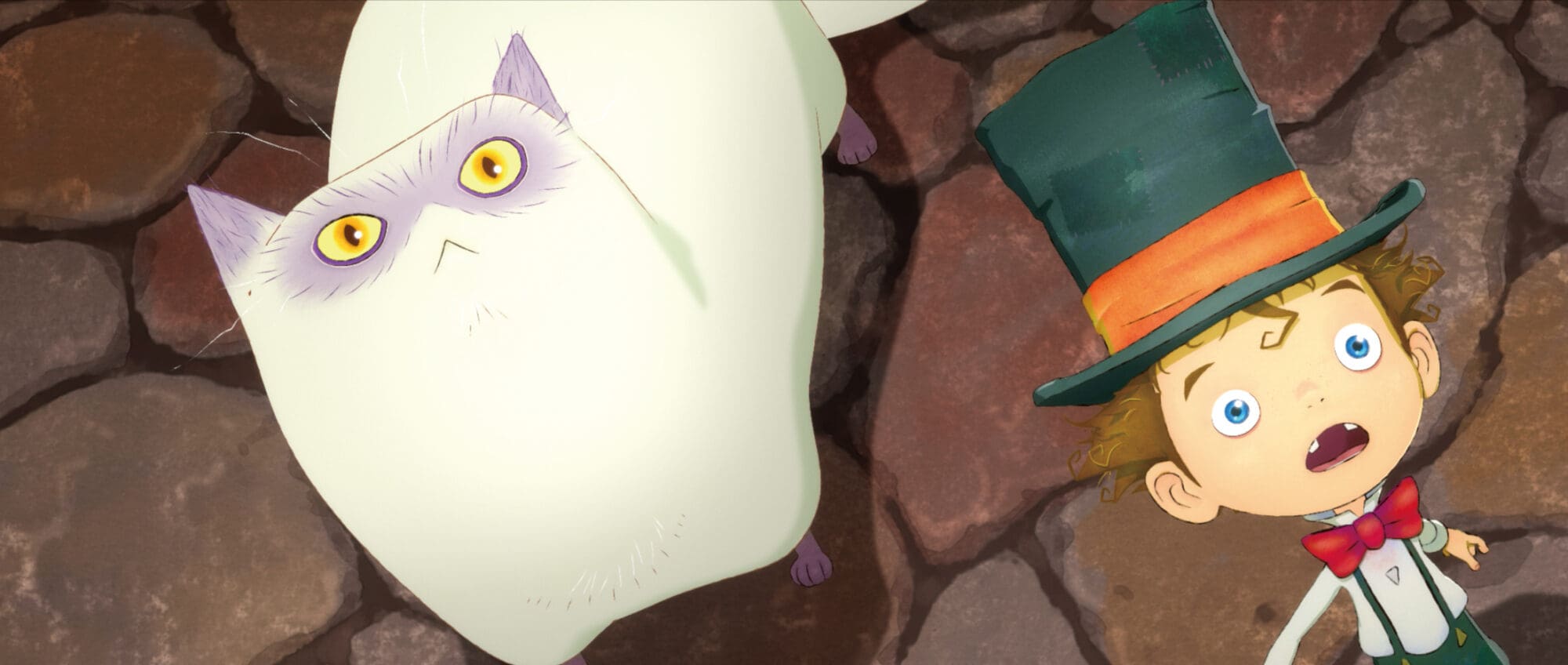
Chimney Town: Frozen in Time returns to the soot-covered, steampunk-inspired world created by actor, comedian, and author Akihiro Nishino. While the first film established the friendship between the young chimney sweep Lubicchi and the "garbage man" Poupelle, the sequel expands the scope into a surreal, imaginary realm.
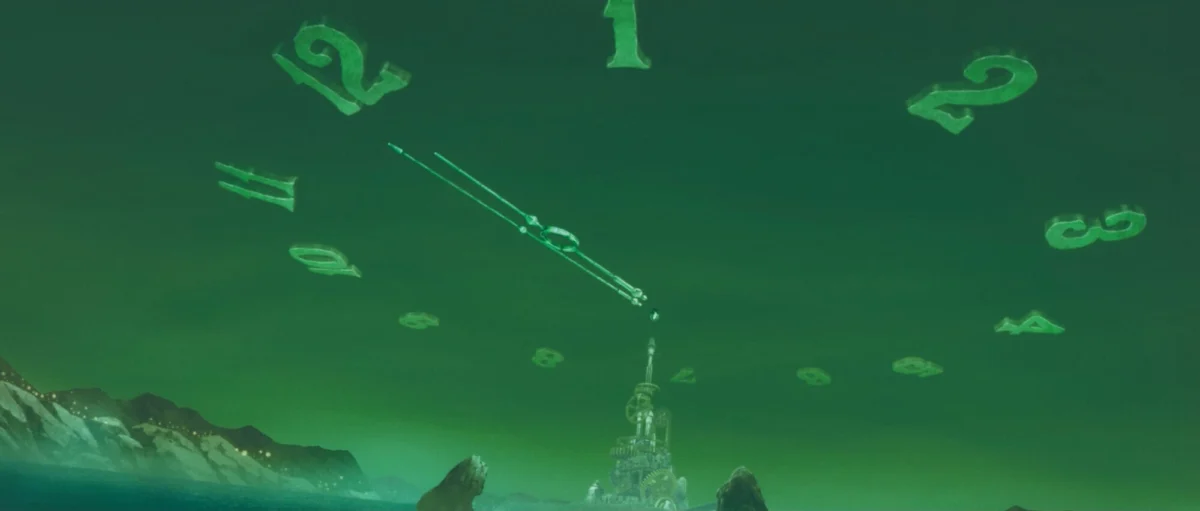
The story follows Lubicchi as he ventures into an "otherworld" known as the Thousand-Year Fortress. This landscape is not a physical location but a manifestation of the protagonist’s imagination, filled with creatures and environments born from rumors, books, and half-remembered stories.
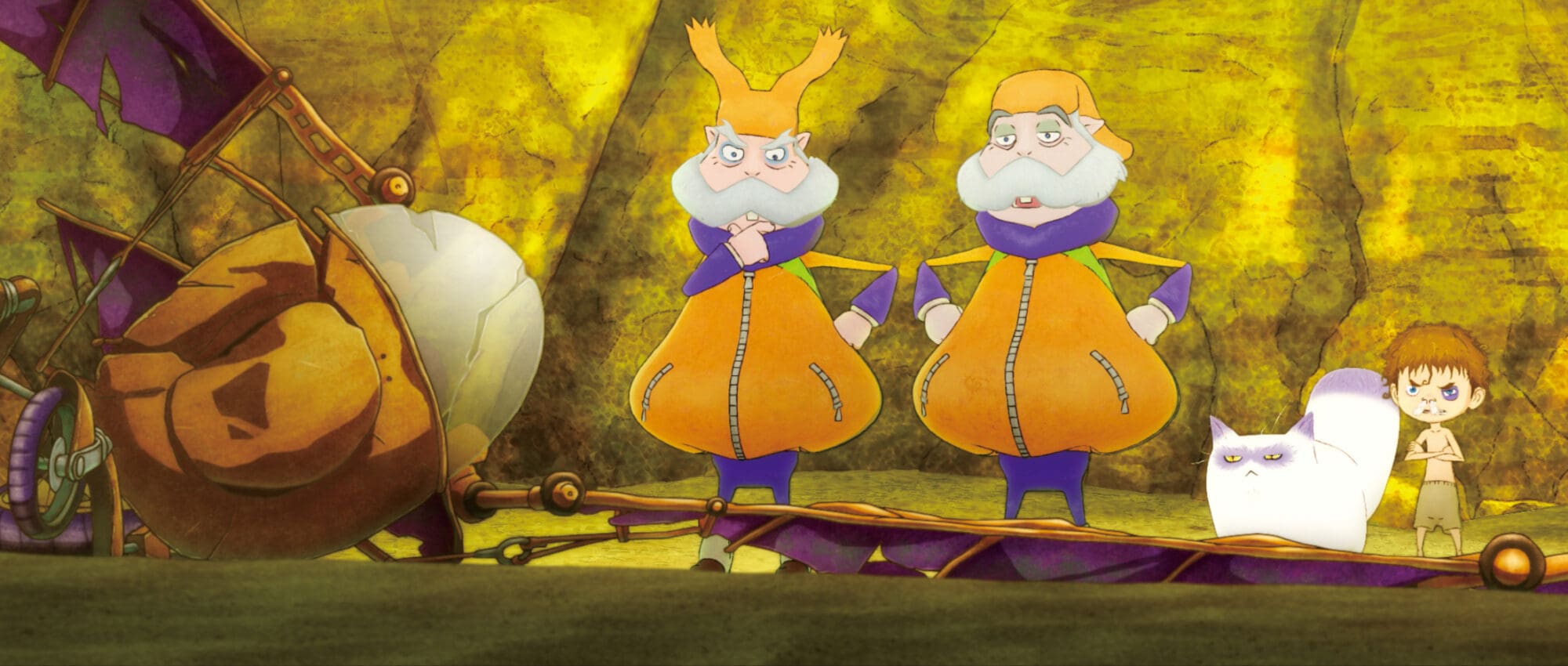
Technically, the film is a tour de force of "limited animation" techniques applied to a 3D pipeline. While 99% of the characters are constructed as 3D CG models, the visual output is indistinguishable from high-end 2D animation thanks to complex toon shading and a traditional compositing workflow. This approach allows for the dynamic camera movements of 3D while retaining the iconic "line and silhouette" priority that defines the Japanese anime aesthetic.

Chronology: From First Steps to Technical Mastery
The path to Frozen in Time began in 2020 with the release of the original Poupelle of Chimney Town. At the time, it was Studio 4°C’s first foray into a full 3D CG feature. Despite being a technical debut, the film was a critical and commercial success, praised for its "Halloween-gothic" aesthetic and heartwarming narrative.
Shortly after the first film’s release, Akihiro Nishino approached Studio 4°C producer Eiko Tanaka with the concept for a sequel. Tanaka, recognizing the untapped potential of the world and the technical lessons learned during the first production, tapped Yusuke Hirota to return to the director’s chair.
In the six years between the two Chimney Town films, Studio 4°C did not remain idle. The studio continued to refine its hybrid pipeline through projects like All You Need Is Kill and the experimental ChaO. These intermediate projects served as a laboratory for the techniques that would eventually define Frozen in Time. By the time production began on the sequel, the team had moved past the "trial and error" phase of 3D production, entering a stage of deliberate, stylistic refinement.
Supporting Data: The Technical Architecture of the Thousand-Year Fortress
The visual identity of Frozen in Time is built on a specific set of technical pillars that distinguish it from Western CG features (like those of Pixar or DreamWorks) and traditional 2D anime.
1. The 50/50 Background Split
One of the most striking aspects of the film’s production is the balance of environments. Approximately 50% of the backgrounds are traditional 2D paintings, while the other 50% are 3D models. However, to ensure cohesion, the 3D backgrounds are "painted over" with 2D textures. This prevents the "uncanny valley" effect where 3D characters look out of place against static art.
2. The Layered Compositing Workflow
Unlike standard 3D pipelines where a scene is rendered as a whole, Studio 4°C treats 3D elements like 2D cels. They output separate layers for color, shading, and line art. These are then brought into a compositing suite where they are adjusted frame-by-frame. This "old-school" approach provides the director with granular control over the final image, allowing for the intentional "imperfections" that make hand-drawn art feel organic.
3. Creature Design and the "Imagination Engine"
The creature design in Frozen in Time serves a narrative purpose. Because the Thousand-Year Fortress is a product of Lubicchi’s mind, the designs are intentionally eclectic. Creatures are formed by blending real-world animals with inanimate objects—a visual metaphor for how a child processes information they have heard but never seen. This required the modeling team to create a vast array of unique assets that still felt part of a singular, coherent world.
Official Responses: Insights from Director Yusuke Hirota
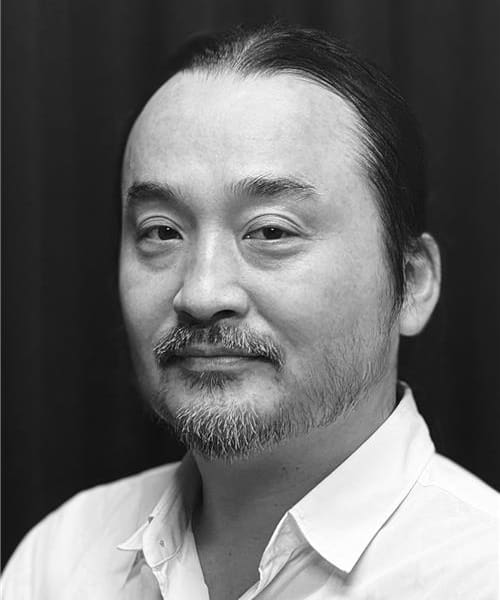
In a series of interviews following the film’s Berlinale premiere, Director Yusuke Hirota shed light on the creative philosophy driving the project. Hirota, who spent 15 years as a CGI Director before stepping into the lead directorial role, views the 3D/2D divide not as a barrier, but as a spectrum.
"For the characters, we consciously prioritized lines and silhouettes over detailed textures," Hirota explained. "This approach shares many commonalities with manga and games. Our goal was to effectively convey movement rather than photorealism."
When asked about the film’s specific influences, Hirota pointed toward the fantasy classics of the 1980s. "The darkly comical mood and Halloween imagery are indispensable to the world of Chimney Town. I find a lot of common ground with the ’80s fantasy films and the world of Tim Burton. We also aimed for the kind of thrilling, edge-of-your-seat sequences found in Hayao Miyazaki’s Ghibli films."
A standout moment in the film is a frantic rooftop chase sequence. Hirota described the complexity of this scene: "After finalizing the layout, we worked on character animation and a falling tile simulation in parallel. Any tiles that physically collided with the characters had to be manually reanimated by hand. It was chaotic, but it succeeded in making the sequence feel visceral."
Ultimately, Hirota sees the film as a message for the modern age. "I made this film to depict the beauty of believing in someone and waiting for them. In a time when technology continues to advance and people pursue convenience and immediacy, the sincerity of the heart is something we need to keep cherishing."
Implications: Studio 4°C and the Future of Hybrid Animation
The success of Chimney Town: Frozen in Time has broader implications for the global animation industry. It serves as a proof-of-concept for a specifically "Japanese" style of 3D CG—one that does not seek to emulate the Western "toy-like" aesthetic, but rather seeks to digitize the heritage of hand-drawn craftsmanship.
The Rise of the "CGI Director"
Hirota’s transition from CGI Director to Feature Film Director signals a shift in how studios view technical leadership. In the past, CGI was often treated as a service department. Now, the technical architects of the 3D pipeline are becoming the primary visionaries, capable of blending technical constraints with artistic intent.
Stylistic Evolution over Uniformity
Studio 4°C’s refusal to stick to a single "house style" is a gamble that appears to be paying off. By allowing each project to dictate its own technical needs—ranging from the flat 2D of ChaO to the deep 3D of Chimney Town—the studio remains agile. This versatility makes them an attractive partner for international co-productions and experimental creators like Akihiro Nishino.
A New Standard for "Limited Animation"
The film demonstrates that the "limited animation" style (using fewer frames to emphasize specific poses and movements) can be successfully translated into 3D. This is a significant breakthrough, as it allows anime studios to utilize the efficiency of 3D assets without losing the rhythmic, expressive timing that fans of the genre expect.
Conclusion
Chimney Town: Frozen in Time is more than a sequel; it is a testament to the endurance of Studio 4°C’s creative spirit. By looking backward at the fantasy films of the 1980s and forward toward the cutting edge of CGI compositing, Yusuke Hirota has created a work that feels both nostalgic and revolutionary. As the film moves from the festival circuit to global screens, it stands as a reminder that even in an era of rapid technological change, the most important element of any story remains the "sincerity of heart" that Lubicchi and Poupelle so vibrantly embody. For Studio 4°C, the journey into the chimney-smoke and beyond is only just beginning.