
The Jameson Raid: A Catalyst for War in Southern Africa
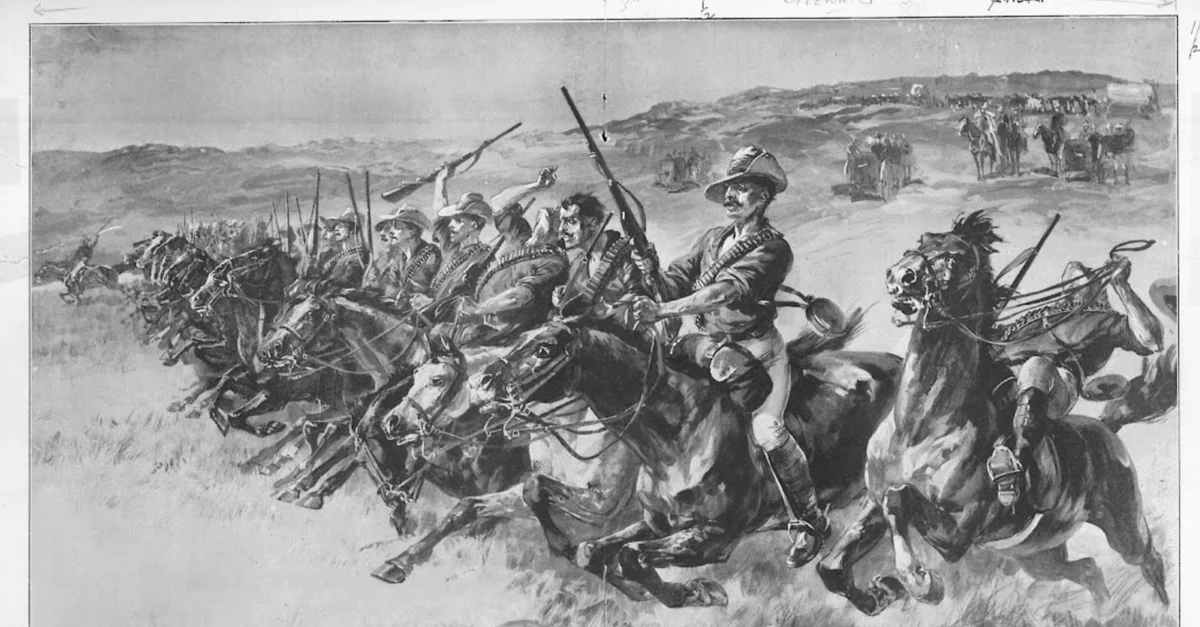
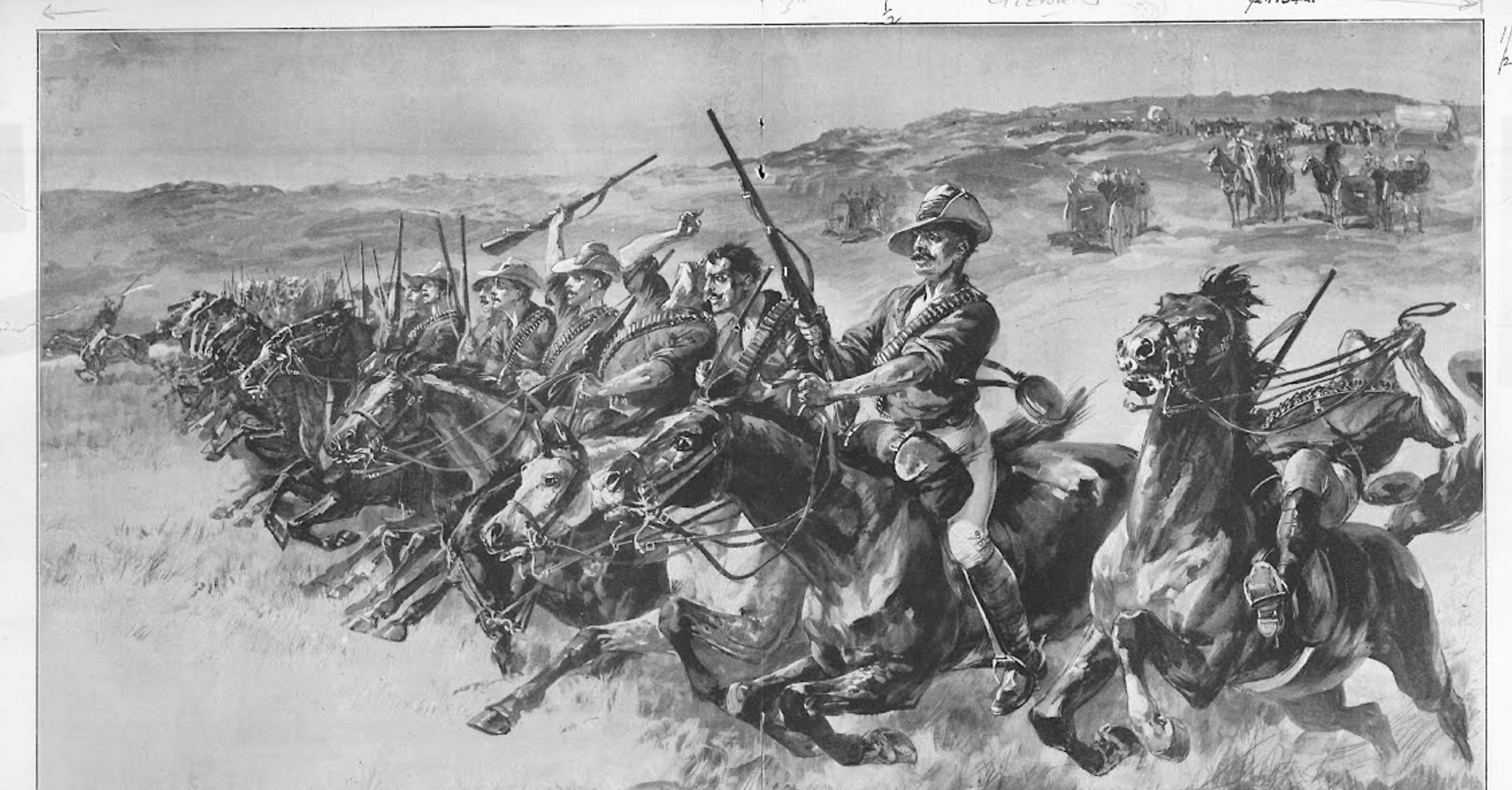
December 1895 marked a pivotal, yet disastrous, turning point in the complex tapestry of Southern African history: the Jameson Raid. This audacious, unofficial, and ultimately failed attempt by British forces to seize control of the Boer Republic of Transvaal was masterminded by the formidable imperialist Cecil Rhodes. Intended to spark an internal uprising among British expatriates, the raid foundered due to a lack of local support and swift Boer resistance. The ensuing fiasco not only severely discredited Rhodes but also plunged Anglo-Boer relations into an abyss of mutual suspicion, irrevocably setting the stage for the devastating Second Anglo-Boer War (1899-1902).
The Imperial Scramble for Southern Africa: A Historical Overview
Britain’s presence in Southern Africa began in earnest in 1806 with the establishment of the Cape Colony. This strategic acquisition, encompassing the vital Cape of Good Hope, served as a crucial maritime crossroads for ships traversing the routes to and from Britain’s vast Asian possessions, particularly British India. By 1843, another British colony, Natal, had been founded, further solidifying the Empire’s foothold. However, British ambitions in the region faced significant challenges, not only from the indigenous African populations but also from the Boers.
The Boers, meaning "farmers" in Dutch, were White settlers predominantly of Dutch and French Huguenot ancestry, who had established themselves in Southern Africa generations prior. They were also known as Afrikaners, speaking their unique language, Afrikaans, a derivative of Dutch. A series of grievances, including the British abolition of slavery in 1833 and mounting demographic pressure on land and resources around the Cape, spurred a significant exodus. Throughout the 1830s, over 14,000 Boers embarked on what became known as the Great Trek, migrating inland to escape British rule and seek new territories. From these newly settled lands, two independent Boer republics emerged: the Transvaal, founded in 1852, and the Orange Free State, established in 1854.
For decades, Southern Africa remained a largely rural frontier, its economy centered on agriculture and modest trade. This tranquil existence was shattered by a series of transformative mineral discoveries. In 1867, diamonds were unearthed at Kimberley in Griqualand, unleashing a diamond rush. Then, in 1886, the even more remarkable discovery of immense gold deposits at Witwatersrand in Transvaal utterly reshaped the region’s destiny.
Between these two pivotal discoveries, Britain had relentlessly pursued its imperial expansion. Griqualand, renamed West Griqualand, was annexed as a Crown Colony in 1871. The powerful Zulu Kingdom was crushed by a British army in 1879, with Zululand becoming a Crown Colony in 1887. Further acquisitions included the Basutoland Protectorate (modern Lesotho) in 1884 and the Bechuanaland Protectorate (modern Botswana) in 1885. Swaziland and Pondoland were later incorporated into Britain’s expanding mosaic of Southern African territories in 1893 and 1894, respectively.
The Dream of Union and the Seeds of Conflict
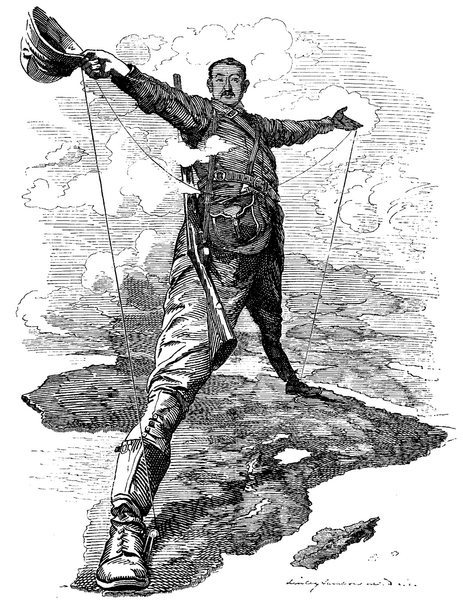
The ultimate ambition of British colonialists, particularly figures like Cecil Rhodes, was to consolidate these disparate colonies and protectorates into a unified, self-governing dominion of South Africa, firmly under the British flag. This vision, often encapsulated by Rhodes’s "Cape to Cairo" dream, was fundamentally at odds with the Boers’ fervent desire to preserve their hard-won independence and unique cultural identity. They harbored deep suspicions of British motives, a sentiment exacerbated by past interventions. Between 1877 and 1881, under the pretext of protecting them from African tribal attacks, the British had temporarily annexed Transvaal. This aggressive move, coupled with disputes over land and resources, ignited the First Anglo-Boer War (1880-1881). Though a relatively small-scale conflict, the Boers, employing guerrilla tactics and superior marksmanship, decisively defeated British forces at Majuba Hill. This victory secured their independence once more, but it also underscored the irreconcilable differences between the two communities and foreshadowed a larger, more decisive conflict.
As Jan Smuts, future Prime Minister of South Africa, famously articulated, "The Jameson Raid was the real declaration of war in the Anglo-Boer conflict." This sentiment highlights the raid’s critical role not just as a failed coup, but as the incendiary spark that ignited the tinderbox of Anglo-Boer rivalry.
The Gold Bugs and Uitlander Grievances
By the late 19th century, the British government found itself in a strategic quandary regarding Southern Africa. One faction favored a patient, "natural" expansion of British influence, believing that a steady influx of British immigrants would eventually dilute Boer power and lead to a peaceful absorption of their republics. Another faction, however, harbored serious concerns that a gold-rich Transvaal might forge alliances with rival colonial powers, notably Germany, thereby threatening British hegemony in the region and its broader imperial interests. The sheer scale of British economic entanglement further complicated matters: by 1899, British investments in Transvaal exceeded a staggering £350 million, with two-thirds of the lucrative Witwatersrand mines owned by British shareholders.
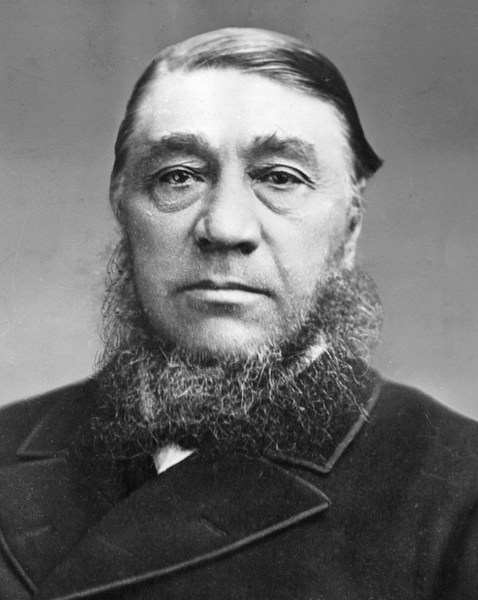
The powerful magnates who owned these gold mines – figures like Julius Wernher, Barney Barnato, Alfred Beit, and most prominently, Cecil Rhodes (1853-1902) – were known to the British as the "Randlords." The President of Transvaal, the stern and uncompromising Paul Kruger (1825-1904), contemptuously dubbed them the "Gold Bugs." These "bugs" were not entirely unified in their approach; some preferred diplomatic pressure and economic leverage, while others, driven by ambition and profit, were prepared to resort to more extreme measures.
The discovery of gold transformed Johannesburg into a boomtown, attracting a diverse international population. By the mid-1890s, its population soared to 100,000. These new White workers, known as Uitlanders ("Outsiders"), were largely British and English-speaking. The Boers, fiercely protective of their cultural identity and political autonomy, viewed the Uitlanders with deep suspicion, fearing they would eventually outnumber and outvote the original inhabitants. To safeguard their privileged position, Kruger’s volksraad (Transvaal legislature) enacted discriminatory laws that severely curtailed Uitlander rights. A particularly contentious law mandated a 14-year residency period before a White immigrant could even qualify to vote in political elections.
These restrictions ignited a firestorm of resentment. The mine magnates chafed under the limitations placed on their highly skilled workforce, arguing that it impeded economic efficiency. The Uitlanders themselves, while contributing significantly to Transvaal’s economy through taxes and obligatory military service, were denied any meaningful political representation. The British colonial authorities in Cape Colony and Natal seized upon this perceived injustice, portraying Kruger’s discrimination against British subjects as a moral justification for intervention, however dubious their true motives.
Beyond political rights, other issues fueled the animosity. Mine owners complained about the Transvaal government’s lax enforcement of alcohol prohibition, claiming that widespread intoxication among Black laborers significantly hampered productivity. More critically, they sought changes to the tax laws, which disproportionately burdened the deeper, more capital-intensive mines favored by the Randlords. Furthermore, the Transvaal government’s monopolies on railway services and dynamite production inflated operating costs, making the already challenging process of extracting gold from low-grade ore even more expensive. These economic grievances, coupled with political disenfranchisement, created a volatile atmosphere ripe for exploitation.
The Takeover Plot: Rhodes’s Grand Scheme
The chief political orchestrator among the mine magnates was Cecil Rhodes, a man whose colossal ambition had seen him rise to Prime Minister of Cape Colony in 1890. Historian M. Corey aptly described Rhodes as "an extravagant, dominating man, given to grandness in his actions, whether it was building a railway bridge across Victoria Falls or entertaining international guests at Groote Schuur, the personal palace he renovated in Dutch colonial style in Cape Town." Driven by a firm, if misguided, belief in European racial superiority, Rhodes’s policies led to the dispossession of vast numbers of Black Africans, laying foundations for generations of racial conflict in Southern Africa. His ultimate vision was a unified British South Africa, and the gold-rich Transvaal was an indispensable piece of that imperial puzzle.
Rhodes initially attempted a more subtle approach, trying to purchase the Transvaal’s only direct railway access to a seaport, Lourenço Marques (modern Maputo), then under Portuguese control. However, Germany intervened, and diplomatic pressure thwarted the sale. Undeterred, Rhodes escalated his efforts, secretly devising a daring plot to overthrow the Transvaal government by force.
The military arm of this audacious scheme was to be provided by Rhodes’s own British South Africa Company (BSAC). Established in 1889 and granted a royal charter, the BSAC was a powerful quasi-state entity with its own armed forces, responsible for colonizing the vast lands north of Transvaal, which would later become Rhodesia (modern Zimbabwe, Zambia, and Malawi). Ironically, these territories, despite Rhodes’s hopes, would not yield the mineral riches found in Transvaal.
Rhodes entrusted the leadership of the military coup to Dr. Leander Starr Jameson (1853-1917), a seasoned colonial administrator, magistrate, and veteran of the BSAC’s campaigns in Matabeleland. Jameson was characterized as "an extremely foxy and belligerent former physician" (James, 261), known for his impulsiveness. The raiding party was deliberately kept small, numbering only 500-600 cavalrymen, primarily BSAC policemen. The plan hinged on the expectation that once Jameson’s force entered Transvaal, it would trigger a widespread uprising among the Uitlanders in Johannesburg, whose Reform Committee had been agitating for greater rights for years. Unbeknownst to many, this committee had been covertly funded by Randlords like Rhodes, Beit, and Wernher, specifically to foment unrest.
Prior to the raid, Colonel Grey of the Bechuanaland police addressed Jameson’s troops, explaining the coup’s objective while emphatically stating that neither Queen Victoria nor the British government had any knowledge of the operation. The men were simply told, "You are going to fight for the supremacy of the British flag in South Africa" (James, 108). The force was well-equipped, each man carrying the new Lee-Metford magazine rifles, supported by eight Maxim machine guns and three artillery pieces – a formidable arsenal for a small, unofficial expedition.
The Raid’s Ill-Fated Execution and Ignominious Defeat
Despite Rhodes’s agents distributing cash incentives and covertly supplying weapons, the anticipated Uitlander uprising in Johannesburg failed to materialize. Communication breakdowns, internal divisions within the Reform Committee, and a general reluctance among the Uitlanders to commit to open rebellion meant the essential component of Rhodes’s plan was missing. Rhodes, aware of the hesitancy, left the final decision to Jameson on whether to proceed. Impulsively, and against better judgment, Jameson decided to press on with the coup regardless.
On December 29, 1895, Jameson’s force crossed into Transvaal from their mustering points at Pitsani and Mafikeng in the Bechuanaland Protectorate. The expedition was planned for speed, aiming to cover the approximately 170 miles (273 km) to Johannesburg in just three days. Sympathizers within Transvaal had prepared food supplies and fresh horses along the route. Despite the emphasis on speed and light equipment, a large keg of brandy and a couple of cases of champagne were inexplicably included in the provisions, perhaps reflecting the adventurers’ misplaced confidence.
However, Jameson’s secrecy was an illusion. The highly effective Transvaal government’s intelligence service was well aware of the impending raid. They had intercepted communications and even discovered one of Jameson’s hidden supply caches. A Boer commando, comprising citizen-soldiers between the ages of 16 and 60, was immediately mobilized from Lichtenburg to intercept the invaders, though they initially missed Jameson’s party. A second, larger commando was swiftly assembled and dispatched towards Krugersdorp, near Johannesburg.
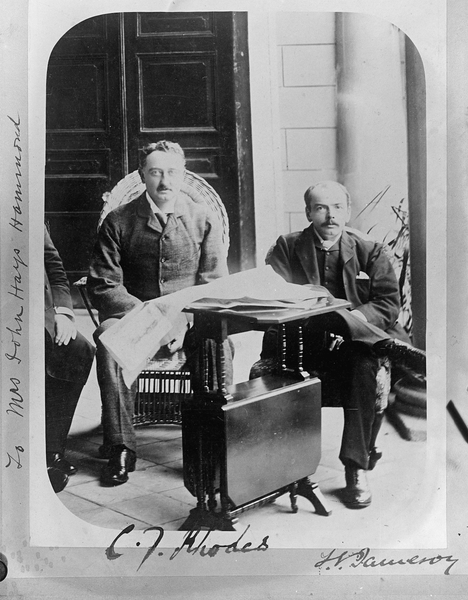
On January 1, 1896, the two forces clashed. The Transvaal commando, led by the formidable General Piet Cronjé, significantly outnumbered Jameson’s column and possessed intimate knowledge of the local terrain. The Boers easily outmaneuvered and defeated the exhausted and surprised raiders. Jameson’s men retreated to the rocky outcrop of Doornkop, hoping to establish a defensive position. However, they soon found themselves critically low on ammunition. When the Boers brought up a heavy field gun to shell their position, Jameson had no choice but to surrender. Sixteen of Jameson’s men were killed, and 56 wounded, while the Boers suffered only a single fatality. The remaining raiders were taken prisoner, and Jameson himself was arrested. The audacious plot had dissolved into a humiliating rout.
Defeat and Dishonour: The Fallout
The immediate aftermath of the raid was a whirlwind of political scandal and international condemnation. Jameson was ultimately transported to England, where he was tried under the Foreign Enlistment Act (a law still applicable today) for enlisting in a foreign army. He was sentenced to 15 months’ imprisonment, a surprisingly lenient punishment that did little lasting harm to his career; remarkably, he was elected Prime Minister of Cape Colony in 1904.
Cecil Rhodes, however, was not so fortunate. His reputation was irrevocably shattered. The British Crown, eager to distance itself from the unsanctioned and embarrassing affair, publicly disowned the raid. Following official inquiries conducted in both Cape Colony and London, which exposed the full extent of his complicity, Rhodes was compelled to resign as Prime Minister of Cape Colony and as director of the British South Africa Company in 1896. While he retained immense wealth and influence, his political authority in the Empire was severely diminished. The raid was a profound personal and political humiliation for the man who epitomized British imperialism.
A Second Boer War: The Inevitable Consequence
The Jameson Raid sent shockwaves across Europe and irrevocably poisoned Anglo-Boer relations. While Colonial Secretary Joseph Chamberlain (1895-1902) is often implicated in stoking hostilities, concrete evidence of his direct involvement in the raid or explicit warmongering against the Boers remains scant. However, his High Commissioner in South Africa, Alfred Milner (1897-1905), played a far more direct and inflammatory role. Historian S. C. Smith notes that Milner, by "manipulating the press in both South Africa and Britain, created a climate of opinion which made compromise difficult" (90). He deliberately escalated tensions, framing Uitlander rights as an unassailable moral imperative and portraying the Boers as an obstacle to progress and British supremacy.
The situation was further exacerbated by Kaiser Wilhelm II of Germany (reigned 1888-1918), who, in a move widely seen as a diplomatic provocation, sent a congratulatory telegram to Paul Kruger, praising the Boers for their successful repulsion of the raid. This "Kruger Telegram" inflamed British public opinion and heightened Anglo-German rivalry, adding another layer of geopolitical complexity to the Southern African crisis.
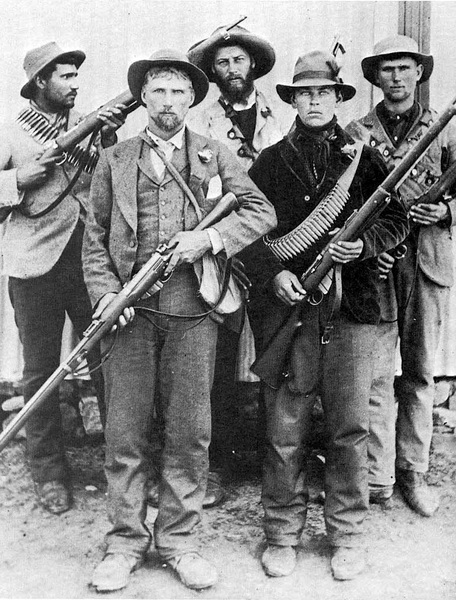
Milner’s confrontational approach was evident at the Bloemfontein Conference in June 1899, convened to discuss Uitlander rights. Milner abruptly terminated the conference, an action that "shattered Boer confidence in British good faith" (Smith, 90). The Transvaal government, its suspicions of British imperialism now fully confirmed by the raid and Milner’s subsequent actions, had already quadrupled its military budget and forged a defensive alliance with the Orange Free State. In the four years following the Jameson Raid, Kruger meticulously rearmed his commandos, acquiring an impressive arsenal of 80,000 of the latest German Mauser rifles and 80 million rounds of ammunition, transforming the Boer republics into formidable military forces.
The stage was set. The diplomatic avenues for peace had been systematically dismantled, and both sides were prepared for war. In October 1899, the inevitable conflict erupted: the Second Anglo-Boer War. As Jan Smuts had presciently declared, the Jameson Raid was indeed the "real declaration of war." Britain eventually emerged victorious in 1902, but at a tremendous cost. The war, characterized by its brutal scorched-earth tactics and the controversial use of civilian concentration camps, severely damaged Britain’s international reputation. In 1910, the two former Boer Republics and the British colonies were formally united into the Union of South Africa, a new entity that, while ostensibly a step towards national unity, would paradoxically lay the groundwork for decades of racial segregation and conflict that would define the region’s future. The Jameson Raid, a brief and failed military adventure, thus stands as a crucial historical hinge, accelerating the forces that reshaped Southern Africa for the entire 20th century.

Leave a Comment