
Unmasking the Shadow: How a Character’s Deepest Fear Fuels Narrative and Drives Transformation
In the intricate tapestry of storytelling, the most compelling characters are not defined by their outward victories or their external adversaries, but by the invisible battles waged within. At the heart of this internal struggle lies a fundamental question that unlocks profound character development: What is your character’s greatest fear? This isn’t merely about a character’s stated desires or the obstacles they face, but rather the primal anxieties that lie dormant, shaping their every decision and explaining why change, when it finally arrives, feels so monumental.
This crucial aspect of character arc has been illuminated by Becca Puglisi, a recognized authority in writing advice and co-author of the acclaimed "The Emotional Thesaurus" series. Puglisi’s insights, as presented in a recent post, offer a practical and systematic approach for writers to delve into the psyche of their creations and unearth these potent fears. By examining a character’s backstory, their patterns of avoidance, the aspects of life they desperately try to control, and even the clandestine secrets they harbor, writers can gain a deeper understanding of their characters’ motivations. This clarity, in turn, enables the creation of organic conflict and fertile ground for character growth.
The Pivotal Role of Fear in Character Development
The essence of a character’s greatest fear is its pervasive influence, permeating every facet of the narrative. It acts as a powerful engine, driving plot progression and shaping character arcs, while simultaneously dictating behavior, dictating choices, and fueling motivation. As Puglisi emphasizes, this fear is not merely a relic of the past; it is an active and integral element of the character’s present story. Identifying and strategically integrating this fear into a novel is paramount. Understanding a character’s deepest anxieties allows writers to meticulously select conflict scenarios that present the most formidable temptations and, consequently, the most potent opportunities for growth.
Whether a writer identifies as a meticulous plotter or an intuitive pantser, pinpointing a character’s greatest fear serves as an invaluable compass during the drafting process. It can preempt the frustrating realization during revision that a fear element feels arbitrary or unearned. Fortunately, deep-seated fears often stem from common wellsprings and are intrinsically linked to other established characterization elements, making their discovery a manageable, albeit insightful, endeavor.
Six Proven Pathways to Uncovering Your Character’s Greatest Fear
To construct narratives that resonate deeply with readers, writers must move beyond superficial character traits and explore the foundational anxieties that drive their fictional beings. Puglisi outlines six accessible methods for unearthing these pivotal fears, providing a framework for building stories around these potent internal struggles.
1. Excavating Backstory: The Roots of Deepest Fears
The most devastating and influential fears are often born from profoundly wounding experiences. Therefore, a primary avenue for discovering a character’s greatest fear lies in a thorough examination of their past traumas. Much like real individuals, fictional characters will have navigated a spectrum of experiences that have left indelible marks. The key is to identify the specific event or series of events that possesses the potential to generate a fear that will ultimately manifest as the most significant internal obstacle within the narrative.
To effectively pinpoint these emotional wounds, writers are encouraged to meticulously explore their character’s history. This exploration should delve into formative periods, particularly childhood, when individuals often lack the requisite life experience, physical resilience, and emotional maturity to effectively protect themselves from harm. Childhood wounds, left unaddressed, have a pernicious tendency to fester over extended periods, potentially manifesting as enduring fears that prove exceptionally difficult to overcome. Examples of such lingering childhood traumas might include instances of severe neglect, abandonment, physical or emotional abuse, or witnessing profound violence.

Furthermore, a crucial connective thread between a character’s trauma and their present state can be found by analyzing their current behaviors and ingrained attitudes. For instance, a character who exhibits excessive subservience or an almost pathological need to please might be traceable to a history of navigating abusive relationships or being raised by overly controlling parents. Every character’s worldview, their attitudes, and their actions are underpinned by a "why." By delving deeply enough into this "why," writers can invariably uncover a past experience and the fear it irrevocably etched into their character’s psyche.
2. The Mirror of Avoidance: What Your Character Runs From
Human nature dictates a natural inclination to steer clear of that which evokes fear. Consequently, a highly effective method for identifying a character’s deep-seated anxieties involves a meticulous analysis of their patterns of avoidance. What situations, people, or even abstract concepts does your character consistently sidestep? Do they actively avoid romantic entanglements, shun professional opportunities that involve public speaking, or deflect conversations about their family history?
By meticulously charting the territories and interactions that prompt an immediate urge for escape in your character, writers can gain invaluable insights into the underlying fears that drive these reactions. Examining the individuals, environments, and subjects that consistently trigger an "escape mode" response can illuminate the specific fears your character is desperately trying to outrun.
3. Triggers and Overreactions: Situations That Ignite Fear
Certain circumstances possess the uncanny ability to trigger profound fear responses in characters, often manifesting in ways that appear disproportionate or unreasonable to an outside observer. These instances of overreaction serve as potent indicators of what a character truly fears at their core.
Consider characters who exhibit extreme reactions to specific stimuli. For example, a character who becomes visibly agitated or aggressive when their competence is questioned might be grappling with a deep-seated fear of inadequacy or failure. Similarly, a character who withdraws and becomes emotionally inaccessible when faced with intimacy could be harboring a profound fear of vulnerability or rejection. If criticism consistently sends a character into a spiral of panic or elicits an aggressive defense mechanism, it is highly probable that criticism itself is a deeply ingrained fear.
4. The Grip of Control: What Your Character Must Master
While some characters may exhibit a pronounced and overt "control freak" tendency, for many, the desperate need to maintain control over specific aspects of their lives is a direct manifestation of an underlying fear. This isn’t about a general desire for order; it’s about a frantic attempt to prevent a perceived catastrophe.
For instance, a character who meticulously micromanages every detail of a project, refusing to delegate or trust others, might be driven by a fear of failure or a fear that things will fall apart if they are not personally overseeing them. A character who constantly seeks reassurance from others about their appearance or their choices might be grappling with a fear of judgment or a deep-seated insecurity about their self-worth. The specific areas where a character exerts an unusually tight grip often serve as a powerful clue to the very thing they dread losing control over.
5. The Veil of Secrecy: What Your Character Hides
A character’s most profound secrets often serve as a direct portal to their deepest fears. The things that characters desperately try to conceal from the world, and sometimes even from themselves, are frequently rooted in emotionally wounding events that reveal their greatest vulnerabilities and anxieties.

A secret about a past mistake or a perceived moral failing could be tied to a fear of judgment, a fear of being ostracized, or a fear of not being good enough. A secret about a hidden desire or a suppressed aspect of their identity might stem from a fear of rejection or a fear of not being accepted for who they truly are. These concealed truths are not merely plot devices; they are often the very embodiment of a character’s deepest dread.
6. The Infinite Canvas of Imagination: Following Your Own Intuition
Writers, by their very nature, are individuals fueled by an insatiable curiosity and an unquenchable thirst for the "what if." This imaginative capacity, this tendency to conjure impossible scenarios and explore hypothetical outcomes, can be an exceptionally rich source for identifying character fears. Fear naturally weaves its way through these imagined landscapes, presenting a veritable goldmine of potential anxieties for your characters.
Moreover, writers can tap into their own personal fears. When a character’s greatest fear resonates with an author’s own internal struggles, it imbues the narrative with a profound sense of authenticity and personal connection. This allows for a safe and cathartic exploration of what truly hurts, both for the writer and, subsequently, for the reader.
The Far-Reaching Implications of Character Fear
It is not an absolute requirement that every minor character within a narrative be burdened by a deep-seated fear. However, for the central figures, the protagonists, and antagonists alike, the presence of such a fear is often what elevates them from mere players in a story to complex, relatable individuals. Once a character’s greatest fear has been identified, the next crucial step is to understand the depth of its roots.
This fear should not remain an abstract concept; it must be woven intricately into the fabric of the character’s relationships, becoming evident in the situations they consistently avoid, and their insecurities should serve as a luminous beacon, guiding the reader toward understanding their motivations. The impact of fear should be palpable throughout a character’s life, permeating their decisions, their reactions, and their very essence. By vividly portraying the pervasive influence of fear, writers can ensure that its weight is felt deeply by the audience, fostering empathy and a profound connection to the character’s journey.
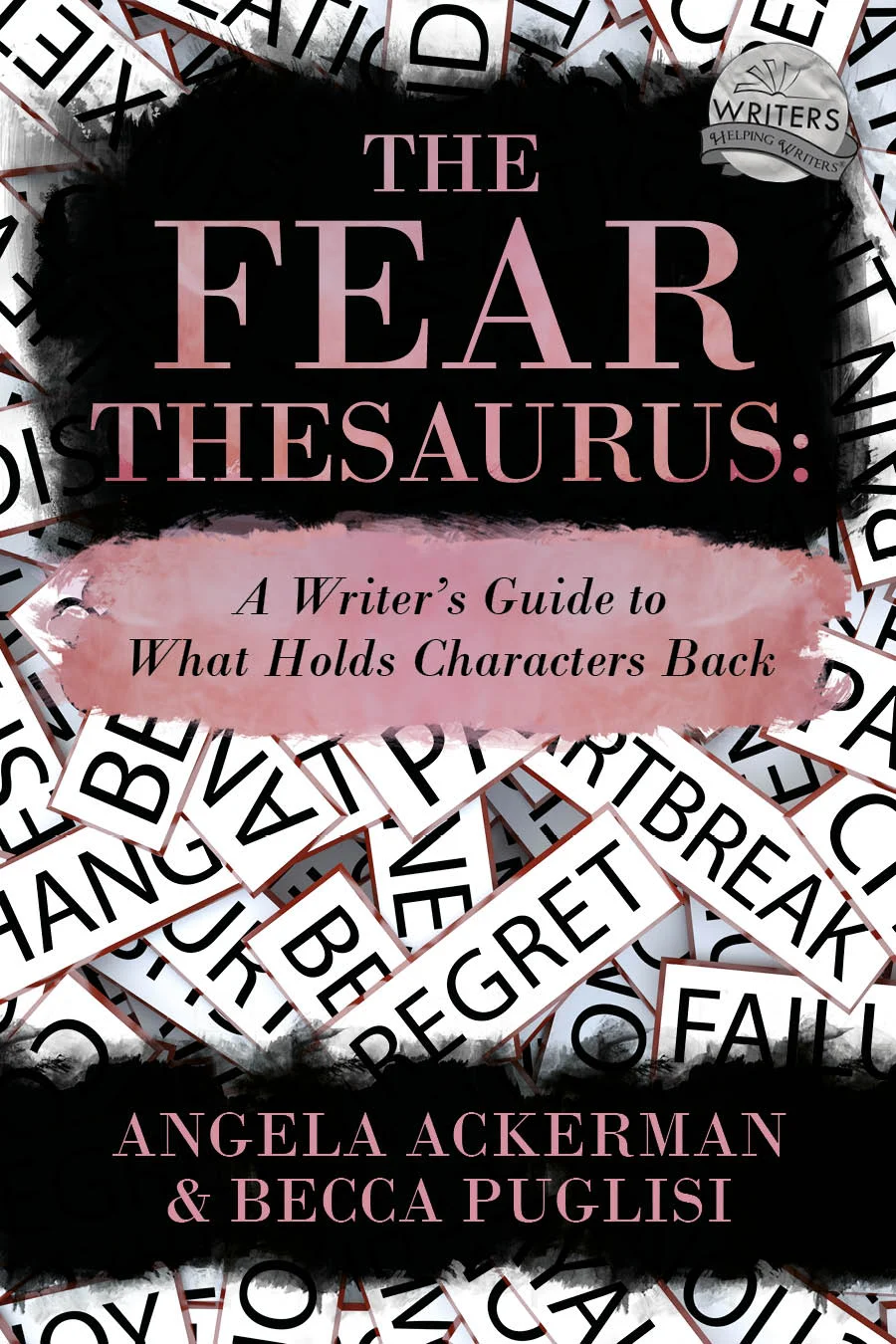
For writers seeking to profoundly understand how a character’s greatest fear can serve as a catalyst for motivation, a source of compelling conflict, and the very engine of their transformation, the work of Angela Ackerman and Becca Puglisi, particularly "The Fear Thesaurus: A Writer’s Guide to What Holds Characters Back," offers an indispensable and comprehensive exploration. This seminal resource delves not only into the specific fears characters might harbor but also illuminates how these anxieties manifest in their daily behaviors, their interpersonal dynamics, and their critical decision-making processes. It dissects the internal turmoil that fear engenders, the flaws that can blossom from a pattern of avoidance, the significant disruptions fear can introduce into a character’s life, and the particular scenarios that possess the highest likelihood of exposing their deepest vulnerabilities. Ultimately, this provides writers with practical, actionable strategies for portraying fear authentically on the page, while simultaneously harnessing it as a powerful tool for crafting meaningful opportunities for growth and profound character transformation.
Wordplayers, the stage is set for your insights. What is the greatest fear that grips your most compelling characters? How does this primal anxiety sculpt their choices, ignite their conflicts, and ultimately define their character arc? Share your thoughts and experiences in the comments below. Let us delve into the shadows and illuminate the power of fear in storytelling.




Leave a Comment