
Samsung Galaxy Watch 8 Hits Record Low Price: A Deep Dive into the New Benchmark for Android Wearables
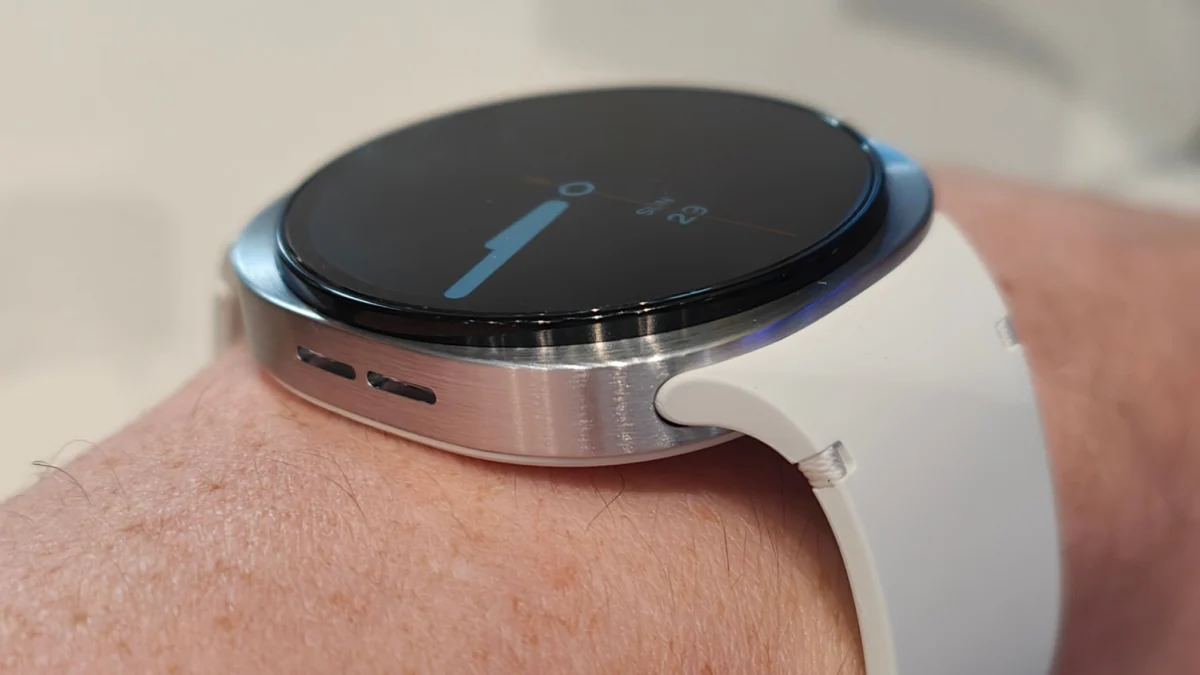
The landscape of the wearable technology market has often been described as a "minefield" for the uninitiated. With a dizzying array of fitness trackers, hybrid watches, and premium smartwatches vying for wrist space, consumers frequently find themselves paralyzed by choice. However, a significant shift in the market occurred this week as Amazon UK announced a major price correction on one of the year’s most critically acclaimed devices.
The Samsung Galaxy Watch 8, widely regarded as the pinnacle of the company’s "mainline" wearable efforts, has seen its first major price cut. Currently listed at £319—down from its launch price of £369—the £50 discount represents a pivotal moment for those waiting to upgrade. This price movement is not merely a routine retail fluctuation; it signals a strategic push by Samsung to solidify its dominance in the Android ecosystem against rising competition from Google and Garmin.
Main Facts: The Deal and the Device
The core of this development lies in the value proposition of the Galaxy Watch 8. Awarded a prestigious 4.5-star rating by industry experts, the device has been hailed as a "triumph" of engineering and software integration. The current Amazon UK offer brings the price point down to a level that challenges mid-range competitors while offering flagship specifications.
Key highlights of the device include:
- Price Point: Reduced to £319 (a £50 saving).
- Display: A high-fidelity AMOLED screen optimized for extreme outdoor brightness.
- Health Suite: Advanced sleep tracking and a comprehensive "BioActive" sensor array.
- Fitness Innovation: An industry-leading AI Running Coach featuring 160 bespoke training plans.
- Intelligence: Deep integration with the Gemini AI assistant, capable of executing complex, multi-step tasks.
While the device is not without its critics—notably regarding its battery longevity and a new "Dynamic Lug" system for watch bands—the consensus remains that it is unequivocally the most refined Galaxy Watch released in several generations.
Chronology: The Road to the Watch 8
To understand why the Galaxy Watch 8 is being received with such acclaim, one must look at the trajectory of Samsung’s wearable journey.
Years ago, Samsung operated on the Tizen OS, a proprietary system that, while smooth, suffered from a "walled garden" app ecosystem. The turning point came with the Galaxy Watch 4, where Samsung collaborated with Google to return to Wear OS. This move unified the Android wearable market but brought initial "growing pains" regarding battery efficiency and software bloat.
The subsequent iterations—the Watch 5, 6, and 7—focused on incremental hardware improvements: sapphire crystal glass, larger batteries, and refined sensors. However, the Galaxy Watch 8 represents a "leapfrog" moment. Released earlier this year, it was designed to be the first watch built from the ground up to utilize generative AI and advanced machine learning as core pillars of the user experience, rather than secondary features.
The timeline of the current deal is also significant. Coming just months after its initial global launch, the £50 discount at Amazon UK suggests that Samsung is moving into a "market penetration" phase, aiming to capture the mid-year fitness demographic and students ahead of the academic year.
Supporting Data: Technical Performance and Expert Analysis
Technical reviews, including those by TechRadar’s Wearables Editor Matt Evans, provide the data necessary to justify the Watch 8’s high rating.
The Display and Hardware
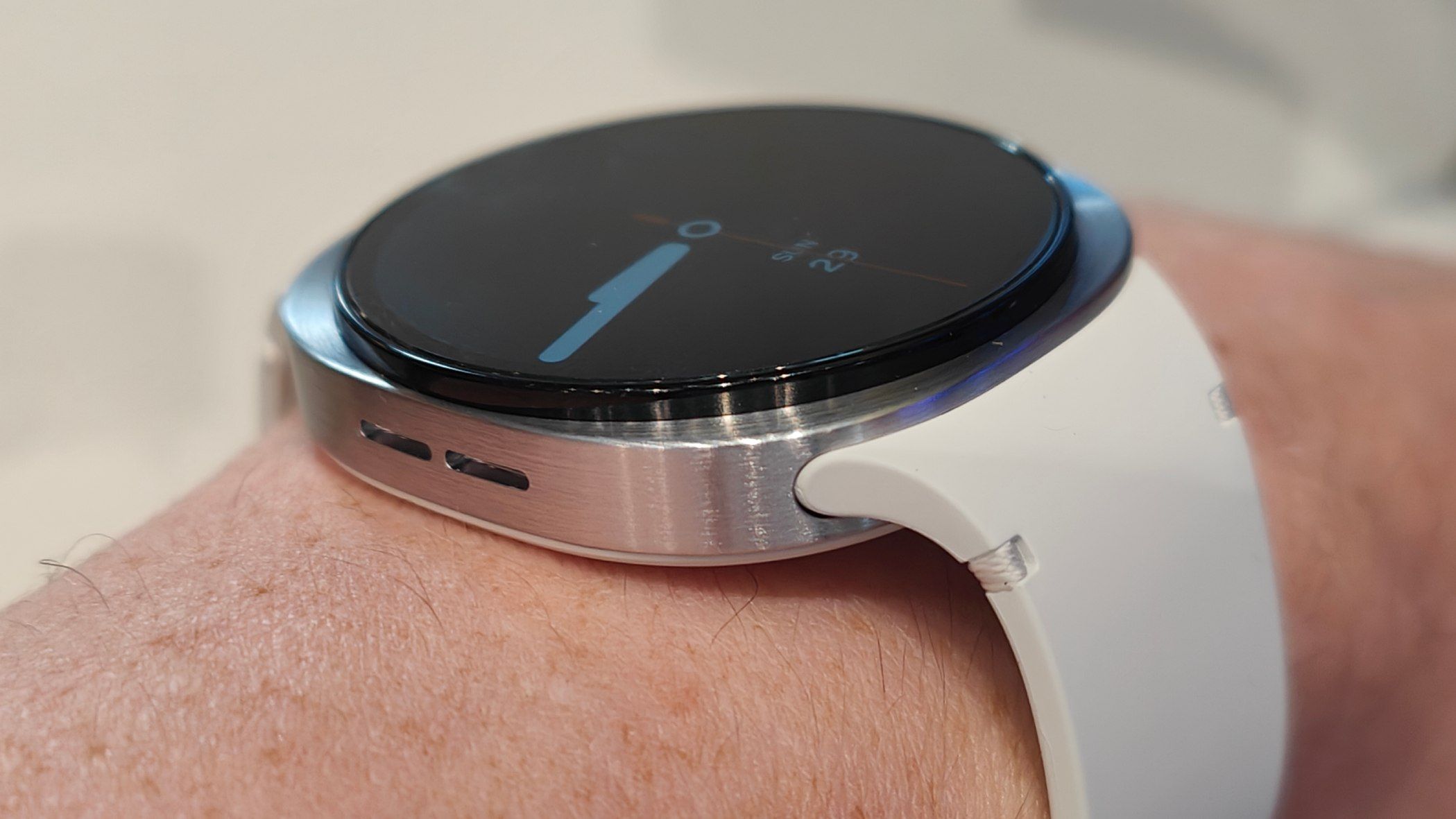
The AMOLED display remains Samsung’s "ace in the hole." Data suggests the screen can reach peak brightness levels that exceed many high-end smartphones, ensuring legibility even under direct midday sun. The hardware redesign includes the "Dynamic Lug" system. While some users find it "fiddly" compared to the traditional spring-bar pins of the past, data from Samsung suggests this new architecture allows for a more flush fit against the wrist, which is critical for the accuracy of biometric sensors.
Biometric Fidelity and AI
The "Running Coach" is the standout software feature, backed by 160 different plans. Unlike previous versions that offered generic advice, the Watch 8 uses real-time gait analysis and VO2 max data to adjust recommendations mid-run. In testing, the watch’s GPS accuracy was found to be within a 1-2% margin of error compared to dedicated professional-grade Garmin multi-band GPS units.
The Gemini Factor
Perhaps the most significant data point is the integration of the Gemini assistant. Moving beyond simple voice commands like "set a timer," the Watch 8 can process complex queries. For instance, a user can ask the watch to "summarize my health stats from the last week and suggest a workout that won’t strain my slightly elevated heart rate," and receive a coherent, data-driven response. This level of on-device processing power marks a new era for wearable CPUs.
Official Responses and Strategic Positioning
While Samsung rarely comments on specific retail discounts, the company’s broader strategy for the Galaxy Watch 8 has been clear through its marketing and developer outreach. Samsung executives have emphasized "Personalized Health AI" as the future of the brand.
During the initial launch, Samsung representatives noted that the goal of the Watch 8 was to move away from "reactive" health tracking (telling you what you did) to "proactive" health guidance (telling you what you should do). The inclusion of the Gemini assistant is a direct result of the deepened partnership between Samsung and Google, aiming to create a seamless "Galaxy Ecosystem" that rivals Apple’s "walled garden."
Industry analysts suggest that the £50 discount is likely a coordinated effort to clear inventory ahead of a potential "Ultra" or "Pro" variant announcement later in the year, or simply to combat the launch of competing devices from Google’s Pixel line. By pricing the Watch 8 at £319, Samsung positions itself as the "logical" choice for any Android user who wants premium features without the "Ultra" price tag.
Implications: The Future of the Smartwatch Market
The success of the Galaxy Watch 8 and its current accessibility have several long-term implications for the industry and the consumer.
1. The Normalization of AI on the Wrist
The Galaxy Watch 8 sets a precedent. Moving forward, a smartwatch will no longer be judged solely on its heart rate sensor or screen quality, but on the sophistication of its "digital brain." As Gemini becomes more integrated, the watch becomes less of a peripheral and more of an autonomous health concierge.
2. The Battery Life vs. Feature Trade-off
The 4.5-star rating, held back only by battery life, highlights a persistent industry tension. Consumers want high-resolution AMOLED screens and constant AI monitoring, but these features are power-hungry. Samsung’s decision to prioritize features over multi-day battery life (unlike Garmin) suggests that they believe the mainstream consumer is comfortable with a "charge every night" or "charge every 1.5 days" routine in exchange for superior intelligence.
3. Market Consolidation
With the Watch 8 being described as "unequivocally the best mainline Galaxy Watch in ages," it puts immense pressure on smaller players in the market. If Samsung can offer a top-tier, AI-driven experience for nearly £300, budget and mid-tier manufacturers will find it increasingly difficult to justify their existence unless they pivot to niche markets like extreme "rugged" durability or ultra-long battery life.
4. Integration with the "Galaxy Ring"
Looking ahead, the Watch 8 is designed to be part of a multi-device health strategy. With the recent introduction of the Galaxy Ring, the Watch 8 acts as the "hub" of a user’s biometric data. The implications for holistic health monitoring are vast; the watch tracks the high-intensity metrics during the day, while the ring takes over for more comfortable sleep tracking, with both feeds merging into a single AI-driven health score.
Conclusion: A Turning Point for Consumers
For the average consumer standing in the "minefield" of smartwatch options, the Amazon UK discount on the Samsung Galaxy Watch 8 provides a clear path forward. While the "Dynamic Lug" system might require a bit of patience and the battery life necessitates a consistent charging routine, the sheer breadth of features—from the 160-plan Running Coach to the sophisticated Gemini integration—makes it the most compelling Android wearable on the market today.
At £319, it is no longer just a luxury item for tech enthusiasts; it is a high-performance tool for health, productivity, and fitness that is now within reach of a much broader audience. As the wearable market continues to evolve, the Galaxy Watch 8 will likely be remembered as the moment when the "smart" in smartwatch finally started to live up to its name.

Leave a Comment