The AI Power Paradox: Surging Data Centers, Rising Bills, and the Battle for the American Power Grid
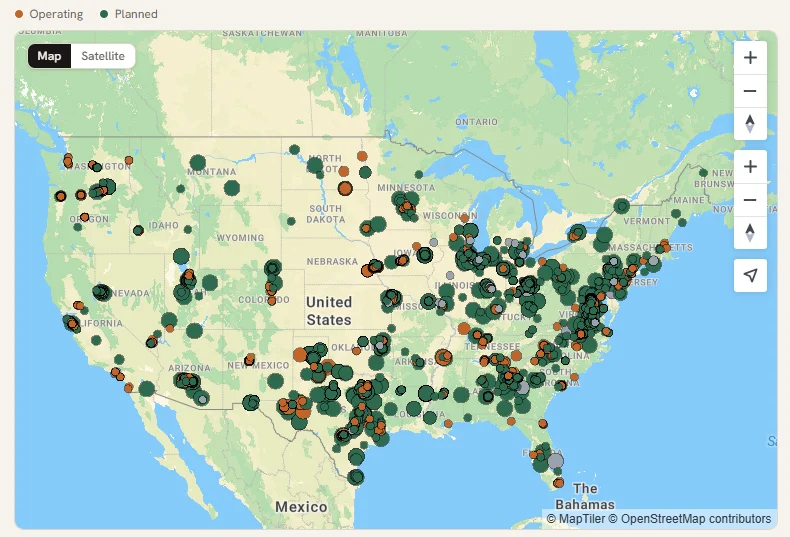
The United States is currently standing at a precarious crossroads where the digital ambitions of the 21st century are colliding with the physical limitations of a 20th-century infrastructure. As artificial intelligence (AI) evolves from a niche technological curiosity into the backbone of the global economy, the energy required to sustain it is reaching unprecedented levels. Recent projections indicate that by 2035, U.S. data centers will consume four times the electricity they do today, accounting for a staggering one-fifth of the nation’s total electricity production.
This looming energy crisis has sparked a high-stakes political and economic tug-of-war. On one side, the federal government and tech giants are scrambling to secure the power needed to win the global AI race. On the other, American consumers and small businesses are facing skyrocketing utility bills as the cost of upgrading the grid and powering massive server farms is passed down to the average ratepayer.
Main Facts: A Grid Under Siege
The fundamental challenge facing the United States is the sheer scale of the energy demand generated by generative AI and large language models. Unlike traditional data processing, AI training and inference require specialized hardware that consumes significantly more power per square foot. According to a new report by BloombergNEF, global AI compute capacity is expected to rise to 200 gigawatts over the next decade.
The concentration of this demand is heavily skewed toward the United States, which remains the global hub for data center development. This growth is not evenly distributed, however. Strategic regions like the PJM Interconnection (covering parts of Virginia and Illinois) and ERCOT in Texas are bearing the brunt of the expansion. In Virginia—often called the "Data Center Capital of the World"—it is projected that 34% of all electricity generated will be diverted to data centers within ten years.
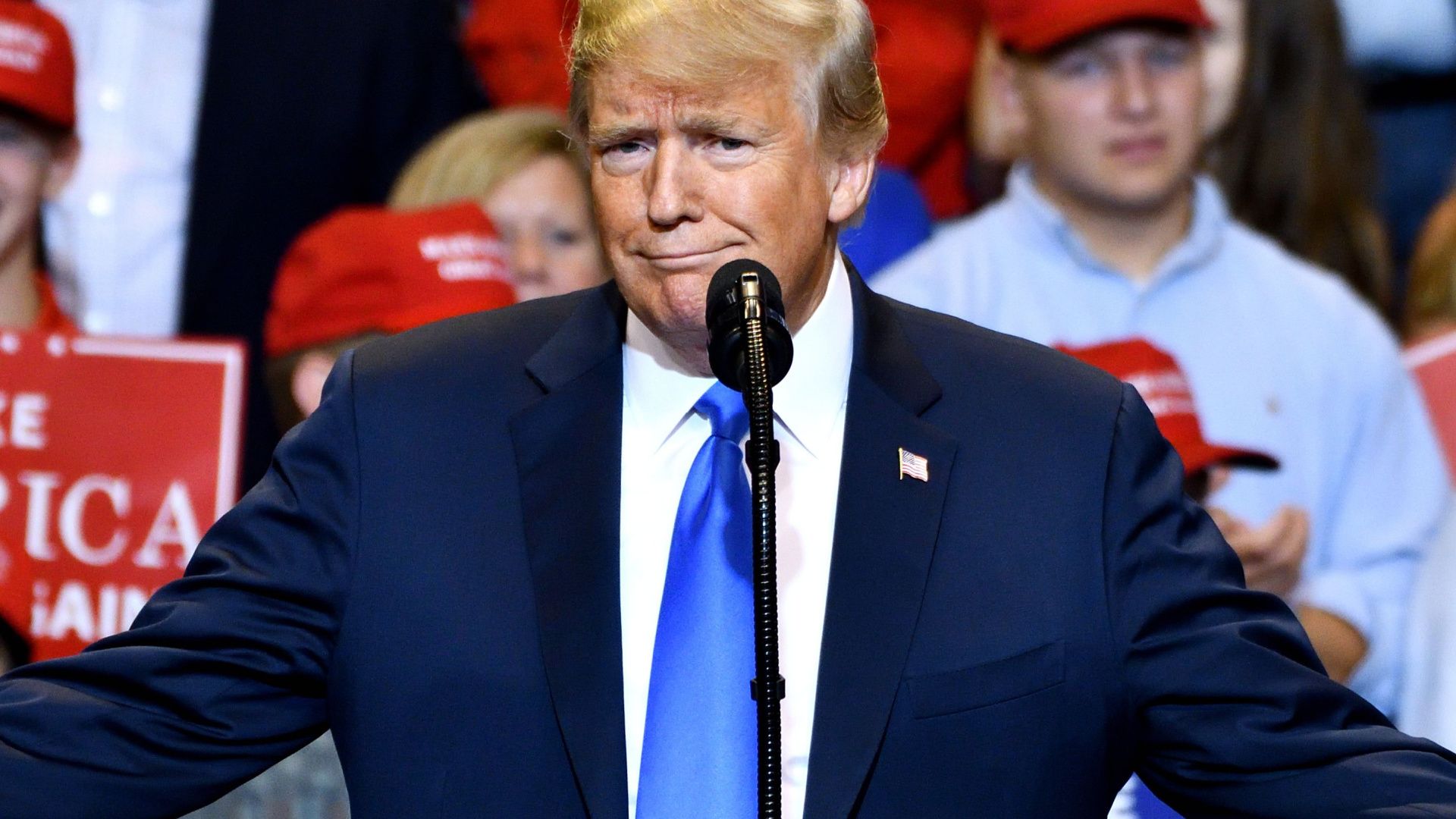
To mitigate public backlash against these rising costs, the Trump administration has introduced the "Ratepayer Protection Pledge." This voluntary commitment, signed by over 200 entities including tech titans like Amazon, Google, Meta, and Microsoft, ostensibly promises that the costs of building new energy infrastructure for AI will not be passed on to residential consumers. However, critics point out that the pledge lacks enforcement mechanisms, and in many states, electricity prices are already surging to record highs.
Chronology: The Road to the 2026 Energy Pivot
The current crisis did not emerge in a vacuum; it is the result of a rapid acceleration in AI development that caught grid operators and regulators off guard.
- Late 2023 – Early 2024: The explosion of ChatGPT and its competitors leads to a massive surge in data center investment. Tech companies begin placing record orders for Nvidia GPUs, which require significantly more cooling and power than traditional CPUs.
- December 2025: BloombergNEF releases an initial report on electricity usage. Within six months, they are forced to revise these estimates upward by 83% as the scale of AI integration into everyday software becomes clearer.
- March 2026: Recognizing the potential for a political "third rail" regarding utility prices, the White House secures signatures from Amazon, Google, Meta, Microsoft, OpenAI, Oracle, and xAI for the Ratepayer Protection Pledge. The companies agree to "build, bring, or buy" their own energy sources.
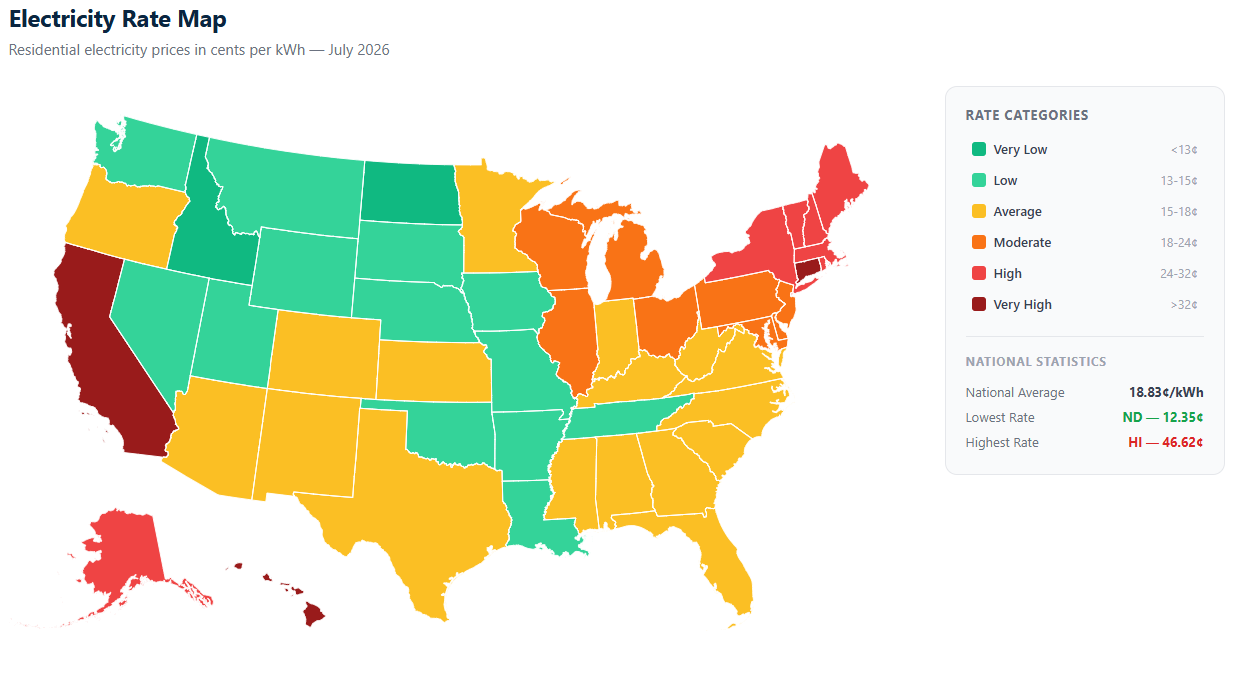
- July 2026: New data reveals that despite the pledge, residential electricity rates have risen by 25% over the previous four years. The strain causes a rift between utilities and grid operators, with American Electric Power (AEP) threatening to leave the PJM interconnection due to a 76% price hike in wholesale markets.
- Present Day: The U.S. government increasingly resorts to eminent domain to seize private land for transmission lines, while a bipartisan group in Congress introduces the "Ratepayer Protection Act" to turn voluntary promises into federal law.
Supporting Data: The Quantitative Reality of the AI Boom
The data supporting the projected energy crunch is both consistent and alarming. The BloombergNEF report highlights that the previous estimates for AI energy consumption were "vastly conservative." The revised figures suggest that the infrastructure needed to support 200 gigawatts of compute will require a total overhaul of the American transmission system.
Currently, the U.S. has 1,214 operating data centers. However, the pipeline for new construction is even larger, with 1,714 projects currently in the planning or construction phases. This represents a more than 140% increase in the physical footprint of the industry.

The economic impact on citizens is already visible in state-level statistics. According to ElectricChoice:
- National Average: Residential electricity rates have increased by 7.4% year-over-year.
- Ohio: A major hub for new data centers, the state has seen a 19.4% spike in prices in just twelve months.
- Broad Trends: 13 U.S. states have reported double-digit increases in electricity costs, while only five states have seen prices remain stable or decrease.
The physical strain is equally daunting. Grid operators are struggling to keep up with "interconnection queues"—the list of new projects waiting to be plugged into the grid. In some regions, the wait time for a new data center to receive a high-voltage connection can exceed seven years, leading tech companies to seek "behind-the-meter" solutions, such as purchasing existing nuclear power plants or building their own natural gas turbines on-site.
Official Responses: Voluntary Pledges vs. Legislative "Teeth"
The political response to this crisis has been bifurcated between executive-led voluntary initiatives and legislative attempts at hard regulation.
The Trump Administration’s Strategy
President Trump’s "Ratepayer Protection Pledge" serves as the primary shield against public dissatisfaction. By encouraging companies to sign a commitment to "build, bring, or buy" their own power, the administration hopes to foster a "self-sustaining" tech ecosystem.
However, the administration’s broader energy policy—often summarized by the slogan "drill, baby, drill"—has created a complex environment for these tech companies. While the administration has expedited applications for new fossil fuel plants, it has simultaneously reduced subsidies and support for clean and renewable energy sources. This is a point of contention for companies like Google and Microsoft, which have corporate mandates to achieve carbon-neutrality. The shift back toward fossil fuels may provide the raw gigawattage needed for AI, but it complicates the environmental ESG (Environmental, Social, and Governance) goals of the very companies the pledge seeks to protect.
The Ratepayer Protection Act
In Congress, a bipartisan coalition has decided that voluntary pledges are insufficient. The "Ratepayer Protection Act" seeks to introduce a "large load standard." This would legally require any entity consuming a massive amount of electricity—specifically AI data centers—to bear the full financial burden of the energy they consume, as well as the costs of any necessary grid upgrades.
"The American people should not be footing the bill for the benefit of private companies," proponents of the bill argue. Unlike the voluntary pledge, this Act would give state regulators the power to block utility companies from raising residential rates to fund the substations and transmission lines required by Big Tech.
Implications: A New Era of Energy Geopolitics
The implications of this energy surge extend far beyond the monthly utility bill. We are entering an era where energy availability—not just chip design or software algorithms—will be the primary bottleneck for technological supremacy.
The Infrastructure Conflict
The use of eminent domain to seize private property for transmission lines is creating a new localized political conflict. Landowners in rural Virginia, Ohio, and Texas are finding themselves at odds with a federal government that views data center construction as a matter of national security. This "land for power" trade-off is likely to lead to protracted legal battles that could slow the very buildout the government seeks to accelerate.
The Reliability Gap
As data centers claim a larger share of the "base load" (the minimum amount of electricity a grid must provide), the margin for error during extreme weather events shrinks. If a grid is diverted to 34% data center usage, a heatwave or winter storm could force grid operators to choose between keeping the servers running or keeping homes heated. This "reliability gap" is forcing a re-evaluation of how the U.S. manages its energy reserves.
The Economic Burden
Perhaps the most significant implication is the potential for an "energy-driven" inflation. If electricity prices continue to rise at 7% to 20% annually, the cost of manufacturing and services across the entire economy will increase. This creates a paradox where the efficiency gains promised by AI are offset by the rising energy costs required to produce them.
Conclusion
The expansion of AI is an undeniable necessity for American competitiveness on the global stage. However, the BloombergNEF report and the current trajectory of utility pricing suggest that the "hidden cost" of the digital revolution is finally coming due. Whether through Trump’s voluntary pledges or the "large load standards" of the Ratepayer Protection Act, the U.S. must find a way to power the future without bankrupting the present. As data centers prepare to consume 20% of the nation’s power, the struggle for the grid is only just beginning.