
The Unvarnished Truth: Kazuhiko Torishima, Manga’s Enduring Architect, Speaks at Comicon Napoli
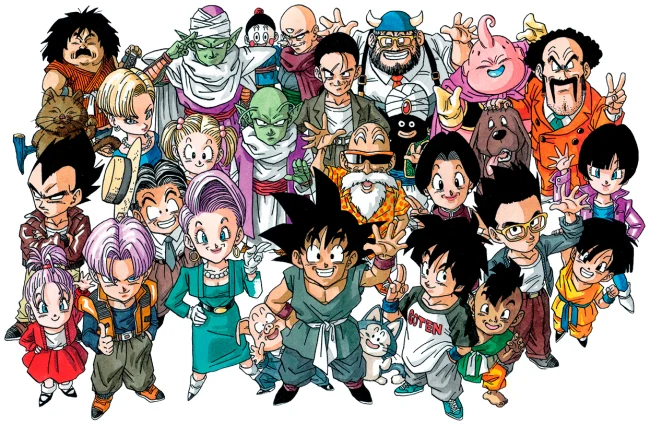
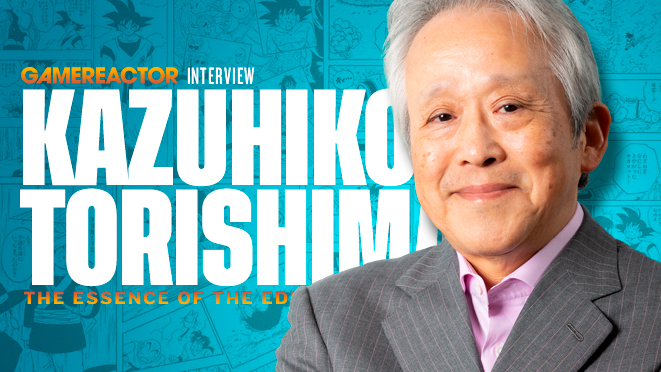
Naples, Italy – In the hallowed halls of the 26th Comicon Napoli, amidst the vibrant tapestry of comic culture, a figure of immense gravity graced the stage and the interview circuits: Kazuhiko Torishima. The legendary manga editor, whose name is inextricably linked with the genesis of global phenomena like Dr. Slump and Dragon Ball, offered a rare and unvarnished glimpse into the philosophy that has shaped his storied career and the manga industry itself. Far from the polished pronouncements of many industry titans, Torishima-san’s insights were as direct, sharp, and insightful as the characters he helped bring to life.
The Essence of the Editor: A Master Strategist in the Creative Crucible
Torishima-san, a veteran of the print era who now navigates the predominantly digital landscape of web magazines, arrived at Comicon Napoli with a reputation preceding him: a man of profound seriousness, yet possessing a disarming wit and a unique, sometimes even complex, perspective. His core conviction, as he articulated it, lies in the fundamental role of an editor: the indispensable conduit connecting creative vision with a receptive audience. "The essence of the editor," he explained, "is to catch first-hand how the audience reacts and try to convey all this message to the mangaka in order to give a direction." This ability to forge connections between artists, production, and the often-elusive business of popular appeal is the bedrock of his enduring success.
It was precisely this unpretentious honesty and his willingness to speak his mind that earned him the deep respect of the late Akira Toriyama, the visionary creator of Dragon Ball. Toriyama-san’s passing two years ago cast a long shadow, but it is in his memory, and perhaps emboldened by his enduring legacy, that Torishima-san has become more inclined to participate in public forums like Comicon Napoli, sharing his wisdom with a new generation and dedicated fans alike.
Navigating the Labyrinth of Success: Beyond the Bingo Card
When pressed about the secret to identifying stories and characters destined for massive success, Torishima-san offered a refreshingly candid admission: "I don’t have an answer!" he declared with a laugh. He likened the pursuit of guaranteed hits to a bingo card, where predicting outcomes in advance would strip the process of its thrill and inherent uncertainty. The true art, he suggested, lies not in preordained success, but in the editor’s astute observation of audience engagement and the skillful translation of those reactions back to the creator. This dynamic, he emphasized, is the very "essence of the editor."
The Toriyama Legacy: A Sanctuary for Childhood’s Struggles
Reflecting on his profound collaboration with Akira Toriyama, Torishima-san illuminated a shared philosophy centered on the primary audience: children. He posited that manga serves as a vital escape and a coping mechanism for young readers grappling with the inherent powerlessness of childhood. "As kids, by definition, they’re powerless human beings, they do have so many problems, they could be sad, they don’t know how to stress out, to get rid of the stresses," he observed.
The editor and the mangaka engaged in lengthy discussions about this very aspect. Torishima-san elaborated on the pressures children face from authority figures – teachers at school and parents at home – and their limited financial means. In this context, manga offers an invaluable portal to an alternative reality, a world of adventure and escape where they can momentarily shed their burdens. "By reading the manga, they can get into another world and have an experience, an adventure, where they can forget any issues, any cause of their stress, and they can really enjoy it," he explained, painting a poignant picture of manga’s therapeutic power. This shared understanding, he revealed, was a cornerstone of their creative partnership.
The Shifting Sands of Manga: A Concern for Accessibility and Future Creators
Beyond the intimate recollections, Torishima-san’s contributions at Comicon Napoli also touched upon broader industry trends. From his panel, it became evident that he harbors concerns about the evolving landscape of manga, specifically its perceived drift towards more mature themes, increased textual density, and escalating production costs. This trend, he fears, could alienate the very demographic that has historically fueled its growth. The disappearance of young readers, he warned, directly imperils the future pipeline of aspiring mangaka, creating a self-defeating cycle.
This concern about accessibility was underscored by his remarks on modern hits like Jujutsu Kaisen, Demon Slayer, Chainsaw Man, and Blue Lock. While acknowledging their popularity, his underlying apprehension about their complexity and potential cost for younger audiences resonated throughout his discourse. Even his reportedly dismissive critique of Dragon Ball Daima as "shit" speaks to a purist’s concern for maintaining the core appeal that once captivated a global youth audience.
The Intertwined Worlds of Manga, Anime, and Video Games: A Delicate Balance
The conversation then shifted to the symbiotic relationship between manga, anime, and video games, particularly in light of the enduring success of the Dragon Quest franchise, which has successfully bridged these mediums. Torishima-san offered a foundational perspective on their distinctions: "manga is something written, you add colour, it becomes anime. And then when you start playing, and by using your hand, you start to move the pieces, then it becomes a game."
While acknowledging the contemporary convenience of accessing all three on a single device, like a smartphone, he cautioned against mistaking this physical proximity for inherent similarity. "The features of each mean, the manga, anime, and the video games, they are totally different," he stressed. This fundamental understanding, he argued, is paramount for creators.
Torishima-san recounted his own experiences contributing to Dragon Quest manga and anime, admitting to a lack of overwhelming success in those ventures. His self-effacing explanation pointed to a failure in fully appreciating and respecting the unique strengths of each medium. "We should have given the main purpose and the main work to a mangaka, an anime producer, and a video game producer, in order to let them do their work," he posited, highlighting the importance of specialized expertise.
The Enduring Power of Editorial Guidance: Shonen Jump’s Golden Age vs. Today’s Market
The question of whether the modern manga industry still affords editors the same latitude and authority to nurture young talent as during the "Golden Age" of Shonen Jump was met with a nuanced response. Torishima-san maintained that the core editorial function has not fundamentally changed. However, he identified a significant shift in the market’s immediate focus: "if a manga is a success, then they start to talk immediately about the anime and the game."
This rapid transition, he reiterated, can be perilous if not handled with careful consideration for the distinct characteristics of each medium. While acknowledging the aspirational goal of creating perfect iterations across all platforms, he advocated for a pragmatic approach. "I think that the main means which is important is the manga. So we have to pour all of our effort into the manga, and then we can aim for half of the success with the anime, and then maybe we might succeed."
He then outlined three crucial elements for success across these interconnected mediums:
- Protagonist Representation: The protagonist must be accurately and compellingly depicted in all adaptations.
- Expert Creation: The best individuals must be selected to spearhead the creation of anime and video games, with clear accountability.
- Avoid Brand-Driven Decisions: Creators should avoid partnering with companies solely based on their fame, emphasizing instead the intrinsic quality of the project.
A Paradoxical Genius: Toriyama’s Reluctance and Oda’s Passion
A particularly fascinating insight emerged from Torishima-san’s panel, contrasting the creative approaches of Akira Toriyama and Eiichiro Oda. Toriyama, he suggested, "hated" manga in a way that paradoxically fueled Dragon Ball‘s extraordinary synthesis of readability and universality. His detachment from the medium, it seems, allowed him to distill its essence into a universally accessible narrative.
In contrast, Oda’s deep-seated love for manga and his own narrative, while enriching One Piece, resulted in a work that is arguably denser and less immediately approachable for younger audiences. This "fascinating paradoxical idea," as the original article notes, posits that Toriyama’s very reluctance became a catalyst for his genius.
The One Piece Rejection: A Bold Admission from a Legendary Editor
When asked about his willingness to have edited modern behemoths like Attack on Titan or One Piece, Torishima-san delivered a bombshell: he had initially rejected One Piece in its manga form during his tenure as chief editor. "You might not know, but when I was the chief editor, I said no to One Piece, to the manga version," he stated emphatically, punctuating his words with a firm rap on the table.
He recounted the intense debate with his staff, who ultimately convinced him to greenlight the project. With a wry smile and a hearty laugh, he confessed, "if I was Eiichiro Oda’s editor, maybe One Piece was never around! Or I would have forged Oda more, and maybe he had worked upon something more than just One Piece!" This candid admission underscores the inherent risks and subjective nature of editorial judgment, even for those at the pinnacle of the industry.
Conclusion: The Unwavering Principles of a Manga Maverick
Kazuhiko Torishima, in his interactions at Comicon Napoli, presented himself as a staunch defender of manga’s fundamental tenets. His approach is characterized by a "brutally candid, old-school, and almost provocatively purist" perspective. He is not merely critical for criticism’s sake; rather, he embodies a seasoned editor’s discipline, wielding a metaphorical red pen to dissect works based on clarity, readability, character function, audience impact, and, crucially, accessibility for children.
His philosophy is rooted in a coherent vision: manga should be economical, character-driven, and approachable, fostering successive generations of both readers and creators. At the 26th Comicon Napoli, it was abundantly clear that Kazuhiko Torishima is not just a participant in the manga world; he is a foundational architect, a legend whose enduring principles continue to shape the very soul of the medium he so profoundly understands. His presence served as a potent reminder that even in an era of rapid digital transformation, the core values of storytelling and the vital role of insightful editorial guidance remain as relevant as ever.


Leave a Comment