Steam Deck Sales Plummet Following Significant Price Hike: A Shift in Handheld PC Market Dynamics?
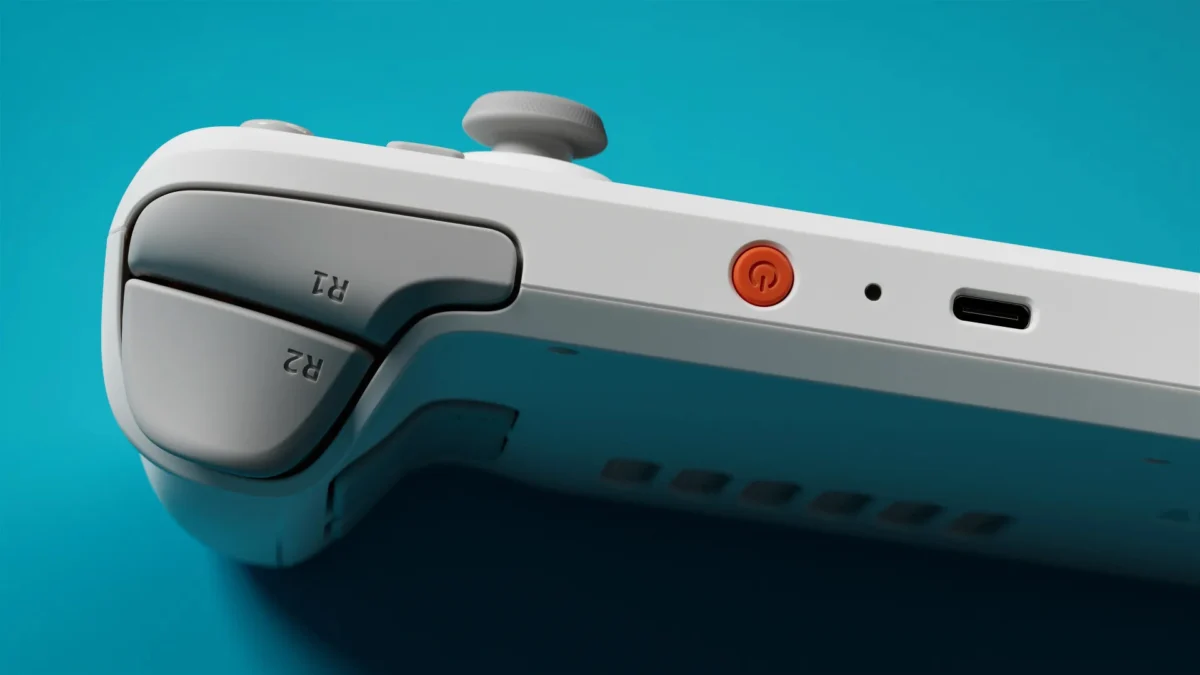
The once-celebrated Steam Deck, a device that promised to democratize PC gaming on the go, has reportedly experienced a dramatic downturn in sales following a substantial price increase. This sharp decline, attributed to escalating component costs and market re-evaluation, raises critical questions about the future trajectory of portable PC gaming and Valve’s strategy in a competitive landscape.
The Inevitable Price Surge and its Immediate Aftermath
The gaming hardware industry has been grappling with a persistent surge in component costs for some time. From graphics processing units (GPUs) to memory modules, manufacturers have faced increased expenses, inevitably leading to higher retail prices. Valve, the creator of the ubiquitous Steam platform and the innovative Steam Deck, was not immune to these market pressures. While the rationale behind the price adjustment – likely driven by the need to maintain profitability and product availability amidst supply chain challenges – is understandable from a business perspective, its impact on consumer willingness to purchase has been stark.
Recent data suggests that the Steam Deck’s once-robust sales have experienced a significant nosedive. A comprehensive report from the independent publication Boiling Steam has unveiled alarming figures, indicating a colossal drop in unit sales following the introduction of the revised pricing strategy. This decline, if accurate, signals a critical turning point for a device that had quickly carved out a niche for itself as a compelling option for PC gamers seeking a portable experience.
A Deep Dive into the Sales Data: Quantifying the Decline
The Boiling Steam report, which meticulously analyzed various data points, paints a concerning picture for the Steam Deck. The investigation drew upon a combination of Steam’s own revenue rankings, estimated average selling prices across different models, and a detailed breakdown of sales distribution for each Steam Deck variant. Crucially, this analysis was cross-referenced with data from the highly reputable SteamDB, a platform that provides extensive statistics and insights into Steam’s ecosystem.
The findings are stark: Steam Deck sales have reportedly fallen by a staggering 82% since the price hikes were implemented. This represents a monumental contraction in demand, suggesting that the price increase has significantly alienated a considerable portion of the consumer base.
Several factors contribute to this sharp decline. The price hike, which reportedly reached as high as 40% in certain regions, has fundamentally altered the Steam Deck’s competitive positioning. In the UK, for instance, the device now commands a price that surpasses that of a PlayStation 5, a well-established and highly popular home console. Furthermore, the top-tier 1TB OLED model of the Steam Deck now sits at a price point that is only a mere £10 less than the premium PlayStation 5 Pro model, creating a difficult value proposition for consumers.
This drastic shift in pricing makes it increasingly challenging for potential buyers to justify the expenditure on a handheld PC. While the Steam Deck offers a unique gateway to a vast PC gaming library on the go, its elevated price now forces consumers to weigh its advantages against more established and potentially more powerful gaming platforms.
The Pre-Price Hike Era: A Golden Age of Portability?
Prior to the price adjustment, the Steam Deck was widely lauded as one of the most compelling offerings in the PC gaming landscape for individuals prioritizing portability. Its innovative integration with SteamOS, Valve’s Linux-based operating system optimized for the device, provided a seamless and familiar experience for existing Steam users. Even if it wasn’t always the most graphically powerful machine on the market, its ability to run a significant portion of a user’s Steam library on a handheld form factor was a game-changer.
The device’s affordability at its original price point was a key differentiator. It offered a relatively accessible entry into the world of portable PC gaming, allowing users to enjoy their favorite titles without being tethered to a desktop or a traditional gaming laptop. This unique combination of features, accessibility, and the sheer breadth of the Steam catalog made it an attractive proposition for a wide range of gamers.
However, the current pricing structure now forces a re-evaluation of this value proposition. When considering a significant outlay of approximately £800 for a handheld PC, consumers are likely to explore alternative options. The market now presents more powerful gaming laptops, dedicated handheld gaming PCs with different operating systems and hardware configurations, or even high-end consoles that offer a different, but often more curated, gaming experience.
A Glimmer of Hope? Or a Matter of Inventory?
Despite the grim sales figures reported by Boiling Steam, there are nuances that warrant further consideration. A glance at the UK version of the Steam Store reveals that the 1TB OLED model of the Steam Deck is currently listed as out of stock. This observation could lead to two distinct interpretations.
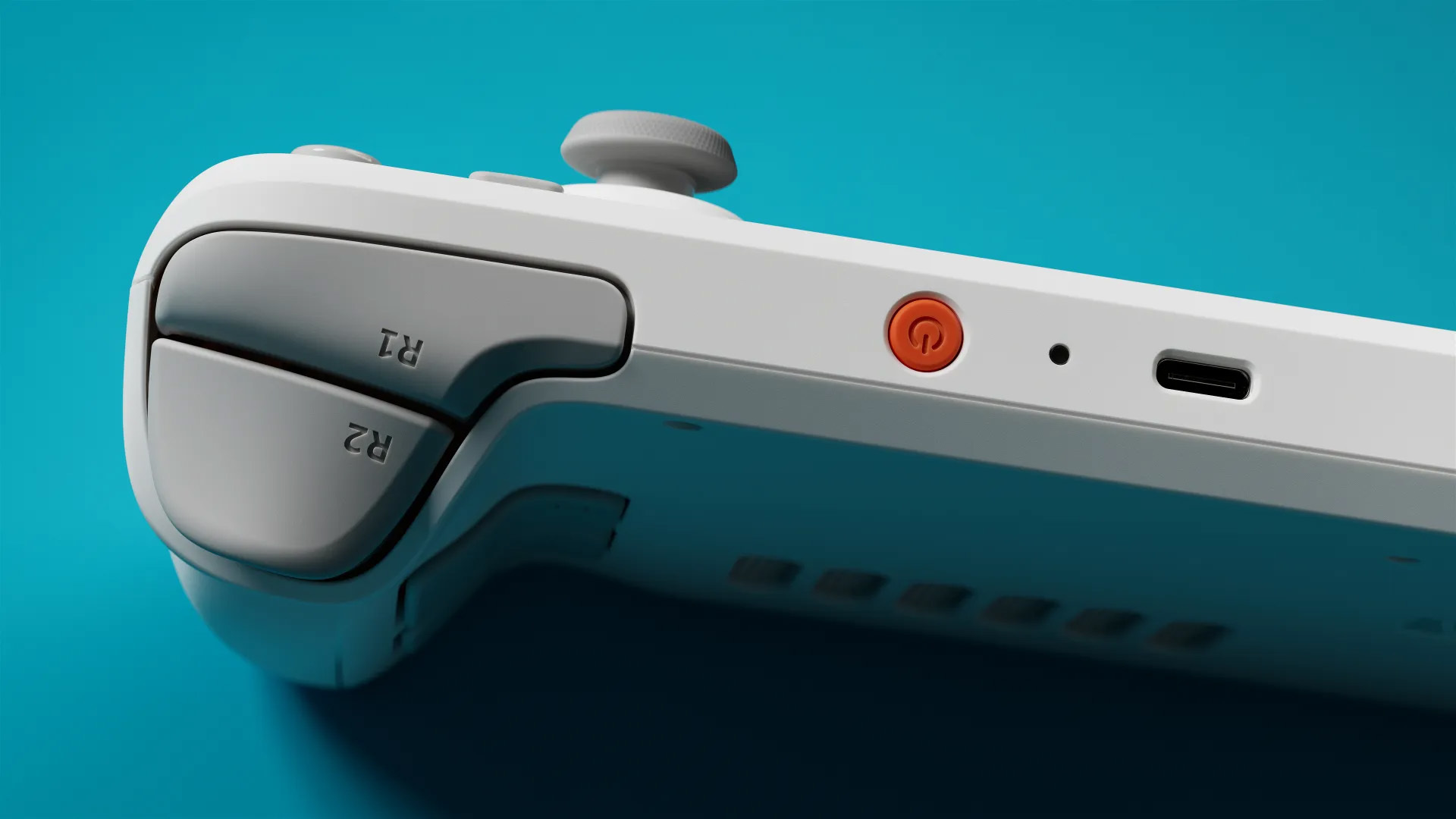
On one hand, it might suggest that the sales figures are not as uniformly disastrous as the broad statistics imply. If a premium model is consistently unavailable, it could indicate sustained demand for that specific configuration, even at the higher price point. This could be attributed to factors such as a strong preference for the OLED display or the larger storage capacity, making it a desirable, albeit expensive, option for a dedicated segment of the market.
Conversely, the out-of-stock status could simply be a reflection of pre-existing low stock levels or a deliberate inventory management strategy by Valve. If the production of the 1TB OLED model was limited to begin with, its unavailability might not be a direct indicator of current sales velocity but rather a consequence of a smaller initial production run. Without more granular data on production volumes and replenishment cycles, it’s difficult to definitively conclude the exact implications of this stock status.
Chronology of Events: The Rise, Fall, and Re-evaluation of the Steam Deck
Early 2022: The Grand Unveiling and Initial Launch: Valve officially announced the Steam Deck in July 2021, with the first units shipping in February 2022. The device was met with widespread excitement and anticipation, positioning itself as a revolutionary step in portable PC gaming. Early reviews and user experiences were largely positive, highlighting its potential and its ability to deliver a true PC gaming experience on the go.
Mid-2022 to Early 2023: Sustained Demand and Market Acceptance: Throughout this period, the Steam Deck garnered significant traction. Its unique selling proposition, coupled with its original, more affordable pricing, contributed to strong sales and a growing community of users. The device proved to be a popular choice for gamers looking to expand their gaming horizons beyond their traditional setups.
Late 2023: The Whispers of Price Adjustments: Reports and speculation began to emerge regarding potential price increases for the Steam Deck. These were often linked to the ongoing global supply chain issues and the rising costs of electronic components that were impacting the wider technology sector.
Early 2024: The Official Price Hike: Valve officially implemented price increases across the Steam Deck lineup. The extent of the increase varied by region and model, but it was substantial enough to noticeably alter the device’s market positioning. This move, while perhaps economically necessary for Valve, was met with considerable consumer concern.
Mid-2024: The Sales Slump Revealed: The Boiling Steam report, released in the wake of the price hikes, presented data suggesting a dramatic and immediate decline in Steam Deck sales, quantifying the drop at an estimated 82%. This report served as a significant indicator of the market’s reaction to the new pricing strategy.
Supporting Data and Market Context: Beyond the 82%
To fully comprehend the implications of the reported sales decline, it’s crucial to place the Steam Deck’s pricing within the broader context of the consumer electronics market.
- Competitor Pricing: As mentioned, the 1TB OLED Steam Deck now competes directly with established consoles like the PlayStation 5 and Xbox Series X. While these consoles offer a curated and optimized gaming experience on a television, the Steam Deck’s appeal lies in its PC compatibility. However, the price parity forces a direct comparison, and for many, the established console ecosystem might appear more appealing or familiar.
- Handheld Gaming PCs: The market for dedicated handheld gaming PCs has also evolved. Devices like the ASUS ROG Ally and the Lenovo Legion Go offer alternative solutions with different hardware configurations, operating systems (often Windows), and varying price points. These competitors provide consumers with more choices and can exert downward pressure on pricing for the entire category.
- Component Cost Fluctuations: The semiconductor industry, a backbone of modern electronics, has experienced significant volatility in recent years. Geopolitical events, manufacturing bottlenecks, and increased demand have all contributed to fluctuating component prices. Valve’s decision to increase prices was likely a direct response to these market realities, aiming to ensure continued production and support for the Steam Deck.
- Consumer Price Sensitivity: The gaming market, while often resilient, is not immune to price sensitivity. A significant price increase on a relatively new product category can deter potential buyers, especially if more established or perceived as more value-for-money alternatives exist.
Official Responses and Future Outlook
As of the current reporting, Valve has not issued an official, detailed statement directly addressing the Boiling Steam report or the specific sales figures. This silence is not uncommon in the industry, as companies often refrain from commenting on specific sales data or third-party analyses.
However, the implications of such a significant sales drop are undoubtedly being analyzed internally at Valve. Several potential strategic responses could be considered:
- Price Adjustments: While the initial price hike was likely driven by necessity, a sustained and dramatic sales decline could prompt Valve to reconsider its pricing strategy. This might involve targeted discounts, bundle offers, or even a partial rollback of the price increase if market conditions allow.
- Product Diversification: Valve could explore offering different Steam Deck configurations at more accessible price points. This might involve less powerful models with smaller storage or LCD screens to cater to a wider range of budgets.
- Software and Ecosystem Enhancements: To bolster the value proposition of the Steam Deck, Valve could focus on further optimizing SteamOS, expanding compatibility with more demanding titles, and enhancing the overall user experience. A more robust and user-friendly software ecosystem could help justify the current price point.
- Marketing and Promotion: A renewed focus on marketing the unique benefits of the Steam Deck, highlighting its versatility and its ability to access a vast library of PC games, could help to re-engage consumers.
- Long-Term Strategy Re-evaluation: The reported sales slump might prompt Valve to conduct a more fundamental re-evaluation of its long-term strategy for the Steam Deck and its place in the evolving handheld gaming market. This could involve investing in next-generation hardware or exploring entirely new product categories.
The future of the Steam Deck hinges on Valve’s ability to navigate these complex market dynamics. While the device carved out a unique and beloved niche, the recent price increase has undeniably presented a significant hurdle. The coming months will be crucial in determining whether the Steam Deck can regain its momentum or if this represents a fundamental shift in its market trajectory. The industry will be watching closely to see how Valve responds to this critical juncture in the evolution of portable PC gaming.