
The Unfolding Tapestry: Navigating Life’s Grand Design and the Whispers of Destiny
The profound human question of our ultimate purpose and the forces that shape our lives has echoed through millennia. Armed with consciousness, we are inherently aware of our finite existence, prompting an introspective quest for meaning that transcends the daily.
This age-old inquiry recently found a contemporary voice during a casual encounter between two dog walkers. As their canine companions engaged in their customary greetings, a philosophical discussion bloomed, touching upon the very essence of human existence and the mysterious currents that guide our journeys. The conversation, sparked by a simple question about the nature of life, delved into the intricate interplay of free will, fate, and the innate moral compass that guides our actions.
The exchange began with a thought-provoking proposition: perhaps life itself is a prolonged period of training, a preparatory phase for a destiny that lies beyond the veil of death, an existence of a more spiritual nature. While the fellow walker expressed uncertainty about such a definitive post-mortem realm, he confessed to a persistent, almost subconscious, inclination towards moral rectitude – a subtle yet powerful persuasion to "do what’s right and do no harm." This internal dialogue, he felt, served as a counterpoint to the ego-driven desires and fleeting sensory pleasures that often define the rhythm of everyday life.
As the skies darkened and a gentle rain began to fall, the philosophical discussion was necessarily curtailed. The weight of the subject matter, it was acknowledged, demanded more than a hurried sidewalk exchange. A promise was made to revisit the topic, to unravel the psychological significance of this inherent internal judgment, this "inner voice" that weighs our actions against a higher standard. The author, admitting to being somewhat unprepared for such a profound discussion in that moment, felt a keen sense of the personal introspective journeys that had occupied his own thoughts for years.
The Compulsive Philosopher: A Life of Introspection and the Question of Control
The author confesses to a lifelong inclination towards philosophy, a trait that has intensified in the latter half of his life. This has led to a constant internal dialogue, a ceaseless pondering on the extent to which our lives are governed by an irresistible, preordained power – a force we might call destiny. Does this force dictate the very nature of the events that populate our lives, and consequently, the planned or spontaneous actions we undertake, which in turn shape our individual destinies?
Reflecting on personal experience, the author finds it a challenging, yet illuminating, exercise to discern the precise balance between life’s meticulously laid plans and those occurrences that seem to unfold by sheer chance. While recalling major life decisions, often the result of considerable rational deliberation and the careful weighing of pros and cons, proves relatively straightforward, pinpointing moments where no conscious planning occurred – where life was simply left to the whims of fate or luck – proves far more elusive. This introspection highlights the inherent difficulty in disentangling the threads of agency from the fabric of what appears to be predetermined.
The Duality of Being: Biological Imperatives and the Spiritual Compass
In grappling with the concept of personal destiny, the author posits that a crucial aspect of human existence must be introduced: the intuitive influence of what is often referred to as the human spirit. This is not merely a nebulous concept, but a force that inspires an awareness of ultimate moral good, a driving force behind our conscious moral reasoning. In essence, the author suggests that we navigate life as a duality, existing as both a biological self and a spiritual self.
The biological self, it is argued, is significantly shaped by the unpredictable forces of chance and luck. These are the random occurrences, the fortunate coincidences, and the unfortunate setbacks that punctuate our lives, often beyond our immediate control. Conversely, the spiritual side, the author proposes, reflects the influence of a transcendent force. For millennia, this force has been described by various traditions as the soul, and it is this spiritual essence, with its inherent moral compass, that is ultimately responsible for guiding and shaping our individual destinies. This perspective offers a framework for understanding how seemingly random events can be interwoven with a deeper, more purposeful unfolding of our lives.
A Conundrum of Survival: The Royal Air Force and the Unforeseen Turn
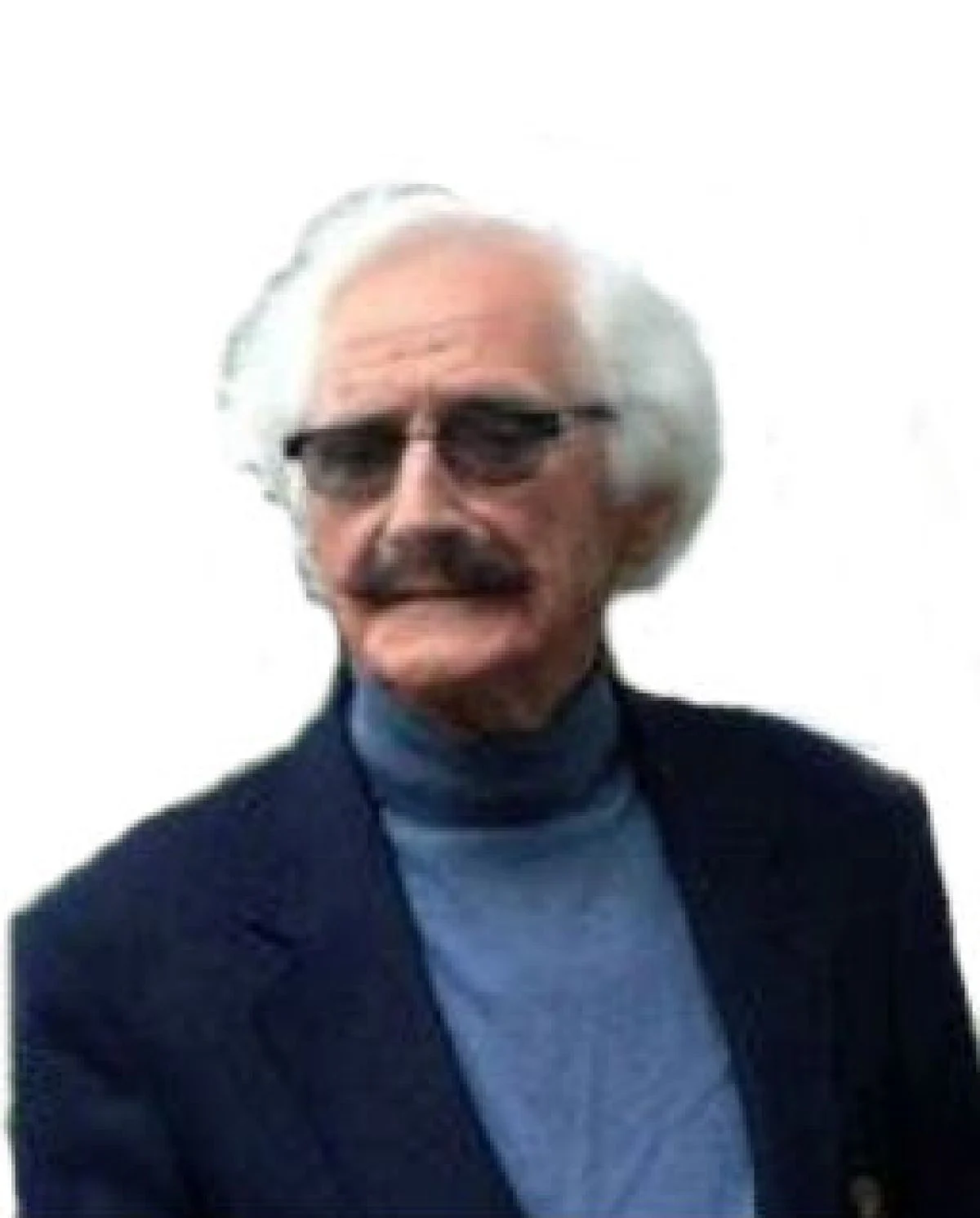
The author offers a compelling personal anecdote that encapsulates this intricate conundrum of luck versus destiny. His service in the Royal Air Force during World War II placed him in an environment of immense peril. Bomber Command, in particular, suffered staggering losses, with approximately 65% of aircraft and crews failing to return. In 1942, a seemingly minor bureaucratic change was implemented: a color vision test for aircrews. The author, unexpectedly, failed this test and was consequently removed from flying duties. This seemingly arbitrary event, a result of a simple medical assessment, directly led to his survival of the war.
This instance raises profound questions. Was his survival a matter of pure chance, a fortunate stroke of luck that plucked him from the jaws of certain death? Or was it an element of destiny at play, a predetermined path that, through an unforeseen intervention, steered him away from a tragic fate? The author’s experience serves as a powerful illustration of how life’s most significant turning points can arise from seemingly insignificant circumstances, leaving us to ponder the invisible threads that weave through our existence.
The Broader Implications: Understanding Human Agency and the Search for Meaning
The personal narrative, while impactful, opens the door to a wider exploration of human agency and the enduring human quest for meaning. The philosophical musings of the dog walker and the author’s reflections touch upon fundamental aspects of human psychology and philosophy that have been debated for centuries.
H2: The Nature of Consciousness and the Awareness of Mortality
At the core of this discussion lies the unique human capacity for consciousness. Unlike other species, we possess an awareness of our own mortality, a profound understanding that our existence is finite. This awareness, while a source of anxiety and existential dread for some, also serves as a powerful catalyst for introspection and the search for meaning. It compels us to ask: what is the purpose of this brief sojourn? What legacy do we leave behind? The very act of contemplating death forces us to confront the value and significance of life itself.
This inherent awareness of mortality can be seen as the genesis of many philosophical and religious traditions. Throughout history, humanity has sought to construct narratives and belief systems that provide solace, meaning, and a sense of continuity beyond the physical realm. Whether through the promise of an afterlife, the pursuit of lasting impact, or the embrace of a spiritual existence, the quest to transcend our mortality is a defining characteristic of the human condition.
H3: The Psychological Underpinnings of Moral Persuasion
The fellow dog walker’s acknowledgment of an internal “persuasion to do what’s right and to do no harm” speaks to the deeply ingrained nature of moral reasoning in human beings. This is not simply a matter of societal conditioning, although external influences undoubtedly play a role. Psychological research has explored the evolutionary and developmental roots of morality, suggesting that humans possess an innate capacity for empathy, fairness, and altruism.
The concept of conscience, as alluded to, can be understood as the internal manifestation of these moral inclinations. It is the voice that whispers in our ear, guiding us towards ethical choices and challenging our more selfish impulses. This internal judgmental response, as the author terms it, is a crucial aspect of our psychological makeup, shaping our interactions with others and contributing to the fabric of society. Understanding the psychological mechanisms behind this moral persuasion is key to comprehending human behavior and the dynamics of ethical decision-making.
H3: The Role of the Ego in Daily Life
The contrast drawn between moral persuasions and “ego-satisfying and sensory appeal” highlights the perpetual tension between our higher ideals and our more immediate desires. The ego, in psychological terms, is the part of the personality that mediates between the id (instinctual drives) and the superego (moral conscience). It seeks to satisfy the id’s desires in realistic ways while also adhering to the superego’s moral guidelines.
However, in the hustle and bustle of everyday life, the allure of ego gratification – the pursuit of status, pleasure, and immediate rewards – can often overshadow the quieter promptings of conscience. This can lead to a disconnect between our actions and our deeply held values, contributing to feelings of guilt, dissatisfaction, and a sense of living inauthentically. The author’s observation underscores the challenge of maintaining an ethical compass amidst the constant barrage of sensory stimuli and social pressures that cater to the ego.
H2: The Interplay of Free Will and Determinism: A Philosophical Tightrope
The author’s lifelong contemplation of whether “some resistless and preordained power we call destiny controls” our lives places him squarely within the age-old philosophical debate of free will versus determinism. This is not merely an abstract academic exercise; it has profound implications for how we understand ourselves, our responsibilities, and the very nature of reality.
H3: Defining Destiny: Predetermined Paths or Guiding Principles?
The concept of destiny itself is multifaceted and open to interpretation. Is it a rigid, unchangeable script that dictates every event? Or is it a more fluid set of guiding principles, a general direction that our lives are meant to take, within which we still possess agency? The author’s exploration suggests a nuanced view, acknowledging the influence of both planned actions and seemingly chance occurrences.
The notion of destiny can be comforting, offering a sense of order and purpose in a chaotic world. It can alleviate the burden of responsibility by suggesting that events are unfolding as they are meant to. However, an overly deterministic view can lead to passivity and a lack of motivation, as individuals may feel that their choices have no real impact.
H3: The Illusion of Choice: Are Our Actions Truly Our Own?
The challenge in discerning how much of our lives has gone “according to plan” versus how much has “just happened” is a testament to the complexity of human agency. We often believe we are making conscious, deliberate choices, but psychological research has revealed that many of our decisions are influenced by subconscious biases, external cues, and even physiological states.
The question of whether our actions are truly our own or predetermined by a complex web of biological, social, and environmental factors remains a subject of ongoing debate. The author’s struggle to recall occasions where he left things to chance, versus meticulously planned events, highlights the human tendency to rationalize and attribute agency to ourselves, even when external forces may have played a significant role.
H3: Embracing Serendipity: The Power of Unplanned Occurrences
While much of our lives may be shaped by our intentions and efforts, the author’s admission of difficulty in recalling unplanned moments underscores the potential significance of serendipity. These are the fortunate accidents, the unexpected discoveries, and the chance encounters that can profoundly alter the course of our lives. Often, it is in these unplanned moments that we find new opportunities, forge unexpected connections, and experience personal growth in ways we could never have anticipated.
The challenge lies in cultivating an openness to these unplanned occurrences. By being too rigidly attached to our plans, we may miss the subtle nudges of fate or the opportunities that lie just beyond our carefully constructed itineraries. Learning to navigate the space between intention and improvisation is crucial for a rich and fulfilling life.
H2: The Dual Nature of the Human Self: A Framework for Understanding
The author’s proposition of living according to the dictates of two selves – a biological self and a spiritual self – offers a compelling framework for understanding the complexities of human motivation and the unfolding of destiny. This dualistic perspective acknowledges both our physical, instinctual nature and our higher, more transcendent aspirations.
H3: The Biological Self: Navigating the Realm of Chance and Luck
The biological self, as described, is largely influenced by the vagaries of chance and luck. This encompasses our genetic predispositions, our upbringing, the environmental factors we are exposed to, and the sheer randomness of life’s events. From the simple act of being born in a particular time and place to the unexpected health challenges we may face, our biological existence is deeply intertwined with forces beyond our immediate control.
This perspective can help us to cultivate a sense of acceptance and resilience in the face of adversity. When we recognize that certain events are influenced by factors outside our direct influence, we can shift our focus from blame and regret to adaptation and problem-solving. Understanding the role of chance in our biological lives can also foster humility and gratitude for the good fortune we experience.
H3: The Spiritual Self: The Soul as the Architect of Destiny
In contrast, the spiritual self is posited as the conduit for a transcendent force, often referred to as the soul. This is the aspect of our being that connects us to something larger than ourselves, that inspires our moral compass and guides us towards what the author terms the “ultimate moral good.” The spiritual self, in this view, is not subject to the whims of chance but is actively involved in shaping our destiny.
This concept resonates with many philosophical and religious traditions that emphasize the soul’s eternal nature and its role in guiding our earthly journey. It suggests that our destiny is not merely a passive unfolding of events but an active process of co-creation, where our spiritual essence plays a pivotal role. The “awareness of the ultimate moral good” that this force inspires can be seen as the driving force behind our choices and actions, leading us towards a purposeful and meaningful existence.
H2: Real-World Conundrums: The Case of World War II and the Color Vision Test
The author’s personal experience serving in the Royal Air Force during World War II provides a poignant and tangible illustration of the intricate interplay between chance, destiny, and individual survival. The stark reality of the war, with its devastating losses, serves as a backdrop against which the seemingly minor intervention of a color vision test takes on profound significance.
H3: The Unpredictable Nature of War and Survival
The statistic that Bomber Command suffered losses of around 65% is a chilling reminder of the inherent dangers faced by those who served. In such a high-stakes environment, where death was a constant companion, the factors that determined survival were often beyond the control of the individual airman. This could include the luck of the draw in terms of mission assignments, the mechanical reliability of the aircraft, the skill of the pilot, and the unpredictable nature of enemy action.
The author’s experience highlights how a single, seemingly insignificant event – failing a color vision test – could dramatically alter his trajectory within this perilous environment. This raises the question of whether this was a purely random occurrence or an instance of destiny intervening to preserve his life.
H3: Luck or Destiny? The Unanswerable Question
The author’s concluding question, “Luck or Destiny?”, encapsulates the enduring mystery that surrounds such life-altering events. It is virtually impossible to definitively attribute his survival solely to luck or destiny. Luck implies a random, uncaused event, while destiny suggests a predetermined plan.
Perhaps the truth lies in a more complex synthesis. It is possible that destiny sets a general course, but the specific path is navigated through a series of fortunate or unfortunate occurrences – luck. The author’s survival might be viewed as a testament to the intricate weaving of these forces. His inherent qualities, his service, and the circumstances of the war all played a role, but the specific intervention of the color vision test, a seemingly random event, was the pivot point.
This personal anecdote serves as a powerful reminder that our lives are often shaped by a confluence of factors that defy simple categorization. It encourages us to contemplate the profound mysteries of existence and to acknowledge the limitations of our understanding when it comes to the grand design of our lives. The ongoing dialogue initiated by this chance encounter between dog walkers, and echoed in the author’s introspective reflections, continues to underscore the enduring human quest to comprehend our place in the vast tapestry of life and the forces that guide our journey.


Leave a Comment