
Dust and Redemption: Reevaluating the Forgotten Western Gems of the 1980s
Main Facts: The Resilience of the Frontier Narrative
In the landscape of television history, the 1980s is often characterized by the rise of the high-glitz soap opera, the gritty urban police procedural, and the neon-soaked aesthetics of synth-pop culture. To many cultural historians, the Western—once the undisputed king of the airwaves during the 1950s and ’60s—had effectively ridden off into the sunset. However, a closer examination of the decade’s broadcasting archives reveals a different story. While the genre was no longer the dominant force it once was, the 1980s served as a critical period of experimentation and refinement for the Western.
During this decade, the genre transitioned from the simplistic "white hat vs. black hat" tropes of the mid-century into more nuanced, revisionist, and sometimes experimental territory. While "Little House on the Prairie" bridged the gap into the early ’80s and "Lonesome Dove" (1989) redefined the miniseries format, several other ambitious projects fell through the cracks of collective memory. These forgotten series—ranging from Australian biographical epics to time-traveling genre-mashups—offered high production values, complex character studies, and a level of grit that prefigured the modern "Prestige TV" Westerns like Yellowstone or 1883.
Today, as streaming platforms scramble to find the next great frontier story, these five forgotten 1980s Westerns stand out as essential viewing that remains remarkably relevant to contemporary audiences.
Chronology: The Evolution of the 80s Western
The trajectory of the Western in the 1980s can be viewed in three distinct phases.
The Early Decade (1980–1983) was defined by the "Revival Attempt." Networks attempted to capitalize on nostalgia by bringing back icons like James Garner in Bret Maverick or exploring international frontier histories like Australia’s The Last Outlaw.
The Mid-Decade (1984–1987) saw the "Genre-Bending" phase. As traditional Westerns struggled to capture younger demographics, producers began blending the frontier setting with other popular 80s tropes. This led to "The A-Team in the West" vibes of Wildside and the high-concept science fiction elements of Outlaws.
The Late Decade (1988–1989) marked the "Proto-Modern" era. Shows like Bordertown began to adopt the procedural structures that would dominate 90s television, focusing on international relations and more grounded, episodic storytelling that paved the way for the massive success of the Lonesome Dove miniseries at the decade’s close.
Supporting Data: Five Essential Re-Discoveries
1. The Last Outlaw (1980) – The Australian Bushranger Epic
While the American Wild West is the genre’s spiritual home, the Australian Outback offered a parallel frontier experience that was arguably more brutal. The Last Outlaw, a four-part miniseries produced by the Seven Network, provides what many historians consider the definitive portrayal of Ned Kelly.
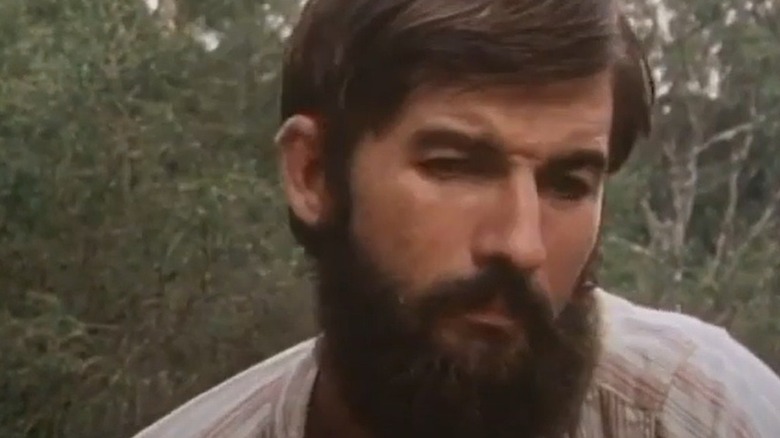
Starring John Jarratt—decades before he became a horror icon in Wolf Creek—the series eschews the romanticized "Robin Hood" myth often associated with Kelly. Instead, it offers a meticulously researched look at the socio-political tensions between poor Irish selectors and the colonial Victorian police force.
- Why it holds up: The series features a level of historical authenticity rarely seen in 80s television. The climax, featuring the infamous Glenrowan shootout where Kelly dons his homemade iron plate armor, is filmed with a visceral intensity that rivals modern cinema. It explores themes of systemic oppression and the making of a folk hero through trauma rather than glory.
2. Bret Maverick (1981) – The Return of the Reluctant Gambler
James Garner’s Maverick was a cornerstone of 1950s television, known for its wit and its lead character’s preference for talking (or gambling) his way out of trouble rather than shooting. In 1981, NBC attempted to catch lightning in a bottle twice with Bret Maverick.
The show finds an older Maverick finally "settling down" in Sweetwater, Arizona, where he wins a saloon in a poker game. The drama stems from his uneasy partnership with the town’s former sheriff, Tom Guthrie (played by country singer Ed Bruce).
- Why it holds up: The show succeeds because it embraces the "Old Man Maverick" persona. It isn’t just a retread; it’s a study of a legendary character trying to adapt to a world that is becoming increasingly civilized and less tolerant of his grifts. Garner’s effortless charisma remains the gold standard for Western protagonists.
3. Wildside (1985) – The High-Octane Ensemble
If The Last Outlaw was about history, Wildside was about pure, unadulterated entertainment. Airing on ABC, the show felt like a spiritual cousin to The A-Team. It featured a group of elite gunslingers who had gone "legit" in a California town, only to be forced back into action to protect their community.
The series is notable for its early-career appearance by Meg Ryan, who played Cally Oak, the local newspaper editor. The show’s central hook was the "Chamber of Commerce" of Wildside—a group of professionals who were secretly a lethal tactical unit.
- Why it holds up: Wildside utilized a unique "multi-angle" filming style for its action sequences that was ahead of its time. It’s a "popcorn" Western that prioritizes pacing and chemistry. While it only lasted six episodes, its influence can be seen in the ensemble-driven Westerns of the 1990s like The Magnificent Seven TV series.
4. Outlaws (1986) – The Weird Western Pioneer
Perhaps the most daring experiment of the decade was CBS’s Outlaws. The premise was wild: a 19th-century sheriff and a gang of outlaws are caught in a mystical lightning storm during a shootout and transported to 1986 Houston, Texas. To survive in the modern world, they form a private detective agency.
The cast was a powerhouse of character actors, including Rod Taylor, Richard Roundtree, and Charles Napier. The show functioned as a "fish-out-of-water" comedy and a gritty crime drama simultaneously.
- Why it holds up: Before Justified or Longmire brought Western sensibilities to modern crime-fighting, Outlaws explored the clash of codes between the Old West and the modern legal system. It remains a cult classic for its refusal to play the premise for cheap laughs, instead focusing on the honor bound by men out of time.
5. Bordertown (1989) – The International Procedural
As the 80s drew to a close, Bordertown arrived as a co-production between Canadian, American, and French entities. Set in the town of Pemmican, which is bisected by the 49th parallel, the show followed a Canadian North-West Mounted Police officer and a U.S. Marshal who were forced to share jurisdiction.
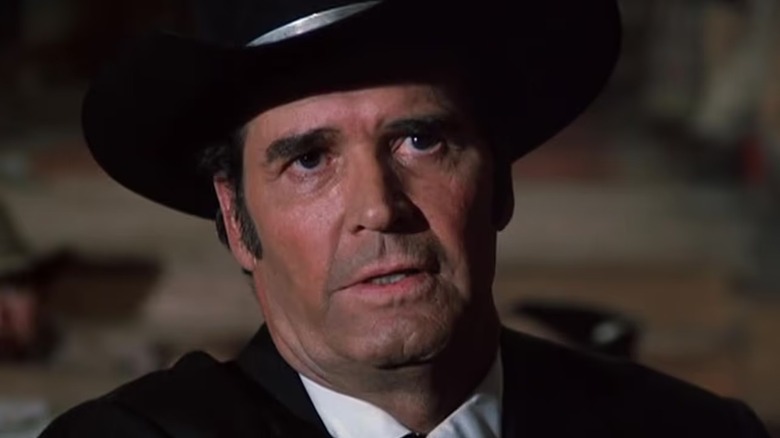
- Why it holds up: The show’s strength lies in the cultural friction between its two leads—the methodical, law-abiding Clive Bennett and the more impulsive, "shoot-first" Jack Craddock. It was one of the first Westerns to give significant weight to the differences in national identity and law enforcement philosophy on the frontier. With 78 episodes, it developed a rich supporting cast and a lived-in world that feels like a precursor to Deadwood.
Official Responses and Critical Reception: Why Were They Forgotten?
The primary reason many of these shows vanished from the public consciousness was the volatile nature of 1980s network programming.
Network Competition: During the mid-80s, the "Big Three" (ABC, CBS, NBC) were terrified of the rising "fourth network" (Fox) and the expansion of cable. Shows like Wildside and Outlaws were often placed in "death slots" against massive hits like The Cosby Show or Cheers. When they didn’t produce immediate blockbuster ratings, they were cancelled before they could build a loyal audience.
Critical Bias: Television critics of the era often viewed the Western as an "antiquated" genre. Reviews from the mid-80s frequently dismissed these shows as being out of step with the "sophisticated" urban dramas like Hill Street Blues. Consequently, these series lacked the "awards bait" status that kept shows like Lonesome Dove in the conversation.
Syndication Hurdles: Unlike long-running sitcoms, short-lived series like Bret Maverick (18 episodes) or Wildside (6 episodes) did not have enough content to enter the lucrative world of daily syndication, which was the primary way audiences "rediscovered" shows before the DVD and streaming eras.
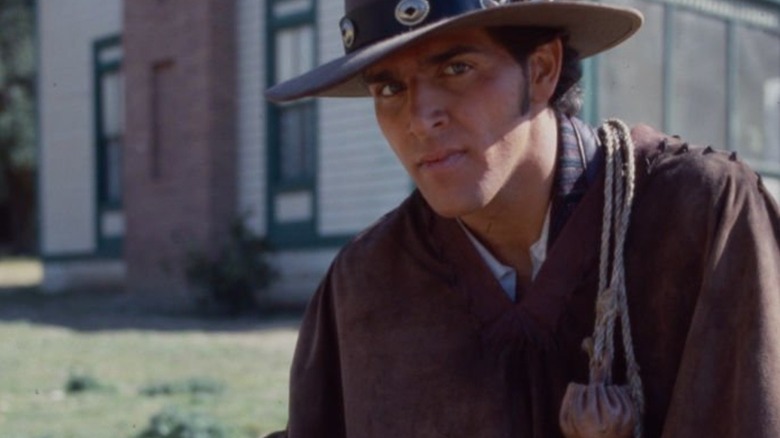
Implications: The Legacy of the 80s Western
The "forgotten" Westerns of the 1980s represent a bridge between the classic era and the revisionist modern era. Their survival—now often via niche streaming services or fan-led digital archives—proves that the appetite for frontier storytelling never truly died; it simply evolved.
The Rise of the Neo-Western: The experimentation seen in Outlaws and Bordertown directly paved the way for the "Neo-Western" movement. The idea that a Western is defined by a "code of ethics" rather than just a "horse and a hat" is a theme that dominates modern hits like Wind River or No Country for Old Men.
International Perspective: The Last Outlaw and Bordertown helped globalize the genre, proving that frontier stories were not exclusive to the American Southwest. This opened the door for contemporary international Westerns like The English or The Nightingale.
A Masterclass in Character: For modern screenwriters, these 80s shows offer a masterclass in how to revive a legacy character (as seen in Bret Maverick) or how to build an ensemble with distinct moral compasses.
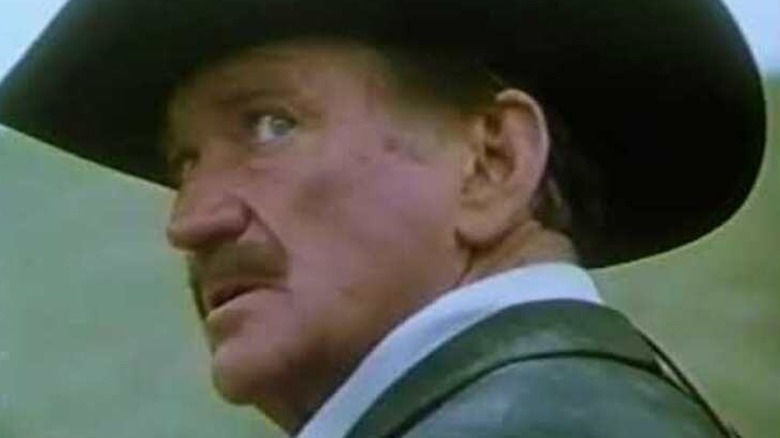
In conclusion, while the 1980s may not have been the Western’s most famous decade, it was arguably its most inventive. For fans of the genre, looking back at these five series isn’t just an exercise in nostalgia—it’s a discovery of the DNA that makes today’s television frontier so compelling. These shows didn’t just hold up; they held the line until the world was ready for the Western to return to its throne.


Leave a Comment