
The Uncanny Allure of the Polygon: How PS1 Nostalgia Fuels Modern Horror with "Grease Trap ’99"
By Alan Wen
In the ever-evolving landscape of video game development, where photorealism and cutting-edge graphics often dominate the discourse, a compelling counter-current is emerging. A growing number of developers are deliberately eschewing the hyper-realistic for a distinctively lo-fi aesthetic, drawing inspiration from the foundational era of 3D gaming. James Muirhead, a seasoned game developer with experience on projects like the Family Guy-themed kart racer Warped Kart Racers and the high-fidelity cinematic Mafia: The Old Country, is one such innovator. His latest solo venture, "Grease Trap ’99," is a testament to the enduring power and surprising suitability of the original PlayStation’s signature visual style for the horror genre.
While Muirhead’s first console was a hand-me-down PlayStation, he readily admits that his childhood interactions with it were more about fuzzy, fleeting impressions than deep gameplay engagement. “I was too young to really enjoy anything on it,” he explains. “It’s all these fuzzy memories of being a five-year-old and having this console in the house and the visuals of it.” Yet, it is precisely these "fuzzy memories" – the early 3D era’s low-poly models, the distinctive texture warping, and the unique visual artifacts born from the PlayStation’s hardware limitations – that have coalesced into a potent aesthetic for "Grease Trap ’99." This visual language transcends mere nostalgia, appealing to a broad audience, from those who experienced it firsthand in the ’90s to a new generation discovering its peculiar charm.
The Resurgence of the PS1 Aesthetic: More Than Just Nostalgia
The appeal of retro PlayStation graphics is multifaceted. For many, it evokes a powerful sense of nostalgia, a longing for a simpler time and the formative experiences of their youth. However, as Muirhead astutely observes, this nostalgia often walks a fine line with the uncanny. "I love all the games that are using it as a style, and at university I actually wrote a huge dissertation about uncanniness and nostalgia, and how nostalgia as an emotion can very easily slip into uncanniness because they’re both about familiarity and misremembering familiar, homely, comfy things," he elaborates. "I’ve always thought that’s really interesting because PlayStation-style graphics are nostalgic to a lot of people, and I think that nostalgia blends very well with horror."
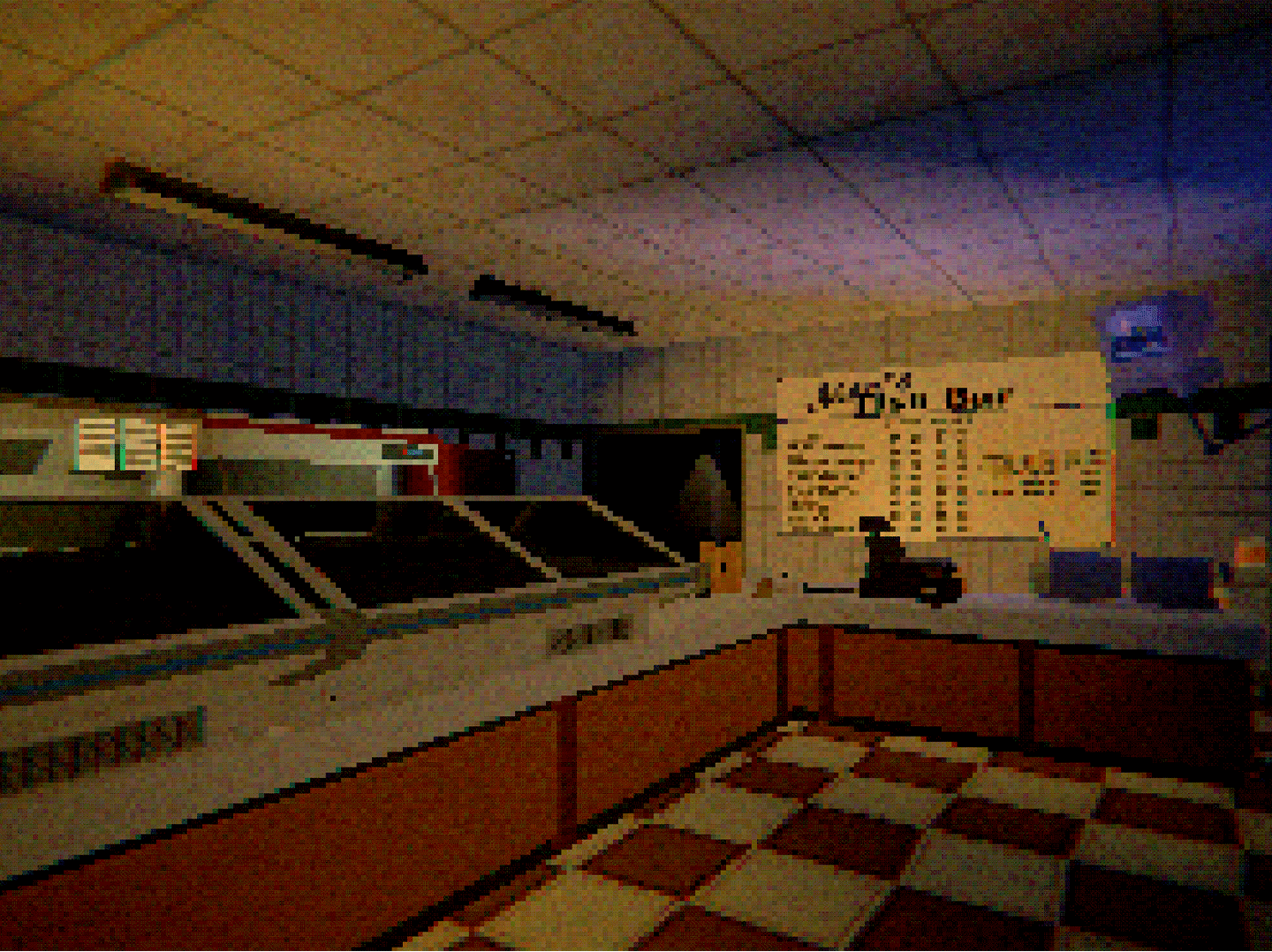
This psychological interplay is key to understanding why this aesthetic is proving so effective in the horror genre. The inherent imperfections and limitations of PS1 graphics, which might have been seen as drawbacks at the time, now contribute to an unsettling atmosphere. The blocky geometry, the low-resolution textures, and the often-jarring animations can create a sense of unease, making familiar environments feel alien and threatening. The very things that made the graphics dated now make them uniquely suited for evoking dread and disorientation.
"Grease Trap ’99": A Scottish Chippy Becomes a Canvas for Horror
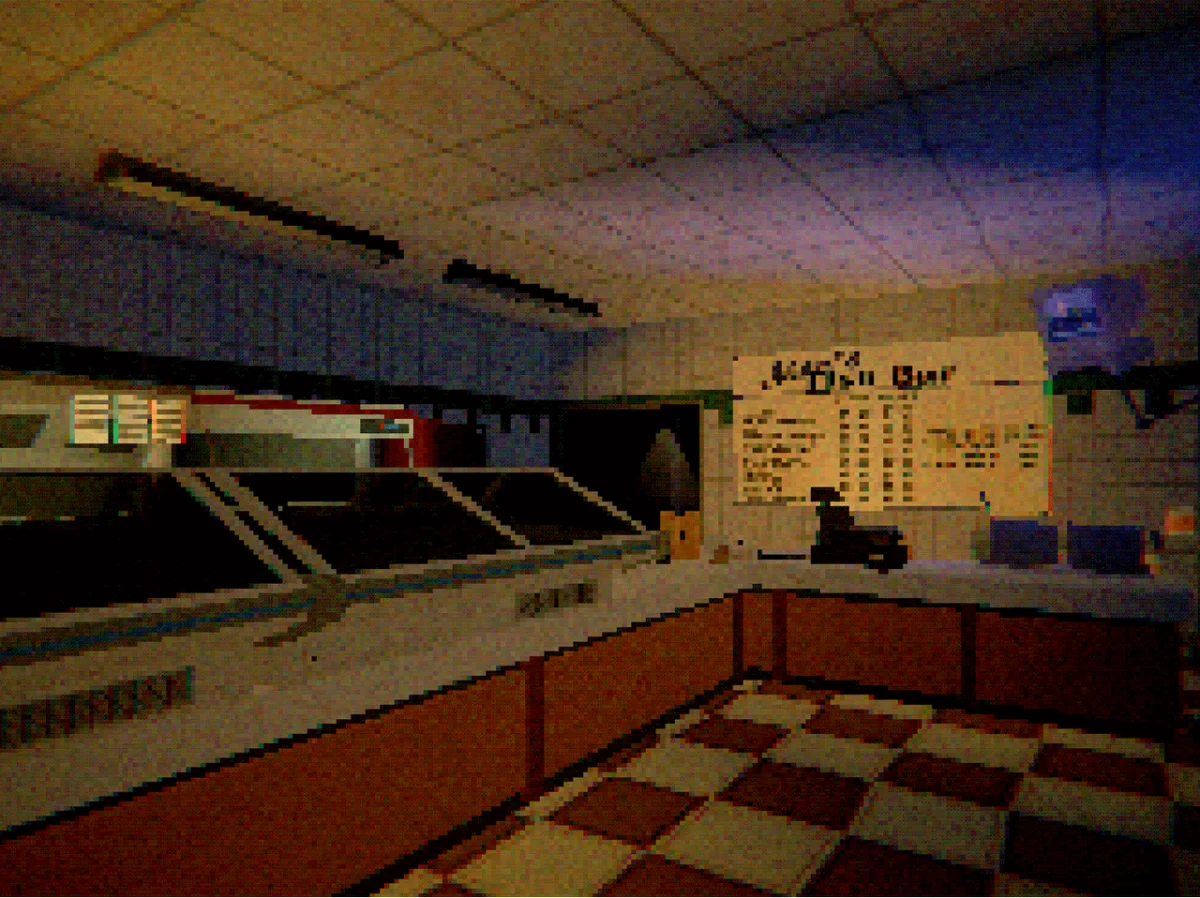
"Grease Trap ’99" is not merely an aesthetic exercise; it’s a narrative-driven mystery-horror game with a comedic twist, set within the confines of a Scottish fish and chip shop. This choice of setting is deeply personal for Muirhead, drawing directly from his own experiences working in such an establishment. This autobiographical element allows for an authentic infusion of detail, inside jokes, and the minutiae of service industry life, all of which can be transformed into engaging gameplay mechanics.
The game’s unique selling proposition extends to its audio design, featuring voice acting in Scottish Gaelic, further grounding it in its cultural context. Muirhead acknowledges the current trend of horror games set in service industry jobs, but his approach is informed by a genuine understanding of the environment. "I feel like there’s a lot of horror games set in jobs in the service industry right now, so it is a bit of a trend that I’m hopping on," he admits. "It’s slightly autobiographical. I can throw in lots of references and jokes that I know from working there, and I just know all the little jobs that you have to do that I can turn into a minigame."
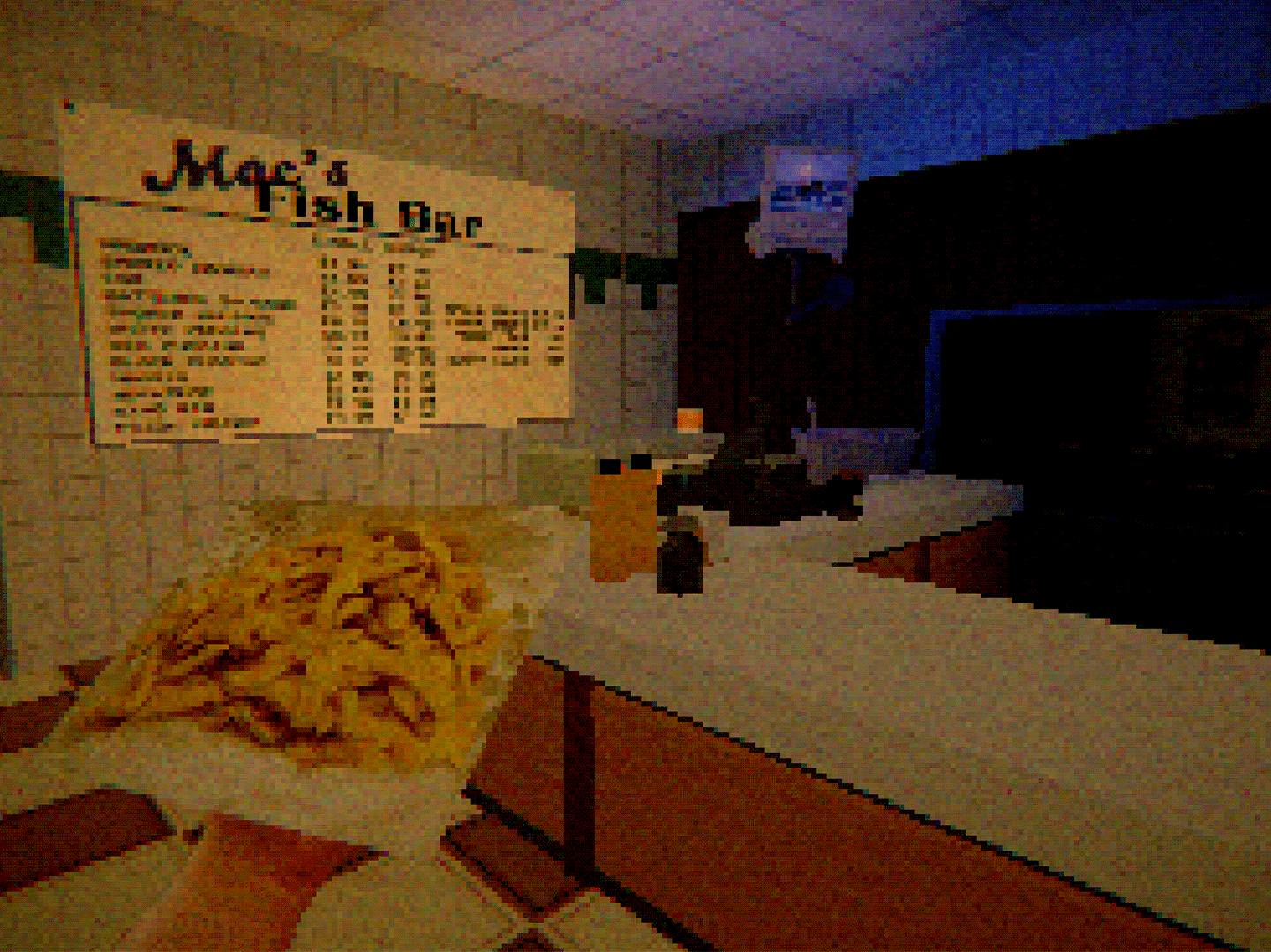
The confined nature of a chippy also presents a practical advantage for a solo developer. It allows for a more manageable scope in terms of asset creation while simultaneously demanding meticulous attention to detail to make the low-poly environment feel lived-in and authentic. From the deep fryers and the menu board (which notably omits the "touristy" deep-fried Mars bar in favor of more traditional offerings) to a strategically placed CRT television perpetually showing an episode of Deadliest Catch, every element is designed to contribute to the atmosphere. "It’s a nice controlled environment. And that’s very good for horror. It’s easier to flip things and change things to make it creepy."
The Practicality of Polygons: Solo Development and Efficiency
Beyond its aesthetic and thematic merits, the low-poly PS1 style offers significant practical advantages for a solo developer like Muirhead. Creating assets in this style is considerably faster than striving for photorealism. While there’s an art to crafting effective PS1 textures – avoiding the common pitfall of simply pixelating a high-resolution image – the overall process is more streamlined. "I love the art style, but also you can make models and textures quicker," says Muirhead. "There’s still an art to making good PS1 textures, as a lot of people fall into the trap with just taking a pixelated image and slapping on things as a texture. But it is easier to do as a solo developer. I can make assets a little quicker, and it’s easier to run acceptably."
This efficiency is crucial when working within the constraints of a single developer. The ability to produce content at a faster pace allows for more iteration and refinement, ultimately leading to a more polished final product. Furthermore, the lower graphical demands of the PS1 aesthetic ensure that the game is accessible on a wider range of hardware, a significant consideration for independent games.
Technical Foundations: Unity’s Familiar Embrace
For "Grease Trap ’99," Muirhead has chosen Unity as his development engine. His familiarity with Unity dates back to his university days studying game design, making it his preferred choice over the more complex and, in his words, "unwieldy" tools found in Unreal Engine, which can be overwhelming for smaller, solo projects.
"Unity’s always been like my safe go-to engine, so I’m very comfortable in it," he states. "I thought about using Godot for this project, but I’ve been working in Unity so long, I’ve made my own tools, I’ve made my own systems that I like using, and my plan is to make more horror games in a similar vein to this, so I can reuse the shaders I’ve made for doing the PS1 effect. There are so many little things that I use quite a lot in Unity that I don’t want to give up."
This commitment to Unity is not just about comfort; it’s about leveraging existing workflows and custom tools that enhance his development process. The ability to reuse shaders and systems built for the PS1 effect means that future projects in a similar vein can be developed with even greater efficiency. This strategic approach to engine choice underscores Muirhead’s understanding of long-term development goals and the importance of a robust and familiar toolset.
A Glimpse into the Future: Solo Dev and the Road Ahead
Beyond "Grease Trap ’99," Muirhead is also working on another low-poly project, "Highland Trip," which he conceived even before "Grease Trap ’99." This suggests a clear direction for his solo development journey, focusing on a niche he has found both creatively fulfilling and practically viable.
However, the transition from large-scale, team-based development to solo work inevitably brings its own set of challenges. Muirhead reflects on what he misses from the triple-A environment: the constant collaboration and problem-solving that comes with working alongside a large team. "It’s a lot harder to talk to people," he concludes. "When you’re working on big projects with 200 people, you are constantly talking to people, you’re constantly asking questions. If I’m stuck, I fire something in the global chat, someone fixes it in five minutes. Working on your own, things move more slowly; there are fewer people to ask questions of. There’s been quite a few times when I’ve just designed a system, in my head I’m like, I can pass this over to the artist, and then I realise I’m the artist, I’ve now got to do it."
This candid assessment highlights the solitary nature of solo development, where the burden of all roles – design, programming, art, and more – falls on a single individual. Yet, it is precisely this challenge that Muirhead seems to embrace, carving out a unique space for himself in the indie game scene.
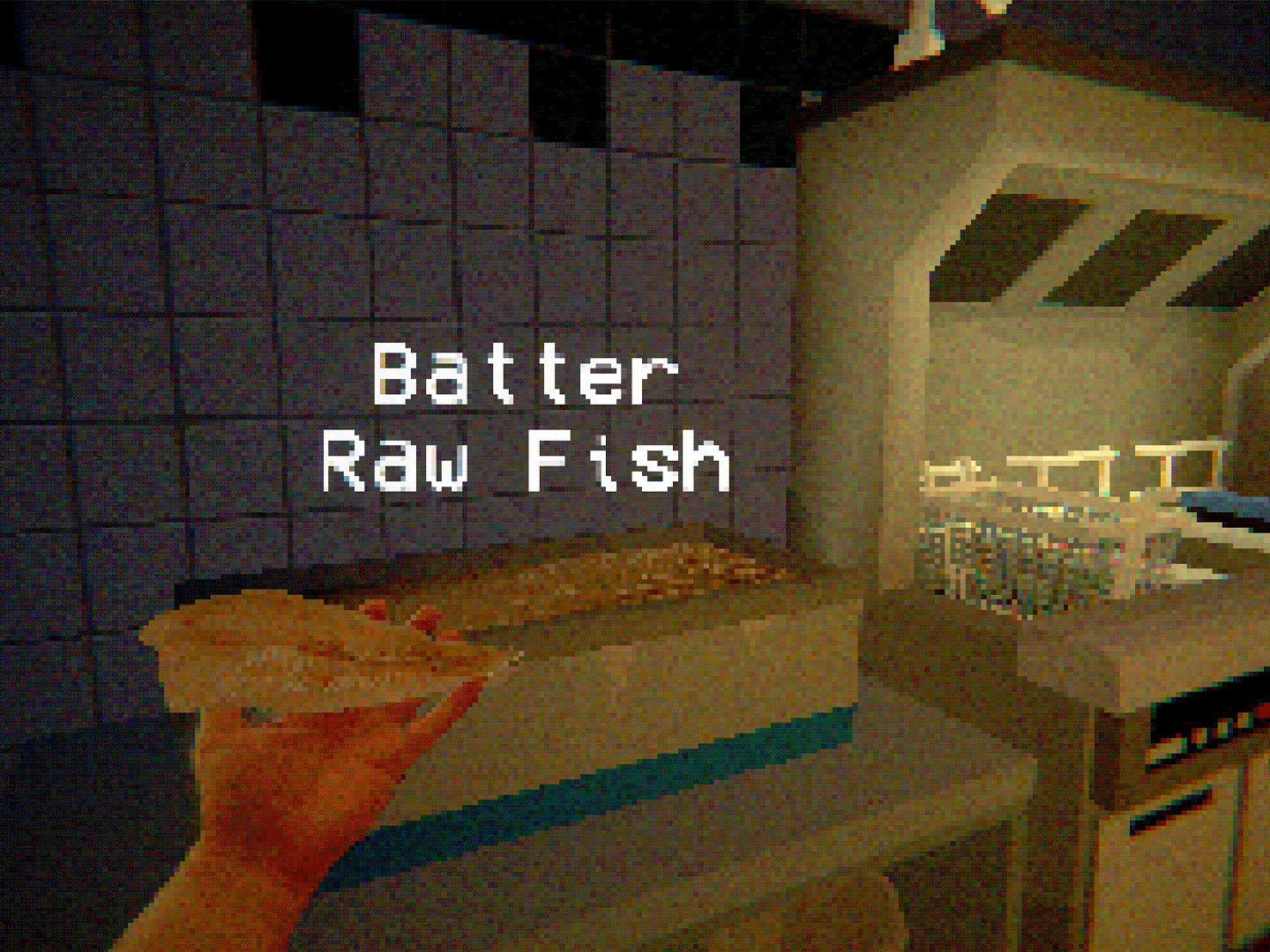
"Grease Trap ’99" is slated for release on Steam soon, and players will have an opportunity to experience its unique blend of retro horror and dark humor firsthand at the Glasgow Indie Games Fest on July 11-12. As the gaming industry continues to explore new frontiers, the resurgence of classic aesthetics like the PS1’s low-poly charm, as exemplified by "Grease Trap ’99," proves that innovation can often be found by looking back, reimagining the past through a modern, and perhaps slightly unsettling, lens. The uncanny allure of the polygon is not just a fleeting trend; it’s a testament to the enduring power of artistic vision and the ability of limitations to foster creativity.


Leave a Comment