
Castles in the Air: A Tabletop RPG Invites Players to Weave Their Own Gilded Age Coming-of-Age Saga
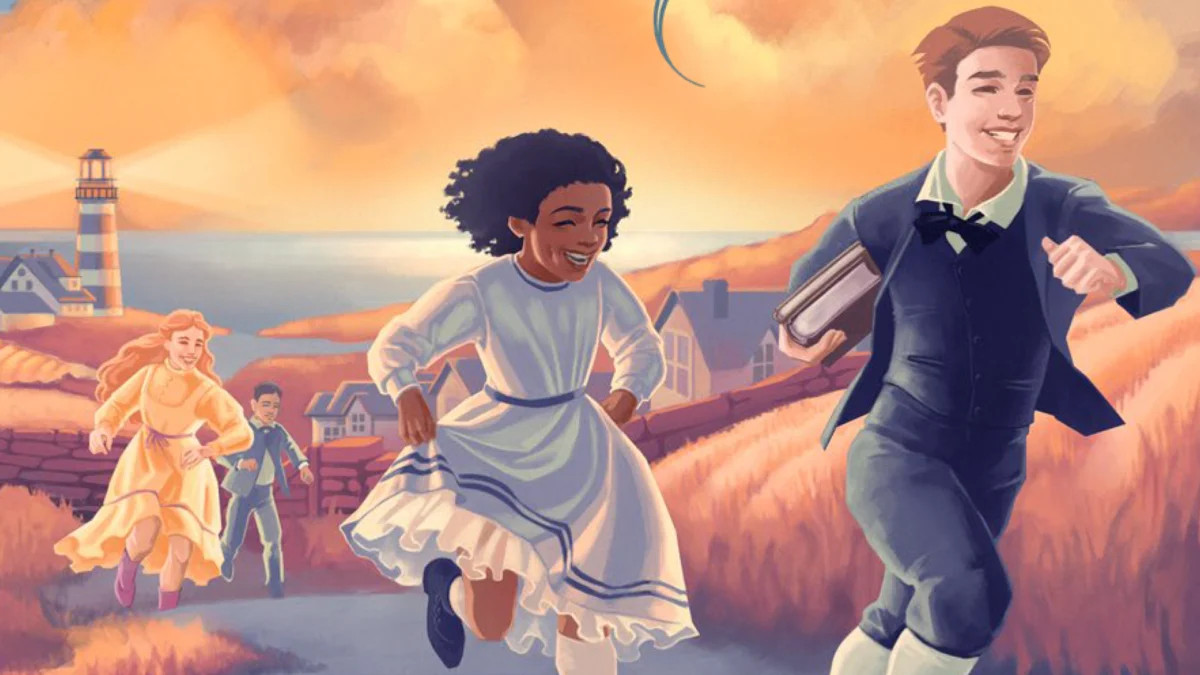
A groundbreaking new tabletop roleplaying game, Castles in the Air, is poised to transport players into the tender and transformative years of the American Gilded Age, offering a deeply personal and collaborative narrative experience. Inspired by beloved literary classics like Louisa May Alcott’s Little Women and Lucy Maud Montgomery’s Anne of Green Gables, this upcoming RPG from Storybrewers Roleplaying invites participants to chart the journey of a tight-knit group of characters from the innocence of childhood dreams to the complexities and challenges of adulthood.
Set against a backdrop of rapid industrialization, economic upheaval, and societal change in the United States between the 1870s and 1890s, Castles in the Air promises a unique blend of historical immersion and emotional storytelling. Players will collectively construct narratives centered on personal growth, evolving relationships, and the universal quest for identity, making decisions that shape their characters’ destinies as they navigate a pivotal era.
Main Facts
A New Epoch in Tabletop Storytelling
Castles in the Air stands out in the ever-expanding landscape of tabletop roleplaying games by deliberately shifting focus from fantastical combat or epic quests to the nuanced, intimate drama of personal development and interpersonal relationships. At its core, the game is a collaborative storytelling engine, designed to facilitate a shared narrative arc that spans decades in the lives of its protagonists. Players will guide their characters through the formative years of childhood, filled with wonder, fears, and burgeoning aspirations, before grappling with the profound joys and inevitable hardships that accompany the transition into adulthood.
The inspiration drawn from quintessential coming-of-age narratives is explicit and central to the game’s appeal. Titles such as Little Women, a timeless tale of sisterhood, ambition, and societal expectations, and Anne of Green Gables, which chronicles the adventures and misadventures of an imaginative orphan, serve as direct literary touchstones. These stories, celebrated for their rich character development and emotional depth, provide a clear blueprint for the kind of experiences Castles in the Air aims to deliver. The game is the brainchild of lead designer and writer Melia Carraway, with significant contributions from Storybrewers Roleplaying co-founders Vee Hendro and Hayley Gordon, a team renowned for their expertise in crafting narrative-focused TTRPGs. Currently, the project is seeking crowdfunding through a Kickstarter campaign, with an anticipated release in March 2025 for physical copies.
Evoking Nostalgia and Growth
The game’s choice of the Gilded Age (1870s-1890s) as its historical setting is particularly evocative. This period in American history, characterized by immense economic growth, burgeoning industries, and significant social stratification, offers a rich tapestry against which personal stories can unfold. While the game initially focuses on the relatively quieter, often idyllic lives of "rural and financially supported kids," the broader societal shifts of the Gilded Age subtly influence the characters’ trajectories. As they mature, players’ characters will inevitably encounter the wider world, its opportunities, and its constraints, allowing for narratives that explore themes of social mobility, evolving gender roles, and the pursuit of individual dreams amidst a rapidly changing society.
Castles in the Air masterfully taps into a universal human experience: the journey of growing up. It promises to evoke a powerful sense of nostalgia for a simpler past, while simultaneously exploring the complex emotional landscape of adolescence and the often bittersweet realities of adulthood. The collaborative nature of the game means that these personal journeys are not undertaken in isolation but are deeply intertwined with the lives of others in the player group, fostering a shared history and a collective emotional investment in the unfolding saga.
Chronology
Conception: From Literary Inspiration to Game Design
The genesis of Castles in the Air can be traced directly to the enduring power of classic coming-of-age literature. Lead designer Melia Carraway, alongside Storybrewers Roleplaying co-founders Vee Hendro and Hayley Gordon, recognized a profound opportunity to translate the emotional depth, character-driven narratives, and themes of personal growth found in works like Little Women and Anne of Green Gables into an interactive, collaborative TTRPG format. Their previous success with Good Society, an RPG inspired by Jane Austen’s Regency romances, demonstrated a clear aptitude for crafting games that prioritize social drama, emotional nuance, and character relationships over traditional combat or dungeon crawling. This prior experience likely served as a foundational model for approaching Castles in the Air, emphasizing elegant mechanics that support collaborative storytelling and character development. The core idea was to create a system where players could not only embody beloved archetypes but also actively shape their own unique versions of these iconic journeys, forging new connections and confronting personal challenges within a historically rich setting.
Development: Crafting the Gilded Age Experience
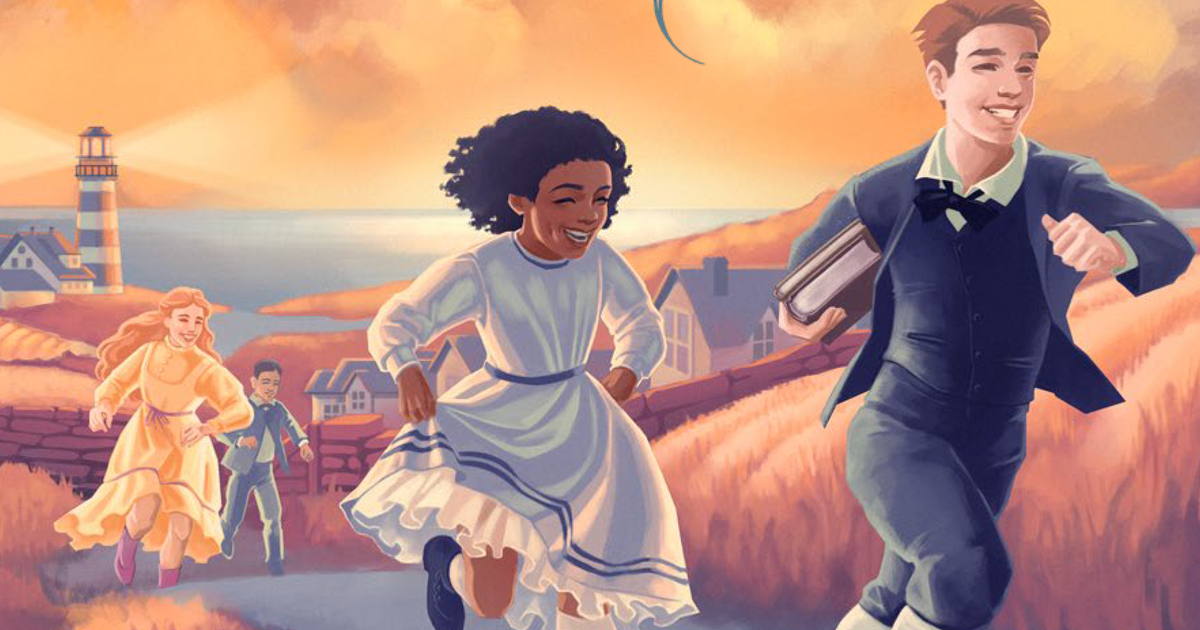
The development process for Castles in the Air focused on designing mechanics that seamlessly support its coming-of-age premise. The game is structured around two distinct phases: childhood and adulthood. Players begin as a "tight-knit group of children," their lives marked by "great expectations of their futures and much quieter current lives." This initial phase is designed to build a shared history, with activities like playing in farmlands, swimming in lakes, and stargazing establishing a foundation of innocent camaraderie. This emphasis on simple, yet formative, experiences allows players to collectively build a rich, nostalgic past for their characters.
As the narrative progresses, the game introduces elements that reflect the complexities of adolescence and early adulthood. Characters begin to explore "other feelings and ideas that come with age," such as developing crushes, forming rivalries, and facing the realities of their budding identities. The mechanics are designed to facilitate these emotional arcs, allowing relationships to deepen, fray, or transform over time. A crucial element of this design is the character creation system, which encourages players to craft deeply resonant figures. Players choose from "a variety of character roles inspired by classic archetypes, such as the troublesome scamp, studious bookworm or spoiled princess." Beyond these foundational roles, players define a personal dream, key childhood relationships, a family background, and even a "bosom enemy." These narrative hooks provide immediate fodder for compelling interactions and ensure that each character is imbued with a unique set of motivations and relational dynamics, ripe for dramatic exploration as they mature and potentially drift apart, only to reunite years later.
The Crowdfunding Journey and Anticipated Release
The public unveiling of Castles in the Air commenced with its crowdfunding campaign on Kickstarter. Launched to secure the necessary funding for production and distribution, the campaign serves as a vital platform for Storybrewers Roleplaying to connect directly with its potential player base. The Kickstarter page highlights the game’s unique vision, showcases artwork, and provides an "actual play" video to give prospective backers a tangible sense of the game in action. The campaign is scheduled to run until June 9th, indicating a focused period for community engagement and financial support.
Various pledge tiers are offered to cater to different levels of interest and budget. For backers eager to hold the physical embodiment of their Gilded Age adventures, a pledge of AU$99 (approximately £52 or $77 USD) secures a physical copy of the game, with an anticipated delivery date in March 2025. This timeline accounts for the production, printing, and shipping processes inherent in bringing a tabletop game to market. For those who prefer a digital experience or wish to access the game sooner, a pledge of AU$34 (approximately £18 or $26 USD) provides a digital version. The success of such campaigns is often a strong indicator of community interest and helps validate the unique niche Castles in the Air aims to fill within the TTRPG hobby.
Supporting Data
The Gilded Age: A Backdrop of Transformation
The Gilded Age in the United States, spanning roughly from the 1870s to the 1890s, provides an exceptionally rich and dynamic setting for Castles in the Air. Far from being merely a decorative backdrop, this era’s characteristics are intrinsically woven into the fabric of the game’s potential narratives. It was a period of unprecedented industrialization, marked by the rise of vast corporations, the expansion of railroads, and technological innovations that reshaped daily life. This economic boom led to immense wealth for a few, creating a stark contrast with the struggles of the working class and new waves of immigrants. This rapid societal change offers fertile ground for character arcs dealing with ambition, class divides, economic pressures, and the pursuit of new opportunities.
For characters in Castles in the Air, even those from "financially supported" backgrounds, the Gilded Age presented a world in flux. The traditional rural idyll, while still present, was increasingly shadowed by the encroaching modernity of burgeoning cities and industrial centers. Gender roles, though still largely traditional, were beginning to see subtle shifts, with increasing opportunities for women in education and certain professions, particularly for those from privileged backgrounds. The emphasis on education, self-improvement, and moral rectitude was strong, providing avenues for characters like the "studious bookworm" to pursue intellectual passions, or for others to challenge societal norms. The game’s setting allows for explorations of themes such as the tension between tradition and progress, the allure and dangers of urbanization, and the evolving American dream, all seen through the eyes of individuals coming of age amidst these seismic shifts. The sense of both opportunity and anxiety that defined the era can profoundly influence the "great expectations" of the young characters and the "joys and hardships" they face as adults.
Literary Lineage: Echoes of Classic Narratives
The explicit inspirations for Castles in the Air—Little Women and Anne of Green Gables—are more than mere nods; they are thematic cornerstones. Little Women, Louisa May Alcott’s enduring novel, explores the lives of the four March sisters as they navigate girlhood, romance, loss, and the pursuit of their individual aspirations in post-Civil War America. Key themes include sisterhood, the conflict between personal ambition and societal expectations, the value of family, and the journey of self-discovery. Greta Gerwig’s critically acclaimed 2019 film adaptation, starring Saoirse Ronan, Emma Watson, Florence Pugh, Laura Dern, and Timothée Chalamet, brought these themes to a new generation, showcasing their timeless resonance.
Similarly, Lucy Maud Montgomery’s Anne of Green Gables captivates with the story of Anne Shirley, a spirited and imaginative orphan who finds a home and builds a life in the fictional Canadian province of Prince Edward Island. Anne’s story is a profound exploration of imagination, friendship, belonging, and the power of finding one’s voice. The 2017 Netflix television series adaptation further cemented the story’s modern appeal. Both narratives deeply inform Castles in the Air‘s focus on intimate relationships, personal growth, and the exploration of identity within a specific historical context. The game’s mechanics, particularly the character creation elements like "childhood relationships" and "bosom enemy," are directly designed to foster the kind of rich interpersonal dynamics that make these literary works so compelling. Players are not just reenacting stories; they are creating new ones that echo the emotional depth and transformative journeys of their literary predecessors.
Storybrewers Roleplaying: A Legacy of Narrative Excellence
Storybrewers Roleplaying, the publisher behind Castles in the Air, has established itself as a significant voice in the narrative-focused TTRPG space. Co-founded by Vee Hendro and Hayley Gordon, the studio has consistently demonstrated a commitment to games that prioritize emotional storytelling, character development, and collaborative play. Their most notable previous work, Good Society: A Jane Austen Roleplaying Game, serves as a powerful testament to their design philosophy. Good Society immerses players in the intricate social dance of Regency England, where reputation, gossip, and romance are the primary currencies. Its mechanics brilliantly emulate the social pressures and dramatic tension found in Austen’s novels, allowing players to weave their own tales of societal intrigue and burgeoning affections.
The success and critical acclaim of Good Society underscore Storybrewers Roleplaying’s expertise in translating specific literary genres and historical periods into engaging, interactive experiences. This background provides a strong foundation for Castles in the Air. The design team’s proven ability to craft systems that encourage deep roleplaying, emotional investment, and shared narrative authority positions Castles in the Air not just as another TTRPG, but as a carefully curated experience from a studio with a clear vision for narrative games. The contributions of Melia Carraway as lead designer and writer, working within this established framework, suggest a game that is both innovative in its specific premise and consistent with the high standards of narrative design that Storybrewers Roleplaying has cultivated.
Official Responses
Voices from Storybrewers Roleplaying
While direct quotes from the designers and publisher regarding Castles in the Air are not provided, we can infer their vision and intentions based on the game’s description and Storybrewers Roleplaying’s established philosophy. It is highly probable that Melia Carraway, the lead designer and writer, envisioned a game that goes beyond simple mechanics to touch the heart of universal human experience. She might articulate a desire to create a space where players can collectively explore the bittersweet journey of growth, acknowledging both the magic of childhood and the often-challenging realities of becoming an adult. Her focus would likely be on crafting a system that makes emotional arcs feel earned and relationships deeply meaningful, allowing players to truly inhabit their characters’ evolving perspectives.

Vee Hendro and Hayley Gordon, as co-founders of Storybrewers Roleplaying and contributors to Castles in the Air, would likely emphasize the studio’s commitment to narrative-driven games that explore specific genres and historical periods with sensitivity and depth. They might express their excitement about offering a different kind of TTRPG experience, one that appeals to fans of period dramas and character-focused stories who might not typically engage with traditional fantasy or sci-fi RPGs. Their collective message would likely revolve around the joy of collaborative storytelling, the power of shared narrative, and the unique opportunity Castles in the Air presents for players to craft deeply personal and emotionally resonant sagas that linger long after the dice have been put away. They would foresee players embracing the freedom to embody beloved archetypes while simultaneously forging unique destinies within the rich tapestry of the Gilded Age.
Player and Community Anticipation
The TTRPG community, particularly those who gravitate towards narrative-heavy, emotionally resonant games, is likely to meet Castles in the Air with considerable anticipation. Fans of Good Society and other Storybrewers titles will undoubtedly recognize the studio’s signature style and commitment to immersive, character-focused play. There’s a growing segment of the TTRPG audience actively seeking games that prioritize social drama, personal growth, and relationship dynamics over combat or tactical challenges. Castles in the Air perfectly caters to this demand, offering a refreshing departure from more traditional RPG fare.
Moreover, the game’s explicit ties to beloved literary works like Little Women and Anne of Green Gables will likely attract a new demographic of players—individuals who are deeply familiar with these stories and their themes but might be newcomers to the world of tabletop roleplaying. The appeal of being able to collaboratively create their own version of such cherished narratives, guiding characters through similar emotional landscapes and historical contexts, could be a powerful draw. The Kickstarter campaign’s progress (implied by the active offering of pledge tiers) serves as an initial indicator of this community interest, demonstrating that there’s a strong desire for games that explore the complexities of human experience in innovative, interactive ways. The "actual play" video further allows potential players to visualize the emotional depth and collaborative spirit of the game, fueling their excitement for its eventual release.
Implications
Expanding the TTRPG Landscape
Castles in the Air represents a significant contribution to the evolving landscape of tabletop roleplaying games. By focusing intensely on social drama, personal narrative, and emotional development within a specific historical period, it further diversifies the TTRPG genre, moving beyond the traditional emphasis on combat, exploration, or high fantasy. This game, much like Storybrewers Roleplaying’s Good Society, demonstrates that TTRPGs can effectively emulate a wide array of narrative experiences, appealing to a broader audience that includes fans of literary fiction, historical dramas, and character-driven storytelling. Its emergence signals a continued trend towards "indie" and narrative-focused RPGs that prioritize player agency in shaping a collective story, fostering empathy, and exploring complex human themes. By offering a game that resonates with the universal experience of growing up and finding one’s place in the world, Castles in the Air has the potential to attract new players who might have previously felt intimidated by or uninterested in more conventional RPGs, thus broadening the hobby’s appeal and reach.
The Enduring Power of Coming-of-Age Narratives
The decision to center Castles in the Air around coming-of-age narratives speaks to the enduring and universal power of these stories. The journey from childhood innocence to adult wisdom, marked by discovery, challenge, heartbreak, and triumph, is a narrative arc that resonates deeply across cultures and generations. By providing a framework for players to actively participate in such a journey, the game offers a unique opportunity for introspection and shared emotional experience. It allows players to explore themes of identity formation, the complexities of friendship and family, the pursuit of dreams, and the bittersweet acceptance of life’s inevitable changes. In an interactive medium, these themes become even more potent, as players are not just passive observers but active architects of their characters’ destinies, making the triumphs more personal and the heartaches more poignant. The game leverages the psychological depth inherent in growing up, transforming it into a compelling and collaborative play experience.
Future Prospects for Storybrewers Roleplaying
The successful launch and anticipated reception of Castles in the Air will undoubtedly solidify Storybrewers Roleplaying’s reputation as a premier publisher of sophisticated, narrative-rich tabletop games. Building on the foundation laid by Good Society, this new title reinforces their specialization in games that prioritize emotional depth, genre emulation, and collaborative storytelling. The success of Castles in the Air could pave the way for future projects that continue to explore diverse literary genres, historical periods, or unique emotional territories within the TTRPG format. It positions them as innovators who are pushing the boundaries of what a tabletop game can be, attracting a loyal following of players who value meaningful stories and rich character interaction. Their consistent delivery of high-quality, distinctive games is likely to cement their place as a leading voice in the narrative RPG movement, fostering further growth and creative exploration within the studio.
Call to Adventure: Building Your Own Gilded Age Saga
Ultimately, Castles in the Air offers an enticing invitation: to step back in time, to revisit the formative years of youth, and to collaboratively weave a deeply personal and shared saga. It’s an opportunity to embrace the wonder and fear of childhood, to navigate the joys and hardships of adulthood, and to explore the timeless themes of friendship, family, and self-discovery within the captivating context of the American Gilded Age. For those seeking an RPG experience that prioritizes emotional resonance, character development, and a rich, collaborative narrative, Castles in the Air promises an unforgettable journey. As the Kickstarter campaign draws to a close, the anticipation builds for players worldwide to begin crafting their own "castles in the air" and watch them evolve, shift, and endure through the passage of time.




Leave a Comment