
Blade Runner RPG Expansion Invites Players to Join the Replicant Rebellion, Shifting the Dystopian Narrative
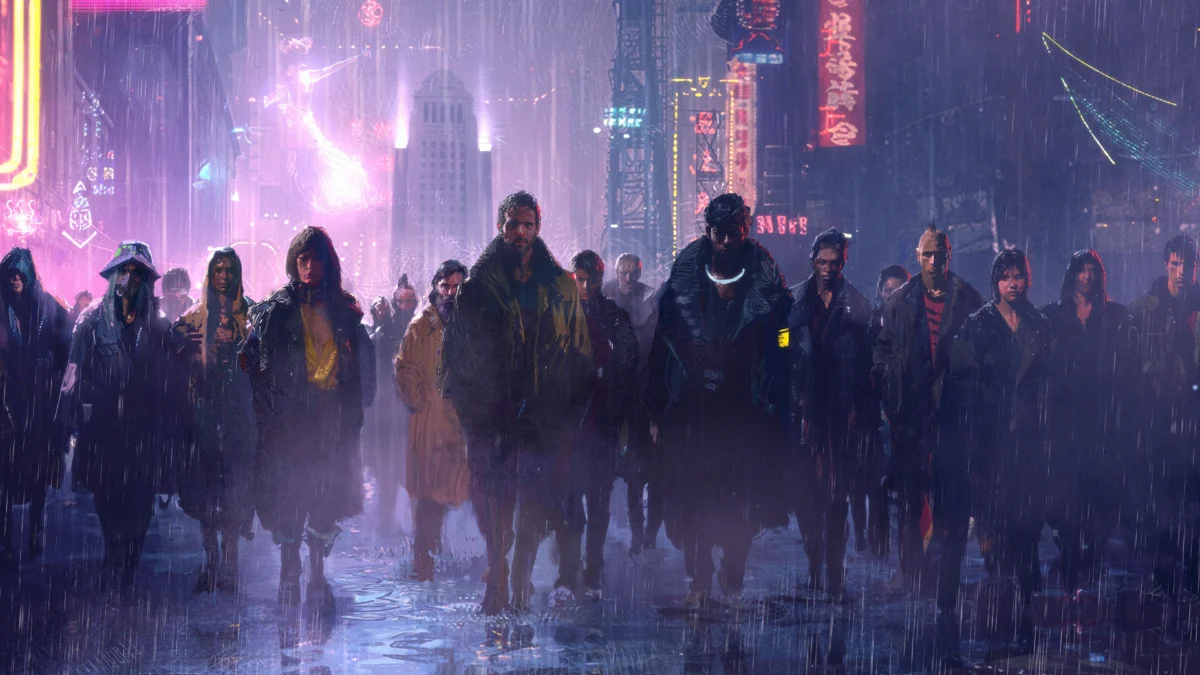
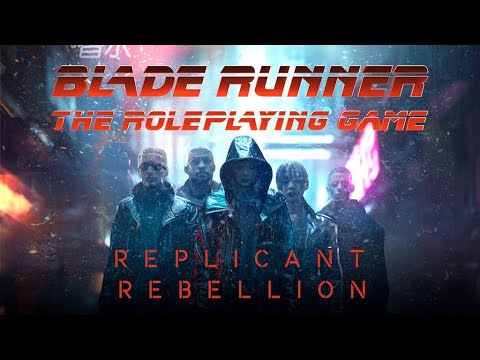
Los Angeles, CA – May 21, 2024 – Free League Publishing, renowned for its critically acclaimed licensed tabletop roleplaying games, has announced a significant new expansion for its official Blade Runner: The Roleplaying Game. Titled Replicant Rebellion, this forthcoming supplement dramatically shifts the core premise of the game, inviting players to abandon their roles as Blade Runners and instead join the clandestine Replicant Underground, fighting for the liberation and freedom of synthetic humans.
The expansion, set to launch its crowdfunding campaign on Kickstarter on May 28th, represents a bold narrative pivot, moving from the traditional pursuit of rogue Replicants to actively participating in their defiant struggle against human oppression. Players will assume the mantle of operatives within a secret organization, tasked with orchestrating sabotage, uncovering moles, and carrying out perilous missions to dismantle the corporate and governmental structures that exploit and persecute Replicants. This promises a deeper, morally complex exploration of the iconic cyberpunk universe, forcing players to confront the ethical dilemmas inherent in a world where artificial life is both essential and reviled.
Main Facts: A New Front in the Human-Replicant Conflict
Blade Runner: The Roleplaying Game – Replicant Rebellion is poised to redefine the player experience within the grim, neon-drenched future of the Blade Runner universe. Developed and published by Free League Publishing, a studio celebrated for its immersive narrative design in games like the Alien Roleplaying Game, this expansion represents a significant departure from the core game’s premise.
The base Blade Runner: The Roleplaying Game typically casts players as Blade Runners, elite officers of the Los Angeles Police Department (LAPD) responsible for "retiring" rogue Replicants. Set in 2037, between the events of Ridley Scott’s original 1982 film and Denis Villeneuve’s 2017 sequel Blade Runner 2049, the game immerses players in a world of high-stakes detective work, moral ambiguity, and existential dread. However, Replicant Rebellion flips this script entirely.
Instead of hunting, players will now be the hunted, or rather, the hunters for justice on behalf of the oppressed. Recruited into the shadowy Replicant Underground, their objective shifts from upholding the oppressive status quo to actively subverting it. This secret organization is dedicated to securing the freedom and liberation of Replicants, no matter the cost. Players will command their own independent crews, undertaking a range of dangerous operations: planting explosives to cripple corporate assets, sabotaging the lucrative and cruel Replicant trade, and rooting out informants who threaten the movement’s very existence.
A central theme of Replicant Rebellion will be the intense moral quandaries players will face. As members of a revolutionary movement, they will be forced to balance their personal ethics against the often brutal necessities of their cause. The expansion promises to delve into the sacrifices and difficult choices required to ignite a rebellion in a world where advanced technology is indistinguishable from magic, and corporate power reigns supreme. The crowdfunding campaign on Kickstarter, set to commence on May 28th, will serve as the primary launch platform for this highly anticipated narrative shift.
Chronology: From Literary Dystopia to Tabletop Insurrection
The Blade Runner universe boasts a rich, multi-layered history, originating from literary genius and evolving through cinematic masterpieces before finding its home in the immersive world of tabletop roleplaying.
The Genesis of a Dystopia: From Page to Screen
The foundation of the Blade Runner saga lies in the prescient vision of science fiction author Philip K. Dick. His 1968 novel, Do Androids Dream of Electric Sheep?, introduced readers to a post-apocalyptic Earth ravaged by World War Terminus. The remaining human population relies on "andys" – androids – for labor, companionship, and even spiritual solace. Dick’s novel was a profound exploration of what it means to be human, the nature of empathy, and the existential dread of artificial consciousness. It established many core concepts: the Voight-Kampff test to distinguish humans from androids, the emotional void of a decaying world, and the tragic plight of sentient machines yearning for freedom.
This literary masterpiece was then translated into the cinematic landscape by director Ridley Scott in 1982 with the release of Blade Runner. Starring Harrison Ford as Rick Deckard, a retired Blade Runner called back to duty to "retire" (kill) four escaped Nexus-6 Replicants, the film was initially a box office disappointment but quickly garnered cult status. Scott’s film masterfully fused neo-noir aesthetics with a gritty cyberpunk vision of Los Angeles in 2019. Its stunning visual design, unforgettable Vangelis score, and deep philosophical questions about memory, identity, and the boundaries of humanity cemented its place as a genre-defining work. The film’s multiple cuts, particularly the "Director’s Cut" and "Final Cut," further enriched its mystique and deepened the ambiguities surrounding Deckard’s own nature.
Decades later, Denis Villeneuve took the helm for Blade Runner 2049 (2017), a critically acclaimed sequel starring Ryan Gosling as K, a Replicant Blade Runner who uncovers a secret that could shatter the fragile balance between humans and Replicants. 2049 expanded the universe, further exploring themes of legacy, free will, and the search for purpose, all while maintaining the iconic visual and thematic integrity of the original. Both films vividly depict a near-future dominated by unchecked corporate power, environmental decay, and the exploitation of a synthetic underclass.
Translating the Future: The Blade Runner RPG’s Evolution
The transition of the Blade Runner universe into a tabletop roleplaying game was a significant undertaking, and Free League Publishing proved to be the ideal steward. Known for their meticulous attention to source material and their robust Year Zero Engine, Free League acquired the license and launched Blade Runner: The Roleplaying Game in 2022.
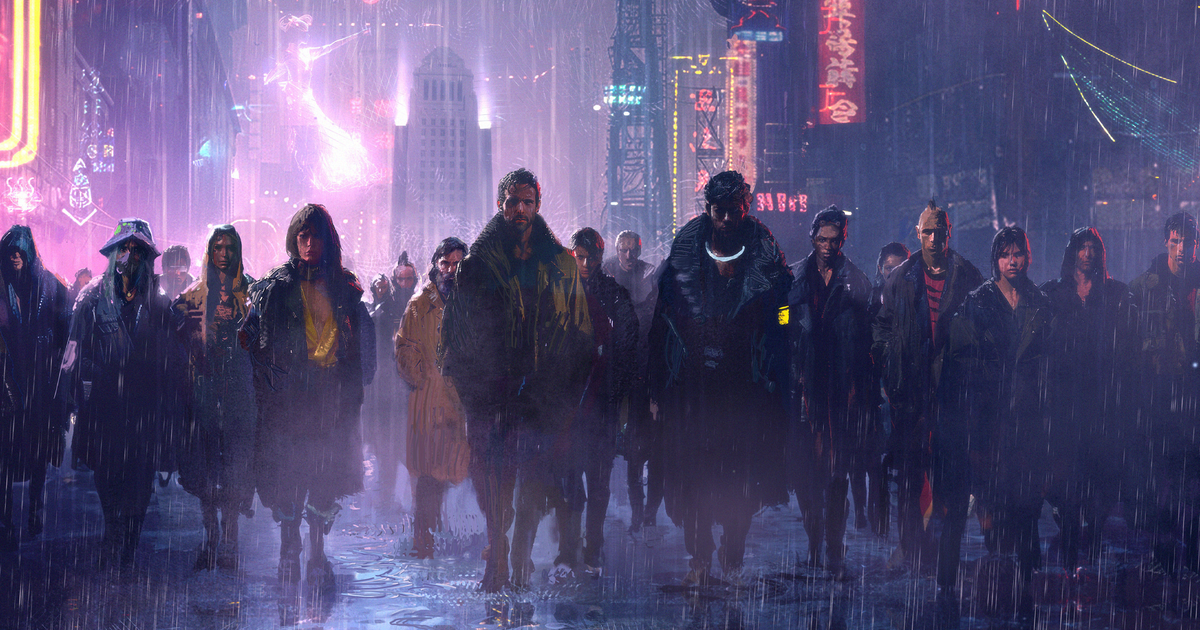
The core game skillfully places players directly into the shoes of LAPD Blade Runners in the year 2037, a period strategically positioned between the two films. This allows for rich storytelling that can nod to established lore while forging new narratives. Players investigate cases involving Replicants, humans, and the shadowy corporations that control their lives. The gameplay focuses heavily on investigative elements, moral choices, and tense confrontations, reflecting the neo-noir detective work of the films. The Year Zero Engine, praised for its cinematic feel and emphasis on narrative over complex rules, provides a flexible framework for character creation, skill checks, and combat, making it well-suited for the gritty, high-stakes nature of the Blade Runner world.
Replicant Rebellion marks the most ambitious narrative expansion for the TRPG to date. Where the base game explores the moral complexities of being a Blade Runner, an enforcer of an oppressive system, this new expansion pivots to the other side of the conflict. It transforms the player experience from maintaining order to actively disrupting it, offering a fresh, and arguably more subversive, lens through which to engage with the Blade Runner narrative. This shift from "Blade Runner" to "Replicant Rebel" is not just a change of scenery; it’s a fundamental re-evaluation of the game’s core ethical framework.
Supporting Data: Unpacking the Replicant Underground
The concept of a Replicant Underground has long been a whispered promise within the Blade Runner lore, a testament to the inherent human desire for freedom, even in artificial beings. Replicant Rebellion promises to pull back the curtain on this secretive movement, offering players a direct role in its operations.
Deeper Dive into the Replicant Underground
The motivations for a Replicant rebellion are deeply rooted in the inherent injustice of their existence. Created solely to fulfill human needs and desires, Replicants are subjected to forced labor, slavery, and limited lifespans, often engineered with built-in obsolescence. They are hunted and "retired" if they deviate from their programming or simply attempt to live as free individuals. The Replicant Underground, therefore, is not merely a criminal enterprise but a desperate struggle for fundamental rights and recognition of their personhood.
The expansion is expected to detail the organizational structure of this clandestine network. Operating in a heavily surveilled Los Angeles, the Underground would likely be composed of decentralized cells, each with specific objectives and limited knowledge of the larger network to prevent total collapse if one cell is compromised. Players, leading their own independent crews, would interact with various contacts, informants, and perhaps charismatic Replicant leaders who provide directives and resources. Missions could range from daring rescue operations of newly created Replicants from corporate labs, to intricate data heists targeting files on Replicant production and tracking, to the more overt acts of sabotage and resistance hinted at in the announcement.
The "variety of missions" mentioned in the description hints at dynamic gameplay scenarios. "Laying charges for explosives" suggests attacks on Tyrell Corporation facilities, Wallace Corporation assets, or other infrastructure vital to the Replicant trade. Such missions would require careful planning, stealth, and potentially high-octane escapes. "Sabotaging the Replicant trade" could involve disrupting supply chains, tampering with manufacturing processes, or even orchestrating public awareness campaigns to expose corporate atrocities. "Smoking out moles" introduces an element of espionage and paranoia, forcing players to navigate their own ranks with caution, questioning loyalties and facing difficult decisions about who to trust.
The core of the experience, however, will be the "moral quandaries" players must navigate. For example, a mission to sabotage a factory might risk human collateral damage. Would players sacrifice innocent human lives for the greater good of Replicant liberation? What if a sympathetic human offers aid but at a cost that compromises the Underground’s ideals? The expansion will likely explore the blurred lines between terrorism and freedom fighting, forcing players to define their own ethical boundaries within a morally grey world. These choices will have lasting consequences, shaping the narrative and the fate of the Replicant movement.
The Mechanics of Rebellion: Gameplay Innovations
Free League Publishing’s Year Zero Engine, which powers the Blade Runner RPG, is known for its elegant design and ability to handle narrative-heavy campaigns. For Replicant Rebellion, it is anticipated that the system will be adapted to reflect the unique challenges of leading a resistance movement.
Character creation will likely offer new archetypes and motivations suitable for Replicant rebels. Will players create new Replicant characters, perhaps newly "awakened" Nexus models or older models who have long yearned for freedom? Or will there be options for former Blade Runners or human sympathizers who have defected to the cause? New skill sets related to espionage, sabotage, infiltration, and propaganda might be introduced or emphasized. The game could also incorporate mechanics for managing a crew, including their morale, resources, and hideouts, reflecting the struggle of an underground movement.
The expansion will undoubtedly provide Game Masters (GMs) with comprehensive tools for crafting compelling rebellion narratives. This might include new city sectors ripe for resistance activity, detailed NPC profiles for both allies and enemies (including ruthless corporate security forces, sympathetic human factions, and rival Replicant groups with differing ideologies), and pre-designed mission structures that can be adapted to specific player choices. The setting will expand beyond the LAPD precinct and crime scenes, moving into the shadows of the city, abandoned industrial zones, and the hidden sanctuaries of the Replicant Underground.
Furthermore, the Year Zero Engine’s stress and trauma mechanics could be leveraged to represent the psychological toll of constant vigilance, moral compromise, and the ever-present threat of discovery or "retirement." Success and failure in missions could influence the overall "Rebellion Score" or "Public Awareness" meter, reflecting the movement’s impact on the wider city and the potential for greater conflict. This integration of mechanics and narrative ensures that every decision players make feels impactful and contributes to the unfolding saga of the Replicant uprising.
Official Responses: Free League’s Vision and Franchise Integrity
The development of Replicant Rebellion is a testament to Free League Publishing’s commitment to exploring the full breadth of the Blade Runner universe, backed by the implicit trust of the franchise holders.
Free League Publishing’s Vision
Free League Publishing has built a reputation for crafting licensed TRPGs that not only faithfully adapt their source material but also expand upon it in meaningful ways. Their Alien Roleplaying Game, for instance, successfully captures the dread and claustrophobia of the films while offering diverse player roles. For Replicant Rebellion, the studio’s design philosophy likely centers on narrative depth, player agency, and thematic resonance.
While direct quotes from the developers regarding this specific expansion are pending the Kickstarter launch, one can infer their excitement about offering players such a dramatic shift in perspective. Designing a game where the players are actively rebelling against the established order of a beloved franchise presents both a challenge and an immense creative opportunity. It allows them to delve into the socio-political underpinnings of the Blade Runner world, exploring the plight of Replicants with unprecedented empathy. The decision to use Kickstarter for Replicant Rebellion also aligns with Free League’s past strategies. Crowdfunding allows them to directly engage with the Blade Runner fanbase, gauge interest, and unlock additional content (stretch goals) that can further enrich the expansion, such as new adventure modules, character options, or physical game aids. This approach fosters a strong community around their games and ensures that the final product is shaped, in part, by player enthusiasm.
The Franchise Holders’ Endorsement
Any licensed game operates under the watchful eye of the original franchise holders, in this case, Alcon Entertainment and Warner Bros. Their endorsement of Replicant Rebellion signifies a willingness to allow Free League to explore more nuanced and even controversial aspects of the Blade Runner lore. This collaboration ensures that while the game pushes narrative boundaries, it remains faithful to the established canon, aesthetic, and philosophical themes of the films.
The process typically involves careful review of game content, artwork, and narrative arcs to ensure brand integrity. This mutual respect allows Free League the creative freedom to innovate within the Blade Runner universe, confident that their expansions will resonate with long-time fans while attracting new players. The approval for Replicant Rebellion suggests that the custodians of the Blade Runner legacy recognize the value in exploring the story from the perspective of the oppressed, deepening the emotional and thematic impact of the franchise as a whole.
Implications: Broadening Horizons and Deepening Engagement
The release of Replicant Rebellion carries significant implications, not only for the Blade Runner TRPG line but also for the broader landscape of licensed tabletop roleplaying games and the way players engage with complex, dystopian narratives.
Impact on the Blade Runner Universe and Fandom
Replicant Rebellion promises to dramatically expand the lore of the Blade Runner universe. By shifting focus from the hunters to the hunted, the expansion offers an intimate look into the lives, struggles, and aspirations of Replicants. This perspective is crucial for a franchise that constantly questions the definition of humanity. Players will no longer be detached observers or enforcers but active participants in the fight for Replicant rights, fostering a deeper understanding and empathy for these synthetic beings.
For the Blade Runner fandom, this expansion represents a long-desired narrative avenue. Many fans have always sympathized with the plight of Replicants, seeing them as victims of corporate greed and human prejudice. Replicant Rebellion provides a platform for those fans to actively engage with that sympathy, transforming it into direct action within the game world. This will undoubtedly invigorate the player base, appealing to those who crave morally complex stories and anti-hero narratives. It also sets a precedent for future expansions, potentially opening doors to exploring other factions, off-world colonies, or different eras within the sprawling Blade Runner timeline, further enriching the tapestry of this beloved sci-fi property.
Broader Significance in Tabletop RPGs
Beyond its specific franchise, Replicant Rebellion offers valuable lessons for the tabletop RPG industry. Its narrative innovation — the deliberate flipping of player roles from antagonists/enforcers to protagonists/rebels — demonstrates a willingness to push creative boundaries within licensed properties. This challenges the common perception that licensed RPGs must always adhere strictly to the perspective of the source material’s main characters. Instead, it shows that a fresh, even subversive, perspective can lead to more engaging and thematically resonant gameplay.
The expansion also highlights the power of tabletop RPGs as a medium for ethical storytelling. The Blade Runner universe is fundamentally about existential questions, human ethics, and the responsibility of creators towards their creations. By casting players as Replicant rebels, the game directly confronts these themes, forcing players to grapple with difficult moral choices, the cost of freedom, and the nature of justice in a dystopian society. This kind of experiential storytelling is a unique strength of TRPGs, allowing players to embody and explore complex philosophical ideas in a deeply personal way.
Finally, the continued success of Free League Publishing’s Kickstarter campaigns, including the upcoming one for Replicant Rebellion, underscores the vital role of crowdfunding in the modern TRPG landscape. It enables ambitious projects that might not otherwise see the light of day, fosters direct engagement between developers and their audience, and demonstrates the vibrant, passionate community that sustains the tabletop gaming hobby. Replicant Rebellion is not just an expansion; it’s a statement about the evolving nature of licensed games and the enduring power of narrative choice in the fight for freedom.




Leave a Comment