
From Prestige to "Sludge": Navigating the Mixed Legacy of Netflix Original Films
The transformation of Netflix from a disruptive mail-order DVD service into a global streaming hegemon is perhaps the most significant narrative in 21st-century entertainment history. For many, the memory of the iconic red envelopes—a gateway to a "Blockbuster experience" without the physical commute—has faded into the digital ether. Today, Netflix is a content factory, spending upwards of $17 billion annually on programming. However, this prolific output has created a "quantity over quality" paradox.
While the service has successfully courted auteurs like Alfonso Cuarón (Roma), Martin Scorsese (The Irishman), and Jane Campion (The Power of the Dog), it has also become a graveyard for high-budget, low-substance projects. As the library expands, viewers are increasingly forced to navigate a minefield of "content sludge"—films that appear designed by algorithms rather than artists.
The following analysis examines five specific Netflix original films that represent the nadir of the platform’s output. These projects are not merely critical failures; they represent broader issues within the streaming model, from muddled social allegories to the "star-power trap."
1. The Main Facts: Five Films to Strike From Your Watchlist
6 Underground (2019)
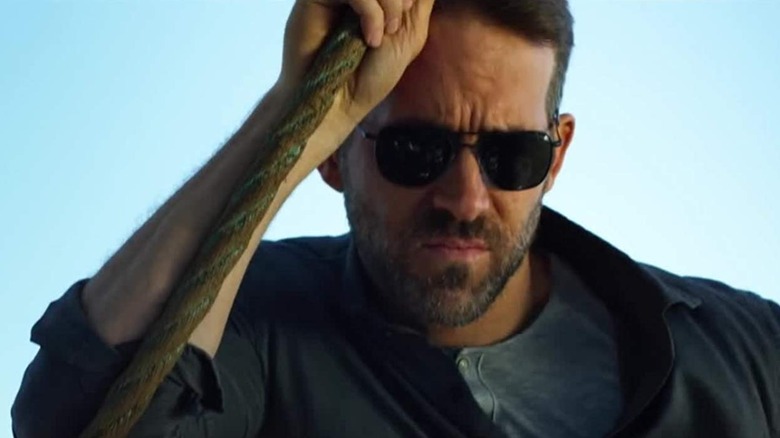
Directed by Michael Bay and starring Ryan Reynolds, 6 Underground was intended to be the start of a high-octane franchise. With a staggering $150 million budget, the film follows a tech billionaire (Reynolds) who fakes his own death to lead a squad of international vigilantes. Despite the signature "Bayhem" aesthetic—saturated colors, rapid-fire editing, and massive explosions—the film lacks a coherent narrative spine. It wastes a talented supporting cast, including Mélanie Laurent and Corey Hawkins, in favor of a vapid, often nonsensical plot that prioritizes spectacle over basic logic.
Bright (2017)
Bright was a pivotal moment for Netflix, representing its first major attempt at a $100 million "tentpole" blockbuster. Directed by David Ayer and starring Will Smith, the film attempts a "fantasy-meets-gritty-cop-drama" aesthetic, set in an alternate Los Angeles where humans coexist with orcs and elves. While the premise had potential, the execution was widely panned for its clumsy handling of racial allegories. By using orcs as a surrogate for marginalized communities, the film’s social commentary felt both shallow and offensive, buried under layers of poor world-building and a murky, unattractive visual palette.
Red Notice (2021)
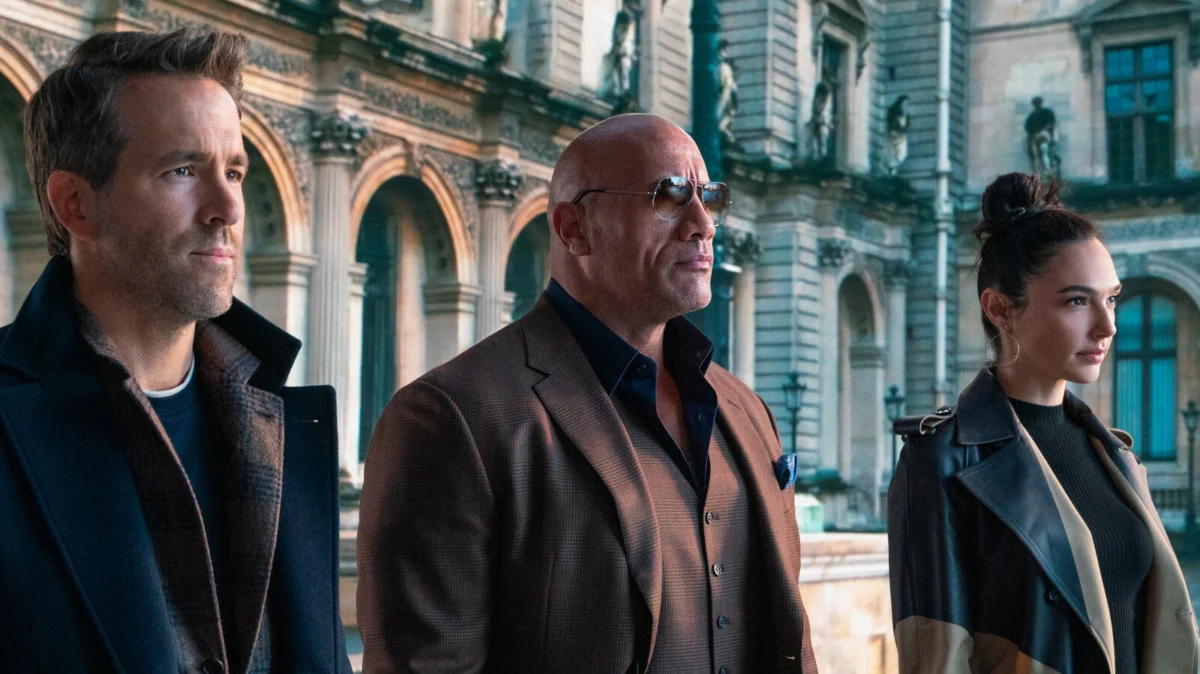
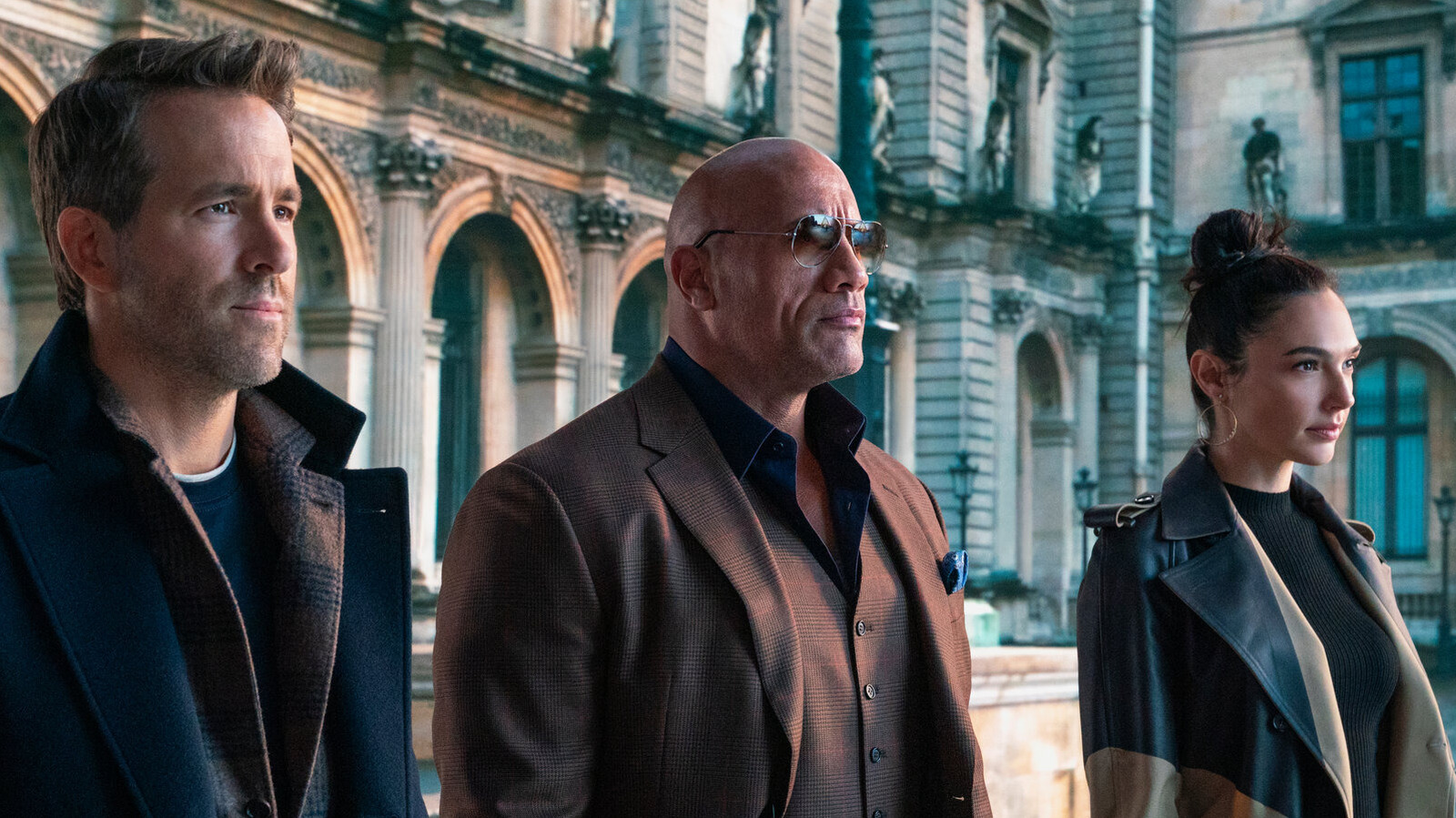
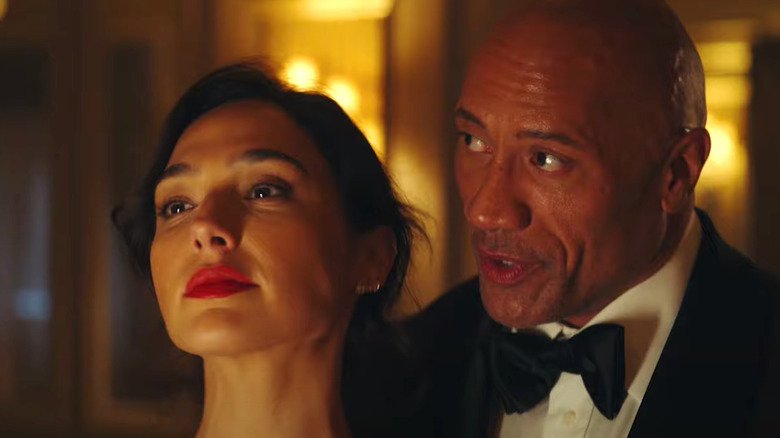
On paper, Red Notice is a guaranteed hit: a globe-trotting art heist starring Dwayne Johnson, Ryan Reynolds, and Gal Gadot. However, the film serves as a cautionary tale about the limits of star power. Despite being one of Netflix’s most-watched films of all time, it is frequently cited by critics as a "nothingburger"—a movie that feels entirely artificial, likely due to heavy green-screen usage and a script that relies on the actors’ established personas rather than actual character development. It is a glossy, expensive vacuum of a film.
Extremely Wicked, Shockingly Evil and Vile (2019)
This biographical drama attempts to chronicle the crimes of serial killer Ted Bundy (Zac Efron) through the eyes of his long-term girlfriend, Liz Kendall (Lily Collins). The film faced intense scrutiny for its perceived "glamorization" of a sociopath. By leaning into Efron’s natural charisma and good looks, the narrative often feels more like a thriller-romance than a somber examination of evil. Critics argued that the film flattered the killer’s own narcissism, failing to provide the necessary weight or perspective for the victims’ suffering.
Uglies (2024)
The most recent addition to the "avoid" list, Uglies is an adaptation of Scott Westerfeld’s 2005 dystopian novel. Directed by McG and starring Joey King, the film arrived nearly a decade too late to the Young Adult dystopian craze. Its central message—a critique of societal beauty standards—is undermined by its own internal logic and lackluster visual effects. In an era where The Hunger Games set a high bar for the genre, Uglies feels like a derivative, low-stakes imitation that fails to justify its existence.
2. Chronology: The Evolution of the Netflix Film Strategy
To understand how these films came to be, one must look at the timeline of Netflix’s original content pivot:
- 2013–2015: The Disruptor Phase. Netflix enters the original content game with House of Cards and Beasts of No Nation. The focus is on prestige and proving that streaming can compete with HBO and traditional studios.
- 2017: The Blockbuster Pivot. With the release of Bright, Netflix signals it is no longer content with "indie" prestige; it wants the mass-market audience that usually frequents multiplexes during summer break.
- 2018–2019: The Bipolar Strategy. This era sees Netflix simultaneously chasing Oscars (Roma) and releasing high-priced "content" like 6 Underground. The goal is total market saturation.
- 2020–2021: The Pandemic Boom. With theaters closed, Netflix accelerates the production of "star vehicles" like Red Notice. These films are designed to be "background noise"—easy to watch while multi-tasking.
- 2023–Present: The Correction. Facing increased competition from Disney+ and Max, Netflix begins to scrutinize its spending, though projects like Uglies suggest that the "algorithm-first" mentality still persists in the YA and action sectors.
3. Supporting Data: The Disconnect Between Views and Quality
The "Netflix Paradox" is best illustrated by the data. Red Notice, for instance, holds a middling 37% on Rotten Tomatoes but remains the #1 most-watched film on the platform with over 364 million hours viewed in its first 28 days.
| Film | Estimated Budget | Rotten Tomatoes Score | Primary Criticism |
|---|---|---|---|
| 6 Underground | $150 Million | 36% | Editing/Narrative Chaos |
| Bright | $90–100 Million | 26% | Muddled Allegory |
| Red Notice | $200 Million | 37% | Lack of Substance |
| Uglies | Undisclosed | 15% | Derivative Plot |
This data suggests a "fast-food" model of consumption. High viewership does not necessarily equate to high satisfaction; rather, it reflects the platform’s ability to place a product in front of 260 million subscribers simultaneously.
4. Official Responses and Creator Defenses
Netflix executives have historically defended their diverse slate. Scott Stuber, the former head of Netflix Film, often emphasized that the platform needs to "meet the audience where they are." In defense of films like Red Notice, the corporate stance has generally been that "critical consensus is not the only metric for success," citing high completion rates and subscriber retention as more valuable KPIs (Key Performance Indicators).
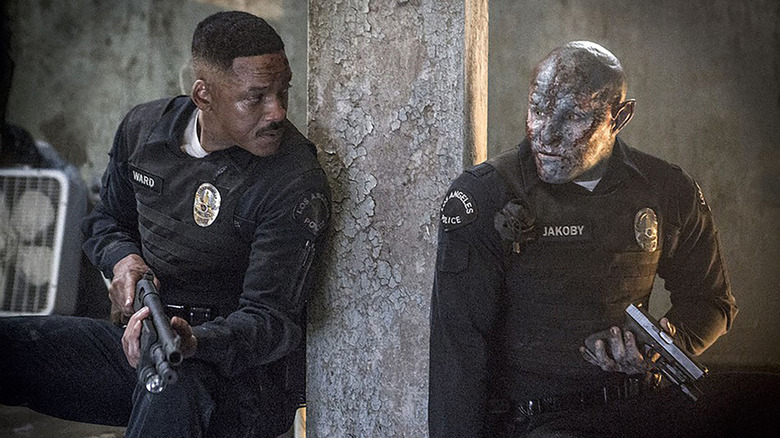
Creators, too, have pushed back. David Ayer famously defended Bright on social media, arguing that the film was intended for "real people" rather than "elitist critics." Similarly, Michael Bay has remained unapologetic about his high-octane style, emphasizing the technical difficulty of the stunts in 6 Underground.
5. Implications: The "Brand Dilution" Risk
The continued production of subpar, high-budget films carries significant implications for the industry:
The Erosion of Star Power: When actors like Ryan Reynolds or Gal Gadot appear in a string of "forgettable" streaming movies, it risks diluting their "theatrical draw." If audiences can see these stars for "free" (with a subscription) in mediocre projects, they may be less likely to pay for a cinema ticket to see them in a premium production.
The Stigma of "Straight-to-Streaming": While Netflix fought hard to remove the "direct-to-video" stigma, the release of films like Uglies threatens to reinstate it. The perception that a film "landed on Netflix because it wasn’t good enough for theaters" remains a persistent hurdle for the company’s prestige ambitions.
The Future of the Algorithm: As AI and data-driven development become more prevalent, the risk of "soulless" filmmaking increases. If Netflix continues to prioritize what the algorithm says people will click on over what a director wants to create, the gap between "prestige" and "sludge" will only widen.
In conclusion, while Netflix remains an essential tool for discovering world-class cinema, it also requires a discerning eye. Avoiding these five films isn’t just about saving time—it’s about demanding a higher standard from the world’s most powerful storyteller.


Leave a Comment