The Convergence of Spatial Computing and Cloud Gaming: Meta and Microsoft Deepen Ties via Horizon+
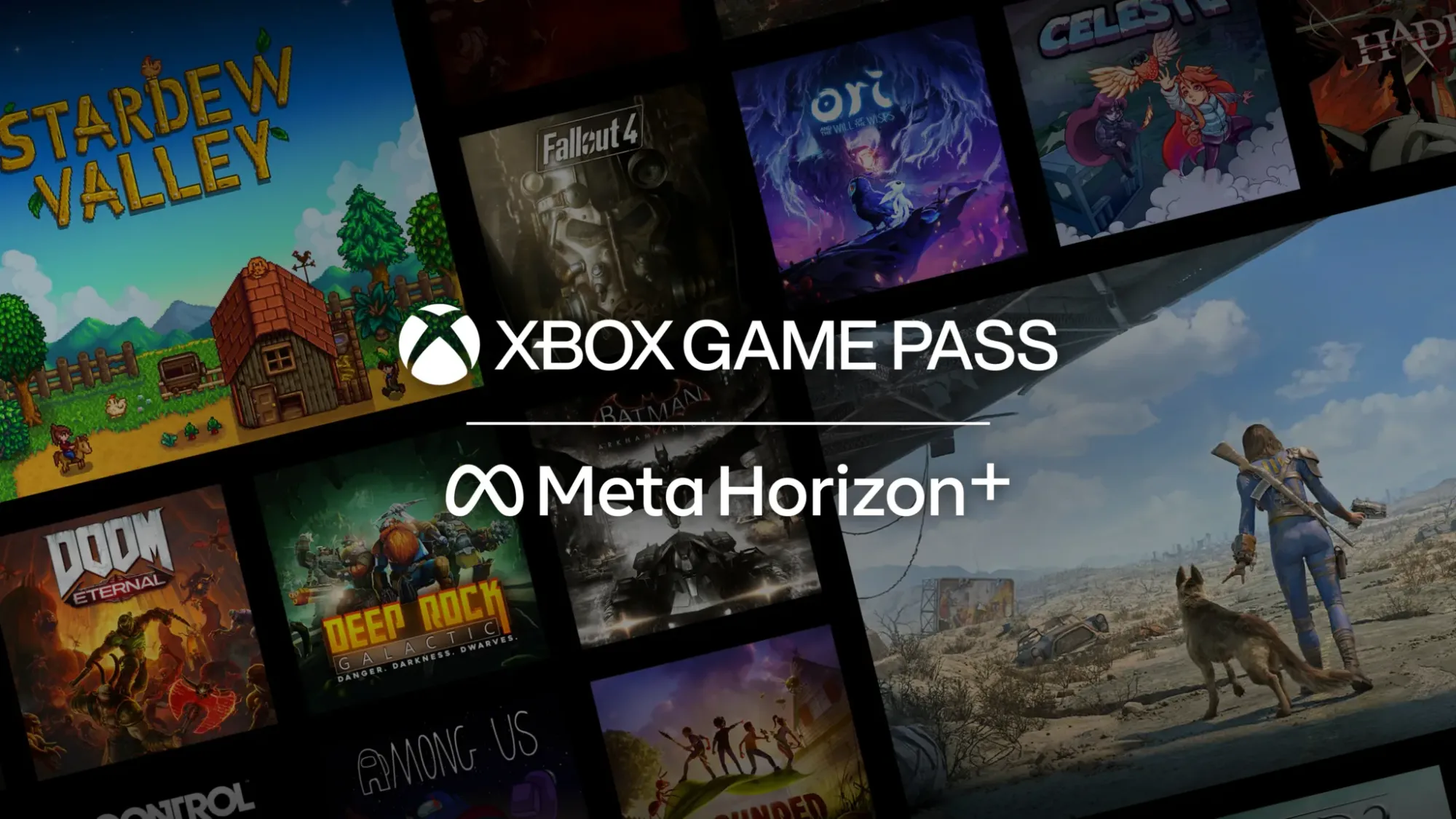
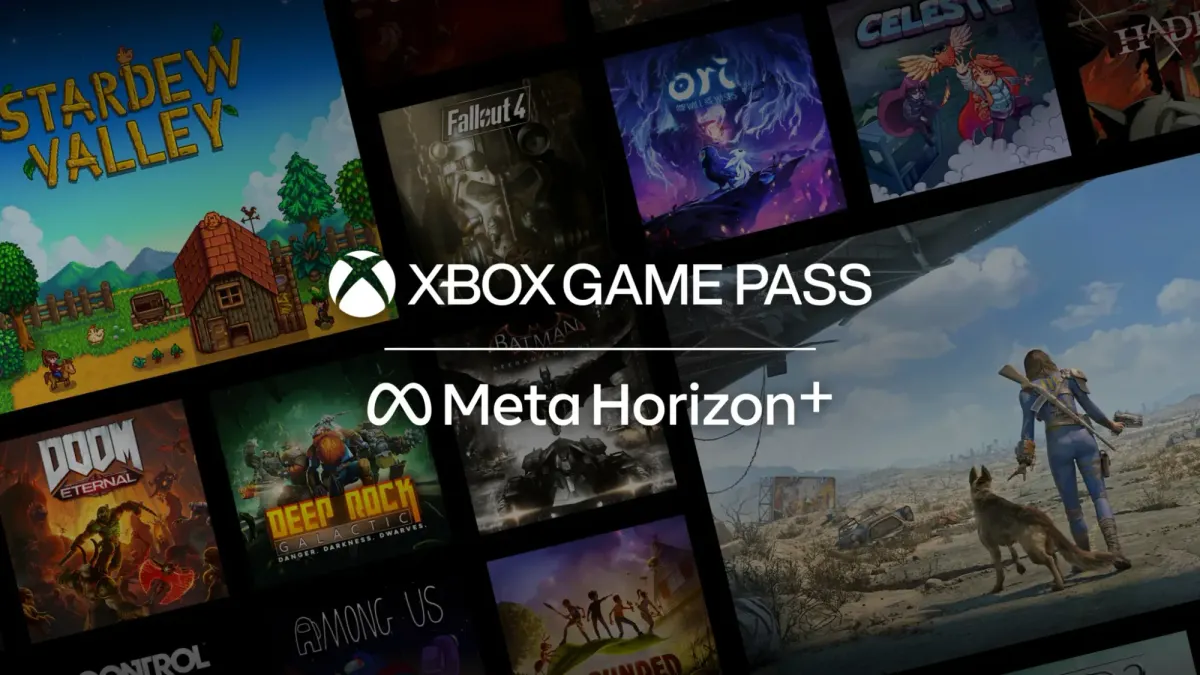
The landscape of immersive technology and digital entertainment underwent a significant shift this week as Meta announced a major expansion of its Horizon+ subscription service. In a move that further solidifies the strategic alliance between the social media giant and Microsoft, Meta has integrated a "starter edition" of Xbox Cloud Gaming into its premium VR subscription tier. This update introduces ten monthly hours of flatscreen cloud streaming for a curated selection of 58 Xbox titles, alongside a breakthrough technical feature: the ability to emulate a traditional Xbox gamepad using standard Quest Touch controllers.
This development marks a pivotal moment for the Meta Quest ecosystem, transitioning the headset from a dedicated virtual reality device into a versatile portal for mainstream gaming. By lowering the barriers to entry—both financial and technical—Meta and Microsoft are betting on a future where the hardware on one’s face is less important than the cloud-based services it can access.
Main Facts: The Horizon+ Expansion and Technical Integration
At the heart of the announcement is the enrichment of the Meta Horizon+ subscription (formerly known as Quest+). For a monthly fee of $8 (or an annual commitment of $60), subscribers now gain access to a dual-layered gaming library. While the service previously focused exclusively on downloadable VR titles, it now bridges the gap between spatial computing and traditional "flatscreen" gaming.
The "Starter Edition" of Xbox Cloud Gaming
Meta and Microsoft have categorized this new offering as a "starter edition" of the broader Xbox Game Pass service. Key features include:
- Curated Library: Access to 58 specific Xbox titles, allowing users to play high-fidelity console games on a massive virtual cinema screen within the headset.
- Time Allocation: Subscribers are granted 10 hours of streaming per month. This "taster" model is designed to entice users toward full Xbox Game Pass Ultimate subscriptions while providing immediate value to the Horizon+ ecosystem.
- No Separate Subscription Required: Crucially, users do not need a standalone Xbox Game Pass subscription to access these 58 titles, provided they are active Horizon+ members.
Breakthrough in Input: Touch Controller Emulation
Perhaps the most significant technical update is the introduction of gamepad emulation. Historically, using Xbox Cloud Gaming on a Quest headset required the user to own and pair a separate Bluetooth-enabled Xbox or third-party controller.
Meta has now confirmed that its Horizon OS will allow the included Quest Touch controllers to emulate the inputs of a standard Xbox gamepad. This software-level integration eliminates a major point of friction for casual gamers, allowing for a "pick-up-and-play" experience without requiring additional hardware. This feature, long sought after by the XR community and recently highlighted by industry enthusiasts like Luna, represents a sophisticated mapping of VR spatial inputs to traditional button layouts.
Chronology: The Evolution of the Meta-Microsoft Alliance
The integration of Xbox services into the Quest platform is not an isolated event but the latest chapter in a multi-year partnership aimed at dominating the "work and play" segments of the metaverse.
2022: The Foundation at Meta Connect
The partnership was publicly inaugurated during the 2022 Meta Connect keynote, where Microsoft CEO Satya Nadella joined Meta CEO Mark Zuckerberg. The duo outlined a vision where Microsoft’s productivity suite (Teams, Office 365) and gaming prowess (Xbox) would become native pillars of the Quest experience.
2023: The Launch of Xbox Cloud Gaming on Quest
In December 2023, the Xbox Cloud Gaming (Beta) app officially launched on the Meta Quest Store. This allowed Xbox Game Pass Ultimate subscribers to stream hundreds of titles onto a customizable virtual screen. While successful, the requirement for a separate $16.99/month subscription and a physical controller limited its appeal to "prosumers" and hardcore gamers.
2024: The Horizon+ Pivot
Throughout 2024, Meta began rebranding its ecosystem under the "Horizon" banner, moving from "Quest+" to "Horizon+" and opening its "Horizon OS" to third-party hardware manufacturers like ASUS and Lenovo. The inclusion of Xbox titles into Horizon+ serves as a cornerstone of this rebranding, positioning the subscription as a holistic "entertainment pass" rather than just a VR game catalog.
Supporting Data: Subscription Economics and Hardware Reach
The strategic logic behind this move is supported by current market trends in both the gaming and VR sectors.
The Value Proposition
The Horizon+ service is priced at $8 per month, positioning it as a mid-tier offering compared to competitors:
- Meta Horizon+: $8/month (Includes 100+ VR games + 10 hours of Xbox Cloud Gaming).
- Xbox Game Pass Ultimate: $16.99/month (Full cloud access + PC/Console library).
- PlayStation Plus Extra: $14.99/month.
By offering a "starter" version of Xbox gaming, Meta is effectively subsidizing the entry into the Xbox ecosystem. For Microsoft, this provides a massive top-of-funnel marketing opportunity to reach the millions of Quest 2, 3, and 3S owners who may not own an Xbox console.
Content Volume
The Horizon+ library is now one of the most diverse in the XR industry. It includes:
- The Games Catalog: A rotating selection of high-end VR titles.
- The Indie Catalog: A collection of experimental and niche VR experiences.
- The Xbox Starter Selection: 58 flatscreen titles available via the cloud.
This "all-you-can-eat" model mirrors the success of Netflix and Spotify, acknowledging that the modern consumer prefers a low-cost, high-variety subscription over individual $30–$60 software purchases.
Official Responses: A Shared Vision for "Meta Horizon OS"
While official press statements from Meta and Microsoft emphasize "player choice" and "ecosystem flexibility," the underlying rhetoric points toward a deeper strategic alignment.
A Meta spokesperson noted that the addition of Xbox titles is part of a broader effort to make Horizon OS the "most open and capable operating system for spatial computing." By integrating Microsoft’s gaming DNA, Meta is positioning its OS as a direct competitor to Apple’s visionOS, which lacks a comparable cloud-gaming partnership.
Microsoft, on the other hand, continues to pursue its "Xbox Everywhere" strategy. By bringing a version of Game Pass to Horizon+, Microsoft is further decoupling the Xbox brand from physical hardware. Industry analysts suggest that this "starter edition" is a calculated experiment to see if VR users can be converted into long-term cloud gaming subscribers.

Implications: The Future of the VR Industry
The expansion of Horizon+ has profound implications for the future of virtual reality and the broader gaming industry.
1. The Marginalization of Hardware Constraints
Cloud gaming solves one of the primary issues with mobile VR: the limits of mobile processing power. By streaming Xbox titles, a Quest 3S (priced at $299) can effectively play games that would normally require a $500 console or a $1,500 PC. As 5G and Wi-Fi 6E/7 become more prevalent, the distinction between "local" and "cloud" gaming will continue to blur, making the Quest a more formidable competitor to traditional consoles.
2. Pressure on Competitors (Sony and Apple)
Sony’s PSVR2 remains tethered to the PlayStation 5, and while it offers high-end experiences, it lacks the mobile flexibility and cloud-first approach of the Quest. Meanwhile, Apple’s Vision Pro, despite its superior hardware, currently lacks a cohesive gaming strategy or a partnership with a major gaming incumbent like Microsoft. Meta’s move reinforces its lead in the "value" segment of the market.
3. The Shift to "Spatial Entertainment"
The ability to play a flatscreen game on a 100-foot virtual screen while sitting in a virtual environment (or using Passthrough to see one’s actual living room) is a unique selling point. It transforms the Quest from a "VR headset" into a "personal cinema." This shift toward "spatial entertainment" suggests that the future of VR isn’t just about 360-degree immersion, but about enhancing the way we consume traditional media.
4. Subscription Fatigue and Retention
For Meta, the 10-hour limit on Xbox streaming is a clever retention tool. It is enough time for a user to get "hooked" on a game like Halo Infinite or Forza Horizon, but restricted enough that power users will eventually feel the need to upgrade to a full Xbox Game Pass subscription or remain loyal to Horizon+ to keep their progress. This creates a recurring revenue stream that is vital for Meta’s Reality Labs division, which has historically operated at a significant loss.
Conclusion
The enrichment of Meta Horizon+ with Xbox Cloud Gaming and Touch controller emulation is more than just a software update; it is a declaration of intent. Meta is no longer content with being a niche player in the gaming world. By leveraging Microsoft’s vast content library and removing the friction of extra hardware, Meta is making a play for the living room.
As the lines between console gaming, mobile gaming, and spatial computing continue to dissolve, the Quest platform is emerging as the central hub for this new era. For the consumer, the message is clear: the most versatile screen in your house might soon be the one you wear on your face. Through Horizon+, Meta and Microsoft are not just selling games; they are selling a new way to experience the digital world—one where the cloud provides the power, and the headset provides the infinite canvas.