The Architect of Survival: The Life and Legacy of Will Franz (1950–2026)

The comic book industry often celebrates the "superhero" as its primary archetype, but the medium’s true depth is frequently found in the gritty, human-centric margins of the war genre. On May 23, 2026, the industry lost one of its most poignant voices in this field. Will Franz, the writer who redefined the moral landscape of military comics during the Vietnam era, passed away of heart failure at the age of 75.
Though his professional tenure in comics was relatively brief, Franz’s impact was outsized. A teenage prodigy who transitioned from writing "propaganda" to crafting some of the most hauntingly realistic anti-war narratives of the 20th century, Franz remained a figure of immense respect among historians and fans alike. His life was defined not just by the stories he wrote, but by a lifelong commitment to survival—a theme that mirrored his personal struggles with chronic illness and his professional dedication to marginalized communities.
Main Facts: A Teenage Phenomenon at Charlton Comics
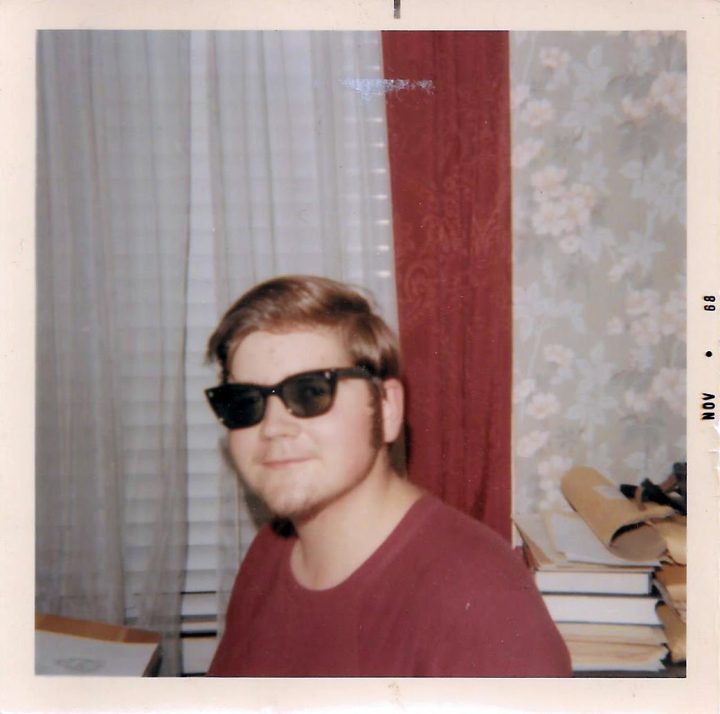
William Stephen Franz was born on November 14, 1950, in Brooklyn, New York. Unlike many of his peers who were enamored with the burgeoning Marvel Age of Superheroes, Franz was drawn to the visceral realism of titles like Gunsmoke, Air War, and Combat. His entry into the industry remains one of the most remarkable "foot-in-the-door" stories in comic history.
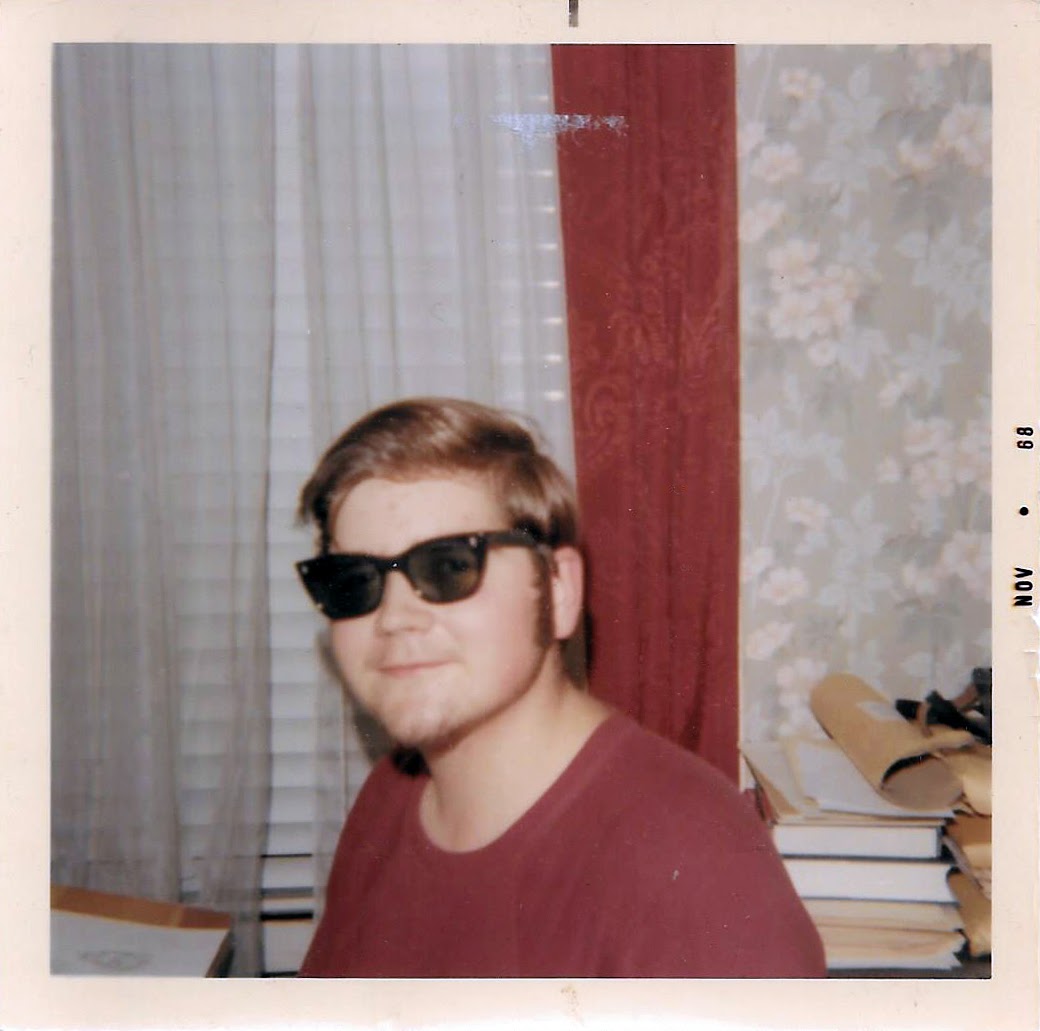
At just 15 years old, Franz reached out to his idol, artist Sam Glanzman, seeking a critique of his illustrations. Glanzman, recognizing a kindred spirit, noticed that the young Franz was "swiping" (copying for practice) Glanzman’s own work. Rather than being offended, Glanzman mentored the boy, teaching him the technical nuances of script formatting and encouraging him to submit his work to Dick Giordano, the legendary editor at Charlton Comics.
By the age of 16, Franz was a published professional. His first story, "The Sniper," appeared in Charlton Premiere #19 (1967). While Giordano was stunned by the maturity of the teenager’s prose, Franz would later look back on this early work with a critical eye, labeling the clear-cut "hero vs. villain" dynamic of the Vietnam-set story as "a bit of propaganda." However, this debut served as the catalyst for a series of works that would soon challenge the very foundations of the war comic genre.
Chronology: From the Trenches to the Fencing Piste
The Charlton Era (1967–1970)
Franz’s career at Charlton was defined by three major serials, all produced under the mentorship of Glanzman. Despite the company’s notoriously low pay—Franz started at just $4 per page—the creative freedom afforded by Charlton’s hands-off editorial style (at least initially) allowed him to experiment.
- The Iron Corporal (1967–1969): Appearing in Army War Heroes, this series featured Ian Heath, an American volunteer in the Australian army. The character was born from editorial pressure to include a "gimmick"—in this case, iron ribs from a surgical procedure. Franz, showing an early rebellious streak, used the gimmick sparingly, focusing instead on the psychological toll of the Pacific theater.
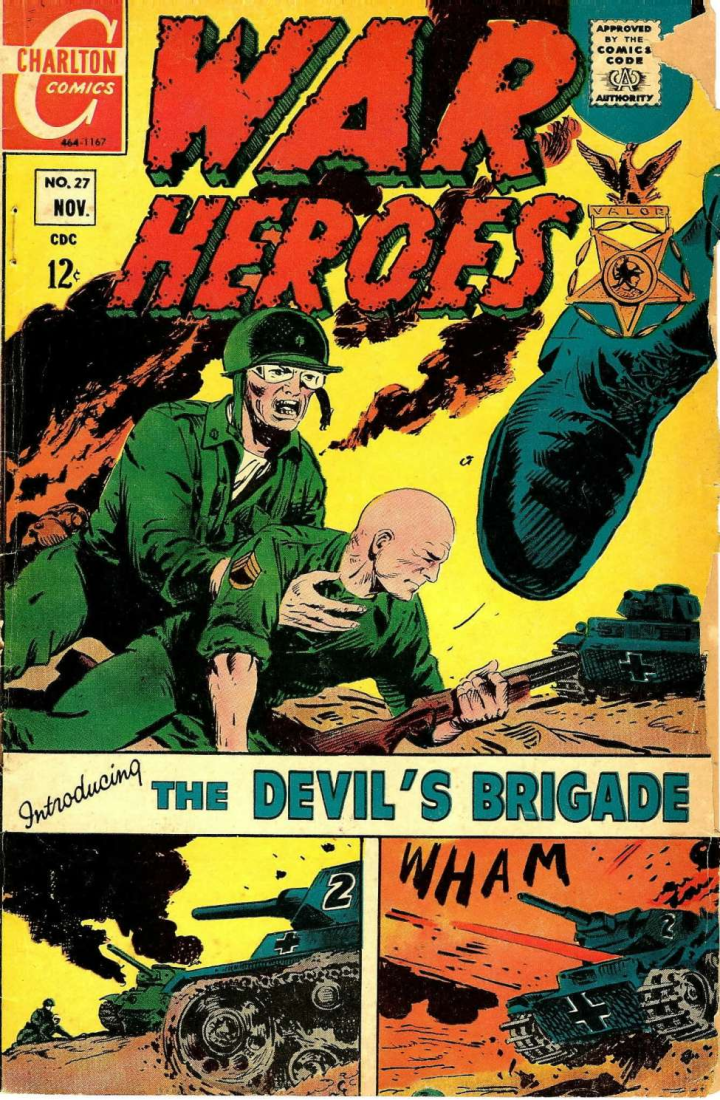
- The Devil’s Brigade (1969): A short-lived series focusing on North African tank combat. Franz later expressed relief at its cancellation, citing a lack of research that led to glaring anachronisms, such as the inclusion of post-WWII Centurion tanks.
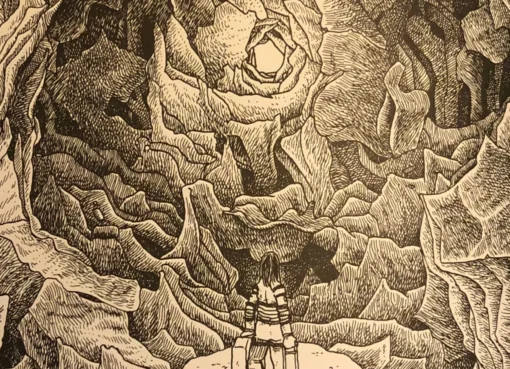
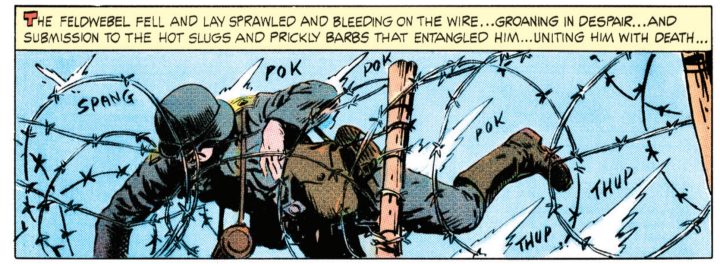
- The Lonely War of Captain Willy Schultz (1967–1970): This was Franz’s masterpiece. It followed a German-American officer wrongfully accused of murder who escapes custody and attempts to survive the war while being hunted by his own side.
The Departure and Second Acts (1970–2000)
By 1970, the political climate of the United States and the internal politics of Charlton Comics conspired to end Franz’s regular contributions. After a brief, uncredited stint at DC Comics—hampered by a discouraging rejection from an unnamed editor who mocked his confidence—Franz largely walked away from the industry.
He transitioned into a "civilian" life that was no less eclectic. He worked as an accountant for an insurance firm and served in the New York City Parks Department. However, his passion for history manifested in his role as a Varsity Fencing Coach at Pace University and a manager for the City College of New York (CCNY) fencing program. He became a fixture in the historical reenactment community, helping found The League of Renaissance Swordsmen.
The Final Years and Legacy (2000–2026)
In his later years, Franz returned to the periphery of comics. He collaborated again with Glanzman on the Roman-era webcomic The Eagle in 2002 and participated in retrospective interviews that cemented his status as a "writer’s writer." Much of his final decade was dedicated to social service, hosting creative writing workshops for adults with physical disabilities at the Axis Project in New York.
Supporting Data: The Anatomy of "Willy Schultz"
To understand why Will Franz is considered a giant of the genre, one must look at the specific narrative choices in The Lonely War of Captain Willy Schultz. At a time when Sgt. Rock was portraying war as a gritty but ultimately heroic endeavor, Franz and Glanzman were producing something far more nihilistic.
- The Anti-Hero Archetype: Willy Schultz was not a patriot; he was a fugitive. By placing an American protagonist in a German uniform, Franz forced readers to confront the humanity of the "enemy" and the ambiguity of survival.
- Critical Acclaim: The series is included in 1000 Comics You Must Read, where it is cited as one of the best war series of all time. Critics often compare it to the legendary EC Comics titles Frontline Combat and Two-Fisted Tales for its refusal to glamorize violence.
- Editorial Resistance: Internal data from Charlton suggests that Franz’s work was often at odds with the company’s "hawkish" stance. Records show that Joe Gill, a prolific but more traditional writer, frequently altered Franz’s dialogue to make the stories more "pro-military." In one instance, a massacre of POWs by partisans was rewritten to be "self-defense" against Franz’s wishes.
Official Responses and Political Conflict
The cancellation of Willy Schultz in 1970 remains a point of historical contention. While Charlton officially cited a "large inventory of stories" as the reason for dropping the series, Franz maintained a different theory based on the political climate of the Vietnam War.
In 2019, Franz revealed that a fan of his work—the son of a prominent Hollywood figure—had registered for the draft as a conscientious objector, specifically citing The Lonely War of Captain Willy Schultz as the reason for his pacifism. Franz believed that word of this reached Charlton’s management, who were largely conservative and pro-war. Fearing controversy and a potential backlash from pro-military readers, the company quietly killed the series.
Decades later, in a 2000 radio interview on WBAI’s Nuff Said, Franz addressed these political rifts. Despite being labeled a "dove" by his former colleague Joe Gill, the two shared a moment of reconciliation on air. Franz famously stated: "My generation would have fought against Hitler and Tojo… We just didn’t want to be the Hessians in Vietnam."
Implications: The Fight for Survival
The overarching theme of Will Franz’s life and work was survival against overwhelming odds. This was not merely a literary choice; it was a reflection of his physical reality. Diagnosed with Type 1 diabetes in his late teens, Franz suffered from unsteady hands that cut short his ambitions to be an illustrator.
His diabetic counselor once noted that Franz’s attraction to the war genre likely stemmed from his own daily battle with a chronic, life-threatening illness. This perspective gave his writing an authenticity that few of his contemporaries could match. When he wrote about a soldier trapped behind enemy lines, he was writing about the fragility of the human body.
A Lasting Legacy
The 2018 Kickstarter campaign by It’s Alive and Dark Horse Comics to reprint Willy Schultz in its intended form (restoring Franz’s original dialogue and correcting editorial errors) served as a final vindication of his vision. Although the project’s organizers, Sam Glanzman and Drew Ford, passed away before its completion, the collection stands as a monument to Franz’s "anti-glory" philosophy.
Will Franz’s passing marks the end of an era for the "Bronze Age" of comics. He leaves behind a body of work that serves as a permanent challenge to the romanticization of conflict. As he told The Comics Journal in 2025: "If you want to go to war after reading one of my stories, then I didn’t do my job."
Franz is survived by his widow, Annalisa Rivera-Franz. In lieu of flowers, the family has requested donations to help cover the significant medical costs incurred during his final years of care—a final, sobering reminder of the "lonely war" many creators face in their twilight years.