
Divine Harmony Reimagined: An Artist’s Journey into Hindu Mythology
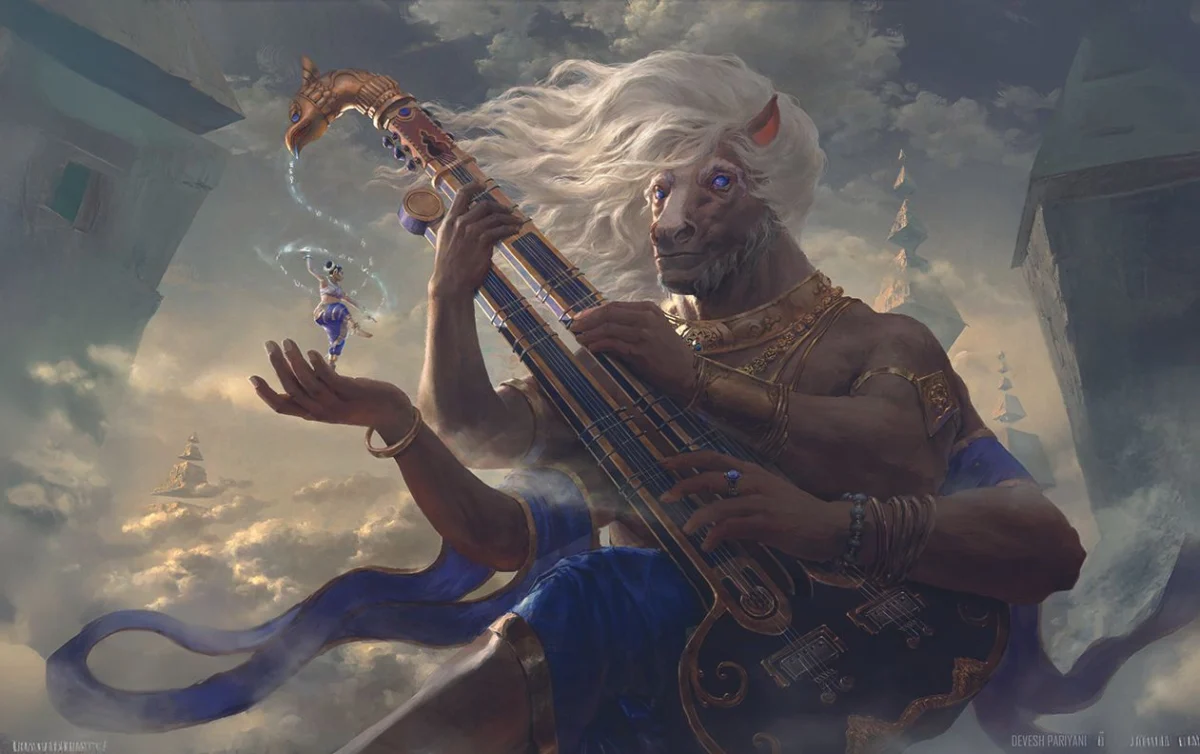
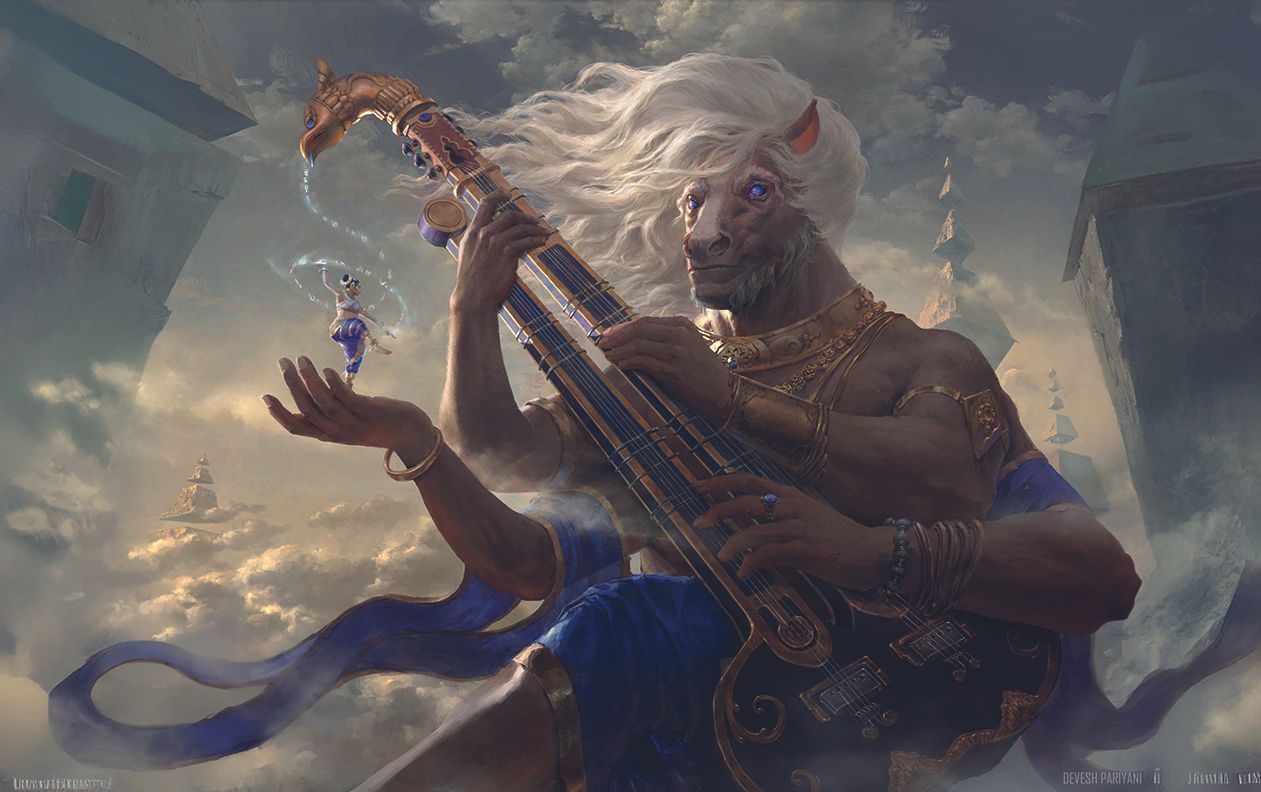
An innovative digital art piece, "Sangam," breathes new life into ancient Hindu mythology, depicting the celestial union of a Gandharva and an Apsara with breathtaking visual artistry and a meticulous creative process.
This captivating artwork, the brainchild of a visionary artist, ventures beyond traditional interpretations to present a dynamic and evocative portrayal of divine romance and cosmic harmony. "Sangam," meaning confluence or union, masterfully encapsulates the sacred bond between a Gandharva, a celestial musician, and an Apsara, a celestial dancer. The artist’s unique vision reimagines these mythical beings, infusing them with a potent blend of classical iconography and cinematic grandeur, offering viewers a glimpse into the ethereal realms of Svarga, the abode of the gods.
At the heart of the composition stands the Gandharva, envisioned with striking equine features seamlessly integrated into a human form, a testament to the artist’s skill in morphing distinct physiologies. This divine musician is further distinguished by a four-armed anatomy, a deliberate choice to balance the monumental scale of a veena-inspired instrument. This colossal instrument transcends its musical purpose, serving as a physical stage for the Apsara’s ethereal performance, a visual metaphor for the symbiotic relationship between their arts and their very existence.
The artwork is a symphony of cultural references and artistic innovation. Traditional Indian iconography, such as the intricate bird-headed carvings that adorn the celestial architecture, are woven into the fabric of the piece, grounding the fantastical elements in a rich historical and spiritual context. The overall effect is one of rhythmic harmony, a visual representation of the interconnectedness and balance that define the celestial realms. This detailed approach not only showcases the artist’s technical prowess but also their profound respect for the source material, creating a piece that is both aesthetically stunning and culturally resonant.
The creation of "Sangam" was not a spontaneous act but a carefully orchestrated journey, involving meticulous research, iterative design, and advanced digital art techniques. The artist’s dedication to capturing the essence of Hindu mythology while pushing the boundaries of contemporary art is evident in every brushstroke, every sculpted form. This article delves into the intricate process behind "Sangam," exploring the artist’s inspirations, the technical challenges overcome, and the profound message conveyed through this remarkable digital masterpiece.
The Genesis of Celestial Union: From Sketch to Concept
The artistic endeavor behind "Sangam" began with a deep dive into the rich tapestry of Hindu mythology. The artist’s initial phase was dedicated to extensive sketching and research, laying the foundational understanding for the complex imagery they aimed to create. The central challenge was to seamlessly merge the distinct characteristics of a horse, embodying the Gandharva’s equine heritage, with a human face. This necessitated a profound study of equine anatomy, focusing on the underlying muscle structure, the way light interacts with hair, and the ornamentation that would signify divinity and celestial status.
To bridge the gap between mythical representation and tangible form, the artist constructed a detailed mood board. This visual repository served as a crucial tool for problem-solving, allowing for the exploration of various aesthetic avenues. Within this board, classical Indian dance poses were meticulously studied to capture the grace and fluidity expected of an Apsara, while traditional veena designs informed the aesthetic and structural integrity of the monumental instrument. The goal was to ensure that every element, no matter how fantastical, was rooted in a believable cultural and physical reality. This rigorous approach ensured that the final artwork would be not just visually striking but also intellectually and spiritually grounded. The research extended to understanding the symbolic meanings of different postures, adornments, and musical instruments within Hindu traditions, ensuring that each choice contributed to the narrative and thematic depth of the piece.
Crafting the Divine Form: 3D Blockout and Value Sketching
With the conceptual framework firmly established, the artist transitioned to the technical execution of "Sangam" by employing sophisticated digital tools. The next pivotal stage involved translating the preliminary sketches into a three-dimensional blockout using the powerful capabilities of Blender. This step was paramount in effectively managing the complex perspective inherent in a multi-armed figure and in accurately conveying the sheer, imposing scale of the central instrument. The 3D blockout allowed for a comprehensive understanding of the spatial relationships between the characters and their environment, ensuring that the composition was dynamic and visually engaging.
Once the 3D model was established, it was rendered and then imported into Photoshop. Here, the artist embarked on the crucial task of creating a greyscale value sketch. This process was instrumental in defining the cinematic lighting that would bathe the scene, imbuing it with a sense of drama and ethereal beauty. The greyscale rendering allowed the artist to focus solely on the interplay of light and shadow, establishing the tonal foundation for the final artwork. Furthermore, the artist deliberately introduced "broken" edges, a technique that softens the often-sharp lines of 3D forms, lending them a more organic and painterly quality. This careful manipulation of edges helped to integrate the 3D elements seamlessly, creating a cohesive and visually appealing composition that hinted at the richness of the eventual color palette. This phase was critical in ensuring that the artwork possessed both the grandeur of a cinematic production and the nuanced artistry of a classical painting.
The Alchemical Touch: Final Coloration and Refinement
The final stage of bringing "Sangam" to life involved the application of color and intricate refinement, transforming the greyscale sketch into a vibrant and breathtaking visual narrative. In this phase, the artist employed color glazes, a technique that allows for the subtle layering of hues to build depth and luminosity. Particular attention was paid to rendering the rich textures of precious materials, such as gleaming gold and flowing silk, imbuing the celestial beings with a palpable sense of opulence and divine grace.
To enhance the otherworldly atmosphere, the artist utilized custom brushes, meticulously crafting glowing effects that emanated from the Apsara, signifying her radiant presence and her mastery of celestial dance. These brushes were also instrumental in rendering the intricate carvings that adorned the architectural elements and the monumental instrument, adding layers of detail that invited closer inspection. The final touches involved the strategic placement of sharp specular highlights on the jewellery worn by the divine figures. These brilliant glints of light served a dual purpose: they not only added a captivating sparkle, enhancing the visual richness of the adornments, but also effectively separated the characters from the atmospheric, softly rendered background of the celestial realm. This final push for contrast and definition ensured that the central figures of the Gandharva and Apsara commanded the viewer’s attention, their divine union the undeniable focal point of this magnificent artistic creation. The interplay of light, texture, and color in this final stage elevated "Sangam" from a technically proficient piece to an emotionally resonant and spiritually evocative masterpiece.
A Confluence of Inspiration and Technique
The creation of "Sangam" is a testament to the power of blending diverse artistic disciplines and a deep appreciation for cultural heritage. The artist’s journey from initial concept to final render showcases a sophisticated understanding of both traditional artistic principles and cutting-edge digital tools.
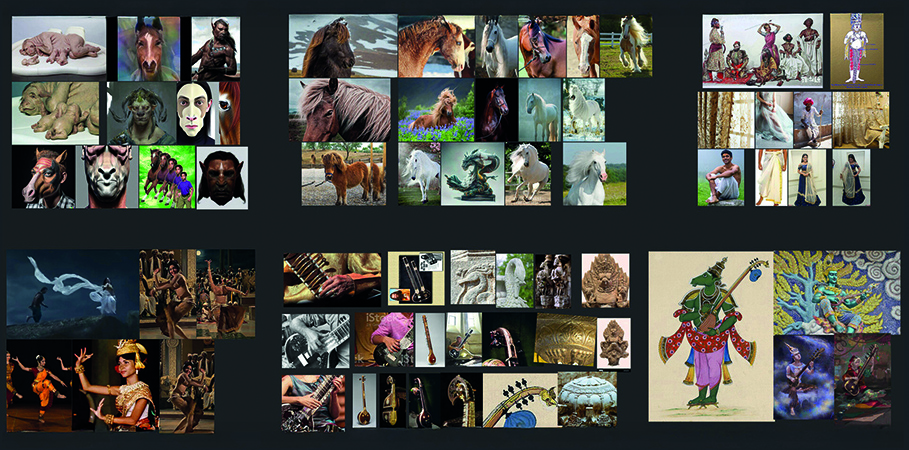
The initial research phase, as detailed in the "Sketch and Research" section, underscores the importance of grounding fantastical elements in a believable context. By studying equine muscle structure, hair translucency, and traditional ornaments, the artist ensured that the Gandharva’s unique form felt organic rather than arbitrary. Similarly, the immersion in classical Indian dance poses and veena designs for the Apsara and her instrument, respectively, injected authenticity and cultural resonance into the artwork. This meticulous attention to detail is crucial for creating art that not only visually impresses but also intellectually stimulates and spiritually connects with the audience.
The transition to 3D modeling, described in the "3D Blockout and Value Sketch" section, highlights the artist’s adeptness at navigating complex technical challenges. The use of Blender for creating the blockout was essential for accurately representing the multi-armed perspective and the monumental scale of the veena. This stage demonstrates how 3D software can serve as a powerful tool for visualizing and refining complex compositions before the final rendering. The subsequent greyscale value sketch in Photoshop allowed for a critical focus on lighting and composition, ensuring a cinematic feel and a painterly quality by strategically softening 3D forms. This iterative process of moving between 3D and 2D environments is a hallmark of modern digital art creation, enabling artists to achieve a level of polish and detail that would be difficult to attain otherwise.
The final coloration and refinement, as outlined in the "Final Colour and Refinement" section, reveal the artist’s mastery of subtle techniques. The application of color glazes, the careful rendering of luxurious materials like gold and silk, and the strategic use of custom brushes for glowing effects and intricate carvings all contribute to the artwork’s stunning visual impact. The deliberate placement of sharp specular highlights is a sophisticated technique that adds depth, separation, and a final touch of brilliance, making the characters “pop” against their atmospheric backdrop. This attention to the minutiae of light interaction and material rendering is what elevates "Sangam" from a mere illustration to a truly immersive and awe-inspiring piece of art.
The entire process behind "Sangam" exemplifies a holistic approach to digital art creation, where research, technical skill, and artistic intuition converge to produce a work of exceptional beauty and narrative depth. The artist’s ability to translate ancient myths into a visually compelling contemporary format, respecting the source material while imbuing it with a fresh perspective, is a significant achievement. This detailed breakdown of the creative journey offers valuable insights into the dedication and expertise required to produce such a remarkable piece, serving as an inspiration for aspiring artists and a source of admiration for art enthusiasts alike.
Implications and Artistic Significance
The creation of "Sangam" carries significant implications for the field of digital art and the broader appreciation of cultural narratives. By re-imagining Hindu mythology with a contemporary aesthetic and cinematic sensibility, the artist has not only produced a visually stunning artwork but has also opened new avenues for the interpretation and dissemination of ancient stories. This fusion of traditional iconography with modern artistic techniques demonstrates a powerful approach to cultural preservation and evolution.
The artwork’s ability to transcend its digital medium and evoke a sense of wonder and spiritual connection speaks to the universal power of compelling storytelling and masterful artistry. "Sangam" serves as a compelling example of how digital art can be a potent tool for exploring and reinterpreting cultural heritage, making it accessible and engaging for new generations. The artist’s success in balancing the monumental scale of their vision with intricate detail underscores a profound understanding of visual narrative, ensuring that the piece is both grand in scope and rich in nuance.
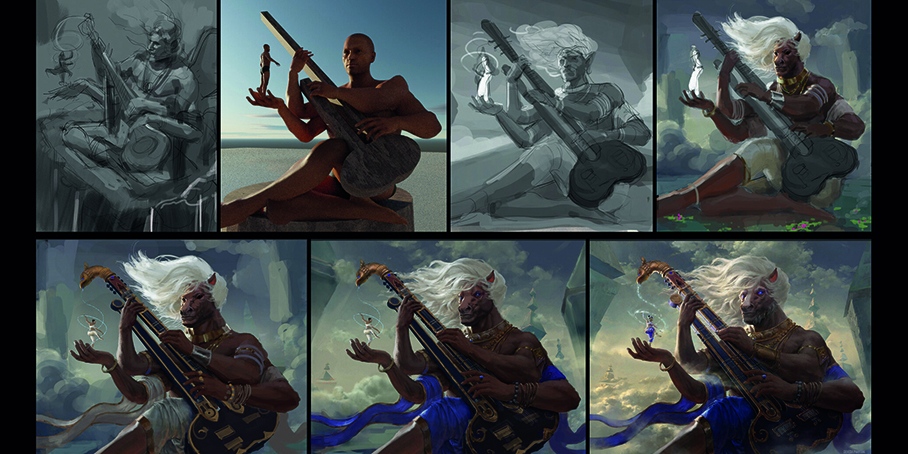
Furthermore, the detailed process shared by the artist offers a valuable educational resource. It demystifies the creation of complex digital art, providing aspiring artists with practical insights into the methodologies and tools employed by professionals. The emphasis on research, iterative design, and the strategic use of software like Blender and Photoshop highlights the blend of technical proficiency and creative vision required in contemporary digital art.
In essence, "Sangam" is more than just a digital painting; it is a cultural bridge, a testament to artistic innovation, and an exploration of the enduring power of mythology. It challenges viewers to consider new perspectives on familiar stories and inspires a deeper appreciation for the intricate relationship between art, culture, and technology. The artwork’s impact extends beyond its aesthetic appeal, fostering a renewed interest in the rich tapestry of Hindu mythology and demonstrating the vital role of contemporary artists in keeping these timeless narratives alive and vibrant.
This article originally appeared in ImagineFX. Subscribe to ImagineFX to never miss an issue. Print and digital subscriptions are available. Creative Bloq is now easier to access than ever before with our on-the-go app, which brings you all the content you know and love from our website, but in a super-streamlined design. Download the Creative Bloq app for iOS and Download the Creative Bloq app for Android. For more tips, see our roundup of Photoshop tutorials.



Leave a Comment