
From Strategy to Studio: Nicholas Lovell’s Resilience and the Rise of ‘Trash Goblin’
LONDON — Nicholas Lovell, the influential consultant, author, and founder of the industry-shaping blog Gamesbrief, has announced his return to the forefront of the gaming world following a protracted battle with Long Covid. In a move that signals a significant shift from industry analysis to active game development, Lovell has partnered with Spilt Milk Studios to launch a Kickstarter campaign for their latest project, Trash Goblin.
The announcement marks a poignant chapter for one of the UK’s most respected voices in game business strategy. After eighteen months of relative silence, Lovell’s return—and the immediate success of the Trash Goblin crowdfunding effort—highlights not only the personal resilience of the developer but also the evolving landscape of the "cozy game" genre and the enduring power of community-backed indie projects.
I. Main Facts: A Veteran Returns to the Craft
On December 7, 2023, Nicholas Lovell broke a long-standing silence on Gamesbrief to reveal the dual nature of his recent absence: a debilitating struggle with chronic illness and a newfound creative partnership with Andrew Smith of Spilt Milk Studios. Lovell, known primarily for his expertise in free-to-play mechanics and digital monetization strategy, is stepping into a hands-on role to help bring Trash Goblin to life.
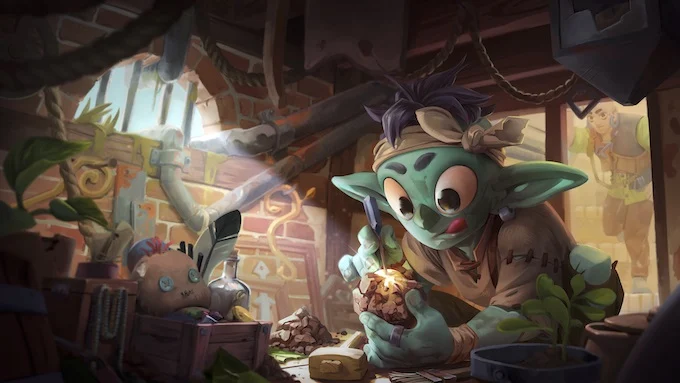
Trash Goblin is described as a "cozy shopkeeping game" where players are tasked with cleaning, upcycling, and selling trinkets within a wholesome fantasy setting. Within the first 24 hours of its Kickstarter launch, the project successfully raised £10,000, signaling strong market interest in the title’s premise and the reputation of its creators.
The transition from a consultant role to a creative one comes at a time when the "Wholesome Games" movement is gaining massive traction on platforms like Steam and the Nintendo Switch. For Lovell, the move represents a culmination of years of theoretical analysis being put into practical application, albeit under the physical constraints of his ongoing recovery.
II. Chronology: The Long Road to Recovery and Development
The timeline of Lovell’s hiatus and subsequent return provides a sobering look at the impact of the pandemic on industry professionals and the slow, arduous process of returning to productivity.
May 2022: The Onset of Illness
Nicholas Lovell contracted Covid-19 in May 2022. While many in the industry were returning to physical events and "business as usual," Lovell became part of the significant minority of patients who develop Long Covid—a condition characterized by persistent, often debilitating symptoms that last months or years after the initial infection.
January 2023: The Nadir
By early 2023, Lovell’s condition had reached a critical point. He describes this period as a time when basic daily functions—such as eating three meals and taking a shower—constituted his entire capacity for exertion. The rest of his time was spent in bed, battling severe fatigue and "brain fog," a cognitive impairment that makes the high-level strategic thinking required for his usual consulting work nearly impossible.
Mid-2023: Reflection and Realignment
During his forced period of rest, Lovell engaged in deep reflection regarding his career and goals. Having spent decades advising others on how to make games profitable and sustainable, he decided that his remaining energy should be channeled into the actual creation of games. This period saw the strengthening of his relationship with Andrew Smith, the founder of Spilt Milk Studios, an independent developer known for titles like Lazarus and Tango Fiesta.
December 2023: The Launch of Trash Goblin
Lovell announced that he is approximately 40% recovered—a milestone that allows for part-time professional engagement. This recovery coincided with the official unveiling of Trash Goblin and its Kickstarter campaign. The project serves as Lovell’s "re-entry" into the industry, albeit with a focus on sustainable pacing to manage his health.
III. Supporting Data: The Market for Cozy Games and Crowdfunding
The success of the Trash Goblin Kickstarter is not an isolated event but rather a reflection of several converging trends in the gaming industry.
The "Cozy" Boom
The "cozy game" genre, characterized by non-violent gameplay, creative tasks, and low-stress environments, has seen exponential growth since 2020. Titles like Animal Crossing: New Horizons, Stardew Valley, and Unpacking have paved the way for games like Trash Goblin. According to market analysts, the "Wholesome Games" tag on Steam has seen a 25% year-over-year increase in player engagement, as audiences increasingly seek digital spaces for relaxation and mindfulness.
Kickstarter as a Validation Tool
While some major studios have moved away from crowdfunding, it remains a vital tool for indie developers to gauge "Product-Market Fit"—a concept Lovell himself has written about extensively.

- Initial Momentum: Raising £10,000 within 24 hours places Trash Goblin in the top tier of indie game starts on the platform.
- Community Building: For a game centered on "upcycling" and "cleaning," the Kickstarter model allows the developers to build a community of "True Fans" (a concept from Lovell’s book The Curve) who are emotionally and financially invested in the game’s niche appeal.
The Impact of Long Covid on the Workforce
Lovell’s struggle mirrors a broader economic trend. Data from the UK Office for National Statistics (ONS) suggests that hundreds of thousands of workers have been sidelined or have had to reduce their hours due to Long Covid. Lovell’s public transparency about his "40% recovery" provides a rare, high-profile example of "pacing"—a medical management strategy for chronic fatigue—within the fast-paced tech sector.
IV. Official Responses: Insights from the Founders
In his personal address to the Gamesbrief community, Lovell was candid about the limitations placed upon him by his health and his excitement for the new project.
"I’ve been very quiet at Gamesbrief for a while," Lovell stated. "I was lucky to be able to have a shower and eat three meals [in January]… That gave me some time to reflect on what I want to do. And one of the main things I want to do is to make games."
Regarding the partnership with Spilt Milk Studios, Lovell emphasized the collaborative nature of the effort: "As my health improves… I’m going to step up to help Andrew Smith at Spilt Milk Studios make great games. And our first game together will be Trash Goblin."
Andrew Smith, founder of Spilt Milk Studios, has expressed enthusiasm for the collaboration, noting that Lovell’s deep understanding of game loops and player psychology adds a unique layer of sophistication to the "cozy" mechanics of Trash Goblin. The studio’s mission with the game is to create a "wholesome fantasy world" that focuses on the satisfaction of restoration—taking something broken or dirty and making it valuable again—a theme that resonates deeply with Lovell’s own journey of recovery.
V. Implications: Strategy, Health, and the Future of Indie Dev
The return of Nicholas Lovell and the launch of Trash Goblin carry several significant implications for the wider games industry.
1. The Consultant-to-Creator Pipeline
Lovell’s transition is a litmus test for the "expert" community. For years, Lovell has authored seminal texts like How to Publish a Game and Design Rules for Free-to-Play Games. By applying his own theories to Trash Goblin, he is putting his professional reputation on the line. If the game succeeds, it validates the strategic frameworks he has championed for over a decade.
2. Normalizing Chronic Illness in Tech
By openly discussing brain fog and fatigue, Lovell is challenging the "hustle culture" often found in game development. His approach—prioritizing rest and working at a 40% capacity—serves as a model for how the industry might accommodate talented individuals with chronic conditions. It suggests that "slow development" can still be highly productive and commercially successful.
3. The Psychology of "Cleaning" Games
Trash Goblin taps into a specific psychological niche: the satisfaction of order. Following the success of PowerWash Simulator, the industry has realized there is a massive market for games that simulate chores in a gamified, rewarding environment. By adding an "upcycling" and "shopkeeping" mechanic, Spilt Milk Studios is evolving the genre from mere simulation to a creative economy.
4. The Future of Gamesbrief
While Lovell is focusing on development, the legacy of Gamesbrief as a repository of business knowledge remains. His return suggests a potential shift in the blog’s content—moving from abstract strategy to "devlog" style insights that provide a behind-the-scenes look at the financial and operational realities of a modern indie studio.
Conclusion
The story of Trash Goblin is more than just the launch of a new indie game; it is a narrative of personal reclamation. Nicholas Lovell’s journey from the isolation of chronic illness back to the collaborative energy of a game studio reflects a broader human desire to create and contribute, even in the face of physical limitations. As the Kickstarter campaign continues to gain momentum, the industry will be watching closely—not just to see if a "Trash Goblin" can find treasure in the dirt, but to see how one of its brightest minds navigates the delicate balance between health and ambition.
For more information on the project, visit the Trash Goblin Kickstarter page.


Leave a Comment