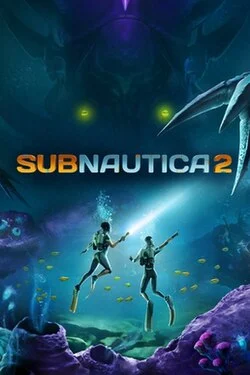
Legal Waters Turn Turbulent: Krafton Ordered to Reinstate Subnautica Founders Following $250 Million Earn-Out Dispute
WILMINGTON, DE — In a landmark ruling that has sent shockwaves through the global video game industry, the Delaware Court of Chancery has ruled against South Korean gaming giant Krafton Inc. in the first phase of a high-stakes legal battle involving the creators of the Subnautica franchise. The court found that Krafton breached its acquisition contract by terminating the founders of Unknown Worlds Entertainment—most notably CEO Edward Gill—in what the judge described as an unlawful attempt to "weasel out" of a $250 million earn-out agreement.
The decision, handed down this week, marks a significant victory for creative independence in an era of aggressive industry consolidation. The ruling not only mandates the immediate reinstatement of the studio’s leadership but also provides a rare and scathing look into the internal machinations of one of the world’s largest gaming conglomerates.
The Core Dispute: A Quarter-Billion Dollar Friction
At the heart of the litigation is a classic M&A (merger and acquisition) conflict escalated to an extreme degree. When Krafton acquired Unknown Worlds in 2021, the deal was structured with a significant "earn-out" provision. This common financial mechanism allows a buyer to pay a lower upfront price, with the remaining balance—in this case, a staggering $250 million—contingent on the studio meeting specific performance milestones, largely tied to the development and launch of Subnautica 2.
As the sequel neared its critical Early Access phase, the founders of Unknown Worlds appeared to be on track to trigger the full payout. According to court documents, Krafton leadership allegedly began seeking ways to circumvent this obligation. The strategy employed, according to the lawsuit, was the summary dismissal of the founders for "cause," a move that would legally void the earn-out requirements under the original purchase agreement.
The founders countered with a lawsuit, alleging that the "cause" cited by Krafton was manufactured and pretextual, designed specifically to save the parent company $250 million at the expense of the individuals who built the brand.
Chronology of the Conflict
The timeline of the dispute reveals a deteriorating relationship between the South Korean publisher and its American subsidiary, characterized by a shift from collaborative optimism to tactical hostility.
2021: The Acquisition
Krafton, flush with capital from the ongoing success of PUBG: Battlegrounds, acquires Unknown Worlds. The move is hailed as a way for Krafton to diversify its portfolio with high-quality, Western-developed intellectual property. The contract includes the $250 million earn-out, meant to incentivize the founders to stay through the completion of Subnautica 2.
2023–2025: Development and Divergence
While Subnautica 2 remains in active development, internal friction begins to mount. Reports suggest disagreements over the "live service" elements of the sequel. As the project reaches milestones that make the earn-out look increasingly inevitable, Krafton’s internal communications—later revealed in discovery—begin to focus on "cost mitigation" regarding the acquisition.
Late 2025: The "Ouster"
In a sudden move that stunned the development team, Krafton terminates CEO Edward Gill and other key founders. The company claims the dismissals are "for cause," citing unspecified breaches of corporate policy and management failures. The move effectively freezes the founders out of the studio and, by extension, cancels their claim to the $250 million.
Early 2026: Litigation and Discovery
The founders file suit in Delaware, the legal home of many corporate entities, seeking reinstatement and the protection of their contractual rights. The discovery phase yields a treasure trove of internal Krafton documents, which industry veteran Rami Ismail and others have highlighted as "fascinating" insights into corporate overreach.
March 17, 2026: Phase 1 Ruling
The judge delivers a decisive blow to Krafton, ruling that the firing of Edward Gill was a breach of contract. The court orders his reinstatement and takes the extraordinary step of enjoining Krafton from interfering with his authority over the upcoming Early Access launch of Subnautica 2.
Supporting Data: The Discovery Revelations
The discovery documents shared during the trial provided the "smoking gun" evidence that influenced the judge’s decision. While many details remain redacted for commercial sensitivity, the available highlights suggest a calculated effort by Krafton to destabilize the studio’s leadership to trigger a "default" on the earn-out.

According to the judge’s summary, Krafton failed to provide credible evidence of the "cause" required to terminate the founders. Under Delaware law, "for cause" termination usually requires proof of gross negligence, fraud, or a direct violation of the law. Krafton’s arguments were deemed insufficient, appearing more like a disagreement over management style than a terminable offense.
Key Findings from the Judge:
- Contractual Breach: Krafton’s actions were found to be in direct violation of the employment protections guaranteed in the 2021 acquisition agreement.
- Reinstatement of Authority: The court explicitly protected Edward Gill’s role, stating that Krafton is "enjoined from… impeding Gill’s authority over the early access launch of Subnautica 2."
- Timeline Extension: Recognizing that the "ouster" disrupted the earn-out schedule, the judge extended the earn-out timeline by the exact duration of the period the founders were wrongfully removed.
Official Responses and Industry Reaction
Krafton has maintained a guarded stance following the ruling. In an official statement, a spokesperson for the company said, "While we respect the court’s process, we are disappointed in the Phase 1 ruling. Our actions were always motivated by the long-term health of the Subnautica franchise and our commitment to our global players. We look forward to presenting our case in the second phase of litigation."
Conversely, the legal team representing Edward Gill and the Unknown Worlds founders celebrated the decision as a vindication of creative rights. "This is not just about a contract; it’s about the integrity of the partnership between developers and publishers," the statement read. "The court has seen through the attempt to disenfranchise the creators of Subnautica."
The gaming industry at large has reacted with a mix of shock and "I-told-you-so" cynicism. Nicholas Lovell, founder of Gamesbrief, noted that the situation "doesn’t make Krafton come out of this whole experience very well." Lovell suggested that Krafton likely regretted the high price of the 2021 deal and attempted "strange and uncontractual mechanisms" to recoup their perceived overpayment.
Prominent industry figure Rami Ismail echoed these sentiments, pointing to the discovery documents as a cautionary tale for any indie developer considering an acquisition by a major conglomerate.
Implications for the Future: Phase 2 and Beyond
The legal battle is far from over. While Phase 1 focused on the legality of the terminations and the reinstatement of leadership, Phase 2 will address the financial fallout.
The Damages Phase
The upcoming second phase of litigation will determine "whether Krafton’s actions wrongfully impaired the earnout, and whether any resulting money damages are owed." Given that the judge has already ruled the firing was a breach of contract, Krafton faces a high probability of being ordered to pay significant damages, potentially including the full $250 million plus interest and legal fees.
Impact on Subnautica 2
For fans of the series, the ruling provides a sense of relief. By reinstating Edward Gill and protecting his authority over the Early Access launch, the court has ensured that the creative vision of the sequel remains in the hands of its creators rather than being dictated by corporate "cost-mitigation" strategies. However, the internal tension between the studio and its parent company remains a significant risk factor for the game’s long-term support.
A Warning to the M&A Market
This case serves as a landmark precedent for the video game industry. In recent years, the industry has seen a massive wave of consolidations (Microsoft/Activision, Sony/Bungie, Embracer Group). Many of these deals involve earn-outs. The Krafton ruling sends a clear message to parent companies: earn-outs are binding contracts, not optional bonuses that can be circumvented through creative HR maneuvering.
As the industry continues to professionalize and navigate the complexities of multi-billion dollar deals, the Subnautica case will likely be cited for years to come as the standard for founder protections and the limits of parental control in gaming acquisitions. For now, the creators of the ocean’s most famous survival game have successfully navigated the most dangerous waters of all: the corporate boardroom.