
From Analysis to Creation: Nicholas Lovell Returns to Gaming with ‘Trash Goblin’ After Battle with Long Covid
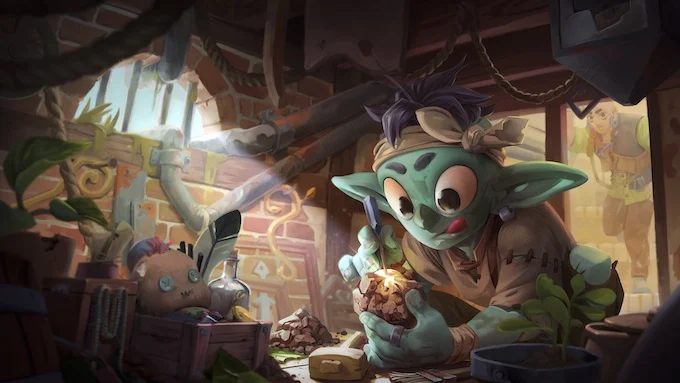
LONDON — Nicholas Lovell, the influential founder of Gamesbrief and a prominent strategist in the global video game industry, has announced his return to active development following a grueling eighteen-month battle with Long Covid. Marking a significant shift from his role as an industry analyst and author, Lovell has partnered with Spilt Milk Studios to launch Trash Goblin, a "cozy" shopkeeping simulator that has already seen immediate success on the crowdfunding platform Kickstarter.
The announcement marks a poignant chapter for Lovell, whose work has long defined the business strategies of independent developers. His return to the front lines of game creation, despite a recovery he describes as only 40% complete, highlights both the resilience of the creative spirit and the shifting trends within the indie gaming landscape.
Main Facts: A Strategic Pivot Amidst Personal Recovery
The core of the announcement centers on two primary developments: Lovell’s personal health update and the formal unveiling of Trash Goblin. After a prolonged absence from his platform, Gamesbrief—a cornerstone for developers seeking advice on free-to-play models and digital economics—Lovell revealed that he has been incapacitated by Long Covid since May 2022.
As his health began to stabilize in late 2023, Lovell made the strategic decision to transition from advising others on game business to directly participating in the development process. He has joined forces with Andrew Smith, the founder of Spilt Milk Studios, to serve as a key contributor to their latest project.
Trash Goblin is described as a wholesome, "cozy" game focused on the mechanics of cleaning, upcycling, and selling trinkets within a fantasy setting. Unlike the high-intensity combat or complex monetization strategies Lovell often analyzed in his books, Trash Goblin leans into the burgeoning "wholesome games" movement. The project’s Kickstarter campaign launched with significant momentum, surpassing its initial £10,000 milestone within the first 24 hours of going live, signaling strong market appetite for the concept.
Chronology: The Journey Through Illness and Rebirth
The timeline of Lovell’s hiatus and subsequent return provides a sobering look at the impact of chronic illness on professional life in the tech sector.
- May 2022: Nicholas Lovell contracts COVID-19. While many recovered within weeks, Lovell joined the significant percentage of the population suffering from "Long Covid," a condition characterized by persistent, debilitating symptoms.
- January 2023: Lovell hits a physical and cognitive nadir. During this period, his daily capacity was limited to basic survival. "I was lucky to be able to have a shower and eat three meals," Lovell noted, describing a life spent almost entirely in bed due to profound fatigue and "brain fog" that prevented any meaningful concentration on complex business analysis.
- Mid-2023: A slow period of reflection begins. As the cognitive fog began to lift intermittently, Lovell reassessed his professional goals. The desire to move beyond the theoretical aspects of the game industry toward the tangible creation of games became a primary motivator for his recovery.
- Late 2023: Lovell reaches approximately 40% of his pre-illness health capacity. Recognizing the need for a collaborative environment that accommodates his ongoing recovery, he enters a partnership with Andrew Smith at Spilt Milk Studios.
- December 7, 2023: The official announcement is made via Gamesbrief. The Trash Goblin Kickstarter is launched, achieving its first major funding goal within a single day.
Supporting Data: The Rise of Cozy Games and the Crowdfunding Landscape
The success of the Trash Goblin launch is not an isolated event but rather a reflection of broader industry trends that Lovell, ironically, would have analyzed as a consultant.
The "Cozy Game" Phenomenon
In recent years, the "cozy" or "wholesome" genre has transitioned from a niche category to a dominant force in indie gaming. Following the massive success of titles like Stardew Valley, Animal Crossing: New Horizons, and Unpacking, players have increasingly sought experiences that prioritize relaxation, creativity, and low-stress loops over traditional "win-loss" mechanics.
Data from SteamDB indicates that tags such as "Relaxing," "Wholesome," and "Cute" have seen a 25% year-over-year increase in user engagement. By focusing on "upcycling" and "cleaning"—mechanics that provide a sense of order and accomplishment—Trash Goblin taps into a psychological demand for digital spaces that offer a respite from real-world stressors.
Kickstarter as a Market Validator
The performance of Trash Goblin on Kickstarter serves as a vital data point. Raising £10,000 in 24 hours places the project in the top tier of indie game launches for the quarter. In an era where venture capital for small studios has become increasingly difficult to secure due to high interest rates and market consolidation, crowdfunding remains a critical tool for "community-led" development. For Lovell and Spilt Milk Studios, the Kickstarter serves two purposes: securing non-dilutive capital and validating the game’s core hook before full-scale production.
The Economic Impact of Long Covid
Lovell’s struggle mirrors a wider economic trend. According to data from the Office for National Statistics (ONS) in the UK, hundreds of thousands of professionals have been forced out of the workforce or into reduced hours due to Long Covid. Lovell’s "40% recovery" status highlights the "phased return" approach many in the creative industries are adopting, where flexible, remote-first game development allows talent to remain productive despite physical limitations.

Official Responses: Perspectives from the Creators
In his address to the Gamesbrief community, Nicholas Lovell remained candid about the toll the last year has taken and his excitement for the future.
"I’ve been very quiet at Gamesbrief for a while," Lovell admitted. "I have had Long Covid ever since [May 2022]. That gave me some time to reflect on what I want to do. And one of the main things I want to do is to make games."
Lovell’s partner in this endeavor, Andrew Smith of Spilt Milk Studios, has long been a respected figure in the UK indie scene. The collaboration represents a "meeting of the minds" between Smith’s proven development pedigree and Lovell’s deep understanding of player behavior and digital economics.
While Spilt Milk Studios has not issued a separate formal press release, the studio’s social media channels have echoed Lovell’s enthusiasm, emphasizing the "wholesome fantasy world" they are building. The studio’s commitment to a healthy work-life balance is also reflected in their willingness to work with Lovell as he manages his ongoing health challenges.
Implications: A New Chapter for Gamesbrief and the Industry
The return of Nicholas Lovell, albeit in a different capacity, has several significant implications for the indie game ecosystem.
1. The Analyst-to-Creator Pipeline
Lovell’s transition follows a rare but prestigious path in the industry. Historically, individuals who spend years analyzing the "how" and "why" of game success—such as Raph Koster or Ian Bogost—eventually find themselves drawn back to the "what." By applying his "Curve" theory (the idea that a small number of superfans provide the bulk of a project’s value) to Trash Goblin, Lovell is essentially beta-testing his own business philosophies in real-time.
2. A Shift in the Gamesbrief Legacy
For years, Gamesbrief was the go-to source for "hard" business data, focusing on monetization, retention, and conversion. Lovell’s move toward a "cozy" game suggests a softening of the industry’s edge. It indicates a recognition that the "business of games" is increasingly about emotional resonance and community building rather than just optimized funnels.
3. Accessibility in Game Development
Lovell’s public discussion of his health sets a precedent for transparency regarding disability and chronic illness in the gaming industry. By openly stating that he is only at 40% capacity, he challenges the "crunch culture" and the "hustle" mentality that often dominates indie development. His success with Trash Goblin could serve as a blueprint for other developers dealing with health-related limitations, proving that high-quality creative work is possible through pacing and strategic partnership.
4. The Future of ‘Trash Goblin’
With the initial funding goal met, the focus now shifts to "stretch goals" and the long-term roadmap. The game’s focus on "upcycling" also aligns with modern environmental sensibilities, potentially opening doors for educational or social-impact partnerships.
In conclusion, Nicholas Lovell’s return is more than a simple product launch; it is a testament to personal endurance and a strategic evolution. As Trash Goblin continues its journey on Kickstarter, the industry will be watching closely to see how one of its sharpest minds fares when the spreadsheets are set aside in favor of the developer’s toolkit. For now, Lovell remains focused on the immediate task at hand: resting, recovering, and making games.



Leave a Comment