
The Eternal Alchemist of Sequential Art: Bryan Talbot on the Legacy of Grandville and the Future of the British Graphic Novel
By J.D. Harlock
Special Feature for The Comics Journal
May 4, 2026
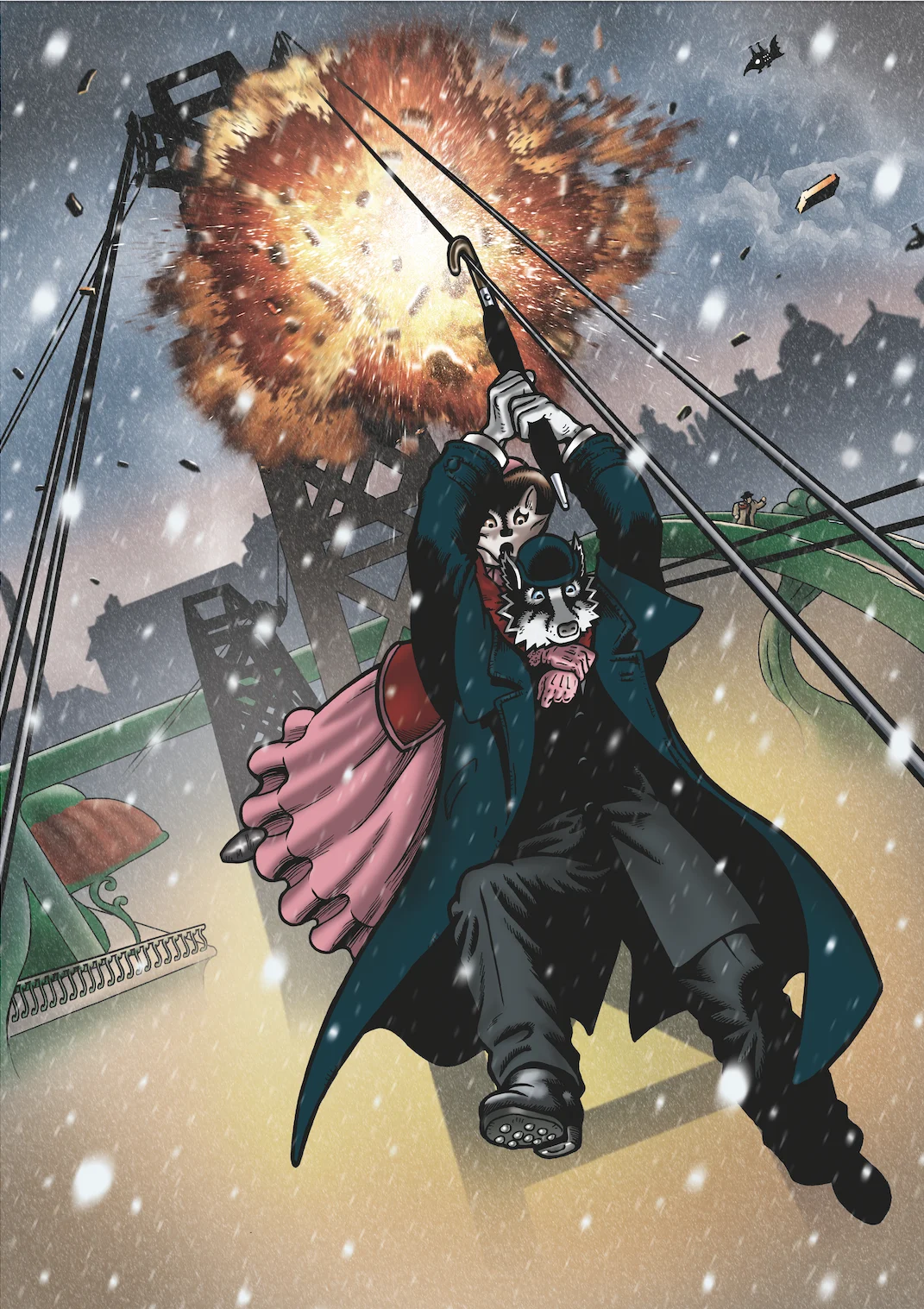
In a career spanning over half a century, Bryan Talbot has earned the moniker “the David Bowie of Comics.” It is a title bestowed not merely for longevity, but for a restless, chameleonic ability to reinvent his aesthetic and narrative voice across every conceivable subgenre. From the psychedelic underground of the 1970s to the pioneering dark fantasy of The Adventures of Luther Arkwright, and from the poignant social realism of The Tale of One Bad Rat to the sprawling “steampunk” anthropomorphic mystery of Grandville, Talbot has remained the undisputed "Father of the British Graphic Novel."
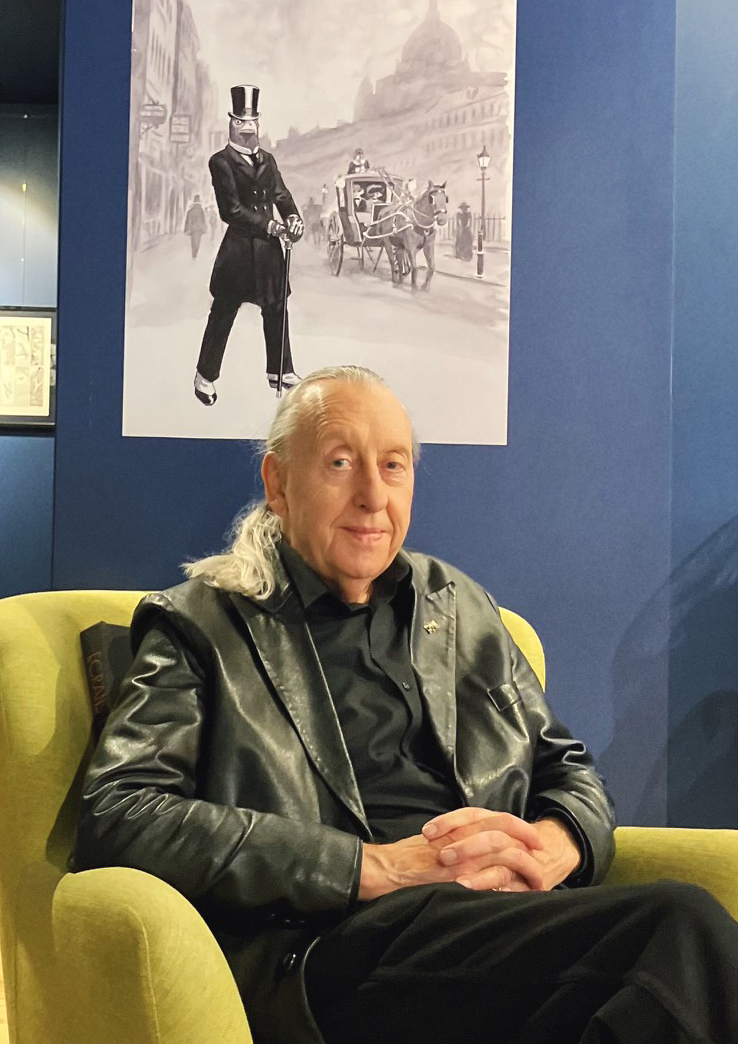
Now, in the spring of 2026, Talbot finds himself at a crossroads of reflection and creation. Amidst a wave of remasters and a return to his most popular universe with the prequel The Casebook of Stamford Hawksmoor, the maestro sat down to discuss the physical toll of the craft, the heartbreaking "near-misses" of Hollywood adaptations, and his refusal to ever truly put down the pen.
Main Facts: The Return to the World of Grandville
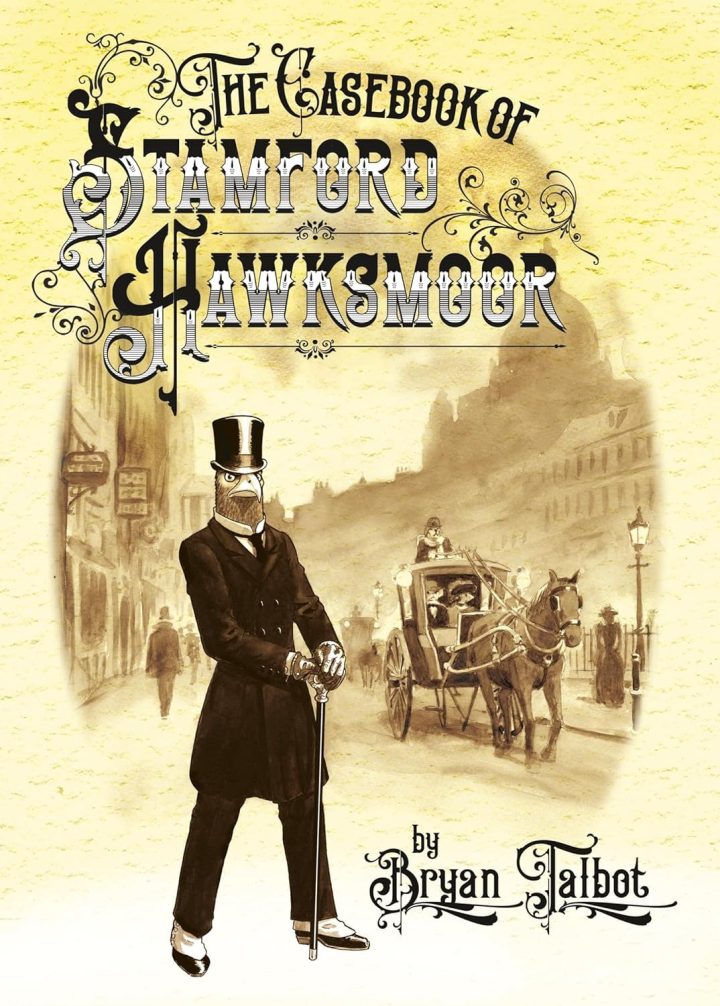
The primary catalyst for this renewed interest in Talbot’s bibliography is his return to the Grandville mythos. After the 2017 conclusion of the Detective Inspector LeBrock saga in Grandville: Force Majeure, fans believed the alternate-history, Napoleonic-steampunk world had been shuttered. However, Talbot has recently unveiled The Casebook of Stamford Hawksmoor, a prequel that shifts the focus to LeBrock’s mentor during the waning days of the French occupation of Britain.
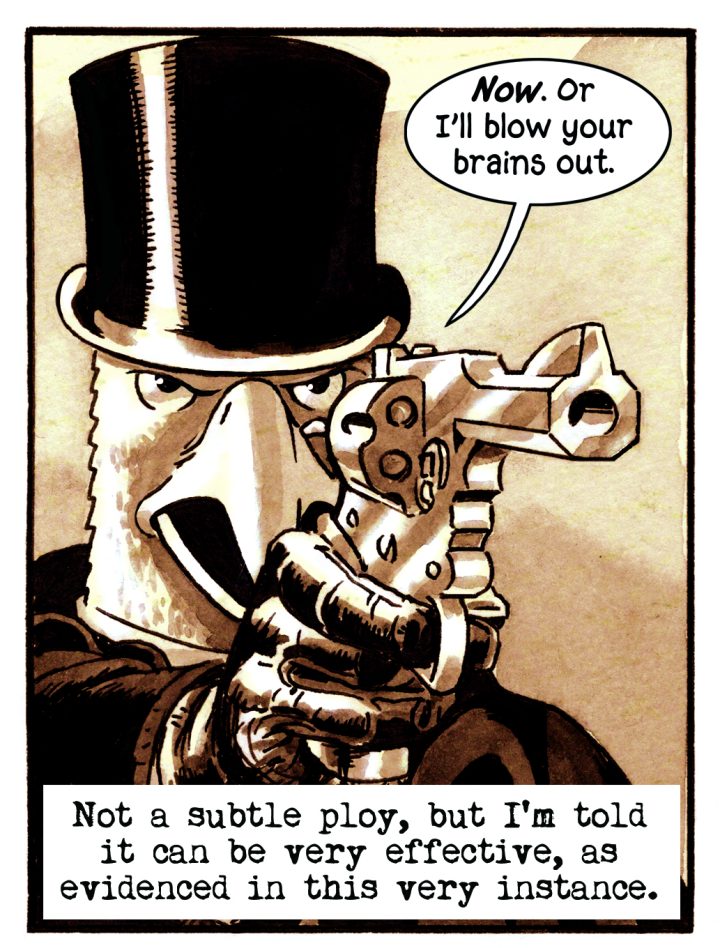
Unlike the vibrant, ligne claire digital painting of the original series, Hawksmoor utilizes a somber, grey-toned watercolor wash tinted in sepia, designed to evoke the grit of 19th-century photography. The narrative also marks a shift in tone, moving from the high-octane action of the mainline series to a more meditative, "faux-Victorian" detective procedural.
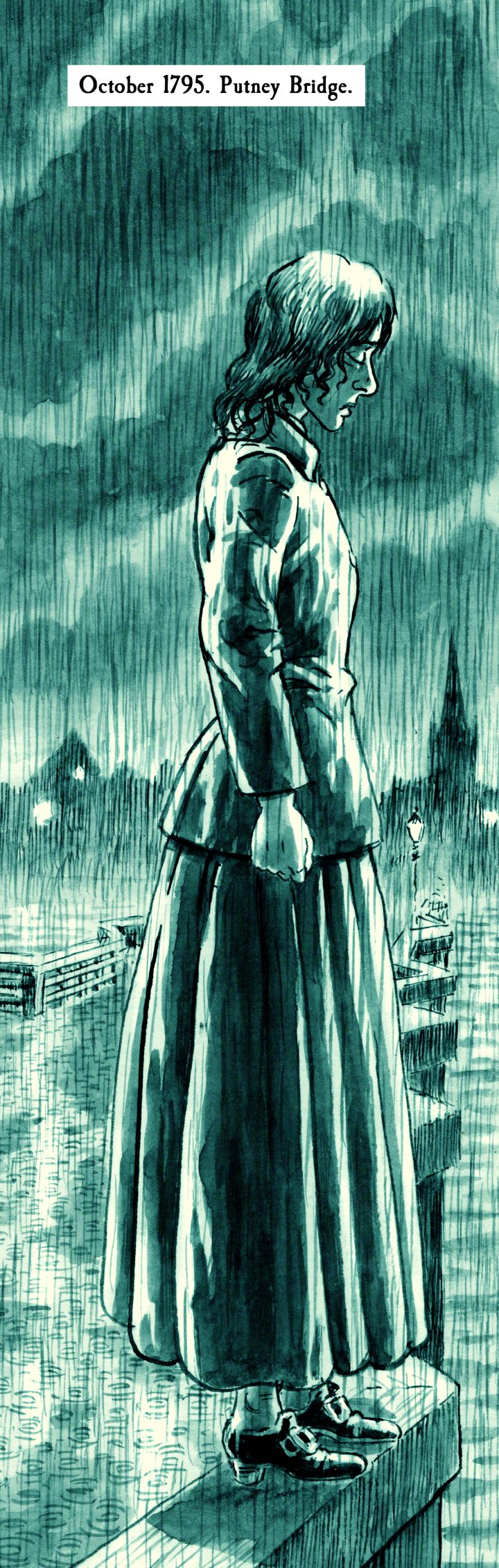
However, this creative resurgence comes alongside a sobering reality. Talbot has revealed that Lo! An Amazon! The Interesting Narrative of the Life of Mary Wollstonecraft—his current collaboration with his wife, Dr. Mary Talbot—will likely be his final full-length graphic novel as an illustrator. Suffering from arthritis in his thumb joints, the artist is pivoting toward shorter formats and scriptwriting, signaling a major transition for one of the industry’s most prolific draftsmen.
Chronology: Five Decades of Innovation
To understand Talbot’s current position, one must trace the evolution of his output, which serves as a roadmap for the British comics industry itself:
- 1975–1978: The Underground Era. Talbot breaks out with BrainStorm!, a hallmark of the British underground comix scene, blending counter-culture sensibilities with technical precision.
- 1978–1989: The Arkwright Revolution. With The Adventures of Luther Arkwright, Talbot introduces the concept of the "graphic novel" to a British audience, predating the mid-80s American boom of Watchmen and The Dark Knight Returns.
- 1990–2000: The DC and Vertigo Years. Talbot collaborates with Tom Veitch on The Nazz and contributes to iconic runs like Neil Gaiman’s The Sandman, solidifying his status in the American "Prestige Format" market.
- 2007–2017: The Grandville Decade. Talbot launches his anthropomorphic steampunk epic, winning multiple awards and proving that the "funny animal" genre could sustain complex political and noir narratives.
- 2023–Present: The Remaster and Legacy Phase. Talbot begins the arduous task of reclaiming lost works like Scumworld and The Nazz, while mentoring the next generation of creators, including his sons Alwyn and Rob.
Supporting Data: The "Lost" Bibliography
A significant portion of Talbot’s recent efforts has been dedicated to "remastering" works that fell victim to the industry’s historical instability.
The Nazz and the Drew Ford Tragedy
Perhaps the most sought-after item in Talbot’s back catalog is The Nazz, a four-issue DC series from 1990. Despite being hailed as one of the premier post-Watchmen superhero deconstructions, it has never been collected. A 2022 crowdfunding effort by publisher "It’s Alive" was cut short by the tragic passing of editor Drew Ford. Talbot notes that while Titan Books has expressed intermittent interest, the project remains in limbo, a casualty of the "small press" struggle.
Scumworld and the Newsprint Era
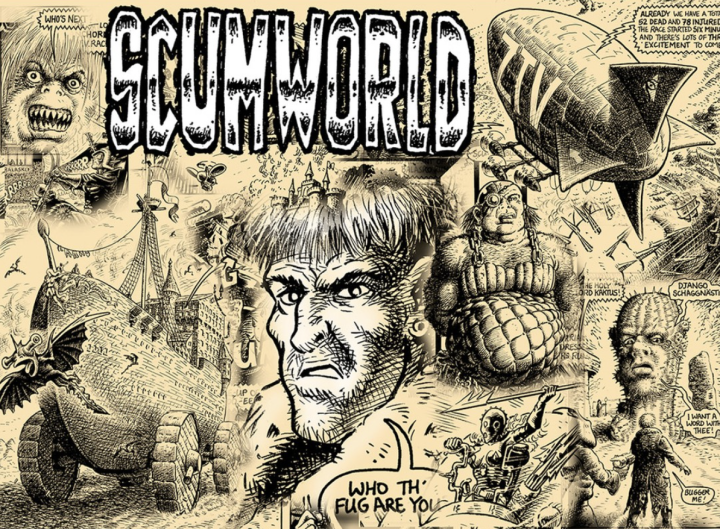
Scumworld, an "outrageous" space western originally serialized in the music newspaper Sounds, was recently remastered by Talbot himself. The process involved cleaning yellowed newsprint scans in Photoshop to preserve a strip that was abruptly canceled when its editor moved to Kerrang! magazine.
The Diamond Distribution Collapse
Even recent successes have been marred by logistics. The 2024 reprints of BrainStorm! and the experimental, silent graphic novel Metronome (originally published under the pseudonym Veronique Tanaka) suffered a major blow when Diamond UK’s distribution shifted, leaving stock "rotting in a warehouse." These data points highlight the precarious nature of the comic book market, where even an "undisputed master" is subject to the whims of failing infrastructure.
Official Responses: Adaptations and the Hollywood "Curse"
In our interview, Talbot was remarkably candid regarding the failures of high-profile screen adaptations. For decades, Talbot’s works have been optioned by major studios, yet none have reached the screen.
On The Adventures of Luther Arkwright:
Talbot revealed that a series was in development with Scott Free (Ridley Scott’s production company) and director John McKay. The project was derailed by a classic "regime change" at a major TV company. "The commissioning editor was deciding between Arkwright and another proposal," Talbot explained. "Then she changed jobs, and her replacement scrapped all previous plans to concentrate on their own."
On the Live-Action Grandville:
The most heartbreaking "near-miss" involved Euston Films (Fremantle). The plan was a "top-end TV drama" using live-action actors with CGI animal heads. Doctor Who writer Julian Simpson had already scripted a pilot based on Grandville Mon Amour. Despite a heavy-hitting production team including Sarah Greenwood (production designer for Guy Ritchie’s Sherlock Holmes), the project stalled because high-quality directors were tied up by the "streaming wars" boom.
On the Future of Writing:
While Talbot is stepping back from the grueling 200-page drawing cycles, his commitment to the narrative remains. "I’m never going to retire. I’ll probably die on the job," he stated. He is currently focused on three Hawksmoor short stories and a long-gestating "heroic fantasy" project in a Bone-esque style, which he hopes to see realized through collaboration with other artists.
Implications: The Future of British Comics
The transition of Bryan Talbot from a solo "auteur" to a writer-mentor has significant implications for the British comics landscape.
First, his advocacy for underrated talents like Mark Stafford (Cherubs!) and Hannah Berry (Britten and Brülighly) underscores a crisis in the industry: the "McDonald’s Reality." Talbot noted that Berry, despite her immense talent, found she could earn more at a fast-food chain than painting graphic novels. Talbot’s move toward artwork sales and royalties highlights the only viable path for veteran creators in a market that often fails to support mid-list prestige work.
Second, the Talbot family legacy is expanding. His son Alwyn has become a premier video game concept artist, while his son Rob recently debuted the horror anthology GraveWorms. This cross-pollination of mediums suggests that while the traditional "graphic novel" format is physically demanding, the "Talbot style" of meticulous world-building is migrating into gaming and self-published "zines."
Finally, Talbot’s openness to video game adaptations—specifically citing the success of the Blacksad game—signals a potential new frontier for Grandville. If Hollywood remains a revolving door of options and cancellations, the interactive medium may be the final home for Talbot’s complex, multi-layered universes.
As Bryan Talbot approaches the final chapters of his storied career as an illustrator, he leaves behind a medium that he helped build from the ground up. Whether through the sepia-toned streets of a Victorian London populated by animals or the revolutionary scripts he has yet to pen, the "David Bowie of Comics" continues to prove that while the body may tire, the imagination remains a relentless, unstoppable force.
Bibliography of Recent and Upcoming Works:
- The Casebook of Stamford Hawksmoor (Jonathan Cape, 2025) – Available Now
- Lo! An Amazon! The Life of Mary Wollstonecraft (With Mary Talbot, Forthcoming)
- BrainStorm! Remastered (About Comics, 2024)
- Metronome (About Comics, 2024)
- GraveWorms #1 (By Rob Talbot, 2025)

Leave a Comment