
The Captain Sulu Chronicles: Inside George Takei’s Vision for a ‘Lost Era’ Star Trek Prequel
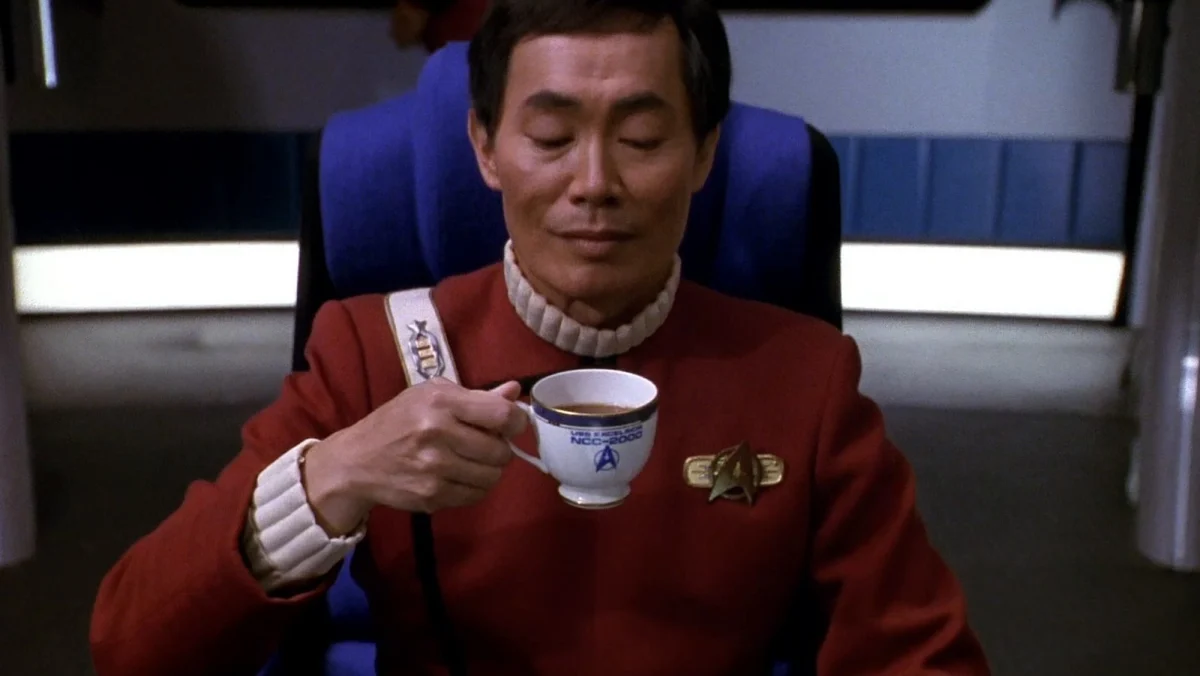
The history of the Star Trek franchise is paved with "what ifs"—unproduced scripts, abandoned concepts, and pilot pitches that never quite made it to the screen. Perhaps none is as tantalizing to the fanbase as the proposed Captain Sulu spin-off. Long before the modern era of streaming brought legacy characters back to the forefront in shows like Star Trek: Picard and Star Trek: Strange New Worlds, George Takei was actively lobbying for a series that would have bridged the gap between the Original Series (TOS) and The Next Generation (TNG).
New archival insights and historical interviews reveal that Takei’s pitch wasn’t just a solo vehicle for Hikaru Sulu; it was a sophisticated attempt to link two eras of Starfleet history by introducing a young, "shaggy-haired" Ensign Jean-Luc Picard as Sulu’s protégé.
Main Facts: The Genesis of the Excelsior Pitch
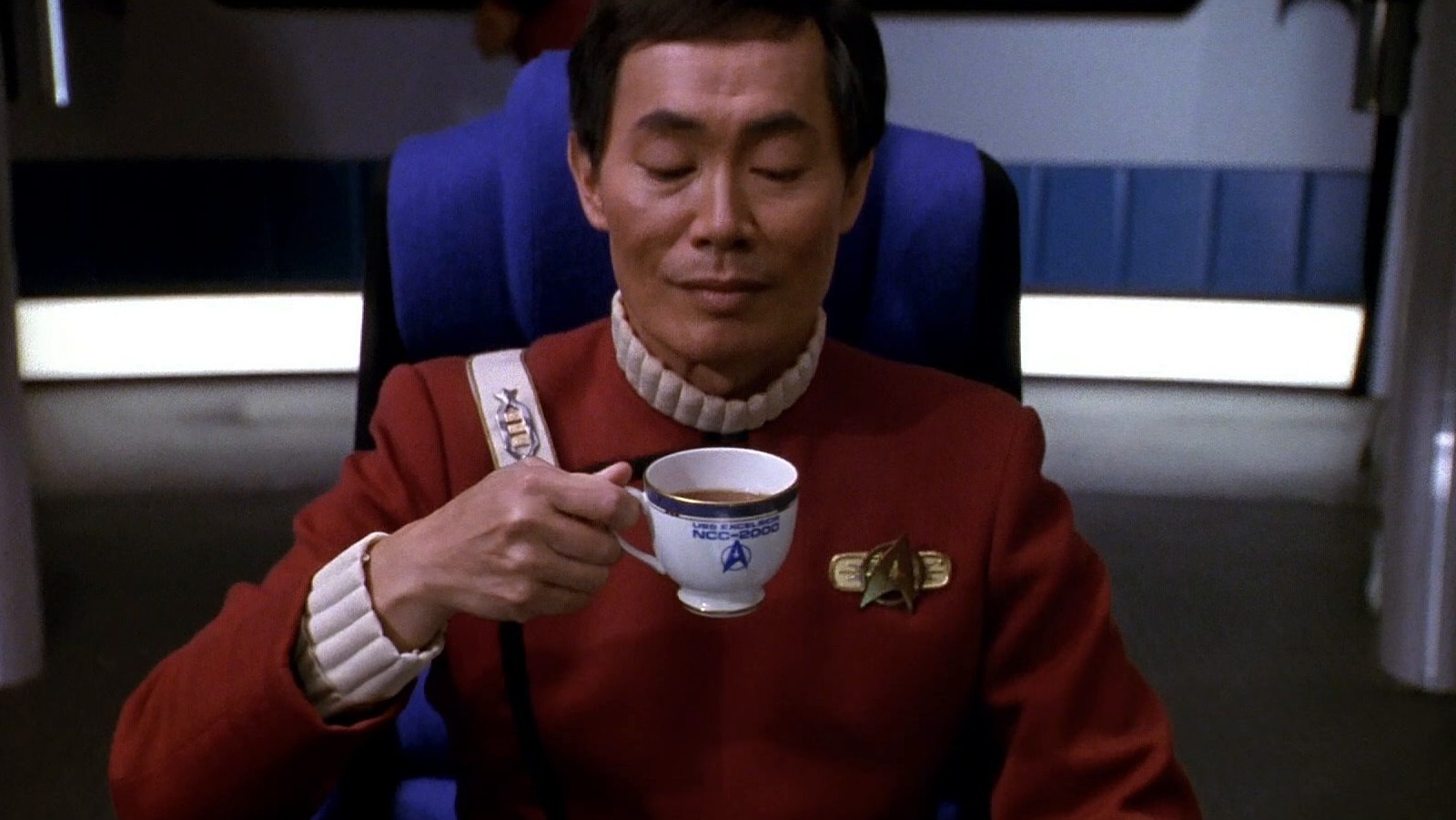
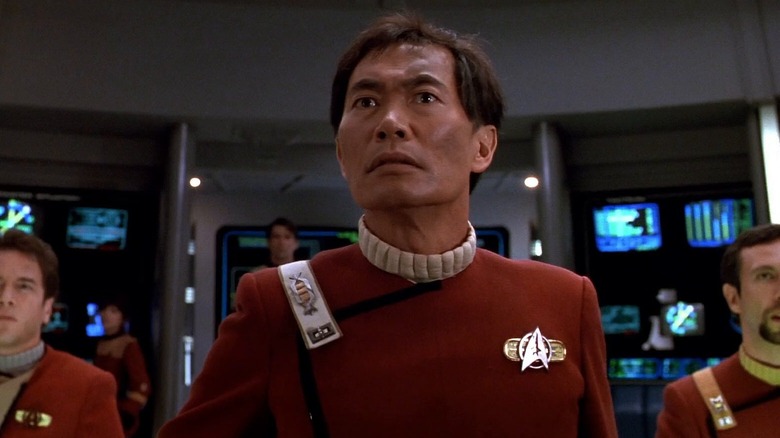
By the early 1990s, Hikaru Sulu had undergone a significant character evolution. After decades as the helmsman of the USS Enterprise, Nicholas Meyer’s 1991 film Star Trek VI: The Undiscovered Country finally saw Sulu promoted to the rank of Captain, commanding the USS Excelsior (NCC-2000). This promotion was more than a mere plot point; it was a validation of the character’s growth and a signal that Sulu was a leader in his own right.
Following the film’s success, George Takei became a vocal advocate for a television series centered on the Excelsior’s missions. His vision for the show was rooted in the "Lost Era"—the roughly 75-year gap between the death of James T. Kirk (as seen in the prologue of Star Trek: Generations) and the launch of Picard’s Enterprise-D.
Takei’s most intriguing contribution to the pitch, as revealed in a 1996 interview with Cinefantastique Magazine, was the inclusion of a young Jean-Luc Picard. Takei proposed that Sulu would serve as a mentor to the future legendary captain, teaching him not only the nuances of command but also the physical discipline of fencing—a callback to Sulu’s own swashbuckling hobby established in the TOS episode "The Naked Time."
Chronology: Aligning the Stars
To understand the feasibility of Takei’s pitch, one must look at the rigorous internal chronology of the Star Trek universe. While the timelines of the various series often overlap, the window for a Sulu-Picard crossover is surprisingly precise.
The Late 23rd Century (2287–2293)
According to expanded universe lore and on-screen evidence, Sulu was promoted to Captain in 2287. By 2293, the events of The Undiscovered Country take place, showing Sulu as an established and respected commander who plays a pivotal role in the Khitomer Accords.
The Turn of the Century (2305–2323)
Jean-Luc Picard was born in La Barre, France, in the year 2305. He entered Starfleet Academy in 2323 at the age of 18. This creates a chronological gap where Sulu would still be an active officer. Given that humans in the 24th century benefit from advanced medical technology (with characters like Admiral McCoy living well past 130), a 90-year-old Sulu commanding a starship in the 2320s is entirely consistent with Trek biology.
The Overlap (2327)
Picard graduated from the Academy in 2327. If Takei’s pitch had been greenlit, the series would have likely been set in the late 2320s or early 2330s. At this stage, Sulu would be a "Grand Statesman" of the fleet, and Picard would be a fresh-faced Ensign. While canon currently places Picard’s early service on the USS Reliant, Takei’s pitch suggested a stint on the Excelsior that would have redefined Picard’s formative years.
Supporting Data: The Sulu Adventures That Did Happen
While the television series never materialized, the demand for Captain Sulu content was high enough in the 1990s to spawn several official projects that served as a proof-of-concept for the character’s leadership.
The Simon & Schuster Audio Dramas
In 1994 and 1995, George Takei reprised his role for a trio of audio adventures: Transformations, Cacophony, and Envoy. These were not mere narrated books but fully produced audio dramas. They established Sulu as a commander who prioritized diplomacy and scientific discovery, mirroring the "integrity-first" approach of the Federation.
Star Trek: Voyager – "Flashback"
The closest fans ever got to a Captain Sulu pilot was the 1996 Star Trek: Voyager episode "Flashback." Produced to commemorate the 30th anniversary of the franchise, the episode utilized a Vulcan mind-meld to revisit Tuvok’s (Tim Russ) early career as a junior officer on Sulu’s Excelsior.
- Production Value: The episode featured high-budget recreations of the Excelsior bridge.
- Legacy Connection: It proved that Sulu’s command style was influential to other legacy characters, as Tuvok struggled with Sulu’s willingness to bend Starfleet regulations for the sake of his friends (Kirk and McCoy).
- Reception: "Flashback" remains one of the most highly-rated episodes of Voyager, further fueling the "Sulu Series" campaign that persisted in fan circles for years.
Official Responses and Production Hurdles
In the mid-90s, Paramount’s Star Trek brand was managed by Rick Berman. Despite the fan fervor and Takei’s personal lobbying, several factors prevented the Captain Sulu show from moving into production.
The "New Blood" Policy
During the 1996 Cinefantastique interview, Takei noted that Paramount executives were hesitant to lean too heavily on the "Original Series" cast for a new weekly show. The prevailing philosophy at the time was to move the franchise forward with entirely new ensembles, as seen in Deep Space Nine and Voyager. Executives feared that a show led by a TOS actor would feel like a "look back" rather than a "step forward."
The Budgetary Conflict
In 1996, Paramount already had two Star Trek shows on the air (DS9 and Voyager) and a film series in progress (TNG). The studio was wary of "franchise fatigue." Launching a third series set in a different time period would have required significant investment in new sets, models, and costumes to recreate the late-23rd-century aesthetic, which differed significantly from the 24th-century look of the current shows.
The "Young Picard" Casting Challenge
Casting a young Jean-Luc Picard would have been a high-stakes gamble in 1996. Patrick Stewart’s portrayal was so iconic that finding a younger actor who could mimic his gravitas—and his British-accented, "shaggy-haired" younger self—was viewed as a potential distraction from the show’s primary focus on Sulu.
Implications: The Legacy of the Unmade Series
The failure to produce a Captain Sulu series left the "Lost Era" largely unexplored on screen for decades. This vacuum was eventually filled by the Star Trek "Lit-verse"—a series of novels and comic books that detailed Sulu’s later years and his daughter Demora’s career.
However, the implications of Takei’s pitch are still felt in the modern "Third Age" of Star Trek television:
- The Template for Mentorship: The idea of a legacy captain mentoring a future legend eventually found its way into Star Trek (2009), with Captain Pike mentoring James T. Kirk.
- The Success of Legacy Prequels: The massive success of Strange New Worlds—a show centered on a legacy captain (Pike) in a previously unexplored era—proves that Takei’s instincts were correct. Audiences are deeply invested in seeing the formative years of Starfleet’s greatest heroes.
- The "Sulu" Archetype: Sulu’s transition from helmsman to captain became the gold standard for character progression in Star Trek. It set the stage for other characters, like Geordi La Forge and Michael Burnham, to follow a similar path from bridge officer to the center chair.
Ultimately, George Takei’s pitch for a Captain Sulu series remains one of the most significant "lost" opportunities in science fiction history. It offered a bridge between the swashbuckling adventure of the 1960s and the philosophical diplomacy of the 1990s. While we never saw Sulu teach a young Picard how to parry and thrust, the vision of Sulu as a mentor and a commander continues to define the character’s enduring legacy in the hearts of Trekkies worldwide.



Leave a Comment