
The Mediterranean Intelligence Hub: Malta and OpenAI Announce Historic National Partnership
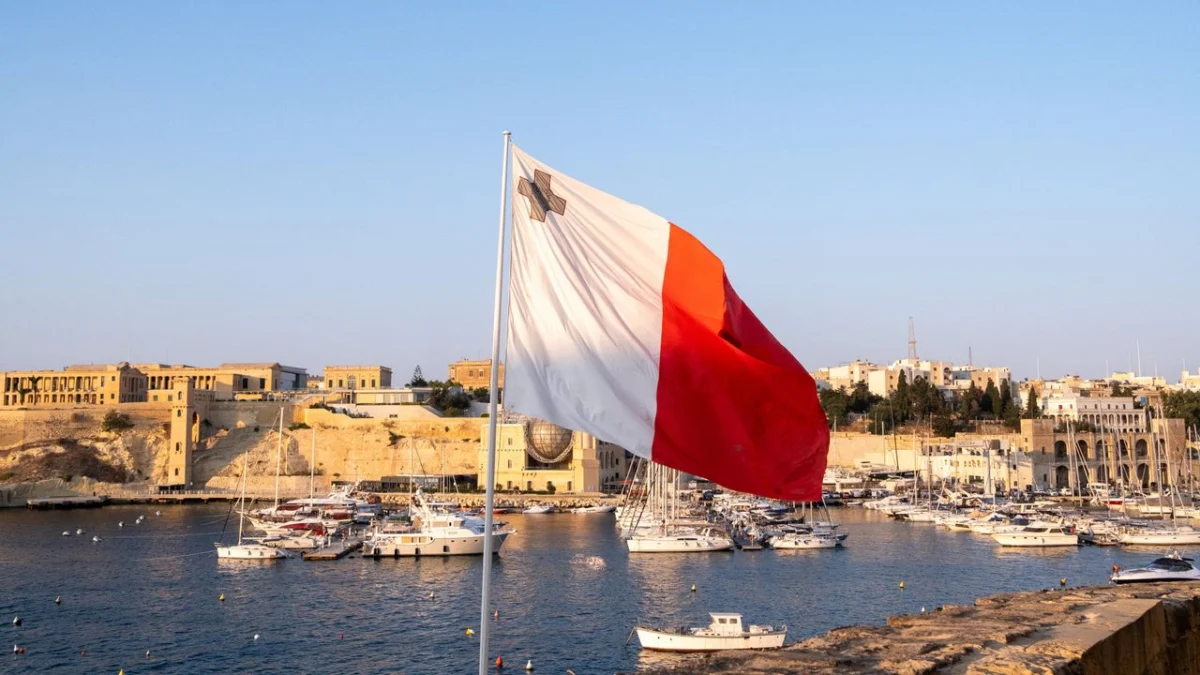
In an unprecedented move that signals a paradigm shift in how nations view digital infrastructure, the government of Malta has announced a landmark partnership with OpenAI. Under the terms of this "world’s first" agreement, every resident of the Mediterranean island nation—approximately 575,000 people—will be granted free access to ChatGPT Plus for one year.
This initiative, titled "AI for All," seeks to transform artificial intelligence from a luxury tech tool into a fundamental national utility, comparable to electricity or water. By providing high-tier AI capabilities to an entire population, Malta is positioning itself as a global laboratory for the socio-economic effects of mass AI adoption.
Main Facts of the Agreement
The partnership between OpenAI and the Maltese government represents the most ambitious deployment of the "OpenAI for Countries" program to date. While previous collaborations in Estonia and Greece focused specifically on national education systems, the Maltese agreement encompasses the entire citizenry, regardless of profession or age.
The core components of the deal include:
- Universal Access: Every legal resident of Malta is eligible for a 12-month subscription to ChatGPT Plus.
- Tiered Benefits: Residents will gain access to features typically costing $20 per month, including priority access to GPT-4o (and the promised GPT-5), DALL-E image generation, advanced data analysis tools, and the ability to create custom GPTs.
- Educational Prerequisite: Access is not automatic; citizens must complete a specialized certification course designed by the University of Malta.
- Regulatory Oversight: The distribution and implementation of the program will be managed by the Malta Digital Innovation Authority (MDIA).
Chronology: From Strategy to Implementation
The road to this announcement has been paved by Malta’s long-standing ambition to become a "digital island." Over the last decade, the nation has aggressively pursued policies to attract blockchain, iGaming, and fintech companies.
2023–2024: The Foundation
OpenAI began exploring its "OpenAI for Countries" framework, looking for agile, mid-sized nations capable of rapid digital pivots. Malta, with its English-speaking workforce and high internet penetration, emerged as a prime candidate. Preliminary discussions focused on how AI could mitigate the challenges of a small island economy, such as administrative overhead and limited natural resources.
Late 2024: The Pilot Programs
OpenAI’s work in Greece and Estonia served as the "proof of concept." In those regions, the focus was narrow—assisting teachers with lesson plans and students with personalized tutoring. The success of these pilots gave the Maltese Ministry for Economy the confidence to propose a wider, nation-wide rollout.
May 2026: The Launch Phase
The program is scheduled to officially launch in May 2026. This lead time is designed to allow the University of Malta to finalize the "AI Literacy" curriculum and for the MDIA to build the infrastructure necessary to verify residency and distribute access codes securely.
Supporting Data: The Scale of the Investment
The financial and logistical scale of this partnership is significant. At a standard retail price of $20 per month, providing ChatGPT Plus to 575,000 residents for a year represents a theoretical market value of approximately $138 million (USD).
While the actual cost to the Maltese government has not been disclosed, the partnership is viewed as a strategic investment in "human capital." By subsidizing this technology, the government aims to:
- Close the Digital Divide: Ensure that low-income households have the same creative and analytical tools as high-earning tech professionals.
- Boost SME Productivity: Malta’s economy is dominated by small and medium-sized enterprises (SMEs). Providing these businesses with free, high-level AI tools is expected to streamline operations and marketing without the burden of initial subscription costs.
- Modernize the Public Sector: As citizens become more AI-literate, the government expects to integrate AI into public services, from healthcare scheduling to tax inquiries.
Official Responses: "Intelligence as a Utility"
The rhetoric from both OpenAI and the Maltese government emphasizes a vision of AI as a public good rather than a commercial product.
Silvio Schembri, Malta’s Minister for Economy, Enterprise, and Strategic Projects, framed the move as a necessity for survival in the modern age. "Malta is the first country to launch a partnership of this scale because we refuse to let our citizens stay behind in the digital age," Schembri stated. "We are putting our people at the very forefront of global change. This is about empowerment and ensuring that the next industrial revolution starts here, on our shores."
George Osborne, Head of OpenAI for Countries, echoed this sentiment, suggesting that AI is following the historical trajectory of other essential services. "At OpenAI, we’re turning intelligence into a global utility. We believe that, like electricity, intelligence should be available for people, businesses, and institutions to use as much as they need, where and when they need it."
Osborne further noted that Malta’s small size makes it the perfect pioneer. "Intelligence is becoming a national utility, and all governments have an important role to play in making sure their populations have both the access and the skills to make the most of AI."
Implications for the Future
The "Malta Experiment" will be closely watched by the European Union and the world at large. The implications of this partnership extend far beyond free software.
The Role of Mandatory Education
Perhaps the most innovative aspect of the deal is the mandatory course developed by the University of Malta. By requiring citizens to understand "what AI can and can’t do" before granting access, Malta is attempting to bypass the common pitfalls of AI deployment, such as "hallucinations," misinformation, and over-reliance. This educational barrier serves as a safeguard, ensuring that the 575,000 new users are responsible and informed.
Economic and Labor Shifts
Economists will likely monitor Malta’s GDP and labor productivity following the May 2026 launch. If a small nation can significantly increase its output by democratizing AI, it may force larger nations to consider similar "Universal Basic Intelligence" (UBI) schemes. However, there is also the risk of job displacement in sectors like copy-writing, basic coding, and administrative assistance—roles that are prevalent in Malta’s service-oriented economy.
Privacy and Data Sovereignty
A partnership of this scale raises critical questions regarding data. As half a million Maltese citizens feed data into OpenAI’s models, concerns regarding data privacy and the training of future models (like GPT-5 or GPT-6) will undoubtedly surface. The MDIA will face the difficult task of ensuring that this partnership complies with the rigorous standards of the EU’s GDPR and the newly enacted AI Act.
Geopolitical Influence
For OpenAI, this is a masterstroke in corporate diplomacy. By embedding its technology into the very fabric of a nation’s infrastructure, OpenAI creates a "moat" against competitors like Google’s Gemini or Anthropic’s Claude. If the Maltese population becomes accustomed to the OpenAI ecosystem, it becomes the default standard for the country’s future tech development.
Conclusion: A Blueprint for the Digital State
As the first phase of the program approaches in 2026, Malta is effectively volunteering to be the world’s "canary in the coal mine" for mass AI integration. The success or failure of the "AI for All" initiative will determine whether other nations view AI as a private commodity to be regulated or a public utility to be subsidized.
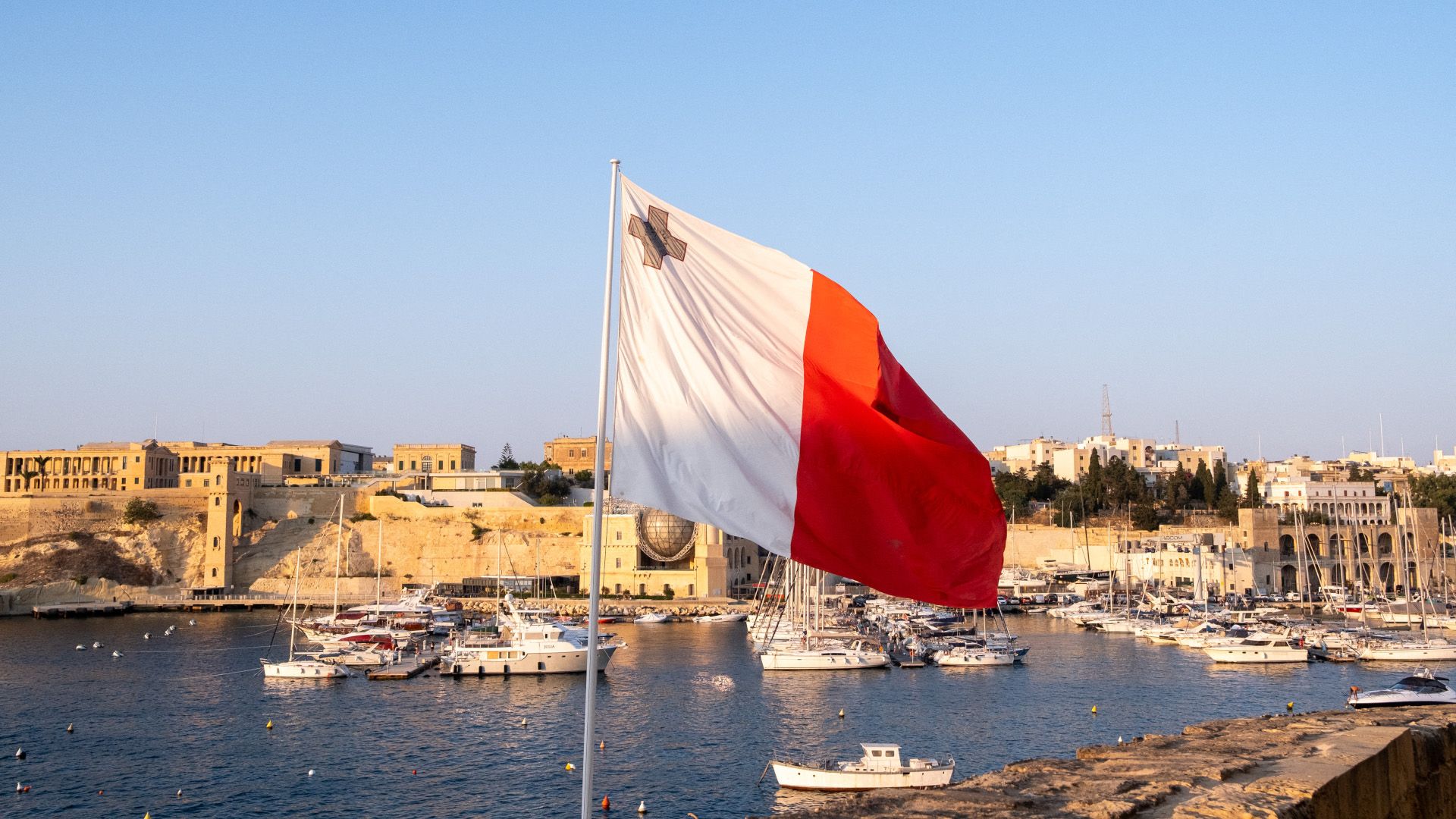
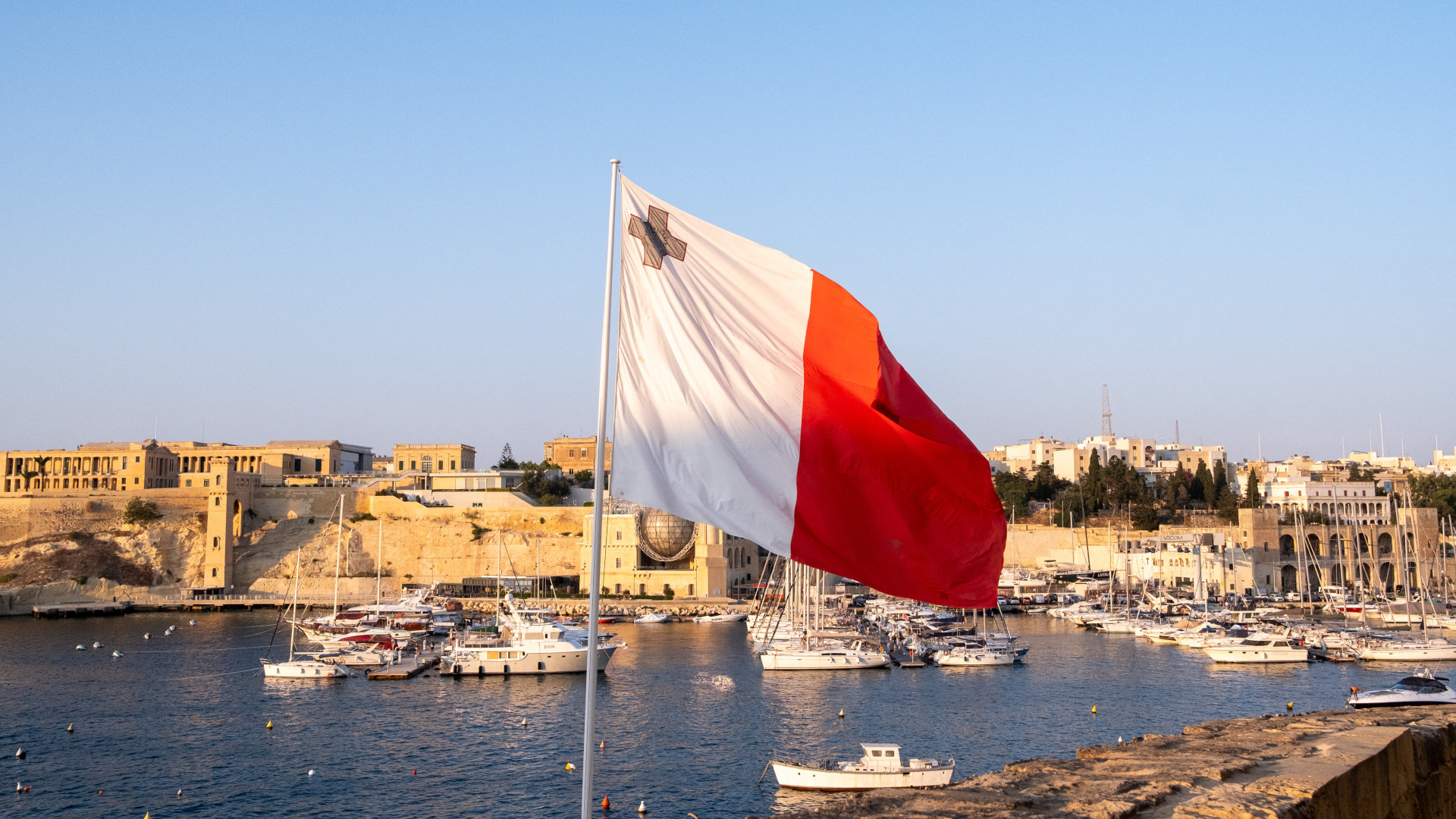
By bridging the gap between cutting-edge Silicon Valley innovation and national social policy, Malta and OpenAI are testing a bold hypothesis: that a nation’s greatest asset in the 21st century is not its land or its gold, but the collective "intelligence" of its citizens, augmented by the most powerful tools available. If successful, the Maltese flag flying over its marinas may soon represent not just a historic trading hub, but the world’s first truly "AI-powered" society.




Leave a Comment