Fox McCloud Returns: Nintendo’s ‘Star Fox’ Remake Brings 64-Bit Nostalgia to the Switch 2 Era
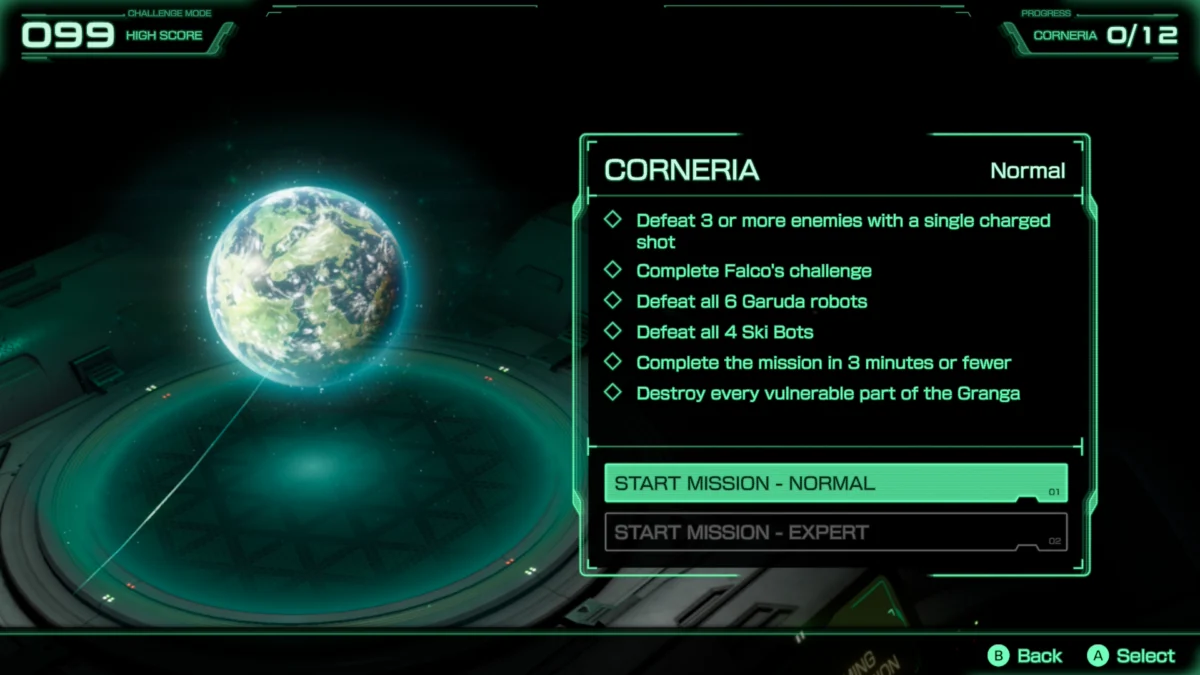
Lylat System — Following the blockbuster success of the Super Mario Galaxy Movie and the surprise cinematic cameo of a certain pilot from Corneria, Nintendo has officially launched Star Fox for the Nintendo Switch 2. Released on June 25, 2026, this latest entry serves as a high-definition remake of the 1997 classic Star Fox 64. While the title has been lauded for its visual fidelity and refined controls, it has also sparked a heated debate regarding Nintendo’s pricing strategy and its continued reliance on legacy content for its next-generation hardware.
Main Facts: A Classic Reimagined for a New Generation
The 2026 release of Star Fox is more than just a simple port; it is a ground-up reconstruction of the title that defined the 3D on-rails shooter genre. Developed to showcase the graphical capabilities of the Nintendo Switch 2, the game features a complete overhaul of assets, lighting, and performance. However, at its core, it remains the same experience fans fell in love with nearly three decades ago.
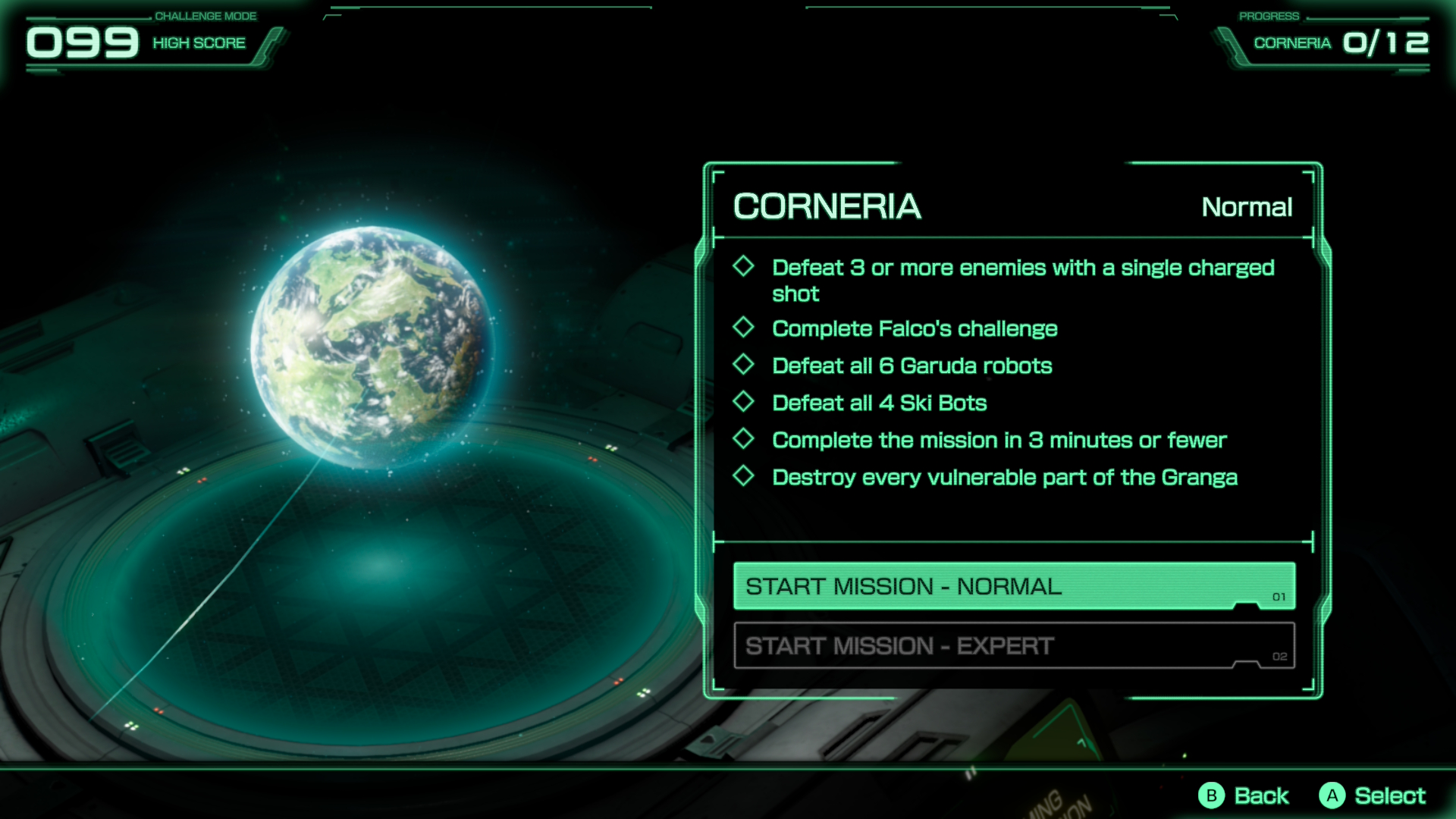
The game is currently retailing at a premium price point of $49.99 (£41.99 / AU$84.95) for the digital version and $59.99 (£44.99 / AU$99.95) for the physical edition. For this investment, players receive a campaign that, while branching, can be completed in approximately one hour. To bolster the value proposition, Nintendo has introduced a new 4v4 online multiplayer mode and a "Challenge Mode" designed for completionists.
Critics, including those at TechRadar, have praised the game as a "solid remake of an excellent game." The updated Arwing controls are described as remarkably smooth, and the inclusion of fully voiced and animated cutscenes adds a layer of modern cinematic flair that the franchise has long lacked. Despite these improvements, the consensus remains divided: is a "new lick of paint" enough to justify a full-price tag for a thirty-year-old campaign?
Chronology: The Iterative History of Star Fox 64
To understand the fatigue expressed by some long-term fans, one must look at the history of the Star Fox franchise, which has become increasingly circular. Since the late 1990s, the series has struggled to move past its most successful entry.
- 1997: The Original Impact. Star Fox 64 (known as Lylat Wars in PAL regions) launches on the Nintendo 64. It introduces the "Rumble Pak," cinematic branching paths, and iconic voice acting. It becomes the gold standard for the series.
- 2011: The Portable Transition. Star Fox 64 3D is released for the Nintendo 3DS. It offers a handheld graphical update and gyro controls but remains a 1:1 remake.
- 2016: The Wii U Experiment. Star Fox Zero is released. While technically a "reimagining," it retells the same story of the war against Andross. It is met with mixed reviews due to its controversial dual-screen control scheme.
- 2021: The Subscription Model. The original 1997 version is added to the Nintendo Switch Online + Expansion Pack, making the classic accessible to modern audiences once again.
- 2024: The Cinematic Tease. Fox McCloud appears in the Super Mario Galaxy Movie, signaling Nintendo’s intent to revitalize the IP for a broader, younger audience who may never have owned a Nintendo 64.
- 2026: The Switch 2 Remake. Nintendo launches Star Fox, yet another version of the 1997 story, designed to capture the momentum of the film and provide "safe" early-lifecycle content for the Switch 2.
For a generation of gamers, every mainline Star Fox experience since childhood has been a variation of the same story. This "conservative" approach by Nintendo suggests a fear of innovating on a niche series that has seen commercial failure when straying from the "on-rails" formula.
Supporting Data: Technical Specifications and Gameplay Features
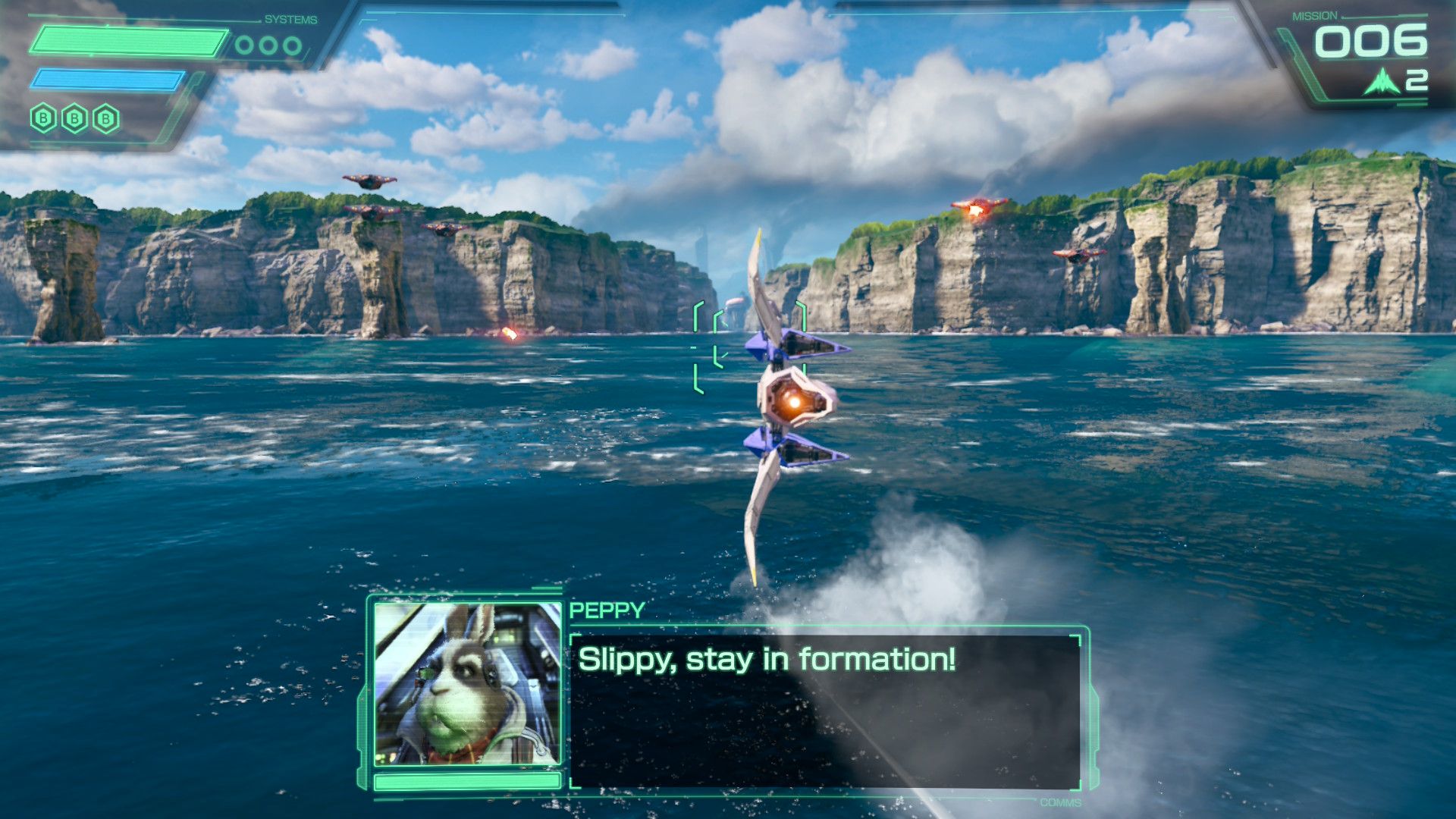
The Nintendo Switch 2 hardware allows Star Fox to achieve a level of visual density previously impossible for the series. Testing conducted on 4K Samsung displays in docked mode reveals a stable frame rate and high-resolution textures that bring planets like the volcanic Solar or the oceanic Aquas to life with stunning detail.
Gameplay Mechanics and Control
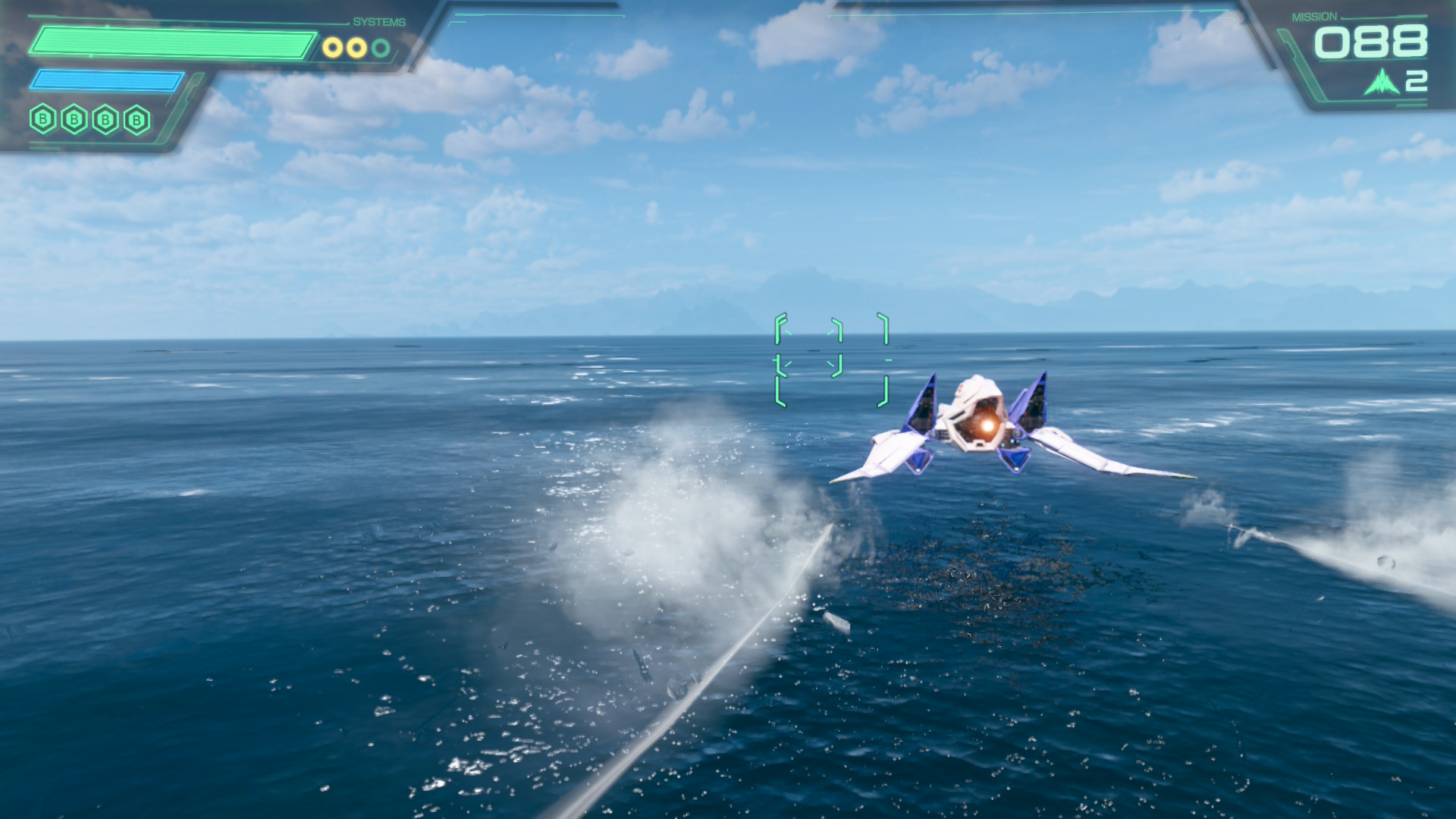
The Arwing remains the star of the show. The remake utilizes the "Joy-Con 2" controllers to implement refined haptic feedback, allowing players to "feel" the turbulence of atmospheric entry or the kick of a Nova Bomb. Standard maneuvers—barrel rolls, somersaults, and U-turns—are mapped intuitively, maintaining the high-speed arcade feel.
The Campaign Structure
The game features 16 unique planets, but the "on-rails" nature means players only visit a handful in a single run. The branching paths are determined by "Medals" earned and specific in-level objectives (e.g., defending Slippy Toad or flying through specific gates). While this encourages replayability, the total amount of unique content remains thin by 2026 standards.
Multiplayer and Challenge Modes
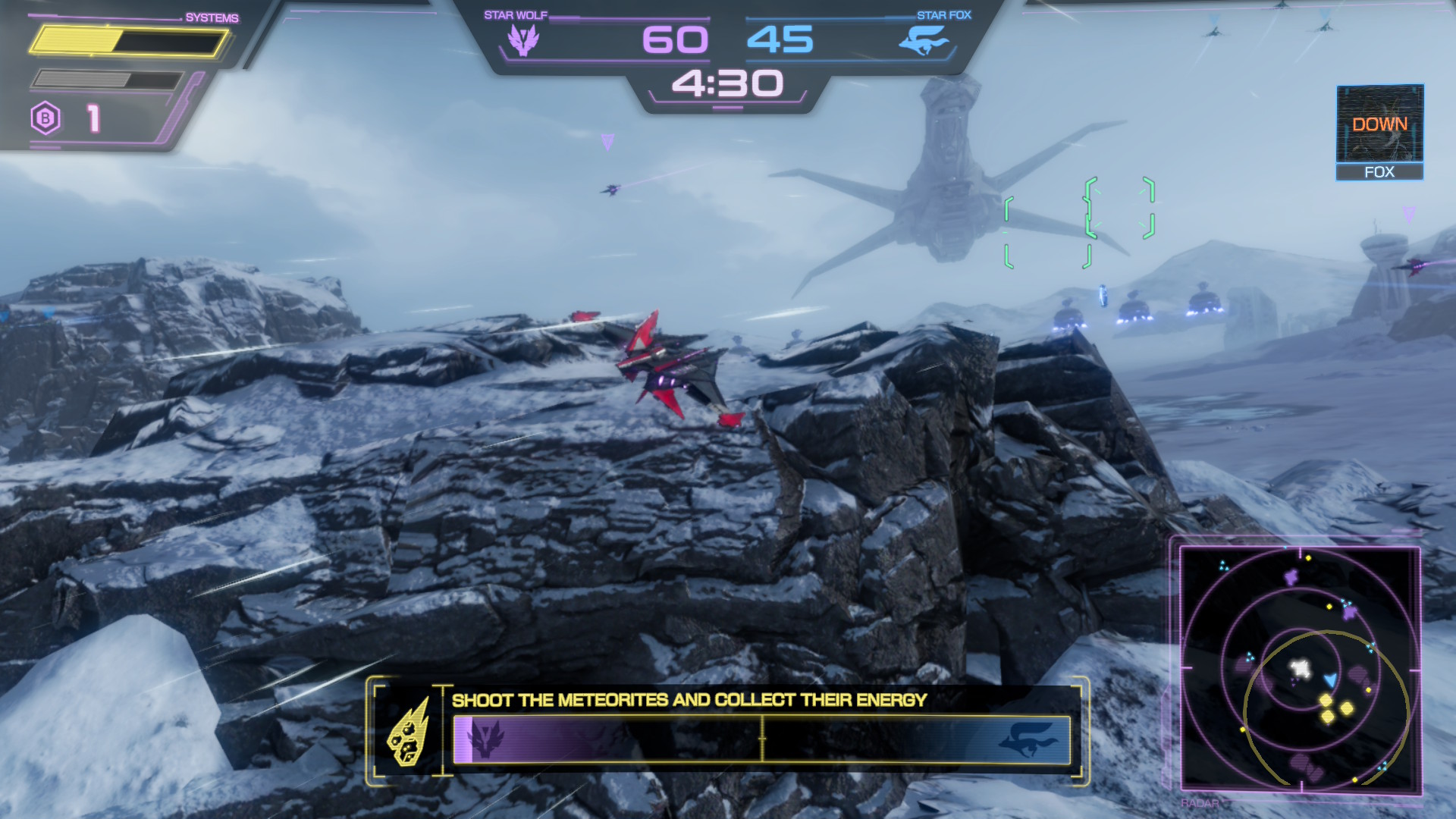
The most significant addition is the 4v4 Online PvP mode. Players are split into two teams:
- Star Fox Squad: Fox, Falco, Peppy, and Slippy.
- Star Wolf Squad: Wolf, Leon, Pigma, and Andrew.
The mode features three maps at launch with objectives like "Capture the Cargo" and "Control Point." While the combat is engaging, the "threadbare" map pool has led to concerns regarding the longevity of the online community.
Accessibility
In an era where accessibility is becoming a pillar of game design, Nintendo’s offering here is notably sparse. The game includes:
- Invertible flight axes.
- Toggleable vibration.
- Standard subtitles (non-customizable).
However, it lacks more robust features found in competing titles, such as high-contrast modes, extensive remapping, or difficulty assists for those with motor impairments.
Official Responses: Nintendo’s Strategic Vision
While Nintendo rarely comments directly on individual reviews, the company’s recent financial briefings and marketing materials for the Switch 2 provide context for this release. According to Nintendo’s internal strategy, the Star Fox remake serves two primary purposes:
First, it acts as a "bridge" for the millions of new fans generated by the Super Mario Galaxy Movie. By using a proven, beloved story (the 1997 plot), Nintendo minimizes the risk of alienating new players with complex new mechanics.
Second, the "Switch 2" launch window requires titles that demonstrate the hardware’s power without requiring the five-to-seven-year development cycles of a new Legend of Zelda or Metroid Prime. A remake of Star Fox 64 allows for a high-fidelity showcase that can be produced relatively quickly by leveraging existing level designs.
In a press statement regarding the game’s release, a Nintendo spokesperson noted: "We wanted to bring the definitive version of Fox McCloud’s origin story to our newest hardware. By combining the classic gameplay that defined a genre with the power of the Nintendo Switch 2, we are ensuring that the Lylat System remains a vibrant part of our fans’ lives for years to come."
Implications: The Future of Fox McCloud
The release of Star Fox in 2026 places the franchise at a crossroads. The game’s success—or failure—at its current price point will likely dictate the future of the series for the remainder of the Switch 2’s lifecycle.
If the game performs well, it proves that there is still a massive market for arcade-style shooters, potentially greenlighting a truly original Star Fox title that moves the narrative forward beyond the war with Andross. However, there is a risk that the "conservative" nature of this remake will reinforce the idea that Star Fox is a "legacy-only" franchise, destined to be remade every ten years rather than evolved.
Furthermore, the pricing debate highlights a growing tension between Nintendo and its core audience. As development costs rise, Nintendo has leaned into the "premium" value of its IP. However, when a one-hour campaign is sold for nearly the same price as a 100-hour open-world epic, the "Nintendo Tax" becomes a harder pill for consumers to swallow.
For now, Star Fox stands as a testament to the timelessness of 1990s game design. It is a beautiful, polished, and thrilling experience that reminds us why Fox McCloud became an icon in the first place. Whether that nostalgia is worth $60 is a question that every pilot will have to answer for themselves as they take to the skies of the Lylat System one more time.