
Dungeons & Dragons Unveils Striking Alternate Cover for 2024 Player’s Handbook, Signaling Diverse Tonal Offerings
SEATTLE, WA – June 12, 2024 – Wizards of the Coast has lifted the veil on the eagerly anticipated alternate cover art for the upcoming 2024 Dungeons & Dragons Player’s Handbook, presenting a stark thematic contrast to the recently revealed standard edition. This dual unveiling underscores a strategic move by the iconic tabletop roleplaying game to cater to the diverse tastes within its ever-expanding player base, offering both action-packed heroism and contemplative camaraderie through its visual identity.
The standard cover, unveiled just last week, immediately captured attention with its dynamic portrayal of classic D&D heroes—Strongheart the Knight, Elkhorn the Dwarf Warrior, and Yolande the Elven Queen—locked in a fierce battle against a horde of Kobolds, all under the watchful, benevolent gaze of a golden dragon. This artwork, crafted by Tyler Jacobsen, emphatically leans into the combat and high-stakes adventure that much of the general public associates with Dungeons & Dragons.
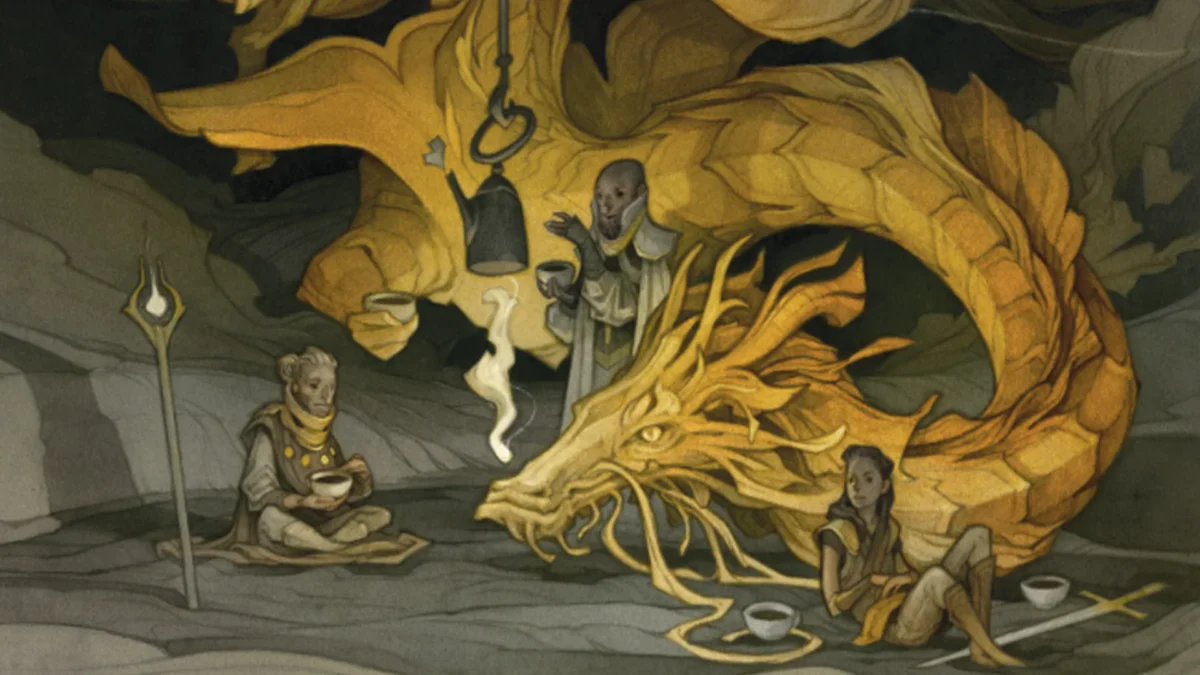
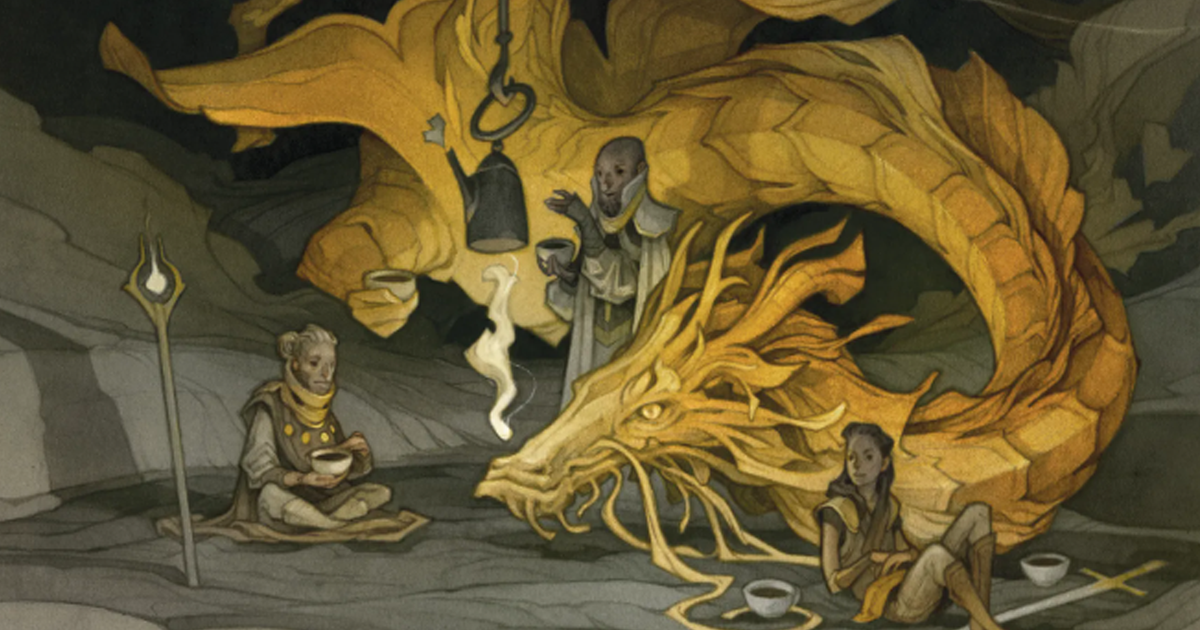
In a deliberate counterpoint, the alternate cover, illustrated by the acclaimed Wylie Beckert, offers a refreshingly different narrative. Eschewing direct conflict, Beckert’s art depicts a classic D&D party—a wizard, cleric, fighter, and rogue—engaged in a serene tea party within the cozy confines of a cave. The golden dragon, a recurring motif, joins the gathering, delicately cradling a teacup in its massive paw, while the rogue perches playfully on its body. This intimate scene champions the quieter, more introspective, and roleplaying-heavy aspects of the D&D experience.
These distinct covers for the foundational rulebook of D&D’s latest iteration are not merely aesthetic choices; they represent a nuanced understanding of the modern player community. While the book’s internal content remains consistent across both versions, the external presentation allows players to select an edition that resonates most deeply with their preferred style of play or simply appeals to their collector’s sensibility. The alternate version will see an early release through local game stores on September 3rd, preceding the wider retail launch of the book on September 17th.
Main Facts: A Dual Vision for a New Era
The reveal of the alternate cover for the 2024 Dungeons & Dragons Player’s Handbook is more than just a marketing beat; it’s a statement about the evolving identity of the world’s most popular tabletop roleplaying game. At its core, the news highlights a deliberate effort by Wizards of the Coast to offer players a choice in how they perceive and present their core rulebooks, reflecting the multifaceted nature of the D&D experience itself.
H3: The Standard Cover: A Call to Arms
The initial reveal of the standard Player’s Handbook cover by Tyler Jacobsen was met with widespread enthusiasm. It’s a quintessential D&D scene: a band of iconic heroes, recognizable to long-time fans, facing down a horde of classic low-level foes, the Kobolds. The presence of a majestic golden dragon in the background, not as an antagonist but as an ally, subtly hints at the grander scale of adventures possible. Jacobsen’s style is vibrant, dynamic, and full of kinetic energy, designed to evoke the thrill of combat, the heroism of facing down evil, and the archetypal fantasy quest. This cover is a direct appeal to the adventurous spirit, emphasizing the action, exploration, and triumph that are hallmarks of D&D’s public perception and a significant part of its appeal. It’s a visual promise of epic tales and daring feats, aligning with the game’s reputation as a dungeon-crawling, monster-slaying epic.
H3: The Alternate Cover: An Invitation to Intimacy
The subsequent unveiling of Wylie Beckert’s alternate cover provides a powerful counter-narrative. Instead of battle, we witness camaraderie and quiet contemplation. A wizard, cleric, fighter, and rogue—the classic adventuring party composition—are depicted sharing a pot of tea in a torch-lit cave. The golden dragon, a magnificent creature, is not a backdrop but an active, gentle participant, holding a teacup and providing a perch for the nimble rogue. Beckert’s art is known for its intricate detail, whimsical charm, and a sense of narrative depth that goes beyond the immediate. This cover speaks to the less overt but equally vital aspects of D&D: the bonds forged between companions, the moments of rest and strategizing, the shared laughter, and the simple joy of being together in a fantastical world. It’s a powerful visual metaphor for the roleplaying aspect of the game, where character interactions, world-building, and shared storytelling often take precedence over dice rolls for damage.
H3: Strategic Release Schedule
The release schedule further emphasizes the deliberate nature of these choices. The alternate cover will be available exclusively through local game stores two weeks prior to the general release. This strategy not only rewards loyal patrons of brick-and-mortar stores, which are the lifeblood of the tabletop community, but also creates a sense of exclusivity for collectors and early adopters. It builds anticipation and offers a special incentive for those who are most invested in the game and its artistic presentations.
Chronology: The Evolution of a Legend
The 2024 Player’s Handbook is not just a new book; it’s the latest chapter in a storied history of revisions and refinements for a game that has been captivating imaginations for half a century. Understanding its significance requires a look back at Dungeons & Dragons’ journey through various editions and how its visual identity has mirrored its evolving gameplay.
H3: A Legacy of Revisions and Refinements
Dungeons & Dragons, first published in 1974, has undergone numerous revisions over its fifty-year lifespan. From the original "white box" to Advanced Dungeons & Dragons (AD&D), through the 3rd, 3.5, 4th, and 5th editions, each iteration has sought to streamline rules, introduce new mechanics, and expand the fantasy universe. These revisions are essential for keeping the game fresh, addressing player feedback, and adapting to contemporary gaming sensibilities. The current 2024 update, often colloquially referred to as "One D&D" during its extensive public playtesting phase, represents a significant evolution of the highly popular 5th Edition. It aims to refine existing rules, clarify ambiguities, and potentially introduce new options, all while maintaining backward compatibility with the vast library of 5th Edition content. This approach acknowledges the success of 5e while ensuring the game remains vibrant and accessible for new generations of players.
H3: The Shifting Canvas of D&D Cover Art
The cover art for D&D rulebooks has always been a powerful gateway into the game’s world. From the classic, often stark, and highly influential works of artists like Larry Elmore and Jeff Easley in the AD&D era, which defined much of fantasy art for a generation, to the more polished and cinematic styles of later editions, each cover has reflected the prevailing artistic trends and thematic focus of its time.
- Early Editions: Often featured solo heroes or small, intense scenes of combat, emphasizing the gritty danger of dungeon delving.
- 3rd/3.5 Edition: Saw a shift towards more dramatic, often digitally enhanced, artwork that highlighted powerful spells, iconic monsters, and diverse character races.
- 4th Edition: Embraced a more heroic, almost video-game-esque aesthetic, emphasizing high-fantasy action and bold, iconic character designs.
- 5th Edition (2014): Returned to a more grounded, yet still epic, fantasy feel, often showcasing diverse parties, iconic monsters, and a blend of classic and modern aesthetics. The original 5e Player’s Handbook cover by Tyler Jacobson depicted a dragon attack on a party, a dynamic scene that instantly conveyed high adventure.
The evolution of D&D cover art is not just about changing styles; it’s about how the game itself has been presented and perceived. It reflects a broadening understanding of what D&D can be—from a tactical wargame to a collaborative storytelling platform.
H3: The "One D&D" Playtest Journey
The development of the 2024 Player’s Handbook has been a transparent and community-driven process, beginning with the "One D&D" initiative. Over several years, Wizards of the Coast released numerous Unearthed Arcana playtest packets, allowing players worldwide to test and provide feedback on proposed rule changes, class revisions, and new mechanics. This iterative process, involving millions of data points and countless hours of discussion on forums and social media, has profoundly shaped the final product. The anticipation for the official release of the revised core rulebooks has been building steadily, with each piece of information, especially visual elements like the cover art, fueling further excitement and speculation within the community. The sequential reveal of the standard and then alternate covers was a carefully orchestrated move to maximize engagement and demonstrate the depth of artistic and thematic consideration put into this pivotal release.
Supporting Data: Artistic Intent and Market Resonance
The decision to offer two distinct covers is a sophisticated blend of artistic expression, market strategy, and an understanding of the D&D community’s diverse preferences. It speaks to deeper trends within tabletop gaming and publishing.
H3: A Deep Dive into Artistic Philosophies
The contrasting covers are more than just different pictures; they embody divergent artistic philosophies that resonate with different facets of the D&D experience.
-
Tyler Jacobsen’s "Action-Oriented" Standard Cover: Jacobsen, known for his dynamic fantasy illustrations, perfectly captures the quintessential D&D combat encounter. The composition draws the eye across the battling heroes, the menacing Kobolds, and the protective dragon. The use of strong lines, vibrant colors, and a sense of impending impact creates a visceral feeling of adventure. Characters like Strongheart, Elkhorn, and Yolande are depicted with a heroic grandeur, reinforcing the classic archetypes that players embody. This cover proudly proclaims D&D as a game of heroic fantasy, where challenges are overcome through bravery, skill, and a bit of luck. It’s a powerful visual brand statement for mass appeal, instantly recognizable and exciting.
-
Wylie Beckert’s "Introspective" Alternate Cover: Beckert’s artwork stands in deliberate contrast, offering a softer, more whimsical, yet equally profound interpretation. Her style, characterized by intricate detail, rich textures, and often a dreamlike quality, transforms a potentially mundane scene into something magical. The tea party in a cave, with the dragon as a gentle companion, highlights the collaborative storytelling and social aspects of D&D. It’s a scene that invites questions: What stories are being shared? What plans are being hatched? What quiet moments define these adventurers outside of combat? Beckert previously illustrated the alternate cover for Tasha’s Cauldron of Everything, a book known for expanding character options and magic, and that cover similarly leaned into a more mystical, character-focused aesthetic. Her work often evokes a sense of wonder and intimacy, qualities that resonate deeply with players who prioritize roleplaying, character development, and narrative exploration over purely combat-driven gameplay. The contrast demonstrates D&D’s capacity for both epic confrontation and tender, character-driven moments.
H3: The Publishing Strategy of Alternate Covers
The use of alternate covers is a well-established strategy in various publishing industries, from comic books to video game special editions, and has gained significant traction in the tabletop gaming world.
- Collector’s Appeal: Alternate covers inherently appeal to collectors who seek unique editions and appreciate diverse artistic interpretations. They create scarcity and a sense of specialness, driving early purchases and long-term value.
- Expanding Market Reach: By offering different visual aesthetics, publishers can tap into broader market segments. Some players might be drawn to the classic action, while others prefer a more artistic or unconventional take.
- Showcasing Artistic Talent: Alternate covers provide a platform for showcasing a wider range of talented artists, enriching the visual landscape of the brand.
- Rewarding Local Game Stores: The decision to release the alternate cover exclusively through local game stores for an initial period is a crucial part of the strategy. These stores are vital community hubs and often the first point of contact for new players. By giving them an exclusive, Wizards of the Coast strengthens its relationship with retailers and incentivizes foot traffic, supporting the grassroots of the hobby.
H3: Reflecting Evolving TTRPG Trends
The rise of alternate covers and their diverse themes also reflects broader trends within the tabletop roleplaying game community. Over the past decade, TTRPGs have seen an explosion in popularity, attracting players from all walks of life. This new demographic often approaches D&D with different expectations than traditional players.
- Beyond Combat: While combat remains a core element, many players are increasingly interested in social interaction, intricate plots, character backstory, and world exploration that doesn’t necessarily involve rolling initiative.
- Accessibility and Inclusivity: The game has become more inclusive, embracing diverse narratives and character types. The art on the covers can subtly signal this shift, showing that D&D is a game for everyone, regardless of their preferred playstyle.
- Streaming and Actual Play: The boom in "Actual Play" streams and podcasts (like Critical Role) has showcased the rich narrative potential of D&D, often emphasizing character moments, emotional arcs, and non-combat problem-solving, aligning well with the introspective vibe of the alternate cover.
Official Responses: Wizards of the Coast’s Vision
While direct quotes regarding the specific cover art weren’t provided in the initial announcement, Wizards of the Coast’s overarching strategy for the 2024 Player’s Handbook and its general approach to product presentation offer clear insights into their intent.

H3: Refining the Foundation for the Future
Wizards of the Coast has consistently articulated that the 2024 Player’s Handbook is a pivotal release, not a radical departure but a significant refinement of D&D 5th Edition. The stated goal is to create the "best version of D&D" by incorporating years of player feedback, streamlining rules, enhancing clarity, and ensuring the game is robust and enjoyable for the next decade. This update is designed to be fully compatible with existing 5e adventures and supplements, demonstrating a commitment to supporting the current player base while also attracting new enthusiasts. The covers, therefore, serve as the initial visual ambassadors of this refined experience, promising both familiarity and fresh perspectives.
H3: The Power of Visual Storytelling
For a game as visually rich as D&D, cover art is paramount. It’s the first impression, the visual hook that draws players into the fantasy. Wizards of the Coast understands that these images communicate the essence of the game before a single word is read. By commissioning two distinct artists with unique styles, they are actively engaging in sophisticated visual storytelling. The standard cover speaks to the legacy and immediate excitement, while the alternate cover hints at the depth and breadth of the roleplaying experience. This dual approach signals that D&D is a game capable of encompassing a wide spectrum of fantasy narratives and player engagement styles. It’s a subtle yet powerful message that the game is expansive enough for both high-octane battles and quiet moments of camaraderie.
H3: Empowering Player Choice
The decision to offer alternate covers aligns with a broader trend from Wizards of the Coast to empower player choice, not just in character creation and gameplay, but also in product selection. This strategy acknowledges that the D&D community is not monolithic; it comprises various sub-communities with differing aesthetic preferences and priorities. Providing options like these covers is a direct response to this diversity, allowing players to personalize their collection and choose the visual representation that best reflects their personal connection to the game. It’s a move that fosters a deeper sense of ownership and personal connection to the core rulebooks.
Implications: Shaping the Future of Fantasy
The unveiling of the 2024 Player’s Handbook covers carries significant implications, not only for the Dungeons & Dragons franchise but for the broader tabletop roleplaying game industry and the future of fantasy media.
H3: Redefining D&D’s Brand Identity
These covers contribute significantly to redefining D&D’s brand identity for a new generation. While the standard cover reinforces the classic image of heroic fantasy adventure, the alternate cover broadens this perception. It suggests that D&D is not just about fighting monsters; it’s also about friendship, shared moments, and the rich tapestry of character interactions. This expanded identity is crucial for attracting and retaining a diverse player base, moving beyond traditional demographics and embracing a wider appeal that includes those drawn to collaborative storytelling and creative expression. It signifies a maturation of the brand, showcasing its versatility.
H3: Influencing Future Art Direction
The success and reception of these dual covers will likely influence future art direction for D&D products. If the alternate cover proves particularly popular, it could signal a greater willingness from Wizards of the Coast to explore more diverse artistic styles and thematic interpretations across their product line. This could lead to a richer, more varied visual landscape for D&D, moving beyond a single "house style" to embrace a spectrum of artistic voices that better reflect the myriad ways people play and imagine in the D&D universe. It might encourage more experimentation with covers that depict exploration, social intrigue, mystery, or slice-of-life moments, rather than exclusively focusing on combat.
H3: Impact on the TTRPG Industry
Dungeons & Dragons often acts as a bellwether for the entire TTRPG industry. Its strategic moves are closely watched and often imitated. The success of offering diverse cover art for a core rulebook could encourage other TTRPG publishers to adopt similar strategies, further enriching the visual offerings across the hobby. This could lead to a greater emphasis on art as a tool for thematic communication and market segmentation, ultimately benefiting both artists and consumers. It reinforces the idea that presentation is as important as content in attracting and engaging players.
H3: The Collector’s Market and Long-Term Value
The specific release strategy, with the alternate cover having an early, exclusive release through local game stores, significantly impacts the collector’s market. This creates immediate scarcity and a sense of prestige around the alternate edition. Such tactics often lead to higher secondary market values for these "limited" versions over time, making them desirable investments for enthusiasts. This strategy also subtly encourages players to engage with their local game stores, reinforcing the community aspect of the hobby.
H3: Sustaining the "Living Game" Concept
Ultimately, the 2024 Player’s Handbook, with its dual artistic expressions, reinforces the idea of D&D as a "living game." It’s a game that continuously evolves, adapts, and listens to its community, while retaining its fundamental magic. These covers are more than just pretty pictures; they are an invitation to players, old and new, to find their own adventure, whether that means charging into battle or sharing a quiet cup of tea with friends (and a dragon) in a dimly lit cave. As the September release dates draw closer, the anticipation for this new chapter in D&D’s storied history continues to build, promising a future as diverse and imaginative as the covers themselves.


Leave a Comment