
Decoding Daily Life: The Enduring Significance of Mesopotamia’s Cylinder Seals
Introduction: Unearthing Miniature Masterpieces
Among the most captivating and historically revealing artifacts unearthed from ancient Mesopotamia are the cylinder seals. These seemingly diminutive objects, often overshadowed in museum exhibits by more imposing relics like grand reliefs or towering statuary, are in fact monumental in their narrative power. Far from mere decorative items, cylinder seals were an indispensable part of daily life across the Fertile Crescent, offering unparalleled insights into the intricate social, economic, and spiritual fabric of one of humanity’s earliest civilizations. They are miniature time capsules, meticulously carved and imbued with the stories of kings and commoners alike, telling a more complete human story than many larger monuments could ever hope to convey.
Main Facts: The Ubiquitous Imprint of Identity
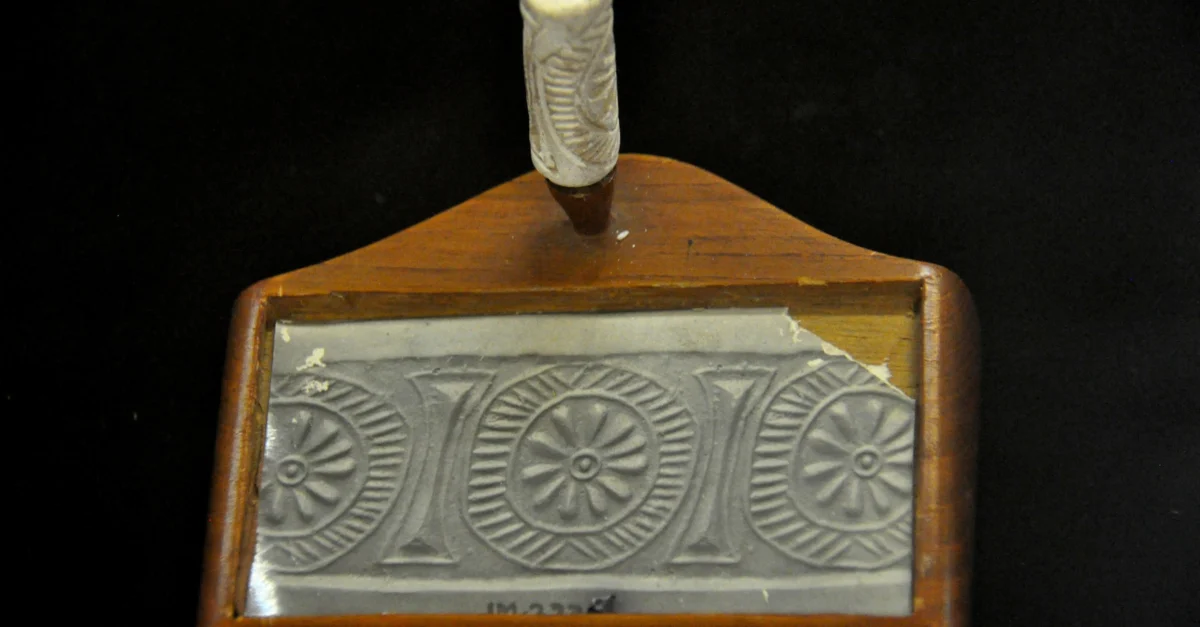
Cylinder seals were essentially personalized impression stamps, crafted with astonishing intricacy and utilized throughout the vast expanse of Mesopotamia. Known as kishib in Sumerian and kunukku in Akkadian, these seals served as the primary means of authentication and identification for virtually everyone, from the highest echelons of royalty to the most humble enslaved individuals. Their function mirrored that of a modern signature, legitimizing business transactions, sealing correspondence, and verifying the authenticity of documents or containers.
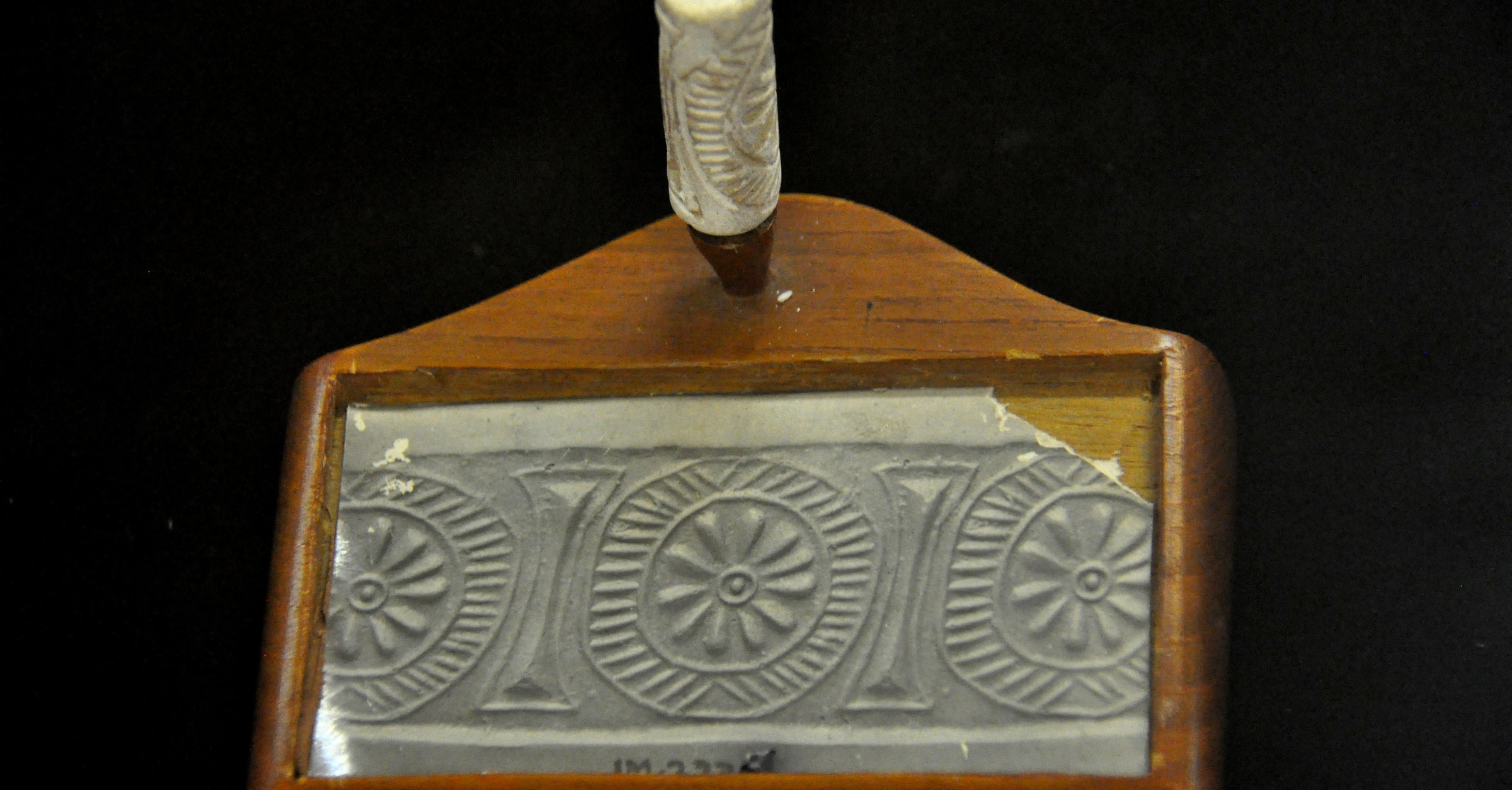
Fashioned predominantly from semi-precious stones such as lustrous marble, dark obsidian, vibrant amethyst, or prized lapis lazuli, and sometimes even from precious metals like gold or silver, these seals were objects of both utility and beauty. Owners typically wore their seals on leather strings around the neck or wrist, or pinned them securely to their garments, making them a constant, visible extension of their personal identity. When authentication was required, the seal was simply rolled across moist clay—be it a tablet, an envelope, or a container stopper—leaving a unique, binding impression.
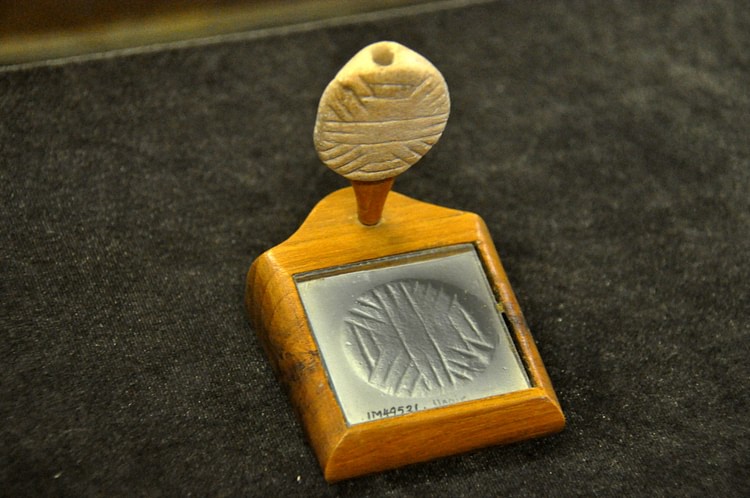
While cylinder seals represent the apex of this sealing technology, they coexisted with simpler stamp seals. The typical cylinder seal measured between 7-10 cm (3-4 inches) in length, allowing for expansive and detailed narratives. Stamp seals, by contrast, were considerably smaller, often less than 2 cm (1 inch), and typically less ornate, bearing a closer resemblance to the later signet rings. Regardless of their form, these seals were fundamental instruments in a society where written communication and legal verification were becoming increasingly sophisticated.
Chronology: Tracing Origins and Evolutionary Pathways
The genesis of sealing practices in Mesopotamia dates back to the Late Neolithic Period, roughly 7600-6000 BCE. While some archaeological evidence points to their initial emergence in the region of modern-day Syria, other claims suggest their slightly later development in Sumer (modern Iraq). This geographical ambiguity hints at a widespread, perhaps independent, innovation driven by similar societal needs across early agrarian communities.
Cylinder seals, with their distinctive rolling action, gained widespread popularity and prominence during the fourth millennium BCE, particularly throughout the Middle and Late Uruk Period. This era witnessed a significant rise in administrative complexity and bureaucratic structures, especially in southern Mesopotamia. The growing need for reliable authentication and clear identification within an expanding economic and governance system created the perfect environment for the cylinder seal to flourish.
Remarkably, the advent of cuneiform writing, around 3600/3500 BCE, did not diminish the significance of these seals. Instead, their role adapted. Legal documents from this period, meticulously translated by scholars like Theophile J. Meek, consistently demonstrate that even after the details of a transaction were recorded in written cuneiform on a clay tablet, the names of the involved parties were still appended with the crucial phrase "The seal of…" This practice underscores the enduring trust and legal weight placed upon the physical impression of a personal seal, even alongside the burgeoning technology of written script. The seals continued to evolve in style and detail, incorporating cuneiform script alongside or in place of earlier symbolic representations, further solidifying their place as a cornerstone of Mesopotamian identity and administration until their eventual decline with the rise of new administrative tools and materials.
Supporting Data: Unpacking the Details of Form and Function
A Tale of Two Seals: Cylinder vs. Stamp
The simultaneous popularity and regional variations of cylinder and stamp seals have long fascinated and sometimes puzzled scholars. While some, like Dr. Stephen Bertman, suggest that the stamp seal chronologically preceded the cylinder seal, others, including Dr. Gwendolyn Leick and Dr. Senta Green, contend that both types were in use concurrently. The argument for stamp seals being older often rests on the premise that simpler forms naturally precede more complex ones.
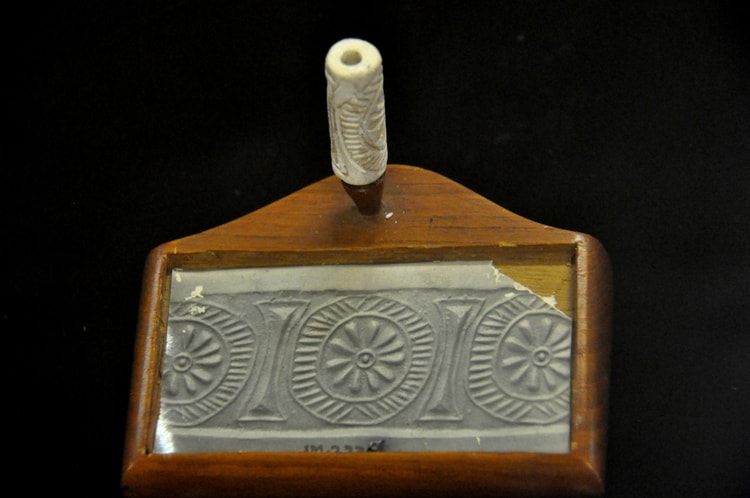
A key aspect of this scholarly debate revolves around the precise nature of what was being sealed. One prominent theory posits that cylinder seals evolved specifically to secure bullae – hollow, rounded clay balls containing tokens representing financial transactions (e.g., pebbles signifying sheep). Stamp seals, conversely, were thought to be used for sealing flat clay envelopes, which would be broken upon receipt. This theory suggests a logical progression: flat envelopes first required stamp seals, then bullae necessitated a seal that could be rolled over a curved surface.
However, archaeological evidence complicates this neat narrative. Discoveries reveal broken envelopes bearing the impressions of cylinder seals, and bullae marked with stamp seals, challenging the idea of a strict functional division. This overlap suggests a more nuanced reality where both seal types served various purposes across different contexts.
Scholar Clemens Reichel, as cited in Joshua Engelhardt’s Agency in Ancient Writing, offers a compelling resolution to the "which came first" dilemma, suggesting that the choice between stamp and cylinder seal was largely driven by regional administrative needs. Reichel observes:
"Unlike the northern sealing tradition of using stamp seals, southern Mesopotamians used cylinder seals, consisting of stone cylinders into which seal designs were engraved. The difference between stamp seal and cylinder seal is much more than a technical one and, in fact, tells us about the very nature of scribal agency behind the seal." (34)
Reichel argues that the limited surface area of a stamp seal restricted its iconographic variability, making it suitable for simpler identification. The elongated surface of a cylinder seal, however, provided a "canvas" for complex, narrative depictions, allowing for subtle variations essential for distinguishing numerous individual agents within a burgeoning bureaucracy. Given that the administrative systems of Uruk and southern Mesopotamia were generally more complex than those in the north, it follows that the south favored the more adaptable cylinder seal, while the stamp seal retained its popularity in the northern regions, including parts of ancient Syria and Turkey. This perspective elegantly reconciles the differing claims of origin and concurrent usage, attributing the seal type to the specific demands of regional governance and commerce.
Artistry in Miniature: Crafting the Seals
The creation of these intricate artifacts was the domain of highly skilled artisans known as a burgul in Sumerian and a purkullu in Akkadian. Apprenticeship under a master sealcutter typically lasted a minimum of four years, reflecting the immense precision and artistic talent required for the craft. A remarkable insight into their workshop practices comes from a sealcutter’s toolkit discovered in the ruins of the ancient city of Ugarit, Syria, as described by Stephen Bertman:
"In a clay jar were found a small copper chisel, two pointed copper gravers (for detail), a whetstone, a borer (for drilling holes), and some seals that had not yet been completed." (233)
These artisans also utilized tools made from bronze and flint, along with various drills and blades, to meticulously shape and engrave the hard stone. It is theorized that sealcutters might have purchased pre-cut "blanks" from specialized dealers, focusing their expertise on the intricate engraving that personalized each cylinder for its client. This division of labor would imply a sophisticated supply chain for seal production.
A crucial step in the process was drilling holes through the cylinder, allowing the owner to wear it as a personal adornment or badge of office. The social status of the owner was often reflected in the seal’s embellishments; Queen Puabi’s seal, for instance, featured a gold cap fastened with bitumen, a stark contrast to the less expensive metal caps found on seals belonging to those of lower standing. Her seal, found resting on her skeletal chest in her grave at Ur, dramatically illustrates the deeply personal and significant connection between an individual and their seal.
The carving technique employed was intaglio, where the design is incised below the surface of the stone. When rolled onto clay, this incised design creates an image in relief. Achieving this effect demanded an exceptional level of spatial awareness and artistic skill, as the artist had to mentally reverse the desired image before carving. Such mastery commanded high remuneration and respect within Mesopotamian society. The sheer demand for these items is evidenced by archaeological findings; Bertman notes that while "2,000 cylinder seals have been recovered" to date, it is estimated that "some 200,000 such seals from [the Uruk] period alone still await excavation" (231). This underscores the vital economic role of the sealcutter and their comfortable livelihood.
Styles and Semiotics: Decoding the Iconography
The iconography of cylinder seals provides a rich tapestry of Mesopotamian life and beliefs. Scholars Megan Lewis and Marian Feldman identify two primary styles: the Uruk style and the Jemdet Nasr style, distinguished by their motifs and carving techniques.
- Uruk-style seals are characterized by their exceptional naturalism and expressive clarity. Motifs often depict ritual narratives involving temples, boats, and offerings to deities, alongside naturalistic portrayals of animals arranged hierarchically. These seals are meticulously cut, rich in detail, and exhibit a balanced, aesthetically pleasing composition.
- Jemdet Nasr-style seals, while still intricate, are generally less detailed. They are marked by the extensive use of drills and cutting discs, resulting in distinctive round and linear marks. Common themes include women with pigtails engaged in domestic labor and herds of animals depicted in front of temples. It’s important to note that the Jemdet Nasr style is not strictly confined to the Jemdet Nasr period (3100-2900 BCE) and can also be found in Late Uruk contexts.
Hans Nissen, a prominent archaeologist, offers a functional distinction between these two styles, as relayed by Lewis and Feldman:
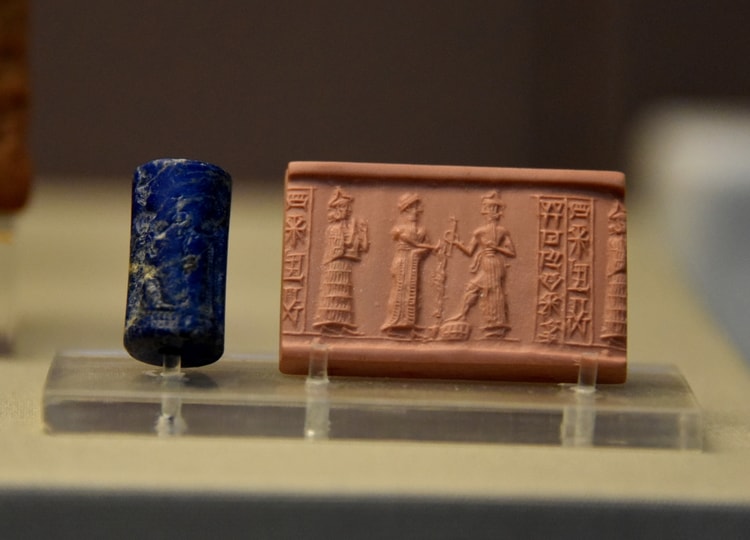
"The Uruk-style seals were property of, and used to identify, individuals, making it necessary for each seal to be visually distinct (Nissen 1977: 19). They were used to authorize transactions and control the movement and storage of goods (Nissen 1977: 20). As they were more complex and therefore time-consuming to produce, Nissen argues that they were property of elite members of society who were at the top of the administrative hierarchy (Nissen 1977: 20)." (6)
In contrast, Nissen suggests:
"the Jemdet Nasr seals were used to identify a ‘legal person’ such as an institution, and not a private individual (Nissen 1977: 19). In this case, it was less crucial for different seals to be distinguishable from each other, which allowed the use of repetitive motifs." (6)
This interpretation suggests a division reflecting the hierarchical administrative structure, with elite individuals requiring unique identifiers and institutions using more standardized seals.
Beyond Signatures: The Multifaceted Uses
The utility of cylinder seals extended far beyond simple authentication. Lewis and Feldman categorize their uses into four key areas, encompassing both practical and spiritual dimensions:
- Signing documents: As discussed, this was the primary function, establishing identity and consent in transactions and correspondence.
- Sealing containers: Seals were rolled over the clay stoppers of jars, baskets, or doors, signifying ownership, contents, or restricting access to authorized individuals.
- Amuletic function: Many Mesopotamians believed their seals possessed protective powers, acting as charms to ward off evil spirits, illness, or misfortune, and to attract good luck and prosperity. The imagery carved on the seal—perhaps a scene from a divine myth or the depiction of a protective "demon" like Pazuzu—would imbue it with specific magical potency. Pazuzu, despite his formidable appearance, was revered as a guardian against malevolent forces, particularly protecting pregnant women and infants.
- Personal identification and badge of authority: Beyond signing, the seal itself served as a visible identifier of one’s status, profession, or even allegiance. It was a tangible badge of authority or a symbol of specialized occupation within the complex social structure.
Official Responses: Scholarly Interpretations and Modern Insights
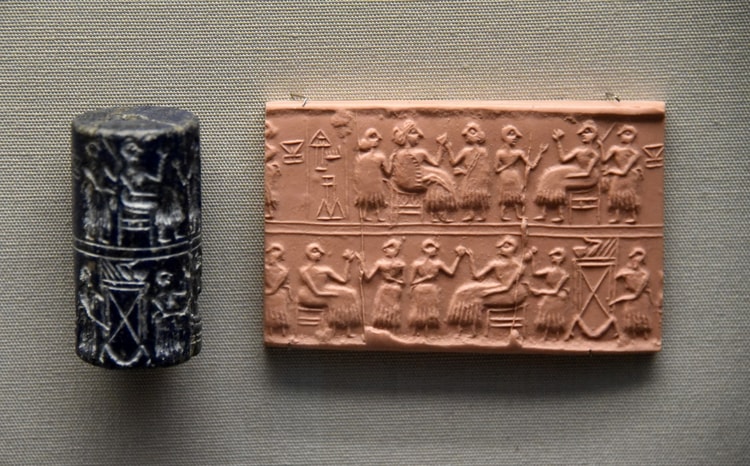
Contemporary scholarship continues to unlock the profound historical value of cylinder seals. Historians and archaeologists view these artifacts not merely as tools, but as direct conduits to the ancient past, offering granular detail about a civilization that thrived millennia ago.
Dr. Senta Green eloquently describes seals as "small time capsules," explaining:
"The images carved on seals accurately reflect the pervading artistic styles of the day and the particular region of their use. In other words, each seal is a small time capsule of what sorts of motifs and styles were popular during the lifetime of the owner." (2)
Beyond artistic trends, Green emphasizes the unique opportunity seals provide to "meet someone ‘in person’" who lived over 2,000 years ago, gleaning insights into their individual lives. She further elaborates on the interpretive richness of their iconography:
"Each character, gesture, and decorative element can be ‘read’ and reflected back on the owner of the seal, revealing his or her social rank and even sometimes the name of the owner. Although the same iconography found on seals can be found on carved stelae, terra cotta plaques, wall reliefs, and paintings, its most complete compendium exists on the thousands of seals which have survived from antiquity." (2-3)
Lewis and Feldman consolidate the meaning derived from the seals’ imagery into three overarching categories:
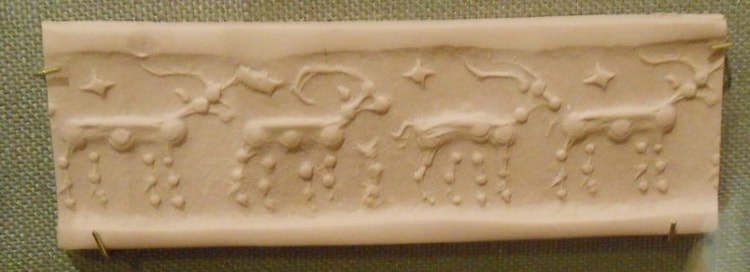
- Socio-political messages: Depictions of rulers, deities, or specific activities could reinforce political hierarchies, religious authority, or societal norms.
- Religious/cosmological beliefs: Mythological scenes, divine symbols, or protective figures reflected the prevailing spiritual worldview and an individual’s personal piety.
- Economic transactions: Scenes related to agriculture, trade, or administrative processes illustrated the economic activities and structures of the time.
The enduring significance of these seals, even after the widespread adoption of cuneiform, is a testament to their inherent value. As Stephen Bertman observes, the ancients were acutely aware of life’s "impermanence" in a world prone to devastating floods and constant change. In such a transient existence, the stone cylinder seal emerged as:
"the ultimate symbol of permanence in an impermanent world. Perhaps that is why it occupied such an important position in their lives and was worn as a badge of honor." (235)
This profound insight suggests that beyond their practical applications, cylinder seals held a deeply personal and existential meaning, representing a fixed point of identity and authority in a fluctuating cosmos.
Implications: Echoes of an Ancient World in the Modern Gaze
The cylinder seals of Mesopotamia offer far more than mere historical curiosities; they are critical lenses through which we can understand the foundational elements of complex human society. Their implications reverberate across various fields of study:
- Understanding Early Bureaucracy and Governance: The seals provide tangible evidence of sophisticated administrative systems long before the widespread use of paper or advanced printing. They reveal how a complex society managed trade, property, and legal agreements, allowing for the systematic organization of vast empires.
- Insights into Daily Life and Social Structure: By studying the motifs, materials, and associated contexts of these seals, historians can reconstruct aspects of daily life, from agricultural practices to ritual ceremonies. The variations in seal quality and iconography clearly delineate social hierarchies, professions, and gender roles, painting a vivid picture of Mesopotamian society.
- Tracing Artistic and Technological Evolution: The evolution from simpler stamp seals to the intricate cylinder seals, and the distinct Uruk and Jemdet Nasr styles, document significant artistic and technological advancements. The intaglio carving technique itself stands as a testament to the high level of craftsmanship and ingenuity present in ancient Mesopotamia.
- The Concept of Identity and Authentication: The profound concern over the loss of a seal, and the official procedures for reporting it, highlight the critical importance of personal identification and authenticity in ancient society. This mirrors modern concerns about identity theft and the safeguarding of personal credentials, demonstrating a timeless human need for secure self-representation.
- A Bridge to the Spiritual World: The amuletic function of many seals offers a direct window into Mesopotamian religious beliefs, magical practices, and their cosmology. Understanding which deities, demons, or symbols were invoked for protection or prosperity enriches our comprehension of their spiritual landscape.
- A Human Connection Across Millennia: Perhaps the most compelling implication is the personal connection these seals afford. Each impression is a direct touch from an individual who lived thousands of years ago—a merchant signing a contract, a priest sealing an offering, a queen asserting her authority. These miniature artifacts allow us to "meet" and comprehend individuals who, despite the vast chasm of time, worried, worked, and found meaning in life in ways that are profoundly relatable today.
In conclusion, the cylinder seals of ancient Mesopotamia, though small in stature, are colossal in their historical import. They continue to intrigue and educate, serving as eloquent testaments to the ingenuity, complexity, and humanity of one of the world’s most influential early civilizations. They remind us that even the smallest artifacts can hold the grandest stories, bridging the divide between a distant past and our present understanding of human endeavor.


Leave a Comment