
The Architect of Profound Strangeness: A Comprehensive Profile of Hans Rickheit
Introduction: Navigating the Surrealist Labyrinth
In the landscape of contemporary independent comics, few voices resonate with the same unsettling, melancholic, and visceral frequency as Hans Rickheit. For over a quarter-century, Rickheit has operated on the periphery of the mainstream, constructing a body of work that defies easy categorization. His narratives are less like traditional stories and more like "3-D dioramas" of the psyche—sprawling, ink-drenched explorations of abandoned mansions, biomechanical horrors, and the quiet tragedies of social outcasts.
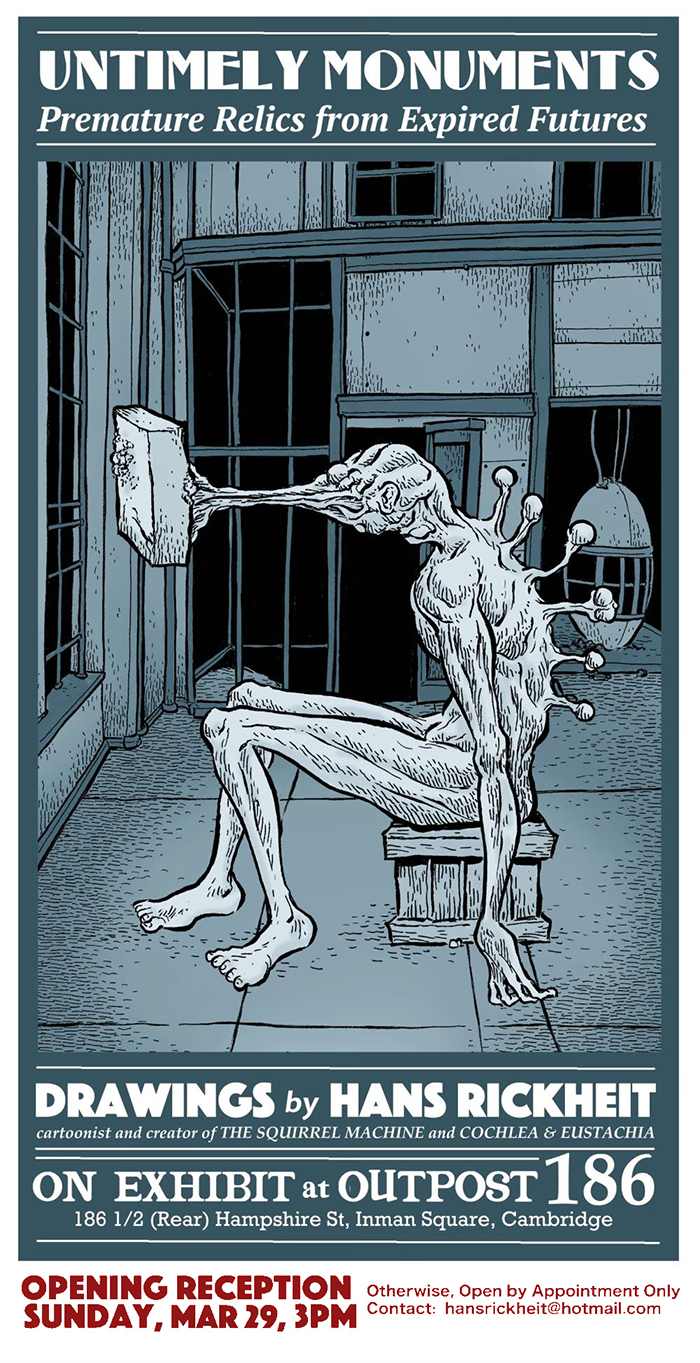
With the recent launch of Cochlea & Eustachia, Volume 2 and his latest gallery exhibition, "Untimely Monuments" at Outpost 186 in Cambridge, Massachusetts, Rickheit’s quirky and often provocative vision is undergoing a renewed critical appraisal. This profile examines the life, career, and philosophy of an artist who has turned a "semi-feral" existence into a prolific career punctuated by absurd humor, surrealist wit, and an uncompromising dedication to the "profoundly strange."
Chronology: From High School Zines to the Masterwork
Hans Rickheit’s journey into the world of sequential art began not in the hallowed halls of an elite art school, but in the xeroxed subculture of the 1980s and 90s.
The Formative Years and the Xeric Milestone
Rickheit’s earliest ventures into self-publishing began at the age of eleven. Inspired by a childhood obsession with The Incredible Hulk and a late-developing vocal ability—he did not speak until nearly age six—Rickheit found in comics a language that transcended the verbal. By high school, he was already a fixture in the zine scene, earning reviews in legendary publications like Factsheet Five.
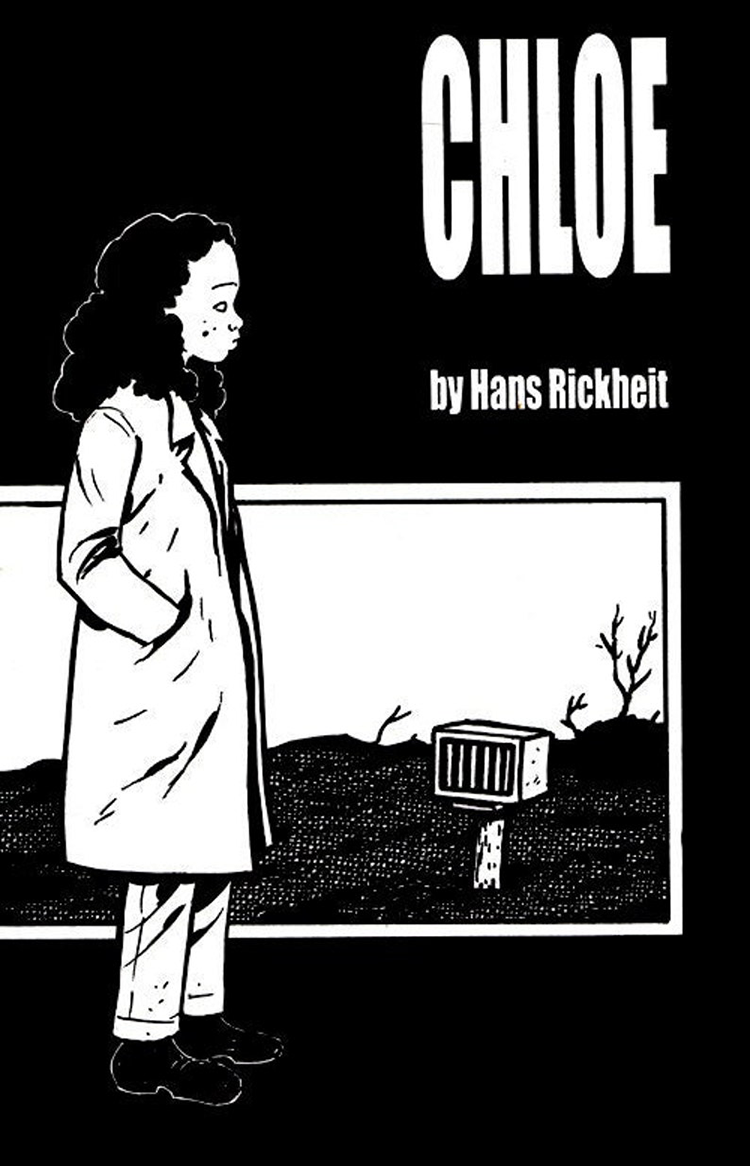
The first major turning point in his professional career arrived in 2002 with the graphic novella Chloe. The book, a haunting tale of a teenage misfit’s relationship with a mysterious woodland dwarf, earned Rickheit the prestigious Xeric Grant. Established by Teenage Mutant Ninja Turtles co-creator Peter Laird, the Xeric Award was the "holy grail" for indie cartoonists before the advent of crowdfunding. Rickheit recalls receiving his approval letter on September 11, 2001—a day of global catastrophe that, for him, felt like the literal breaking of reality required to allow his "weirdo comics" into the light.
The Rise of the Squirrel Machine
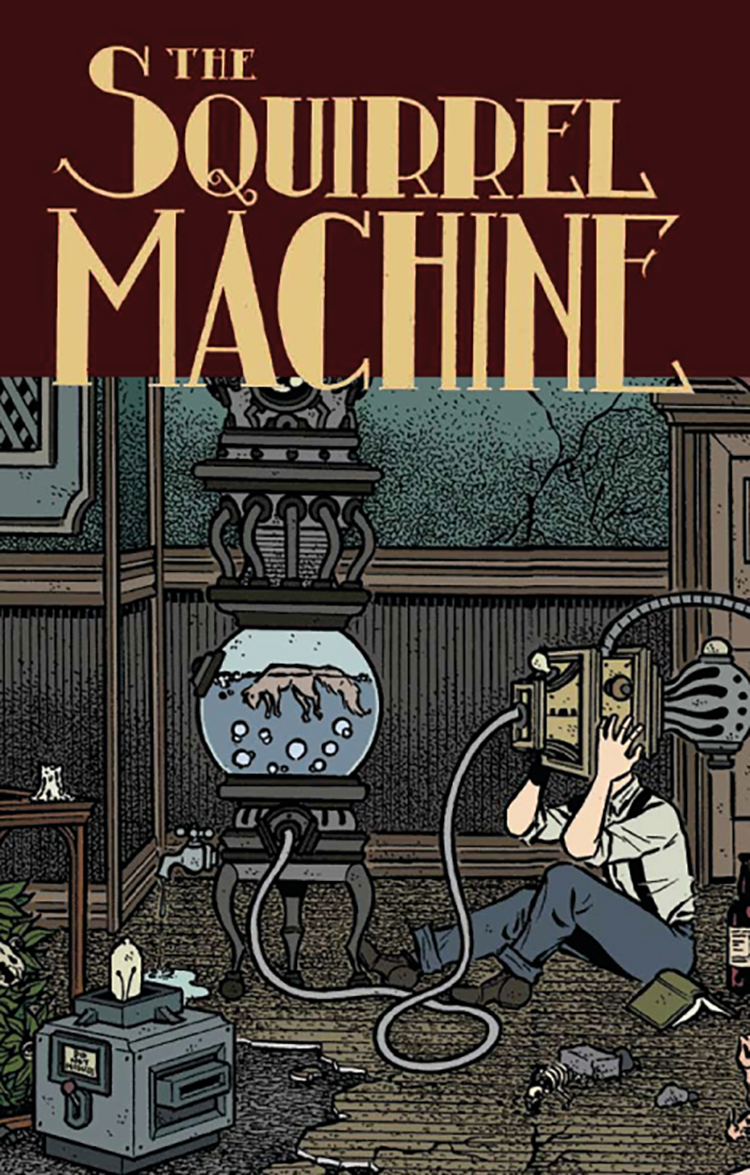
While Chloe established his reputation, it was the 2009 release of The Squirrel Machine by Fantagraphics that cemented Rickheit’s status as a master of the form. Eight years in the making, the book tells the story of two brothers, Edmund and William, in a stifling, Victorian-esque New England town. The brothers create bizarre musical instruments from animal remains, a narrative thread that many critics viewed as a metaphor for the artist’s own scavenged creative process.
The Evolution of Cochlea & Eustachia
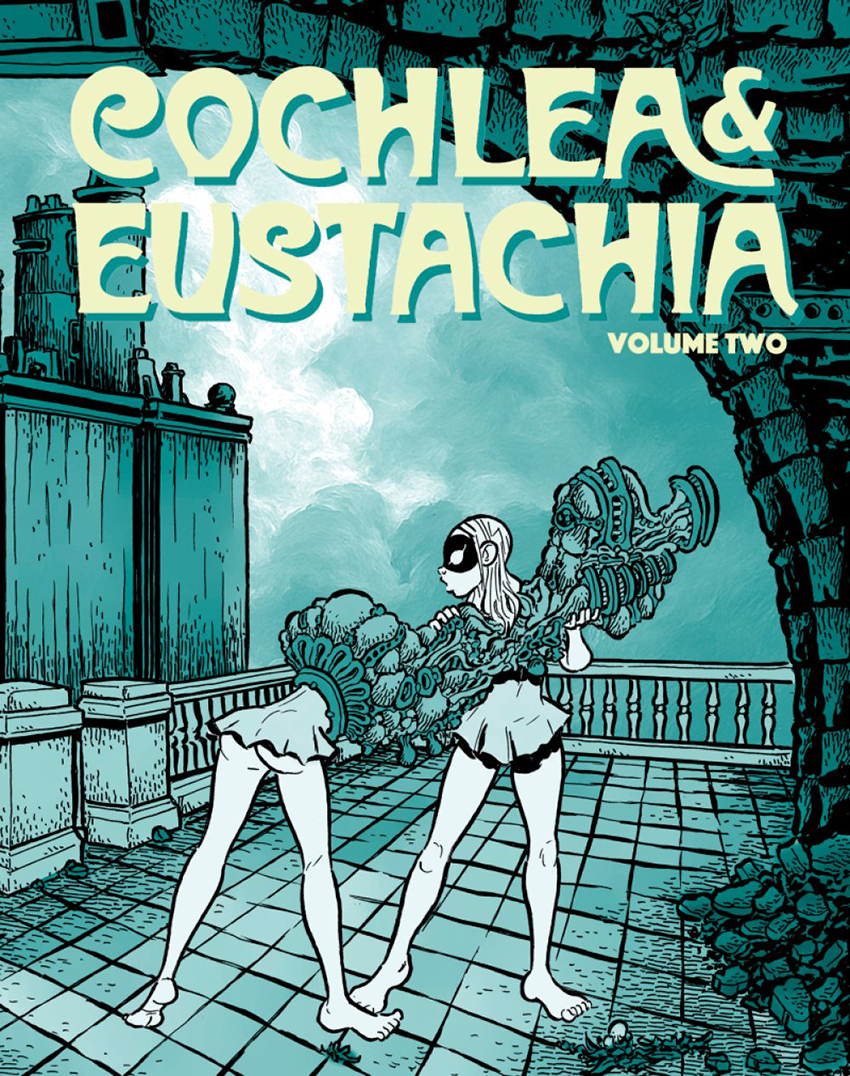
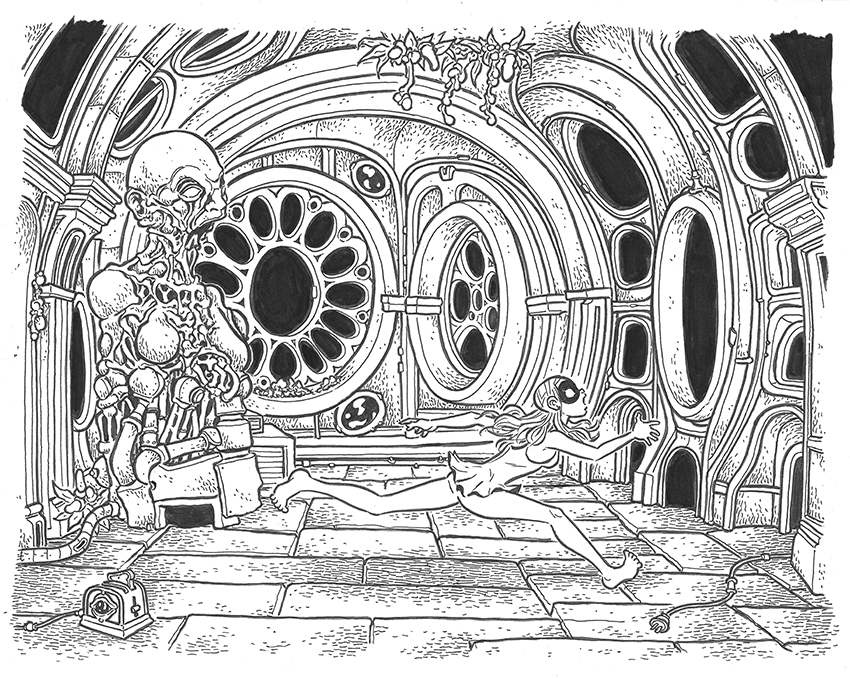
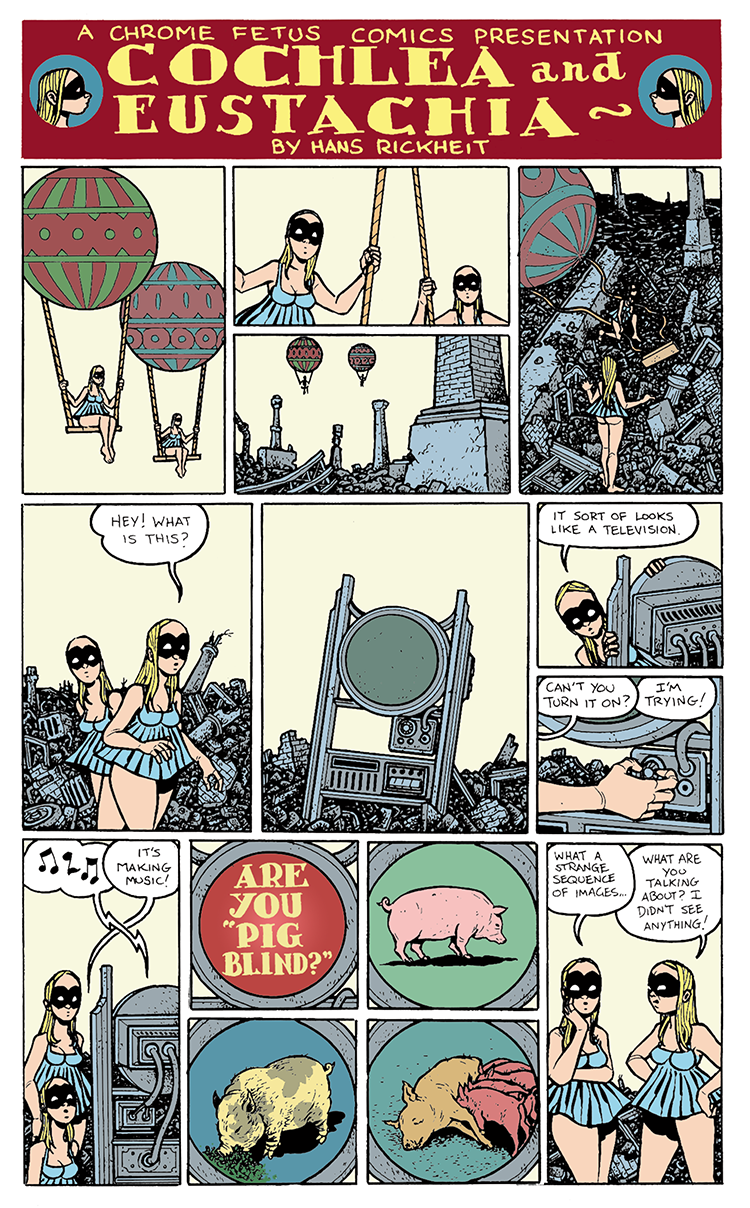
Perhaps his most recognizable creations are Cochlea and Eustachia, twin women who wander through dank, spooky mansions. Originally conceived as a six-week strip for the Seattle alt-weekly The Stranger in the early 2000s, these characters took on a life of their own. They have since become the centerpiece of Rickheit’s "oeuvre," with Volume 2 of their adventures finally seeing publication in 2026 after an eleven-year drawing process.
Supporting Data: Artistic Influences and Philosophical Underpinnings
To understand Rickheit’s work is to understand the "conglomeration of things" he has absorbed. His aesthetic is a bridge between the 19th-century gothic and 20th-century surrealism.
The Visual Language of the Uncanny
Rickheit cites the dream-logic comics of Jim Woodring as a primary catalyst for his path. His visual style, however, leans heavily into the cinematic textures of the Brothers Quay and the stop-motion grotesqueries of Jan Švankmajer. This influence is evident in his meticulously rendered backgrounds, which often feel like characters themselves.
Furthermore, his interest in medical journals and the anatomy of the deformed informs his character designs. The names "Cochlea" and "Eustachia" are themselves derived from the anatomy of the human ear, a nod to his fascination with the biological and the mechanical.
The "Misfit" Motif
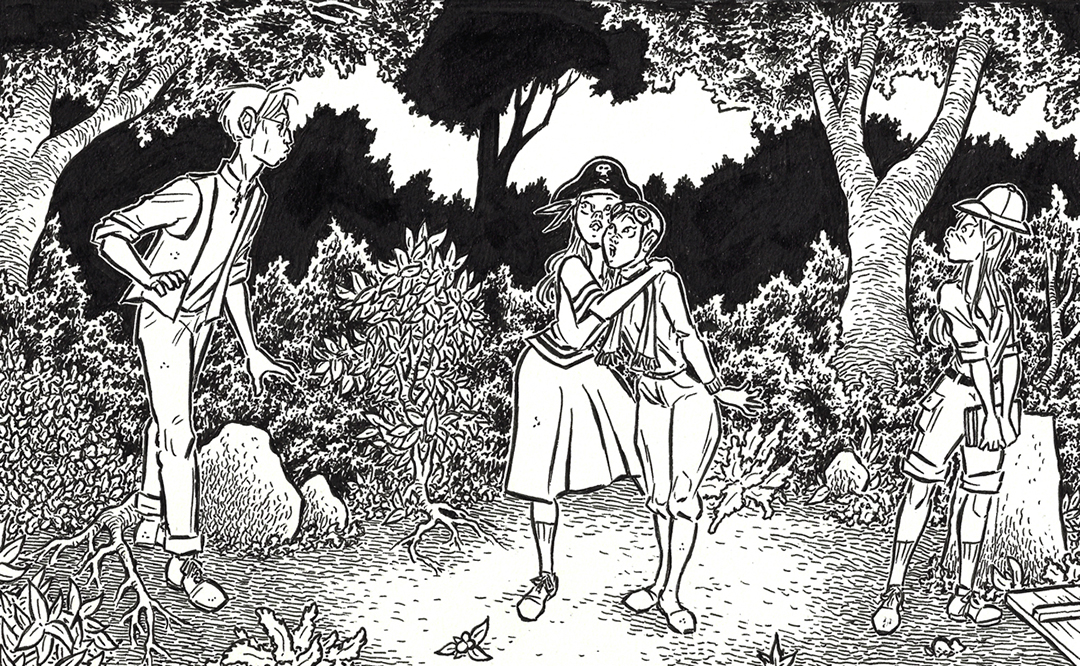
A recurring theme in Rickheit’s work is the social outcast. From the teenagers in The Squirrel Machine to the title character in Chloe, Rickheit’s protagonists are almost always "misfits." This is rooted in his own upbringing in rural, conservative Central Massachusetts. "Misfits are more interesting than normal people," Rickheit notes, reflecting on a youth spent exploring abandoned buildings and conducting "smelly experiments" in driveways—activities that the local community viewed with deep suspicion.
Official Responses: The Artist on His Process and Controversies
In a recent series of interviews and gallery talks, Rickheit has been candid about the challenges of his career and the often-polarizing nature of his subject matter.
On the "Feral" Creative Life
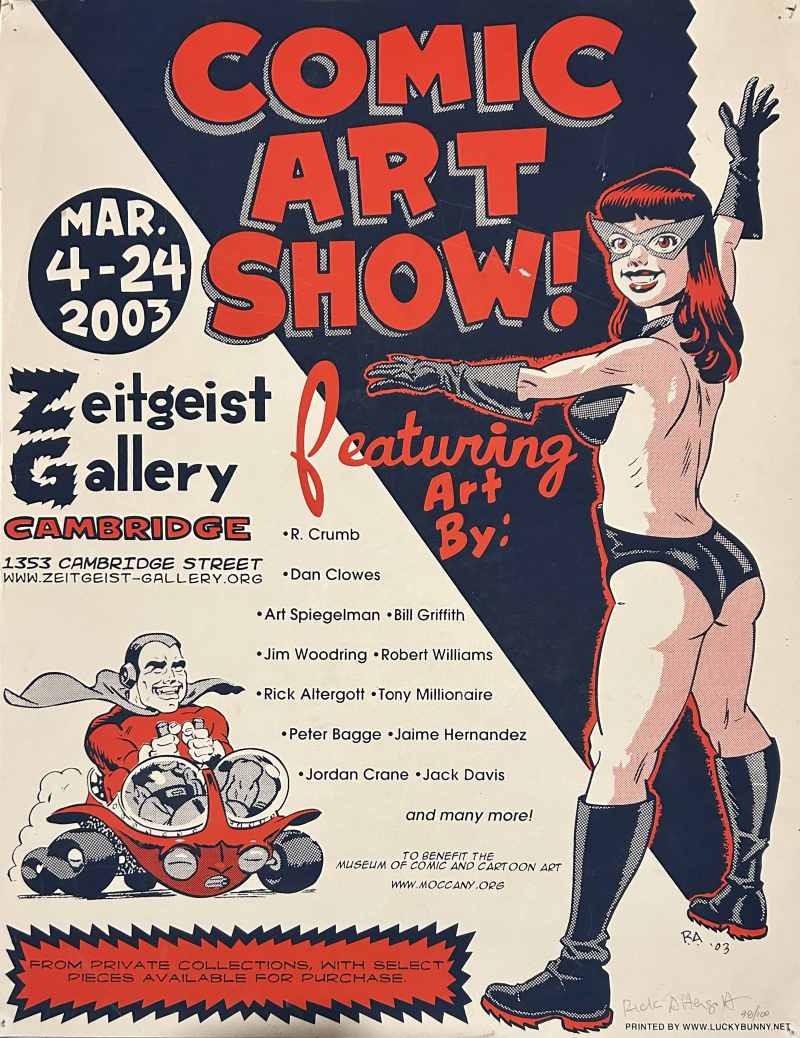
Rickheit’s work is inseparable from his lifestyle. He describes a "semi-feral existence" during his twenties and thirties, living in the basements of galleries like the Zeitgeist in Cambridge or abandoned factory buildings. "I never could get a proper full-time job or proper income," he admits. This "hard-scrabble" existence, characterized by sneaking into dance schools to use their showers and living off scavenged food, provided the atmospheric grit that permeates his panels.
The Philadelphia Controversy
One of the most significant moments in Rickheit’s career was a hostile reception in West Philadelphia. During a projection of his Cochlea & Eustachia comics, he was confronted by an audience that perceived his work as anti-feminist or exploitative. Despite identifying as a feminist, Rickheit was "iced out" of the local community, an experience that led to a deep depression. This incident highlights the tension inherent in surrealist art: the gap between the artist’s internal Freudian explorations and the audience’s sociopolitical interpretations.
Technical Transitions: Analog to Digital
While Rickheit remains a staunch advocate for paper-based art, his methods have evolved. He describes his current process as a "3-D diorama" approach:
- Scribbled Layouts: Initial ideas are captured on scrap paper.
- Penciling: Figures are drawn on Xerox paper.
- Digital Compositing: Using Clip Art Studio, he collages these figures with backdrops made from his own photographs of flea market finds and discarded objects.
- Inking: The final composite is inked on high-quality paper using a light-box.
Interestingly, Rickheit has recently abandoned the use of rulers and precise templates, opting for a looser, more "scribbly" style that he finds less stressful and more expressive.
Implications: The Future of the Handmade in an AI Era
As Rickheit continues to expand his "growing oeuvre," his work stands as a testament to the power of human limitation. In a modern era dominated by the "bland results" of Artificial Intelligence, Rickheit argues that it is the very constraints of the human hand and the "stilted development" of the individual mind that make art interesting.
The Collaboration with Krissy Dorn
The artist’s personal life has also integrated into his professional output. His marriage to fellow artist Krissy Dorn has led to collaborations like Delia, a comic where Dorn provides the inking over Rickheit’s sparse pencils. This partnership represents a new chapter in his career—one where the "misfit" finds a companion in the creative process.
The Longevity of the Weird
Hans Rickheit’s career suggests that there is a permanent, if niche, place for the "profoundly strange." As he moves into wordless comics and continues the "adult horror" themes of The Gloaming, he remains focused on the "collective unconscious."
His work serves as a reminder that "weird" is a relative term. What was once subculture—breaking into abandoned buildings or making art from roadkill—has, in some ways, been co-opted by the mainstream via the internet. Yet, Rickheit’s ink-and-paper visions retain an "oddness" that resists digital homogenization.
Conclusion: Embracing the Limitation
Ultimately, Hans Rickheit’s contribution to the medium of comics is his refusal to normalize. Whether he is drawing "The Lady with the Broken Back" for a gallery show or chronicling the silent wanderings of two ear-named twins, he is leaning into his limitations. "We need to embrace our limitations, lean into them," he asserts. In doing so, he has built a monument to the unsettling beauty of the human imagination—one that is likely to retain its profound strangeness for decades to come.


Leave a Comment