
Historic World Cup Berth Secured Amidst Global Health Concerns: DR Congo Stars Granted Travel Exemption
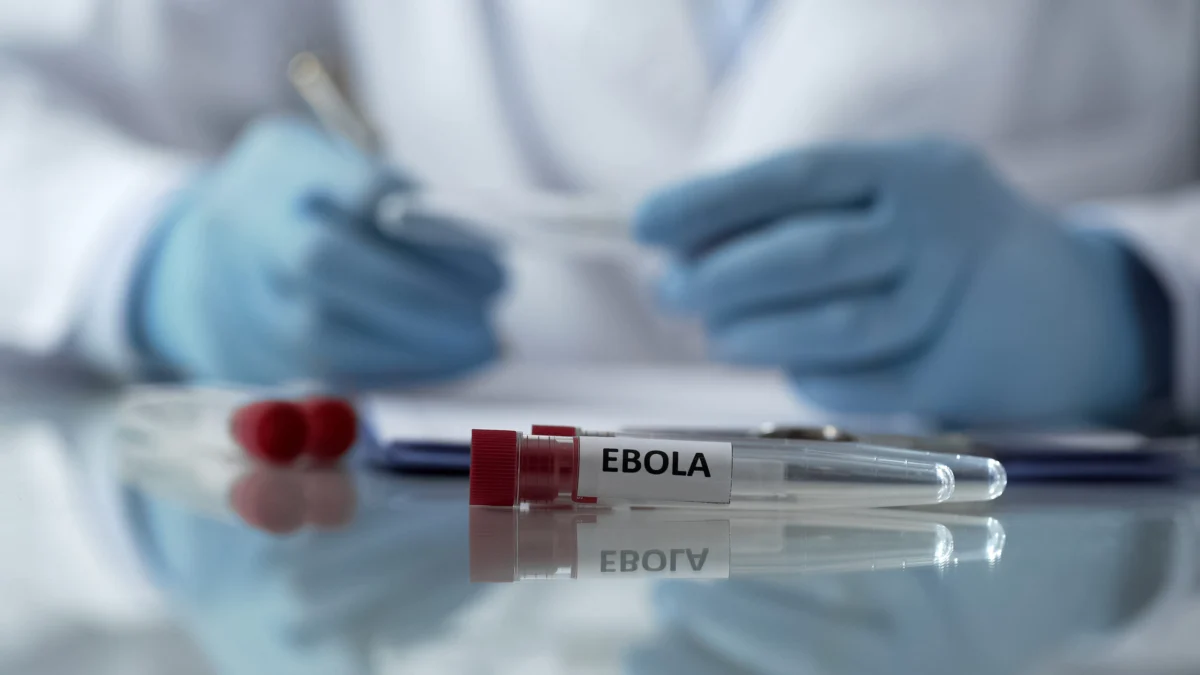
Kinshasa, Democratic Republic of Congo – In an unprecedented move that highlights the delicate balance between international public health directives and sporting diplomacy, the United States has granted a special exemption to the national football team of the Democratic Republic of Congo (DRC). This exemption allows the team and its staff to enter the U.S. for the FIFA World Cup 2026, despite a stringent travel ban in place due to an ongoing Ebola outbreak in the DRC and neighboring countries. The decision comes as the DRC celebrates its first World Cup qualification in 52 years, a monumental achievement for a nation grappling with significant health and humanitarian challenges.
The travel restriction, issued by the United States, prohibits non-American citizens who have been in the DRC, Uganda, or South Sudan within the preceding 21 days from entering the country. This measure is a direct response to the escalating Ebola crisis, which has tragically claimed over 130 lives in the DRC alone, with more than 246 cases reported. However, in a testament to the global significance of the World Cup and the DRC’s historic qualification, a senior Department of State official, speaking anonymously to AFP, confirmed that the national football team and its personnel would be afforded a unique exception.
"We’re working to get them into the same protocol for testing in isolation that American citizens returning and permanent residents would be," the official stated, as reported by AFC. This carefully worded assurance underscores the commitment to both facilitating the team’s participation and mitigating any potential health risks. Crucially, the exemption acknowledges that the players have already been in Europe for the past 21 days, a factor that likely influenced the decision-making process.
However, this diplomatic concession is not without its limitations. The exemption explicitly excludes fans, meaning that the passionate supporters of the Congolese national team will not be able to travel to the U.S. to cheer on their heroes. This mirrors a similar situation with the Iranian national team, suggesting a broader U.S. policy of allowing athletes and staff entry while restricting general travel from affected regions. The absence of local fan support will undoubtedly cast a different atmosphere over the DRC’s World Cup campaign, a stark reminder of the ongoing global health crisis.
The DRC has been drawn into Group K of the World Cup, a formidable challenge that will see them face off against some of the world’s elite footballing nations. Their opponents include Cristiano Ronaldo’s Portugal, a perennial powerhouse, as well as Colombia and Uzbekistan. The team’s matches are scheduled to take place in Houston and Atlanta in the United States, and Guadalajara in Mexico, underscoring the multi-national nature of the tournament. The DRC’s journey to the World Cup has been a source of immense pride and a much-needed beacon of hope for a nation that has endured decades of conflict and instability.
The Shadow of Ebola: A Public Health Crisis
The Ebola virus disease (EVD) is a severe, often fatal illness caused by the Ebola virus. It is characterized by the sudden onset of fever, intense weakness, muscle pain, headache, and sore throat. This is followed by vomiting, diarrhea, rash, and in some cases, internal and external bleeding. The current outbreak in the Democratic Republic of Congo is one of the most protracted and complex in the history of the disease. The vastness of the country, coupled with challenges in accessing remote communities and the impact of ongoing insecurity, has made containment efforts particularly difficult.
The World Health Organization (WHO) and various international health organizations have been working tirelessly on the ground, deploying medical personnel, providing essential supplies, and implementing vaccination campaigns. However, the persistent threat of the virus, its ability to spread rapidly, and the devastating human toll it takes continue to be a major concern for global public health authorities. The decision to implement travel restrictions by countries like the United States is a necessary, albeit difficult, measure aimed at preventing the international spread of the virus.
A Historic Milestone: The Leopards Roar into the World Cup
For the Democratic Republic of Congo, the qualification for the FIFA World Cup 2026 is more than just a sporting achievement; it is a symbol of resilience and a source of national unity. The team, affectionately known as "The Leopards," has not graced the World Cup stage since 1974, when the country was known as Zaire. The intervening half-century has been marked by political turmoil, economic hardship, and numerous humanitarian crises. Therefore, this qualification represents a significant moment of triumph and a much-needed morale boost for the Congolese people.
The journey to qualification was arduous, demanding immense dedication and skill from the players and coaching staff. Their success on the pitch has captured the imagination of the nation, transcending ethnic and regional divides. The prospect of seeing their national heroes compete on the world’s biggest sporting stage has ignited a sense of hope and national pride that has been sorely missed.
Navigating the Labyrinth of Travel Restrictions: A Diplomatic Balancing Act
The U.S. travel ban, while a crucial public health measure, presented a significant obstacle for the DRC’s World Cup aspirations. The diplomatic maneuvering that led to the exemption highlights the intricate interplay between international relations, health security, and major global events. The Department of State’s decision to allow the team entry, albeit under strict protocols, underscores the recognition of the World Cup’s global significance and the importance of allowing national teams to participate.
The official’s statement about implementing "the same protocol for testing in isolation that American citizens returning and permanent residents would be" suggests a multi-layered approach. This likely involves rigorous pre-travel testing, on-arrival screening, and potentially quarantine measures, all designed to minimize any risk of transmission. The fact that the players have been in Europe for the past 21 days is a critical piece of information, as it suggests a period of potential incubation has already passed and that they are likely not in an active transmission phase from the DRC itself.
However, the exclusion of fans is a poignant consequence. For many Congolese, the dream of witnessing their team compete in the World Cup would have involved traveling to support them. The inability to do so due to health concerns will undoubtedly be a source of disappointment. This restriction, while understandable from a public health perspective, deprives the team of the invaluable energy and encouragement that passionate fan bases provide.
The Global Stage and its Challenges: Implications for the DRC
The DRC’s participation in the World Cup 2026, despite the ongoing Ebola crisis, brings both opportunities and challenges. On one hand, it offers a global platform to showcase the talent and determination of Congolese athletes. It can also serve to draw international attention to the country’s ongoing struggles and inspire humanitarian aid and support. The visibility that comes with participating in such a prestigious tournament can be a powerful tool for advocacy and development.
On the other hand, the shadow of the Ebola outbreak looms large. The association with the virus, even with the travel exemptions, could inadvertently perpetuate negative perceptions of the country. The media coverage surrounding the team’s participation will inevitably be intertwined with reports on the health crisis, creating a complex narrative for the DRC on the global stage.
Furthermore, the economic implications for the DRC are also significant. While the qualification itself is a source of national pride, the ability to capitalize on the momentum generated by the World Cup could be hampered by the ongoing health and security challenges. Ensuring that the benefits of this sporting achievement translate into tangible improvements for the nation will require sustained effort and international cooperation.
A Look Ahead: The FIFA World Cup 2026 and Beyond
As the FIFA World Cup 2026 approaches, the Democratic Republic of Congo’s national team will embark on a journey that is both exhilarating and fraught with the realities of their nation’s challenges. Their qualification is a testament to their skill, perseverance, and the indomitable spirit of the Congolese people. The U.S. travel exemption, while a pragmatic solution, highlights the complex geopolitical and public health considerations that surround major international events.
The world will be watching not only the athletic prowess of the Leopards on the pitch but also the broader narrative of a nation striving for progress amidst adversity. The hope is that this historic World Cup appearance will serve as a catalyst for positive change, fostering greater international engagement and support for the Democratic Republic of Congo, both in its fight against disease and in its pursuit of a brighter future. The absence of their dedicated fans in the stadiums will be a poignant reminder of the sacrifices made, but the roar of millions back home will undoubtedly echo across the continents, fueling the team’s historic quest.




Leave a Comment