
The Resurgence of the Tangible: Inside the 2026 Chicago Alternative Comics Expo (CAKE)
CHICAGO — On May 2, 2026, the Irish American Heritage Center became the epicenter of the independent publishing world as it hosted the annual Chicago Alternative Comics Expo (CAKE). Against a backdrop of increasing digital saturation and the rise of generative AI, the expo served as a defiant testament to the enduring power of the physical medium. This year’s gathering highlighted a sophisticated evolution in the "alt-comics" scene, blending traditional zine aesthetics with high-concept social commentary and experimental production techniques.
The event, long a staple of the Midwest’s literary and artistic calendar, drew creators and enthusiasts from across the country. The 2026 iteration was characterized by a distinct shift toward "tactile storytelling"—comics that require physical interaction beyond the mere turning of pages—and a thematic focus on the anxieties of the modern era, from the housing crisis to the ethics of technological labor.
Chronology of the Expo: A Pilgrimage to the North Side
The morning of May 2nd saw a steady stream of attendees navigating the coast of Lake Michigan toward the Irish American Heritage Center. The venue, a sprawling, heavily-tiled edifice with the architectural DNA of a mid-century middle school, provided a nostalgic, utilitarian atmosphere that contrasted sharply with the avant-garde work housed within.
Upon the opening of the doors, the exhibition hall—anchored by a massive, kilometer-long wooden bar (a remnant of the center’s social club roots)—quickly filled with a diverse demographic of collectors, students, and veteran cartoonists. The day followed a structured rhythm: a morning of high-energy "table-hopping" and networking, followed by midday panel discussions that addressed the technicalities of the craft, and a final afternoon surge where the "new guard" of artists established their presence among seasoned critics and peers.
Supporting Data: Key Works and Artistic Innovation
The 2026 expo was defined by several standout works that pushed the boundaries of the medium. These publications, ranging from minimalist "residential horror" to maximalist theological parables, offer a snapshot of the current state of independent comics.
Tactile and Interdimensional Explorations
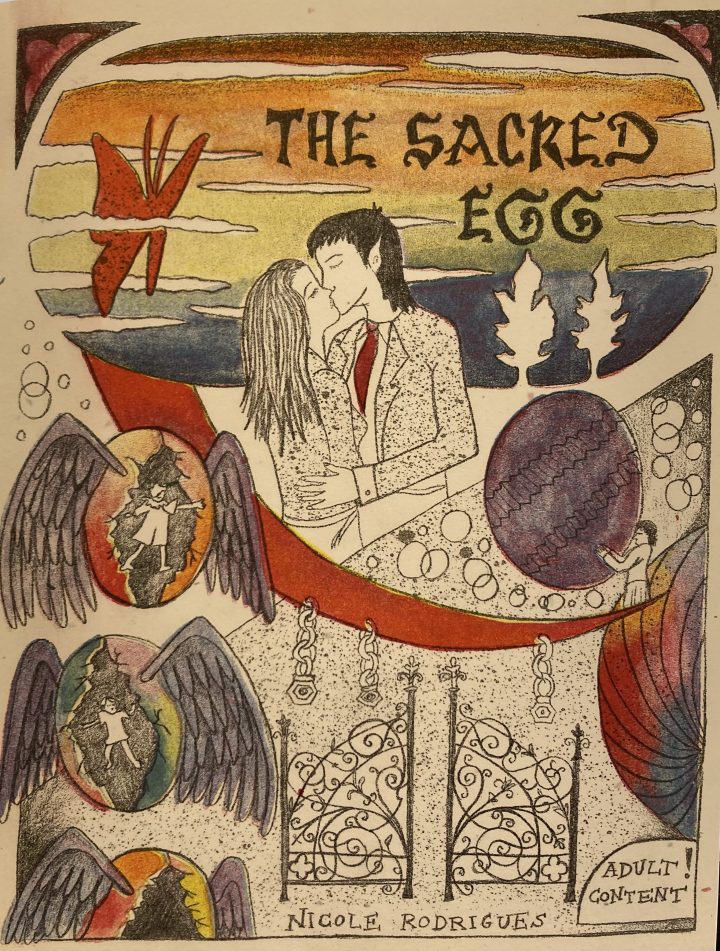
Nicole Rodrigues, a veteran of the "Arrivals and Departures" circuit, debuted The Sacred Egg. The twelve-page risographed zine represents a significant experiment in reader engagement. By utilizing transparency paper, Rodrigues forces the reader to physically overlay hallucinatory watercolors onto stark linework, mimicking the effect of a lightbox. The work, described by critics as "interdimensional," bridges the gap between traditional print and interactive installation art.
The New Wave of Sports Narratives
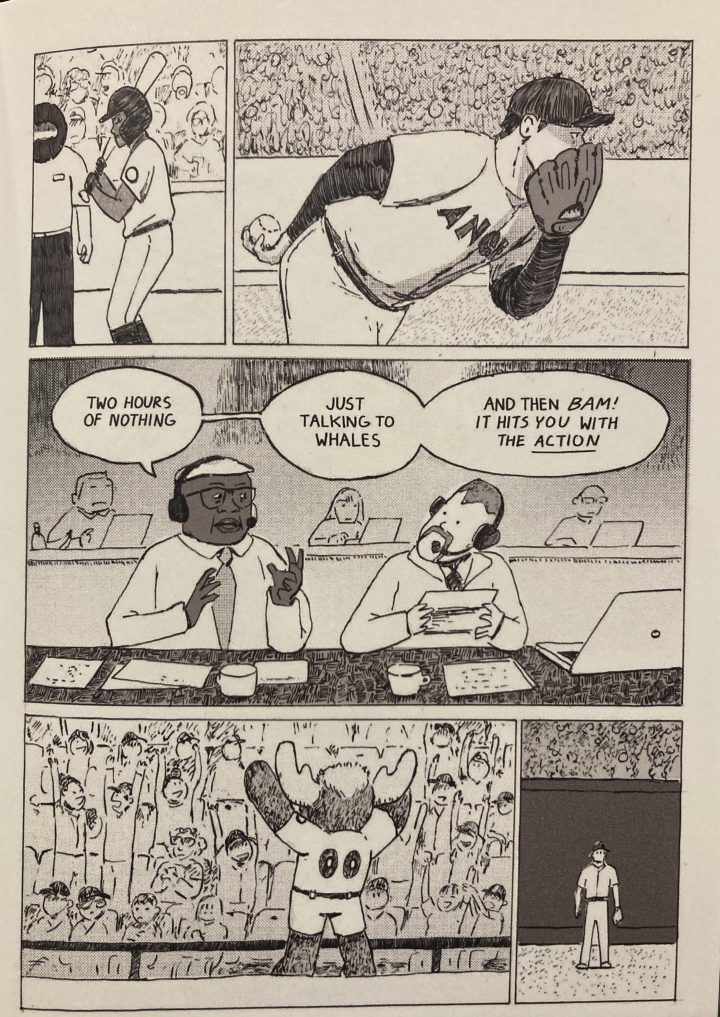
Vincent Lau’s Pace of Play emerged as one of the most discussed minicomics of the weekend. Created in response to Major League Baseball’s implementation of the pitch clock, the nine-page work documents a single at-bat between the Los Angeles Angels and the Seattle Mariners. Lau’s mastery of pacing—alternating between the frantic speed of the clock and the languid minutiae of stadium life (hot dog vendors, mascot antics, and idle announcer chatter)—was cited as a benchmark for contemporary sports comics.
Socio-Political Maximalism
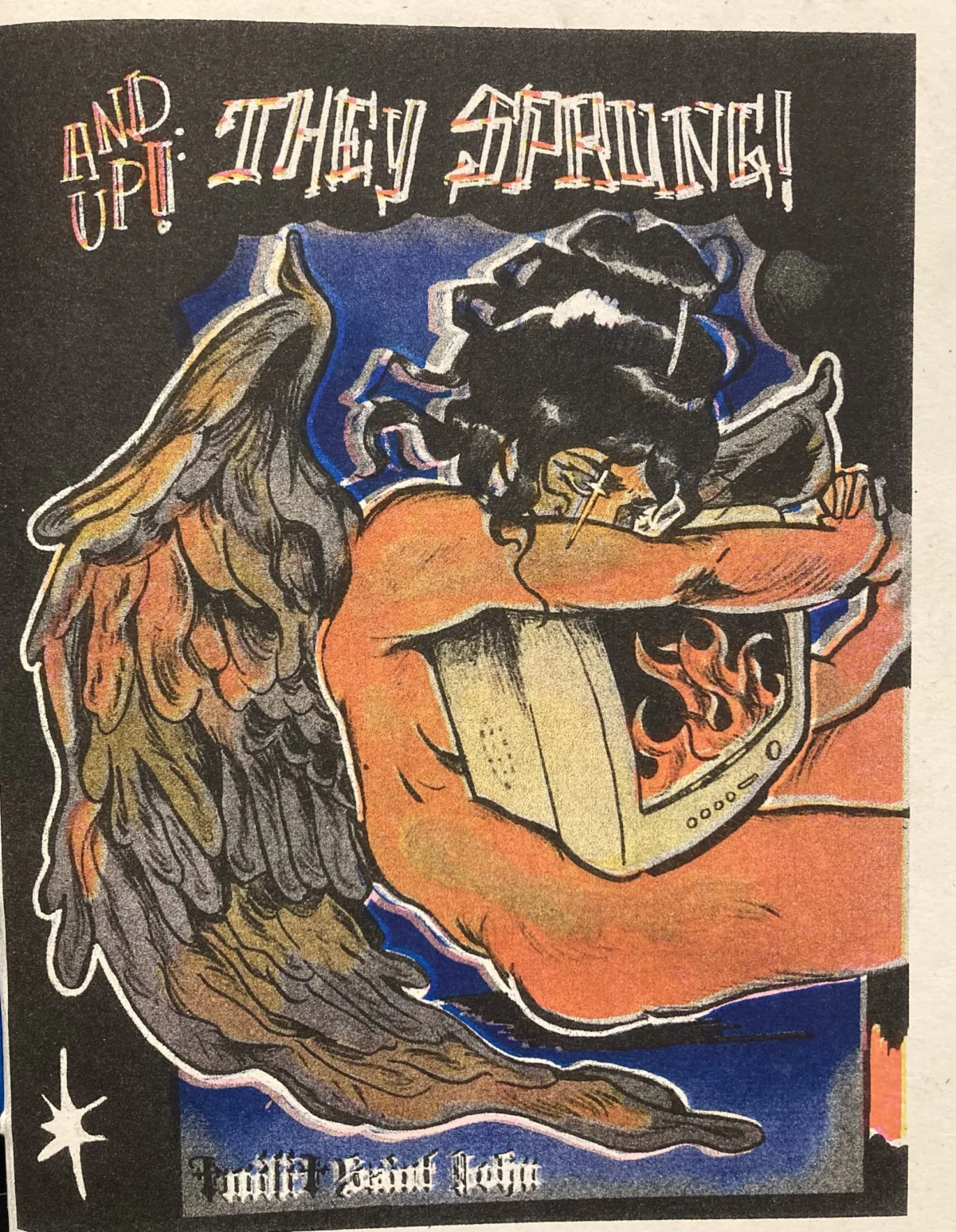
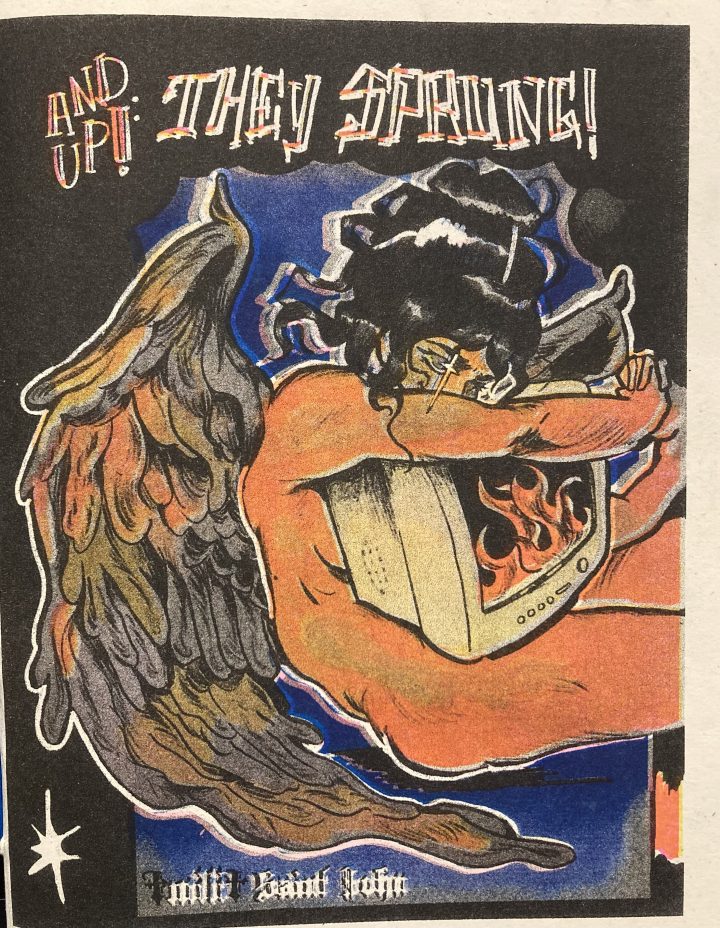
The most ambitious debut of the expo was arguably Mili St. John’s And Up They Sprung. Drawing inspiration from Gustave Doré and John Milton, St. John presented a modern parable that parallels the fall of Satan with the rise of Big Tech oligarchs. The narrative utilizes "timeline hopping" to explore the relationship between data centers and religious institutions, framing the exploitation of labor through AI and lawsuits as a new form of holy war. The work was noted for its "balls-to-the-wall" ambition, a stark contrast to the minimalist trends of previous years.
Residential Horror and Minimalism
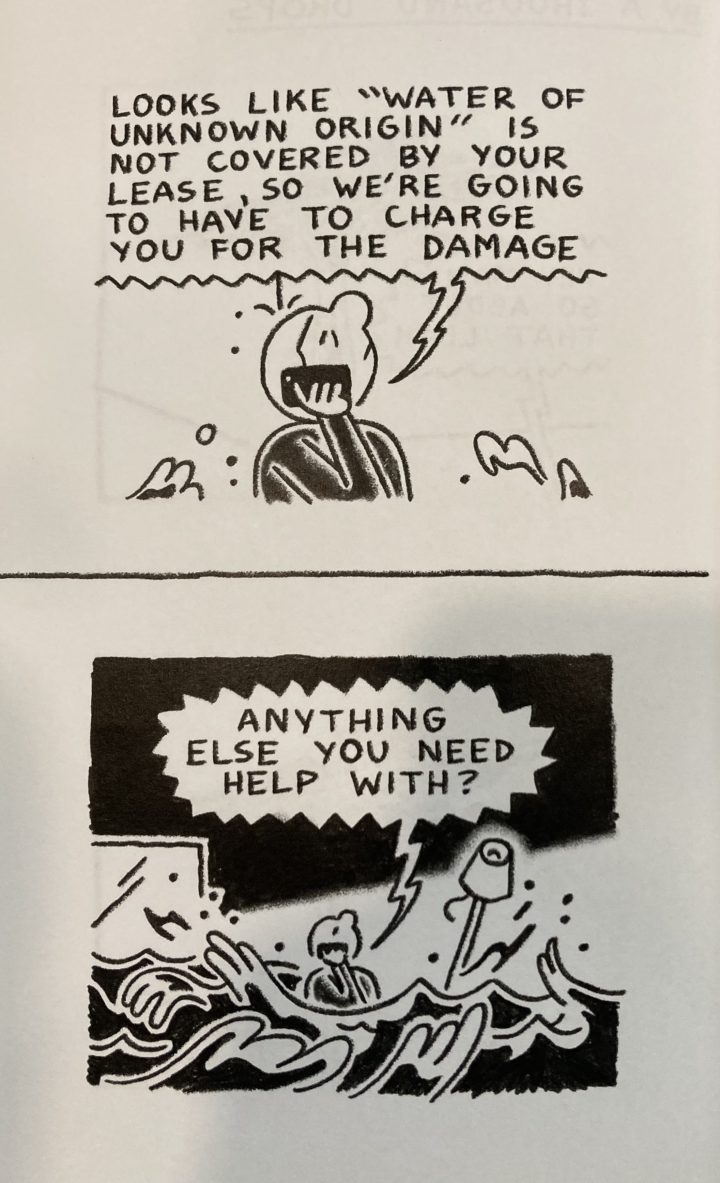
Richie Pope, recognized for his influential 2016 work Fatherson, returned with Modern Housing. This collection of short, 4-to-8-panel stories utilizes negative space to articulate the "domestic specter" of the modern landlord. Pope’s work functions as a critique of the housing crisis, depicting the landlord as an ethereal entity that haunts tenants during rent collection but vanishes when structural issues arise.
Official Responses and Panel Insights: "Say Less"
The centerpiece of the afternoon programming was the panel titled "Say Less: Succinct Storytelling Strategies," featuring artists Jim Terry, Dave Ortega, and Vincent Lau. The discussion centered on the challenge of "editing down" in an era of information overload.
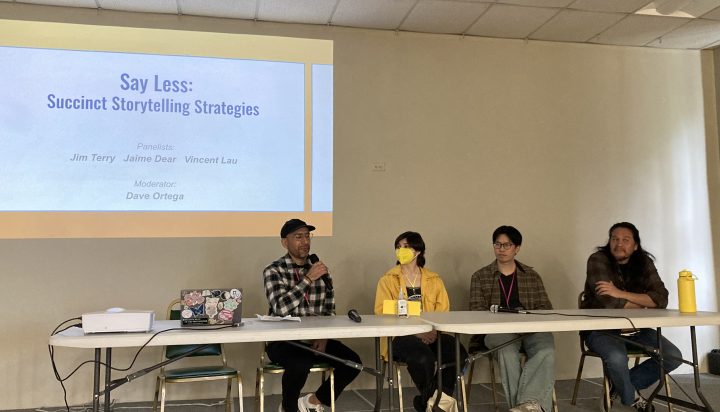
While the panel was marked by moments of levity—including a volunteer’s humorous mispronunciation of the title—the core message was one of discipline. The panelists argued that the strength of the alternative comic lies in its ability to convey complex emotional truths through silence and visual shorthand. Vincent Lau, in particular, was highlighted as a "star-in-the-making" for his ability to translate the passage of time into a static, two-dimensional format.
The panel also reflected a broader trend in the community: the transition of leadership. Veteran voices in the industry are increasingly looking to younger artists like Mili St. John and Ivy Rose to define the next decade of the medium. This "passing of the torch" was evident in the way established critics sought recommendations from the "youngs," signaling a healthy, self-renewing ecosystem.
Implications for the Independent Publishing Industry
The success of CAKE 2026 carries several significant implications for the future of the arts:
1. The "Post-Digital" Aesthetic
The heavy reliance on risograph printing, transparency overlays, and hand-bound "perfect-bound" digests suggests a "post-digital" aesthetic. Creators are intentionally leaning into the limitations and unique textures of physical print—elements that cannot be replicated by digital screens or AI-generated imagery.
2. Comics as Social Documentation
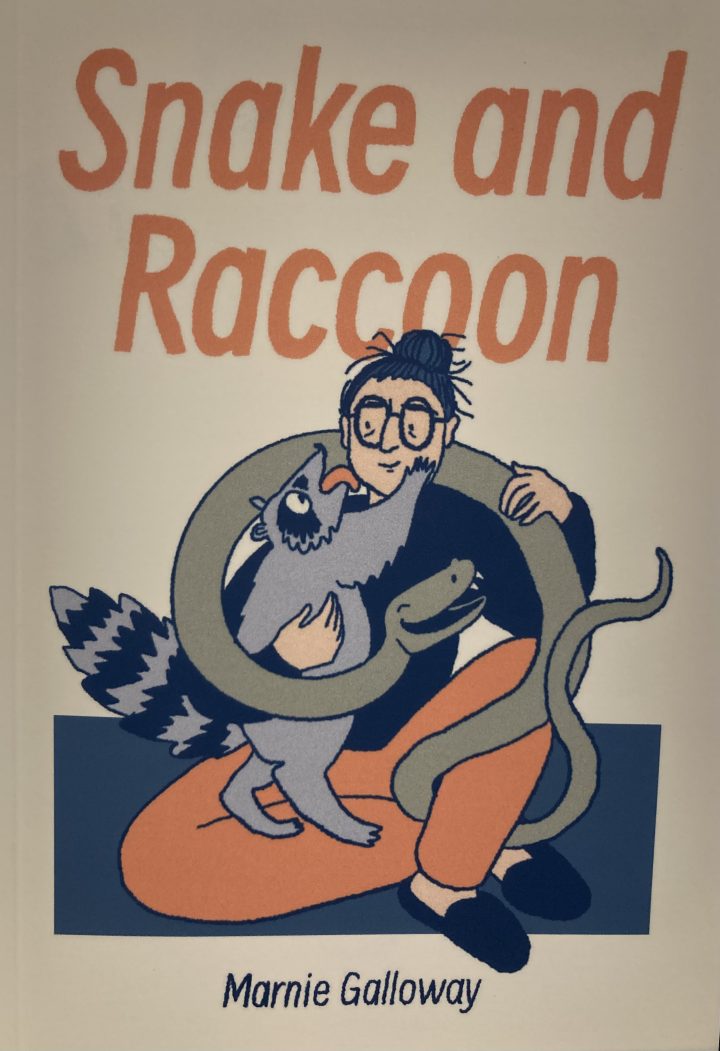
Works like Snake and Raccoon by Marnie Galloway demonstrate the medium’s growing role in documenting the "invisible" labor of parenting and domestic life. By blending humor with raw autobiography, these comics provide a level of nuanced confession that remains a hallmark of the genre, even as it evolves.
3. The Niche-Lit Crossover
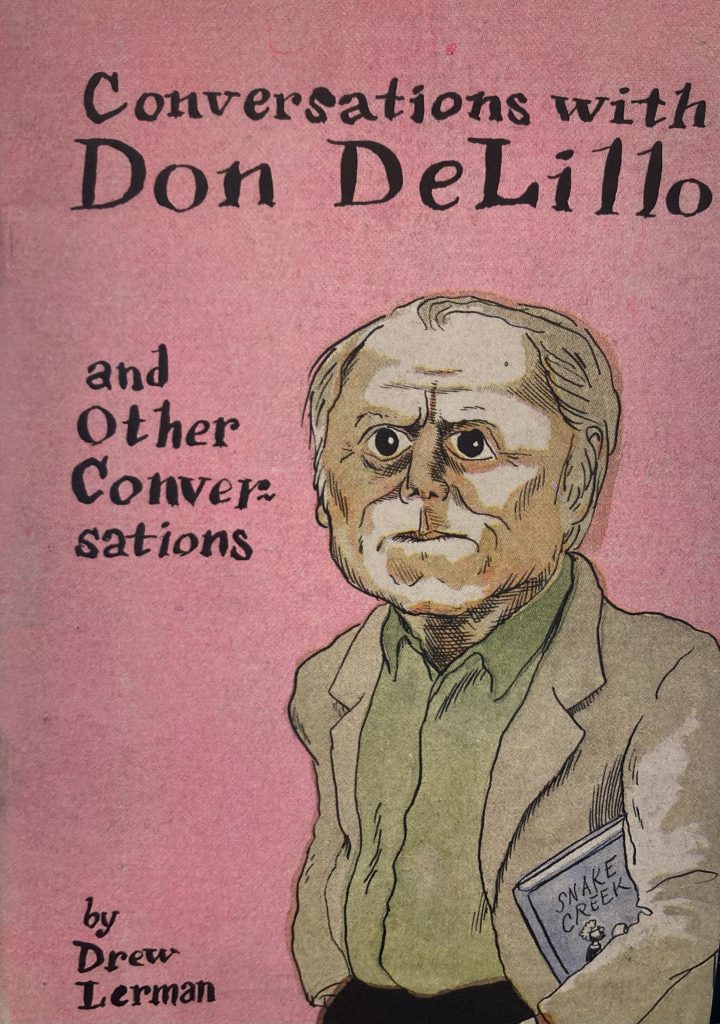
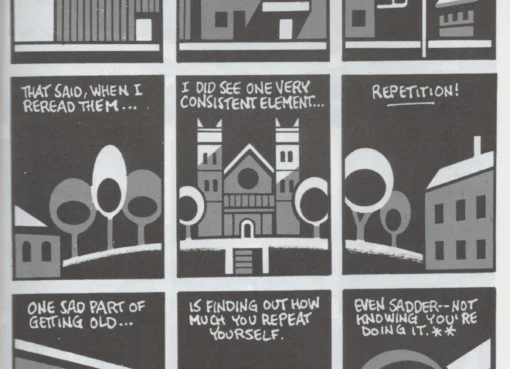
The popularity of Drew Lerman’s Conversations with Don DeLillo (published by Cram Books) points to an increasing overlap between the world of "nerd-lit" and alternative comics. The repetition and intellectual humor of such strips suggest that the audience for alt-comics is becoming more academically diverse, drawing in readers from the literary fiction world.
4. The Endurance of Local Hubs
The Irish American Heritage Center’s role as a host underscores the importance of local community hubs in sustaining the arts. Despite the "stuffy" atmosphere and the lack of professional amenities (such as the cordoned-off bar mentioned by attendees), the physical proximity of creators—the "modicum of breeze" at a table near the door—remains essential for the cross-pollination of ideas.
Conclusion: A Cruelty-Free Creative Future
As the expo concluded, the prevailing sentiment was one of "daydreamy optimism." The diversity of the work—ranging from the abstract, Shonen-influenced "imp" stories of Cam Collins’ Redman to the raw, restroom-sign-inspired autobiography of Ivy Rose’s Handsy—showcases a medium that refuses to be pigeonholed.
The 2026 Chicago Alternative Comics Expo proved that while the "road of excess" may lead to the palace of wisdom, the road to Chicago leads to the heart of the creative resistance. In an age of automation, the hand-drawn, hand-printed, and hand-sold comic remains a vital, "cruelty-free" expression of the human experience.
For further inquiries regarding the Chicago Alternative Comics Expo or to submit works for review in future columns, please contact the expo’s media relations office or follow regional arts updates via independent literary journals.

Leave a Comment