
Elizabeth Hobbs’ "The Daughters of the Late Colonel": A Masterclass in Subtle Animation and Lingering Echoes
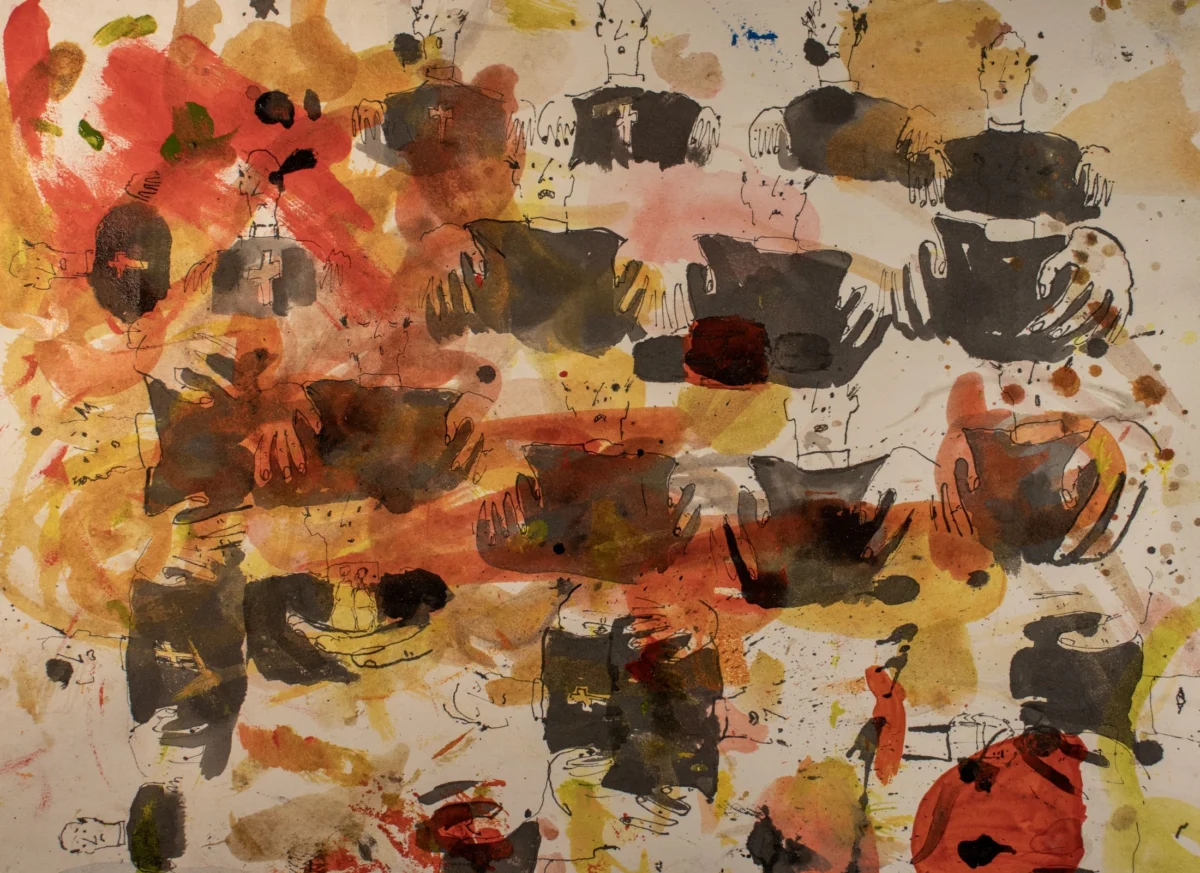
London, UK – May 20, 2026 – British filmmaker Elizabeth Hobbs, a celebrated artist known for her evocative and textured animation, is set to premiere her latest short film, The Daughters of the Late Colonel, at the prestigious Directors’ Fortnight at Cannes tomorrow. This nine-minute animated gem, which will also compete at the Annecy International Animation Film Festival next month, is a profound and darkly humorous adaptation of Katherine Mansfield’s 1921 short story. The film masterfully explores the suffocating legacy of a domineering father and the tentative emergence of two sisters from his long shadow, all rendered through Hobbs’ signature style of loose mark-making and layered textures.
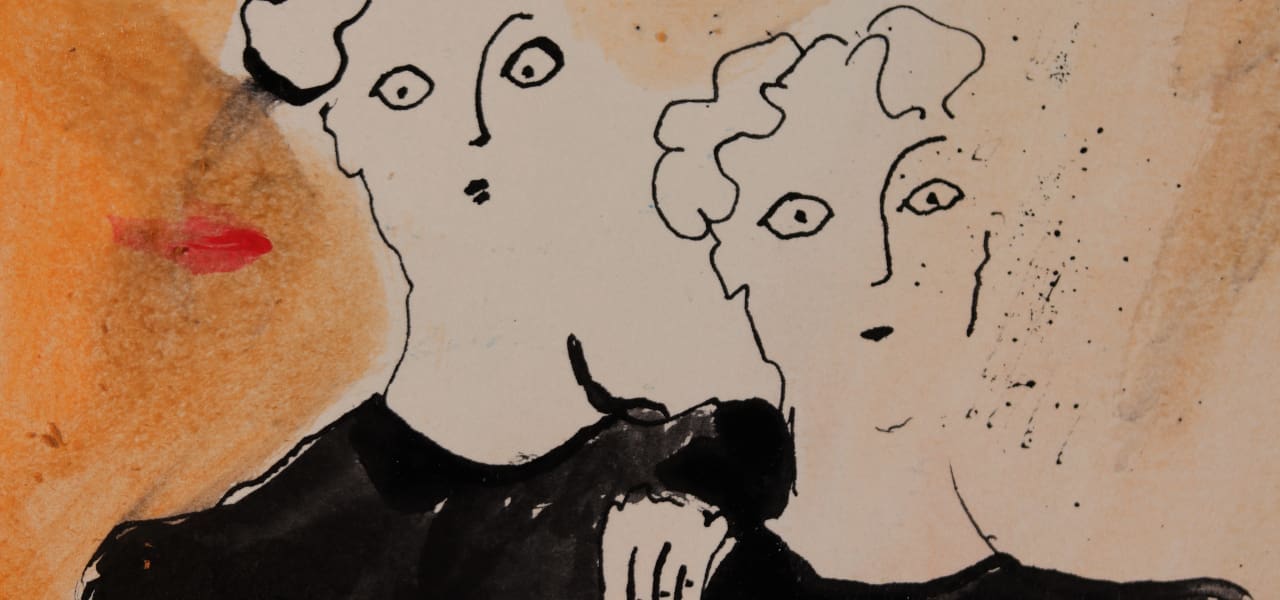
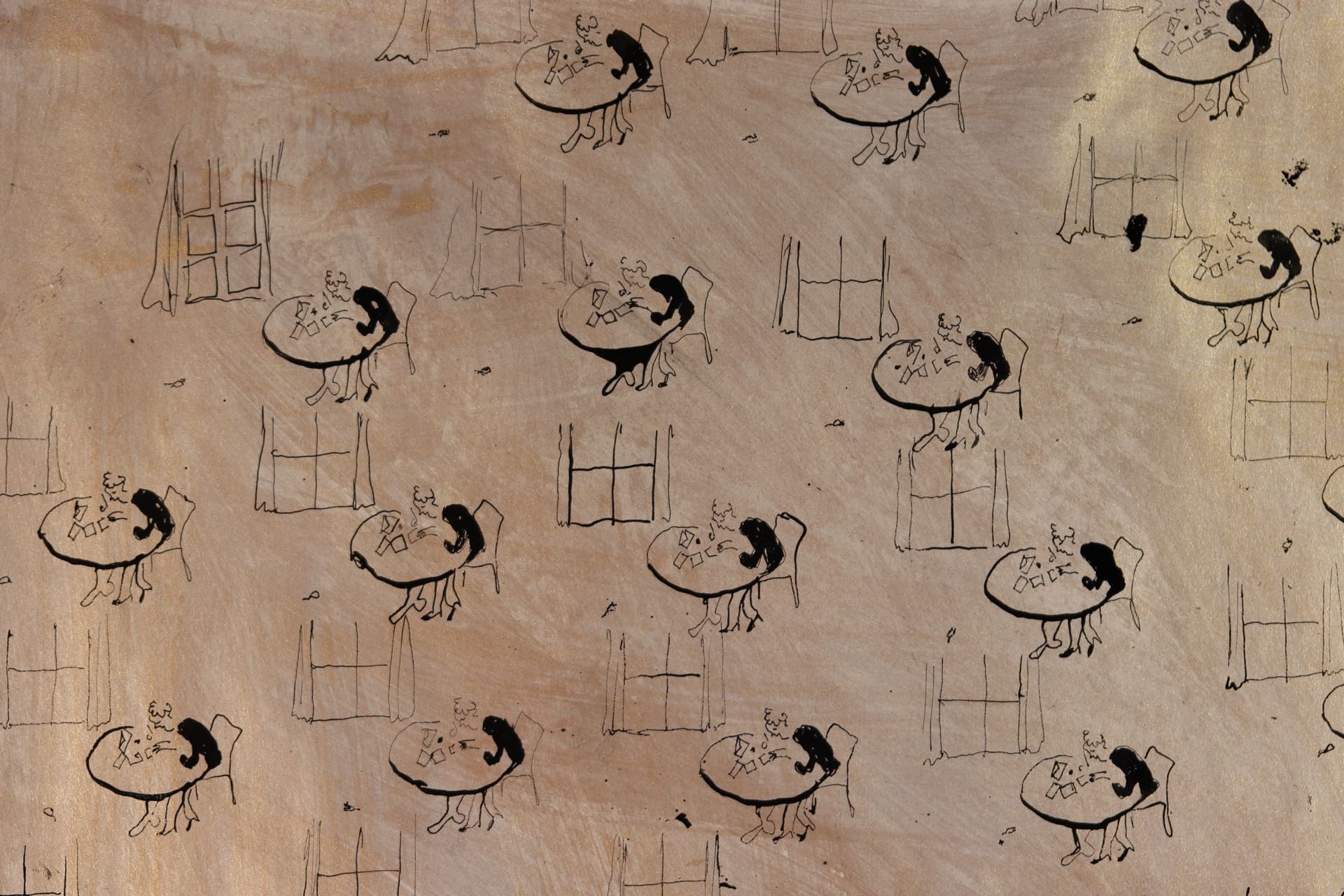
Hobbs’ artistic journey has been characterized by a deep engagement with literary adaptation and a consistent evolution of her visual language. Her animation often feels as though it is being conjured directly beneath the lens of a rostrum camera, a technique that imbues her work with an organic, almost tactile quality. The Daughters of the Late Colonel represents a significant new chapter in this artistic progression. While retaining the thematic concerns of memory, performance, and social ritual that have long fascinated her, the film showcases a newfound visual restraint. The imagery is sparser, the linework more delicate, and Hobbs expertly wields negative space, subtle silhouettes, and the nuanced expressions of a single eye or twitching digit to convey immense emotional weight.
This artistic evolution is not a departure from her core principles but rather a refinement, a testament to Hobbs’ growing confidence in the power of suggestion. As she shared with Cartoon Brew ahead of the film’s premiere, her aim was to move towards a more reductive aesthetic: "I think I’m trying to get to a point in which I’m not doing anything ‘too much’," she explained. "So it’s about reducing the image and reducing the materials. In a way, trying to make something without too many processes getting in the way of what your hands and your brain are trying to do." This philosophy, born from years of dedicated experimentation, has culminated in a film that is both visually arresting and emotionally resonant.
Genesis of a Haunting Portrait: Adapting Mansfield’s World
The decision to adapt Katherine Mansfield’s "The Daughters of the Late Colonel" was a natural fit for Hobbs. The 1921 story, with its rich psychological landscape and potent dialogue, provided fertile ground for her distinctive approach to animation. Hobbs described the text as "full of humor and visual imagery" and praised its "immaculate" dialogue, which offered a significant advantage in the adaptation process.
However, translating the narrative to the animated screen necessitated a thoughtful reshaping of Mansfield’s original work. Hobbs strategically narrowed the focus, a crucial decision to maximize the impact of the nine-minute runtime. Several characters present in the story were excised, allowing the narrative to hone in on the complex and often fraught relationship between the two sisters, their deceased, overbearing father, and a subtly manipulative priest.
"I just thought I’m going to keep it in this one relationship between the father and daughters and see where I can go with that," Hobbs elaborated on her directorial choices. This deliberate streamlining ensures that the audience’s attention remains fixed on the core emotional dynamics, amplifying the film’s impact.
.png)
A Visual Symphony of Restraint and Resonance
Hobbs’ signature approach involves a highly experimental and iterative studio practice. The creation of The Daughters of the Late Colonel was no exception, characterized by an "ongoing cycle of improvisation and revision." Her studio becomes a laboratory where various techniques – including cel painting, collage, pixilation, and even puppetry – are explored and integrated.
"The whole studio practice is a daily one, and it involves kind of making and making and reviewing and then iterations of the same thing," Hobbs explained. This process is inherently generative, leading to a significant volume of raw material. For this particular short, Hobbs revealed that approximately 45 minutes of footage was created, a testament to the depth of her exploration, before being meticulously pared down to the final, impactful nine minutes with the assistance of editor Mark Jenkins.
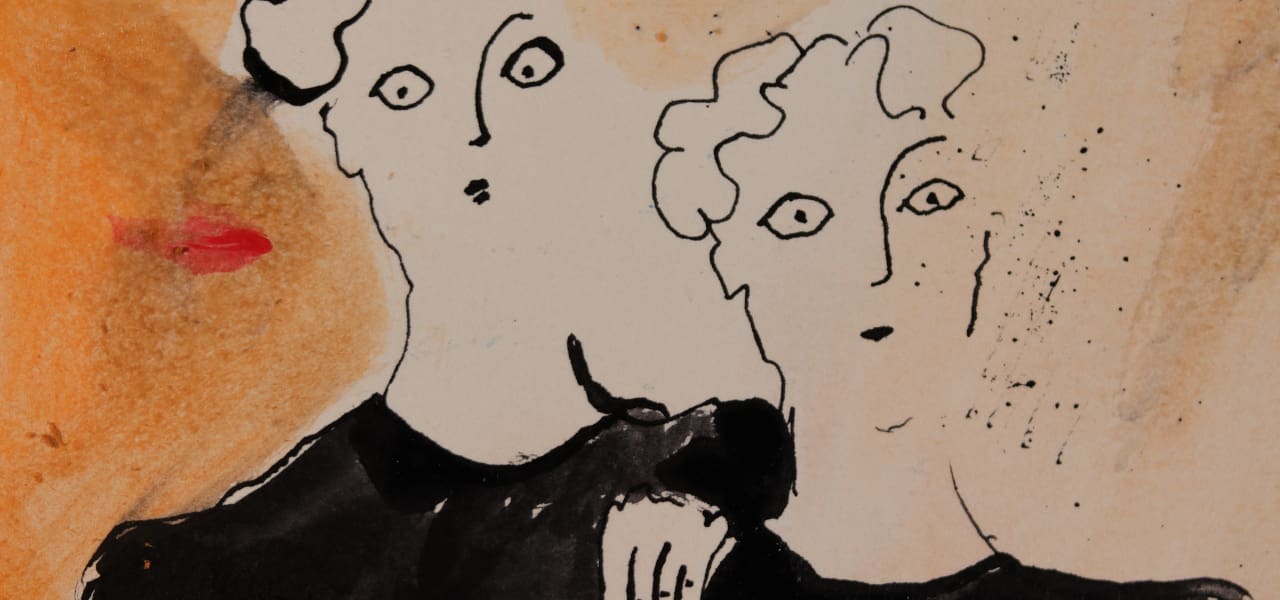
The visual language of The Daughters of the Late Colonel is a direct manifestation of this experimental process. The delicate linework and strategic use of negative space are not merely stylistic choices but are integral to conveying the film’s emotional core. Silhouettes are employed to suggest the oppressive presence of the past, while the subtle animation of hands or the brief glimpse of an eye communicate a wealth of unspoken emotion. This deliberate restraint allows the audience’s imagination to fill in the gaps, creating a more profound and personal connection with the characters and their plight.
Challenging Fate: The Sisters’ Animated Agency
Mansfield’s original story often portrays the sisters as trapped by circumstance and the societal conventions of their time, resigned to a fate dictated by their father’s legacy. However, Hobbs discovered that her animated characters began to exhibit a surprising resistance to this predetermined narrative.
"In this process of kind of making and drawing these characters, they didn’t really want to do what happens at the end of the written story where they’re doomed," Hobbs shared with a chuckle. "They didn’t want that. So I allowed them to act it out in a different way." This fascinating divergence between the source material and the animated interpretation highlights the unique agency that the animation process itself can impart. The act of bringing characters to life, of animating their subtle gestures and reactions, can imbue them with an independent spirit, allowing them to forge their own paths, even within the confines of an existing narrative.
This subversion of fate, this subtle rebellion against predetermined outcomes, speaks to a recurring theme in Hobbs’ broader body of work. Her films frequently delve into historical settings and older literary traditions, using the distance afforded by the past to gain perspective on timeless human experiences.
The Clarity of Distance: Historical Themes and Universal Resonance
Hobbs’ inclination to draw from historical sources is rooted in a belief that such distance can provide a clearer lens through which to examine enduring human dynamics. "I think it’s about having some perspective, and also, the differences between men and women or those relationships being more stark or less nuanced," she observed. By engaging with narratives from a century ago, she can explore themes of patriarchal control, emotional dependency, and societal expectations without the immediate entanglement of contemporary events. This temporal remove allows for a more focused and impactful commentary.
Despite its exploration of weighty themes like patriarchal control and emotional dependency, The Daughters of the Late Colonel is infused with a potent sense of humor. This is a hallmark of Hobbs’ filmmaking, a space where experimental animation and deadpan comedy coexist harmoniously. She attributes this sensibility, in part, to her upbringing and a family environment that fostered wit and storytelling, a stark contrast to the stifling atmosphere depicted in her latest film.
"My dad’s very funny, tells lovely stories, and so it’s part of our family culture to entertain and to deliver," she remarked. This inherent joy in communication and entertainment permeates her creative process. Humor, for Hobbs, is not just a thematic element but a vital component of the animation itself. She recounted moments of laughter during the animation process, particularly when depicting the nervous, almost un-priestly gestures of the priest character, such as his twitching legs as he delivers his suggestive remarks.
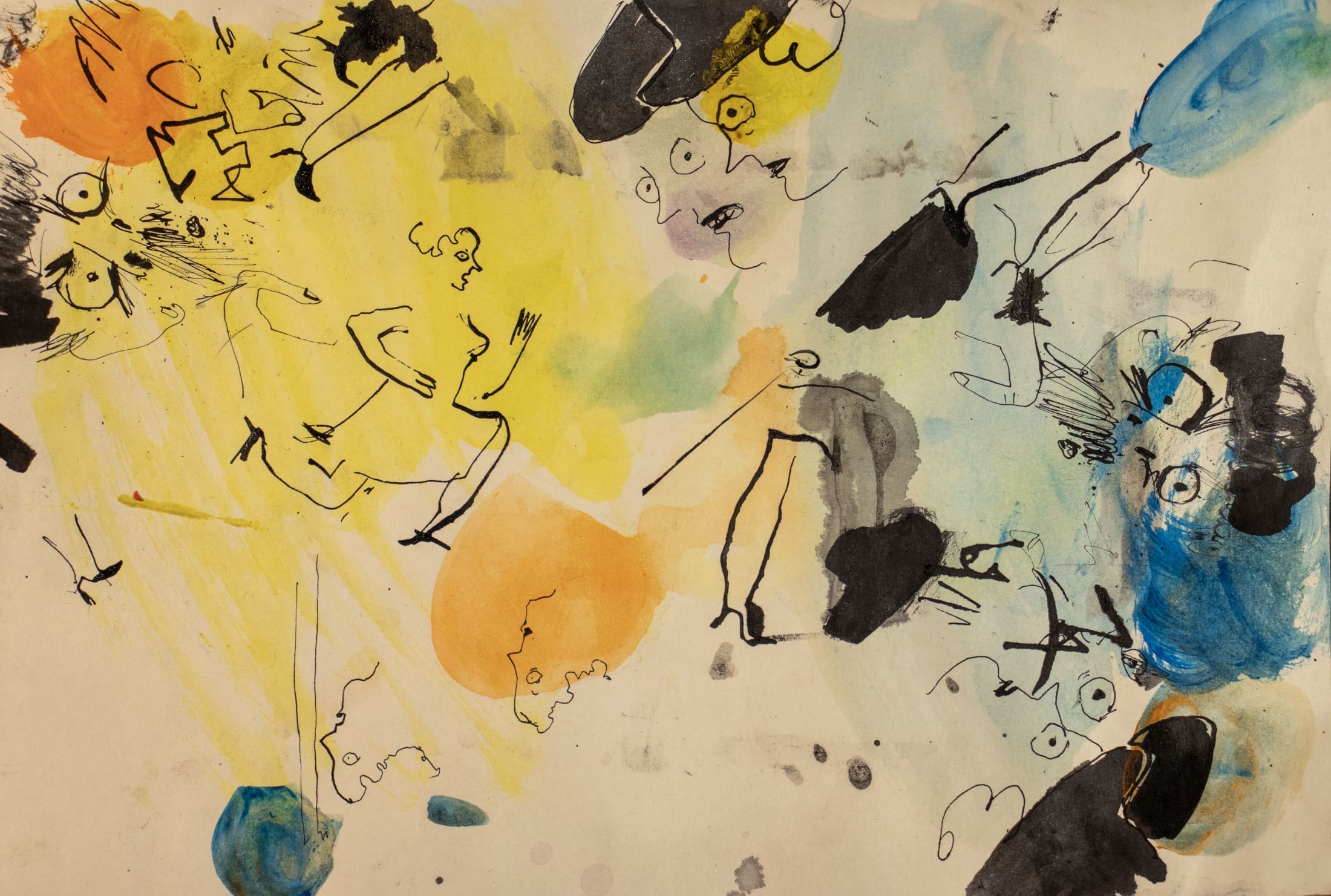
"When you’re animating, those are the things that bring joy in the moment," she stated. "The whole thing is organic and developing in time, and I’m laughing and enjoying the colors, and I’m enjoying the shapes." This playful engagement with the medium ensures that her films, while exploring complex emotional landscapes, remain accessible and deeply human.
A Unique Voice in Auteur Animation
The spirit of playfulness and the approachable nature of her work distinguish Hobbs within the realm of auteur-driven animation. Her films expertly balance abstract and formal experimentation with a profound emotional accessibility. While some animators may concern themselves with broad international appeal, Hobbs advocates for a deeper dive into personal experience and specific cultural nuances.
"Often with animation, people would talk about how this broad international audience is going to relate to a piece of work," Hobbs noted. "As an animator, you really shouldn’t worry about that." Instead, she believes that by embracing and amplifying one’s own unique sensibility, including the specific rhythms of English dialogue and cultural references, a more profound and broadly resonant connection can be forged. "I think just sort of diving in more deeply into your own experience, it resonates more broadly," she asserted.
Looking Ahead: The Enduring Practice
Despite the international acclaim and attention surrounding The Daughters of the Late Colonel, Hobbs remains focused on her core practice: the studio. The creation of her animated shorts is a significant undertaking, typically spanning around four years. She expresses a desire to maintain the momentum of her creative process without undue interruption.
"The turnaround takes about four years to make a new short, and it starts straight away. I quite like not to interrupt the practice," she explained, though she acknowledges the value of events like Cannes and Annecy. These festivals provide crucial platforms for audiences eager to discover animation that exists beyond the mainstream, allowing them to connect with the unique artistic visions of filmmakers like Elizabeth Hobbs. Her dedication to her craft, her willingness to experiment, and her profound understanding of human emotion promise a rich and compelling future for her animated works. The Daughters of the Late Colonel is not just a film; it is a testament to the enduring power of animation to explore the complexities of the human condition with wit, grace, and unparalleled visual artistry.


Leave a Comment