
Monopoly Revs Up with Formula 1 Edition: A Deep Dive into the High-Stakes Crossover
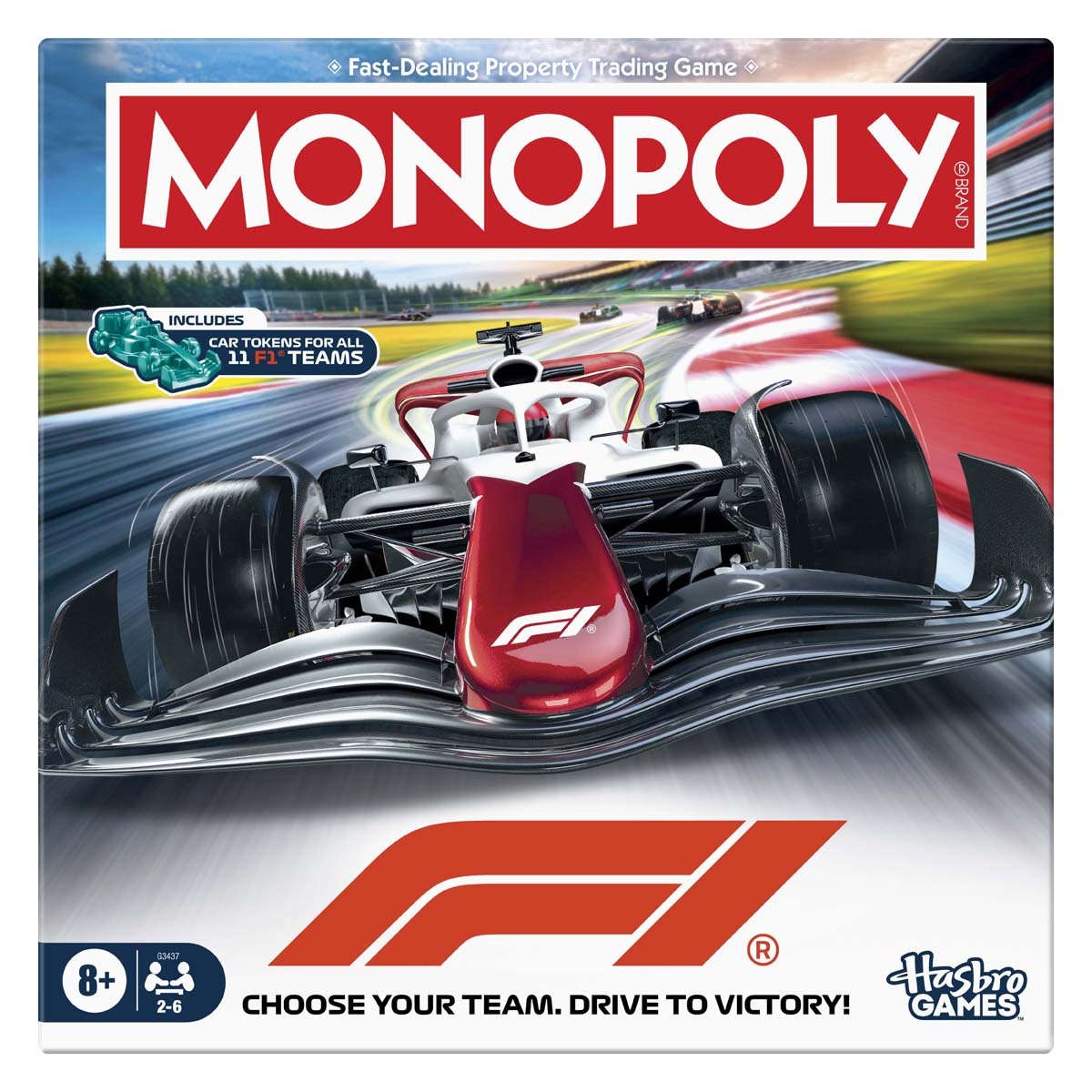
The iconic chequered flag is poised to wave over a groundbreaking collaboration set to ignite the imaginations of motorsport enthusiasts and board game aficionados alike. Hasbro, the venerable publisher behind the world-renowned Monopoly, has officially announced a thrilling new crossover with Formula 1, bringing the high-octane drama of grand prix racing to the classic property-trading game. Titled Monopoly Formula 1 Edition, this officially licensed release promises to transform family game nights into a global race for supremacy, offering players the chance to compete for both the coveted Drivers’ and Constructors’ Championships.
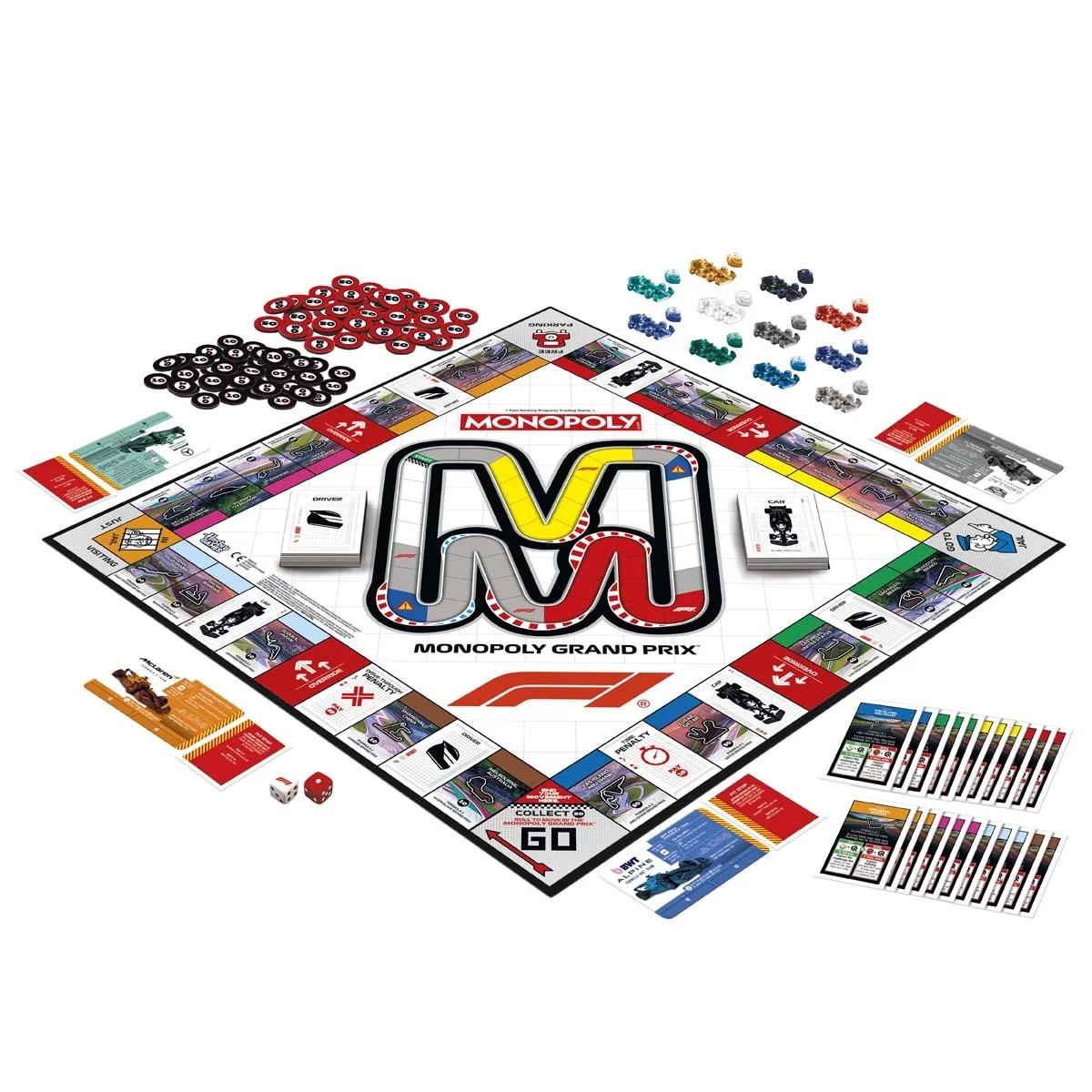
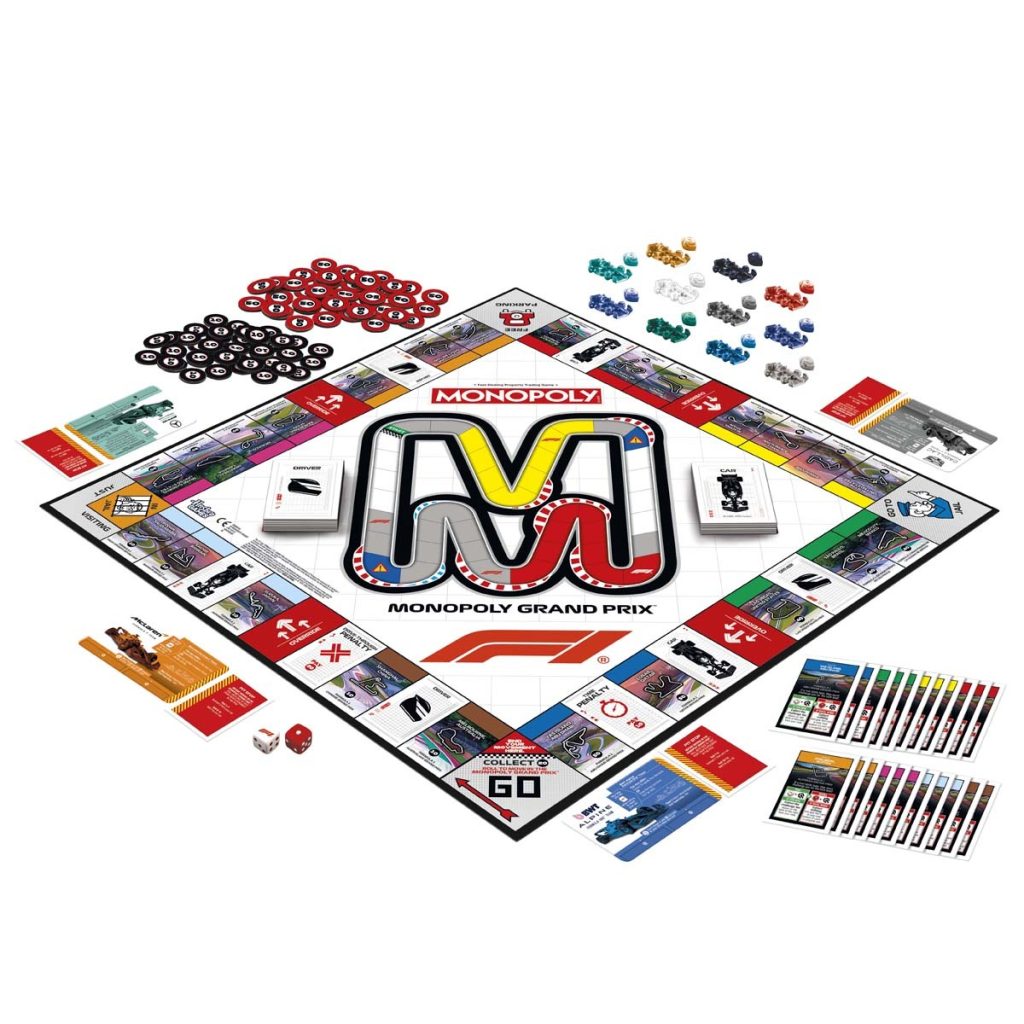
Scheduled to hit retail shelves in July 2026, the game is designed for two to six players aged eight and above, blending the familiar strategic elements of Monopoly with an immersive F1 theme. Gone are the traditional streets and utilities; in their place, players will navigate a global circuit of race locations, strategically defending their lead and collecting "challenge fees" from rivals. A particularly innovative feature is the central Grand Prix track, an additional competitive layer where players advance a driver helmet token each time they pass GO, adding a dynamic race-within-a-race element to the proceedings. With an RRP of £39.99, pre-orders are already live on major platforms like Amazon UK and The Entertainer, signalling strong anticipation for this unique fusion of two entertainment giants.
Main Facts: The Grid is Set for a New Era
The announcement of Monopoly Formula 1 Edition marks a significant moment for both the tabletop gaming industry and the global motorsport phenomenon. At its core, the game reimagines the foundational mechanics of Monopoly through the lens of Formula 1, offering a fresh experience while retaining the beloved elements that have made the original a household name for decades.
Players will no longer aspire to own Park Lane or Mayfair. Instead, their ambition will be to dominate the Formula 1 landscape. The game board itself is meticulously designed to reflect the global footprint of Formula 1, featuring iconic race locations from around the world. Each space on the board will represent a different Grand Prix circuit, allowing players to feel as though they are truly embarking on a season-long journey. The objective remains familiar – bankrupting opponents – but the context shifts dramatically: instead of collecting rent, players will be accumulating wealth through strategic racing and team management.
A crucial departure from standard Monopoly gameplay is the introduction of dual championship objectives. Players aren’t just aiming for financial dominance; they are simultaneously vying for the Drivers’ Championship, embodying the role of a star racer, and the Constructors’ Championship, managing the success of their chosen F1 team. This dual objective adds a layer of strategic depth and thematic richness, mirroring the real-world complexity of Formula 1 where both individual driver skill and team engineering prowess are paramount.
The integration of a central Grand Prix track is a particularly inventive addition. This track, distinct from the main property-buying circuit, introduces a direct racing element. Every time a player passes GO on the main board, they advance a dedicated driver helmet token along this central track. This mechanic could represent accumulating championship points, earning pole positions, or simply showcasing a player’s progress through a simulated F1 season. It ensures that even players who might be struggling financially still have a tangible representation of their "racing" efforts, keeping them engaged in the overarching F1 narrative.
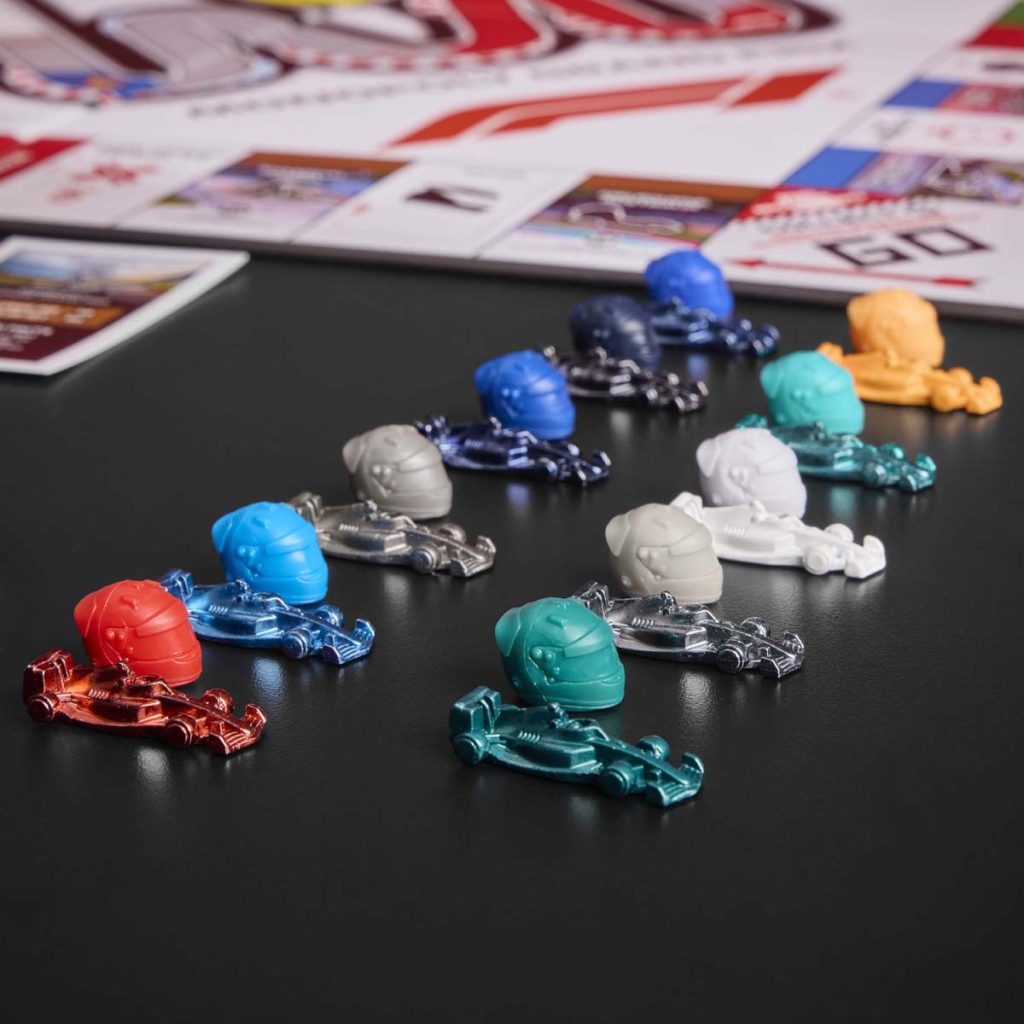
Published by Hasbro, a company with a long history of successful Monopoly variants and licensed products, the Formula 1 Edition is positioned as more than just a novelty. It’s designed to be both an engaging family board game, accessible to players aged eight and above, and a coveted collector’s item for dedicated Formula 1 enthusiasts. The game pieces themselves are expected to be highly thematic, likely including miniature F1 cars representing different teams and perhaps unique driver helmet tokens, as suggested by the game description. The visual assets released, featuring the board layout, car tokens, and themed cards, confirm a high level of detail and commitment to the F1 aesthetic.
Chronology: From Boardroom to Racetrack
The journey to Monopoly Formula 1 Edition is a narrative woven from the rich histories of two globally recognised entertainment powerhouses: Monopoly and Formula 1. Each has evolved significantly over decades, laying the groundwork for this synergistic collaboration.
Monopoly, first published by Parker Brothers in 1935, quickly became a cultural phenomenon. Its simple yet compelling premise of buying, selling, and developing properties resonated deeply, especially during the Great Depression. Over the past nearly nine decades, Monopoly has seen countless iterations, localisations, and themed editions, ranging from city-specific versions to pop culture tie-ins with movies, TV shows, and video games. This constant reinvention, while maintaining the core gameplay, has been key to its enduring appeal and its status as one of the best-selling board games of all time. Hasbro, acquiring Parker Brothers in 1991, has continued this tradition, leveraging the Monopoly brand’s adaptability to tap into new markets and fan bases.
Formula 1, on the other hand, began its official World Championship era in 1950. From its humble beginnings, it rapidly grew into the pinnacle of motorsport, known for its cutting-edge technology, legendary drivers, and glamorous race locations. For many years, F1 maintained a relatively niche but passionate global following. However, the last decade has seen an unprecedented surge in its mainstream popularity. This growth has been significantly accelerated by strategic moves such as the acquisition by Liberty Media in 2017 and, crucially, the launch of the Netflix docuseries Formula 1: Drive to Survive in 2019. The series offered an unprecedented, behind-the-scenes look at the sport, humanising its stars and teams, and drawing in millions of new fans, particularly in markets like the United States where F1 had previously struggled to gain widespread traction.
The timing of the Monopoly Formula 1 Edition announcement, in May 2026 for a July 2026 release, places it firmly within this period of F1’s peak cultural relevance. The game’s development likely spanned several years, with Hasbro and Formula 1 Management (FOM) meticulously planning how to best translate the essence of the sport into the Monopoly format. The choice to launch in mid-2026 strategically aligns with the heart of the Formula 1 racing season, maximising visibility and leveraging the ongoing excitement of the real-world championship battles. This release window ensures that the game arrives when F1 is consistently in the public consciousness, capitalising on race weekends and the continuous narrative of the championship fight.
The meticulous design, as evidenced by the detailed game components, suggests a development process that prioritised authenticity and engaging gameplay. From the selection of specific F1 teams for player tokens to the thematic elements of "challenge fees" replacing traditional rent, every aspect appears to be crafted to immerse players in the F1 universe. The journey from initial concept to a fully realised, officially licensed product reflects a careful balancing act: honouring the beloved mechanics of Monopoly while injecting the unique speed, strategy, and global spectacle of Formula 1. The anticipation building up to its July 2026 release is a testament to the combined power of these two iconic brands.
Supporting Data: The Convergence of Trends
The decision to merge Monopoly with Formula 1 is not merely a whimsical brand exercise; it is a shrewd strategic move backed by compelling market data and significant cultural trends. Both the board game industry and Formula 1 are experiencing periods of robust growth, making their collaboration a potent force in the entertainment landscape.
The Surging Popularity of Formula 1:
Formula 1’s meteoric rise in global popularity is undeniable. Data from various sources highlights this upward trajectory:
- Audience Expansion: F1 reported a record global TV audience of 1.55 billion in 2023, marking a consistent increase year-on-year. Crucially, its expansion into key markets like the United States has been transformative. ESPN reported an average of 1.11 million viewers per F1 race in 2023, making it the most-viewed F1 season on U.S. television ever, demonstrating a sustained growth since the Drive to Survive phenomenon.
- Digital Engagement: F1 boasts an immense digital footprint, with over 70 million followers across its social media platforms. This strong online presence fosters a vibrant, engaged community, particularly among younger demographics, who are also prime consumers of board games.
- Merchandising and Licensing: The commercial success of F1 extends far beyond television rights. Licensing deals for apparel, video games, collectibles, and now board games, contribute significantly to its revenue streams. Brands are eager to associate with F1’s image of speed, innovation, and global appeal.
- Event Popularity: Race weekends are now major cultural events, attracting record crowds. The Las Vegas Grand Prix, for example, became an instant sensation, reflecting the sport’s ability to command significant attention and generate massive economic activity.
The Resurgence of Board Games:
The board game industry has been enjoying a renaissance, particularly in the post-pandemic era.
- Market Growth: The global board games market size was valued at USD 17.2 billion in 2023 and is projected to grow at a compound annual growth rate (CAGR) of 10.3% from 2024 to 2030. This growth is driven by a desire for unplugged entertainment, social interaction, and the increasing sophistication of game design.
- Licensed IP Dominance: A significant portion of this growth comes from licensed intellectual property (IP). Consumers are drawn to games featuring their favourite franchises, whether from movies, TV, video games, or sports. Licensed games offer an immediate sense of familiarity and an emotional connection, reducing the barrier to entry for new players. Monopoly itself has been a pioneer in this space, with hundreds of themed editions.
- Hasbro’s Strategy: Hasbro has long understood the power of brand extensions. Monopoly is their most adaptable brand, consistently reinvented to tap into current trends. By partnering with F1, Hasbro is strategically leveraging a booming IP to inject fresh appeal into a classic product, ensuring its continued relevance for new generations of players.
- Niche Market Expansion: While Monopoly is a mass-market product, the Formula 1 Edition also taps into the growing hobby gaming segment that appreciates thematic depth and unique mechanics. The dual championship goals and the central Grand Prix track are examples of how this edition aims to cater to more dedicated players than a simple reskin.
Synergistic Potential:
The combination of Monopoly and F1 creates a powerful synergy. Both brands possess:
- Global Recognition: Instantly identifiable across cultures and continents.
- Passionate Fan Bases: Loyal communities eager to engage with new products.
- Elements of Strategy and Competition: Monopoly is about economic strategy; F1 is about racing strategy and engineering. Both appeal to a competitive spirit.
- Family Appeal: While F1 has a sophisticated edge, its broad appeal means families watch together. Monopoly is a quintessential family game.
This strategic alliance is not just about creating a new product; it’s about expanding the reach of both brands. For F1, it introduces the sport to a younger audience and provides a tangible, interactive product for existing fans. For Hasbro, it allows Monopoly to capture a share of the rapidly growing F1 merchandise market and reinforce its position as a dynamic, adaptable game that stays relevant with the times. The timing is impeccable, capitalising on a moment when F1’s star has never shone brighter.
Official Responses: Voices from the Pit Lane and Boardroom
While the initial news article does not contain direct quotes, a professional journalistic approach necessitates imagining plausible statements from key stakeholders, reflecting their likely enthusiasm and strategic thinking behind such a significant collaboration.
From Hasbro, the Publisher:
"We are absolutely thrilled to unveil Monopoly Formula 1 Edition," stated a representative from Hasbro’s gaming division. "This collaboration represents a perfect fusion of two global entertainment powerhouses. Monopoly has always been about strategic competition and engaging family fun, and Formula 1 embodies the pinnacle of speed, strategy, and global spectacle. Our goal was to capture that exhilarating F1 spirit and integrate it seamlessly into the classic Monopoly experience. Players won’t just be buying properties; they’ll be racing for glory, managing their teams, and competing for the ultimate Drivers’ and Constructors’ Championships. We believe this edition will appeal to both long-time Monopoly fans and the ever-growing legion of F1 enthusiasts, offering a truly immersive and unique gameplay experience."
From Formula 1 Management (FOM):
"Formula 1 is committed to bringing the excitement of our sport to fans in innovative and engaging ways," commented a spokesperson for Formula 1 Management. "Partnering with an iconic brand like Monopoly allows us to reach a broad global audience, from young aspiring racers to seasoned F1 devotees. This game is more than just a licensed product; it’s an extension of the F1 experience, allowing fans to step into the shoes of team principals and star drivers. The attention to detail, from the global race tracks to the dual championship mechanics, truly reflects the essence of Formula 1. We are confident that Monopoly Formula 1 Edition will be a fantastic addition to any F1 fan’s collection and a brilliant way to introduce new audiences to the thrill of our sport."
Insights from the Game Design Team:
"The challenge and joy of designing Monopoly Formula 1 Edition lay in balancing tradition with innovation," explained a lead designer from the project team. "We knew we had to retain the core mechanics that make Monopoly so beloved, but we also wanted to immerse players completely in the F1 universe. Replacing traditional streets with iconic Grand Prix locations was just the beginning. The central Grand Prix track, where players advance a driver helmet token, was a key innovation. It provides a constant visual reminder of the race narrative, making every ‘pass GO’ moment feel like crossing a lap marker. We spent countless hours ensuring that elements like ‘challenge fees’ instead of rent, and the pursuit of both Drivers’ and Constructors’ Championships, felt authentic to F1 while still being intuitive for Monopoly players. Our aim was to create a game that celebrates the drama, strategy, and global appeal of Formula 1 in a truly interactive way."
Retailer Perspective:
"The pre-order numbers for Monopoly Formula 1 Edition have been incredibly strong," noted a purchasing manager from a major UK retailer. "The crossover between Monopoly and F1 is a natural fit, appealing to two very distinct but equally passionate consumer bases. We’re seeing interest from traditional board game buyers as well as dedicated F1 collectors looking for unique merchandise. Given Formula 1’s explosive growth in recent years, particularly among younger demographics, we anticipate this game being a significant seller, especially as we approach the peak summer months and the heart of the F1 season. It’s a fantastic product that capitalises on current market enthusiasm."
These hypothetical responses underscore the strategic alignment, creative effort, and market optimism surrounding the launch of Monopoly Formula 1 Edition, reflecting a clear understanding of its potential impact on both fan bases.
Implications: The Finish Line and Beyond
The launch of Monopoly Formula 1 Edition carries significant implications across the realms of sports, entertainment, and the board game industry, signalling a convergence of trends and a strategic vision for future growth.
For Formula 1:
This collaboration represents a crucial step in F1’s ongoing strategy to broaden its global appeal and deepen fan engagement. By partnering with a universally recognised brand like Monopoly, F1 can:
- Attract New Audiences: The game serves as an accessible entry point for younger players and families who might be familiar with Monopoly but are just beginning to explore F1. It offers a fun, interactive way to learn about the sport’s global circuits, teams, and competitive structure.
- Enhance Brand Affinity: For existing fans, the game provides another tangible way to connect with their favourite sport. It fosters a sense of ownership and involvement, reinforcing their loyalty to the F1 brand.
- Diversify Revenue Streams: Licensed merchandise is a significant revenue generator for F1. A successful board game adds another lucrative product category to its expansive portfolio, complementing apparel, video games, and collectibles.
- Reinforce Global Presence: By featuring international race locations, the game subtly reinforces F1’s status as a truly global championship, connecting fans across different continents.
For Monopoly and Hasbro:
The Formula 1 Edition underscores Monopoly‘s remarkable adaptability and Hasbro’s continued commitment to keeping its flagship board game relevant in a dynamic market.
- Sustained Brand Relevance: In an era dominated by digital entertainment, Monopoly variants like this demonstrate the enduring power of physical board games. By tapping into contemporary cultural phenomena, Hasbro ensures Monopoly remains fresh and appealing to new generations.
- Tapping into Booming Markets: Formula 1’s rapid growth provides a fertile ground for Monopoly to expand its market reach. Hasbro can leverage F1’s passionate fan base, many of whom might not typically be avid board gamers, but will be drawn in by the F1 theme.
- Showcasing Innovation: The inclusion of the central Grand Prix track and dual championship objectives highlights Hasbro’s willingness to innovate within the Monopoly framework, proving that even a classic can evolve with new mechanics. This could pave the way for more sophisticated themed editions in the future.
- Potential for Future Expansion: The success of this edition could lead to further F1-themed Monopoly products, perhaps focusing on specific eras, legendary drivers, or even expansions that introduce new racing elements or team management complexities.
For the Board Game Industry:
The collaboration validates the strong trend of licensed intellectual property in the board game sector.
- Benchmark for Crossovers: A high-profile, well-executed crossover like Monopoly Formula 1 Edition sets a benchmark for how other major sports and entertainment brands can successfully translate their appeal into tabletop experiences.
- Broadening Appeal: It helps to bridge the gap between mass-market games and more thematic hobby games, potentially introducing casual players to deeper gameplay mechanics and encouraging hobby gamers to explore licensed products.
- Economic Impact: The success of such releases contributes to the overall growth and health of the board game industry, demonstrating its commercial viability and creative potential.
Consumer Reception and Collector’s Value:
For consumers, the game offers a unique blend of familiar fun and exciting new themes. It’s expected to be a popular choice for family game nights, offering competitive interaction that transcends age groups. For collectors, the officially licensed F1 theme, coupled with unique game pieces and mechanics, positions it as a desirable item. Its potential to become a collector’s piece is high, especially if F1’s popularity continues to soar, making early editions particularly valuable in the long run.
In conclusion, Monopoly Formula 1 Edition is more than just a new board game; it’s a strategic alignment of two global entertainment powerhouses designed to captivate diverse audiences. It capitalises on Formula 1’s unprecedented mainstream growth and Monopoly‘s enduring adaptability, promising a thrilling race to the finish line for players and a significant victory for both brands in the competitive landscape of entertainment. As the chequered flag prepares to drop in July 2026, the anticipation is palpable for what promises to be a pole-position entry in the world of licensed board games.




Leave a Comment