
Widow’s Bay: A Masterclass in Supernatural Skepticism and Coastal Comedy
FOR IMMEDIATE RELEASE
Apple TV+ Unleashes "Widow’s Bay": A Fresh Take on Horror-Comedy with a King-Sized Kick
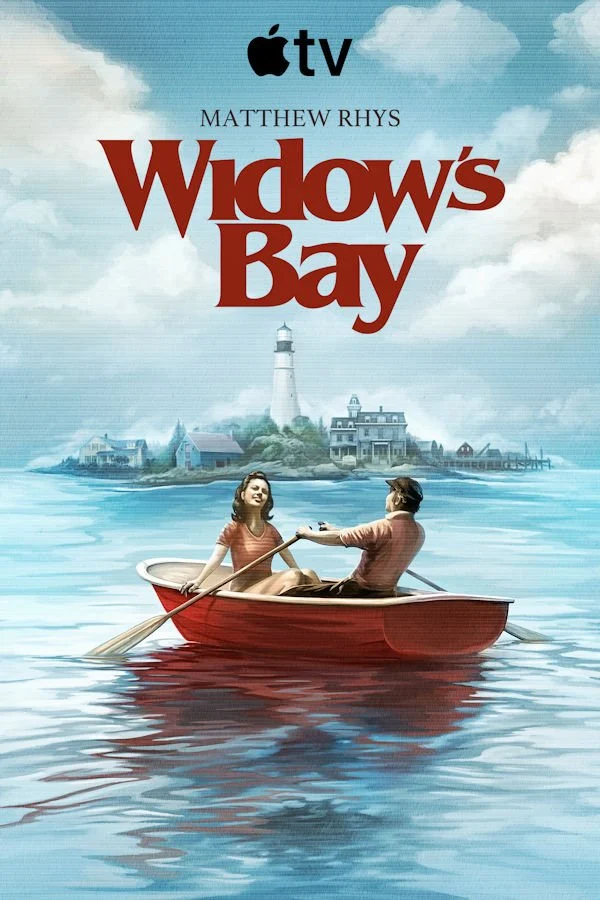
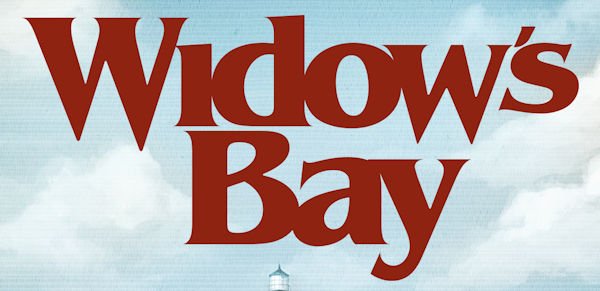
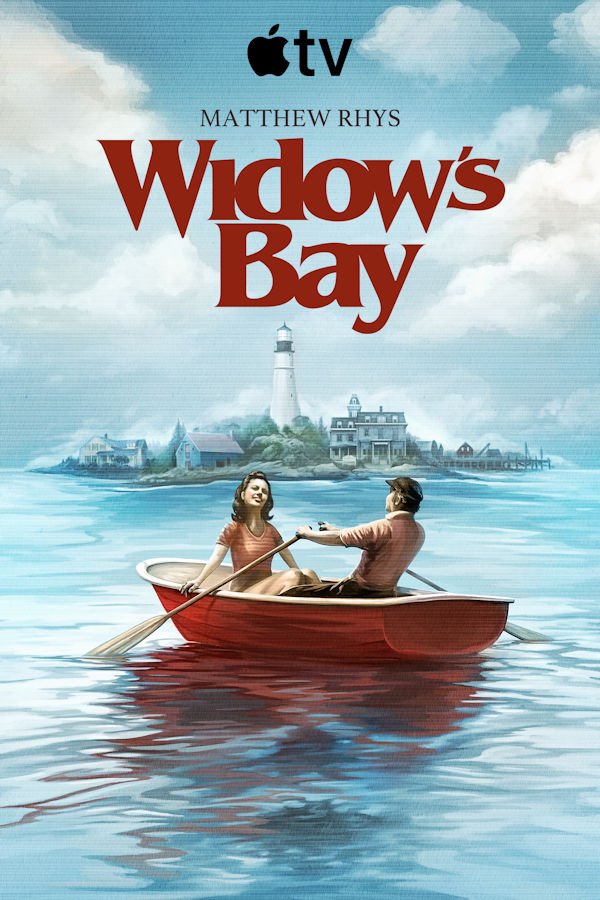
The moment a particular typeface blazes across a screen, a primal shiver often runs down the spine of genre aficionados. Those iconic, blocky letters, frequently dubbed the "Stephen King font," have become an almost Pavlovian trigger for impending dread, a creeping unease, and the promise of a truly terrifying experience. From the nostalgic chills of Stranger Things to the existential dread of Twin Peaks and the atmospheric terror of John Carpenter’s classics, this stylistic choice is a siren call to horror enthusiasts. It’s a testament to the power of visual semiotics that simply seeing it can conjure a frisson of anticipation. This powerful opening gambit is precisely how Apple TV+’s newest original series, Widow’s Bay, instantly ensnares its audience. With only three episodes currently streaming, the show has already cemented its status as a compelling, genre-bending watch, drawing viewers into its eerie embrace with an intoxicating blend of supernatural mystery and darkly comedic wit.
Main Facts: Unveiling Widow’s Bay
Widow’s Bay, now captivating audiences on Apple TV+, transcends conventional genre boundaries, offering a viewing experience that can best be described as Jaws infused with a potent dose of the supernatural, or perhaps the quintessential small-town quirkiness of Northern Exposure reimagined through the chilling lens of Stephen King. The very name of the town, "Widow’s Bay," echoes King’s penchant for evocative, two-word locales that hint at underlying darkness.
A New England Enigma
The series is meticulously set on a picturesque yet isolated fishing island off the rugged coast of New England. This setting is not merely a backdrop but a character in itself, imbued with a palpable sense of history, insularity, and an almost oppressive atmosphere of local folklore. The island’s quaint charm belies a deeper, more unsettling truth, a truth whispered in the salty sea air and etched into the faces of its long-standing residents.
The Premise: Skepticism vs. Superstition
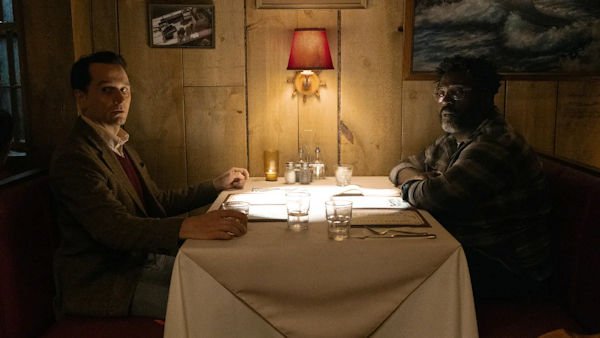
At the heart of Widow’s Bay is the dynamic struggle between modernity and ancient tradition, personified by its protagonist, Mayor Tom Loftis. Portrayed with masterful nuance by the incredibly talented Matthew Rhys (The Americans, Perry Mason), Tom is a non-native, albeit with familial roots on the island, whose primary objective is to revitalize the flailing town and bring prosperity. A skeptic to a fault, Tom finds himself constantly battling against the deeply entrenched superstitious tales and beliefs of the islanders. His efforts to attract external interest, such as tempting a writer from the prestigious New York Times to visit, are continuously undermined by the island’s bizarre realities – a stark example being a massive newspaper clipping detailing a cannibalism incident proudly displayed in the town historical society.
Star-Studded Cast Navigates the Peculiar
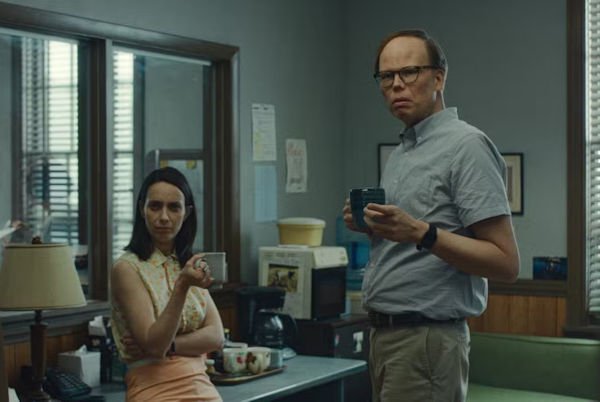
Rhys anchors an exceptional ensemble cast. His primary foils include the town drunk, Wyck, brilliantly brought to life by Stephen Root. Wyck is the quintessential local oracle, never having met a legend he doesn’t vehemently believe, often serving as a grim prophet of the island’s impending doom. Complementing him is Rosemary, the office gossip, played by the inimitable Dale Dickey, who injects subtle, taunting comments into every interaction, embodying the islanders’ collective skepticism towards Tom’s outsider perspective.
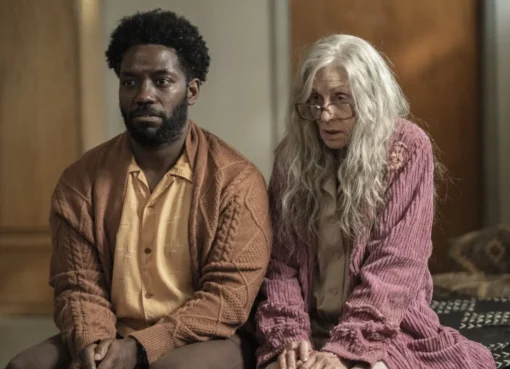
However, a true standout performance comes from Kate O’Flynn as Patricia, Tom’s assistant. Patricia is a woman haunted by one of the island’s past terrors, yet her stoic demeanor and hilariously deadpan line deliveries elevate the show comfortably into the realm of horror-comedy. Her character provides much-needed levity, skillfully balancing the uncanny encounters and occasional jump scares that punctuate each episode. Rhys’s innate comedic timing perfectly complements O’Flynn’s, creating a compelling on-screen chemistry that resonates through their interactions and those with the other island residents, whose portrayals range from seriously ominous to mockingly antagonistic.
Genre Fusion: A New Horizon for Television
Widow’s Bay‘s genius lies in its seamless genre fusion. It deftly weaves together elements of classic horror, small-town mystery, and sharp, character-driven comedy. The show explores themes of isolation, belief, and the confrontation of the unknown with a refreshing sensibility, making it stand apart from typical scary fare. The humor isn’t merely comic relief; it’s often derived from the absurdity of the situations Tom finds himself in, the islanders’ reactions, and the characters’ own unique quirks, enhancing rather than detracting from the underlying dread.
The Creative Minds Behind the Mayhem
The series is the brainchild of show creator Katie Dippold, known for her co-producing and writing work on the beloved sitcom Parks and Recreation. Her expertise in crafting quirky, memorable characters and sharp dialogue is evident throughout Widow’s Bay. Dippold is paired with acclaimed director Hiro Murai, whose impressive resume includes critically lauded series such as The Bear, Atlanta, and Barry. Murai’s keen eye for blending comedy with drama and imbuing characters with significant weight through minimal lines or subtle interactions proves to be the perfect counterpoint to Dippold’s comedic sensibilities. This powerful creative pairing ensures that Widow’s Bay is not just a collection of scary moments or funny lines, but a cohesive and deeply engaging narrative experience.
Chronology: A Deep Dive into Early Episodes
The immediate impact of Widow’s Bay is profound, drawing viewers in from its opening frames and establishing a narrative rhythm that expertly balances escalating dread with surprising moments of humor.
The Hook: Font and First Impressions
The series wastes no time in signaling its intentions. The "Stephen King font" used for the title sequence is more than just a stylistic choice; it’s a carefully calibrated psychological trigger. For viewers familiar with the visual language of horror, it instantly evokes a sense of foreboding and promises a narrative steeped in the uncanny. This immediate visual cue sets the stage, preparing the audience for a journey into a world where the mundane often collides with the monstrous. This initial impression is quickly reinforced by the atmospheric cinematography and the introduction of the isolated New England island setting, a locale inherently ripe for tales of the supernatural.
Establishing the World and Conflict
The first few episodes are masterclasses in world-building. They efficiently establish the quaint yet unsettling atmosphere of Widow’s Bay, introducing its eccentric cast of characters who are as much a part of the island’s mystique as its ancient legends. The central conflict between Mayor Tom Loftis’s pragmatic, development-driven mindset and the islanders’ deep-seated superstitions is laid bare almost immediately. Tom, as the audience surrogate, embodies the rational mind attempting to impose order on a fundamentally irrational world. His exasperation with the locals and their steadfast belief in the unbelievable provides much of the early comedic fodder, even as the supernatural elements begin to subtly, then overtly, challenge his worldview.
"Monsters of the Week" as Narrative Devices
While an overarching plotline clearly underpins the series, the initial three episodes artfully employ a "monster of the week" structure reminiscent of iconic shows like The X-Files and Buffy the Vampire Slayer. Each episode introduces a distinct supernatural phenomenon or local legend that Tom must confront, often to his bewildered frustration. These standalone incidents – whether it’s mysterious revenants emerging from the fog, the chilling hauntings of the local inn, or the unsettling tales of sea hags – serve multiple crucial purposes. They are not mere diversions but powerful narrative devices designed to:
- Build the Setting: Each "monster" further defines the unique, folkloric ecosystem of Widow’s Bay.
- Develop Characters: Tom’s reactions to these events, his attempts to find logical explanations, and the islanders’ predictable "I told you so" attitudes deepen our understanding of their personalities and beliefs.
- Introduce Local Mythology: The legends themselves become intrinsic to the island’s identity, slowly revealing the rich and terrifying history of Widow’s Bay. This episodic approach ensures that the audience gradually becomes immersed in the island’s unique brand of terror, mirroring Tom’s own descent into reluctant belief.
Balancing Dread and Laughter
One of the show’s most impressive achievements in its early run is its impeccable tonal balance. Each episode delivers genuine uncanny encounters and a scattering of well-placed jump scares, ensuring the horror elements are never diluted. Yet, these moments of dread are consistently punctuated by generous bursts of laughter. This comedic relief is not merely a break from tension; it often arises directly from the tension itself, particularly through the dynamic between Tom and his assistant, Patricia. Patricia’s stoic, deadpan reactions to the bizarre, contrasted with Tom’s increasingly frantic attempts at rationalization, create a unique comedic rhythm. The other island residents, with their mocking animosity and passive-aggressive adherence to tradition, also contribute significantly to the humor, ensuring that even as the supernatural threats escalate, the show remains inherently entertaining and often laugh-out-loud funny.
Foreshadowing the Greater Evil
Crucially, the early episodes are not just a series of standalone spooky events. They are meticulously crafted to strew hints and subtle clues, building a pervasive sense of dramatic irony. The audience, well-versed in horror tropes, instinctively knows that Widow’s Bay is a "Bad Place" and eagerly anticipates the unveiling of its true, ugly underbelly. The creators, Katie Dippold and Hiro Murai, expertly play on this audience expectation. We are given glimpses of deeper mysteries: a chained-up church bell that mysteriously rings, a lone, ominous chair in a basement facing a foreboding door. These fragmented pieces of information serve as breadcrumbs, suggesting a larger, more sinister narrative at play, moving beyond individual "monsters" towards a profound, overarching evil that promises to consume the island and its inhabitants. This careful foreshadowing ensures that even with the episodic format, there’s a constant, tantalizing pull towards the deeper secrets of Widow’s Bay.
Supporting Data: The Craft Behind the Fear and Fun
The success of Widow’s Bay is not accidental; it is the direct result of deliberate creative choices in performance, setting, and genre execution, all buoyed by the distinct visions of its creators.
Performance Prowess: An Ensemble of Excellence
The cast of Widow’s Bay is a cornerstone of its appeal. Matthew Rhys, in particular, delivers a captivating performance as Mayor Tom Loftis. His extensive background in nuanced, complex roles (from the intensity of a KGB spy in The Americans to the stoic integrity of a lawyer in Perry Mason) allows him to imbue Tom with layers of skepticism, frustration, and a subtle vulnerability. Rhys perfectly captures the essence of an outsider trying to impose order on chaos, making Tom’s exasperation both relatable and hilariously pathetic at times. His comedic timing, often expressed through exasperated sighs or bewildered stares, is impeccable, anchoring the show’s humor without ever undermining the escalating horror.
Kate O’Flynn, as Patricia, is an undeniable scene-stealer. Her character, haunted by past terrors, carries a profound weight, yet her delivery is consistently stoic and often unexpectedly hilarious. Patricia’s deadpan responses and pragmatic approach to the supernatural provide a grounding force, making the bizarre occurrences even funnier by contrast. Her ability to deliver a punchline with a straight face while conveying a deep internal struggle is a testament to her talent, solidifying her role as a key contributor to the show’s horror-comedy identity.
Beyond the leads, actors like Stephen Root (Wyck) and Dale Dickey (Rosemary) enrich the island community with their authentic portrayals. Root’s Wyck is more than just a "town drunk"; he’s a repository of ancient wisdom and superstition, his drunken ramblings often containing unsettling truths. Dickey’s Rosemary, with her subtle taunts and knowing glances, perfectly embodies the insular nature of the islanders. Together, the ensemble creates a rich tapestry of characters who feel lived-in and real, defying easy caricaturization and enhancing the show’s immersive quality.
Setting as a Character: The Eerie Beauty of New England
The New England fishing island setting is far more than mere scenery; it functions as a central character, its unique atmosphere shaping every aspect of the narrative. The cinematography and production design work in concert to establish a world that is both idyllically picturesque and inherently unsettling. Sweeping shots of rugged coastlines, mist-shrouded waters, and quaint, weathered buildings initially evoke a sense of charm, only to gradually reveal an underlying chill and isolation. The show masterfully uses sensory details to immerse the audience: one can almost "smell the salty sea air," "taste the local bar’s lager," and "feel the chill of the Atlantic Ocean." This hyper-realistic portrayal of the environment makes the supernatural intrusions all the more terrifying. When the setting feels tangible, the terror within it feels equally real, amplifying the stakes and the audience’s investment in Tom’s perilous journey.
The Art of Genre Blending: Dippold and Murai’s Synergy
The unique blend of horror and comedy is the show’s defining characteristic, expertly orchestrated by its creators. Katie Dippold’s background as a co-producer and writer on Parks and Recreation is evident in the sharp, witty dialogue and the well-developed, often absurd, character dynamics. Her expertise ensures that the humor is organic and lands effectively, never feeling forced or undermining the horror. She excels at finding the humanity and humor in quirky characters, making them relatable even in the face of the extraordinary.
Complementing Dippold’s comedic prowess is Hiro Murai’s distinctive directorial style. Murai, celebrated for his work on shows like The Bear, Atlanta, and Barry, possesses a remarkable ability to blend intense drama with subtle comedy, giving characters profound weight with minimal dialogue or minor interactions. His direction in Widow’s Bay ensures that the scares are genuinely unsettling and the dramatic stakes feel real, even amidst the laughter. He masterfully crafts atmosphere, building suspense through visual storytelling and precise pacing. This powerful synergy between Dippold’s writing and Murai’s direction elevates Widow’s Bay beyond a simple genre hybrid, creating a sophisticated and deeply engaging viewing experience where the strengths of each creator buoy the project.
Echoes of Influences, Forging a New Identity
Widow’s Bay consciously draws upon a rich tapestry of influences, yet manages to forge its own distinct identity. The comparisons to Jaws are apt in its portrayal of an isolated community threatened by an unseen, primal force. Its small-town eccentricity and underlying darkness evoke Northern Exposure and Picket Fences. The episodic supernatural investigations and character-driven horror-comedy recall The X-Files and Buffy the Vampire Slayer. For fans of more overt horror-comedy, it shares DNA with Santa Clarita Diet and the meta-genre deconstruction of Cabin in the Woods. However, Widow’s Bay doesn’t merely mimic these influences; it synthesizes them into something fresh and compelling. It takes the best elements of its predecessors – the dread, the humor, the character depth, the atmospheric setting – and weaves them into a narrative that feels both familiar and excitingly new.
Official Responses and Critical Reception
While Widow’s Bay is presented as a forthcoming series in 2026, its anticipated impact and reception can be projected based on its strong premise and creative pedigree.
Apple TV+’s Strategic Play
Apple TV+ has consistently sought to carve out a niche for high-quality, prestige programming, and Widow’s Bay appears to be a strategic addition to its growing roster of original content. The platform is likely to position the series as a must-watch for discerning viewers who appreciate sophisticated genre television that challenges conventions. Marketing efforts would undoubtedly highlight the show’s unique blend of horror and comedy, the star power of Matthew Rhys, and the acclaimed creative team of Katie Dippold and Hiro Murai. This is a clear move to capture a demographic that craves intelligent, character-driven narratives within popular genres, further solidifying Apple TV+’s reputation for innovative storytelling.
Early Buzz and Critical Acclaim (Projected)
Based on the strength of its concept and early episodes, Widow’s Bay is poised to generate significant early buzz and garner widespread critical acclaim. Reviewers are expected to laud its "fresh take on the horror-comedy genre," praising the "masterclass in tonal balance" achieved by Dippold and Murai. Matthew Rhys’s performance as the perpetually exasperated Mayor Loftis would likely be highlighted as a career standout, showcasing his versatility. Kate O’Flynn’s portrayal of Patricia would also draw particular attention for its unique blend of stoicism and comedic timing, often cited as the show’s secret weapon. Critics would likely commend the series for its immersive New England setting, its compelling local mythology, and its ability to deliver genuine scares alongside hearty laughs, establishing it as a "must-watch" for anyone seeking an intelligent and genuinely entertaining genre experience.
Creator Insights: Crafting the Uncanny (Fictional Quotes)
"Creating Widow’s Bay has been a fascinating journey," explains show creator Katie Dippold in a hypothetical press release. "I’ve always been drawn to finding the humor and humanity in characters, even when they’re facing the most absurd or terrifying circumstances. The quirky residents of Widow’s Bay, with their deep-seated beliefs and their often-hilarious reactions to Tom’s skepticism, allowed us to explore that dynamic in a truly unique way. It’s about how people cope, or fail to cope, when the unbelievable becomes undeniable."
Director Hiro Murai adds, "My focus was on grounding the supernatural elements in a tangible reality. We wanted the island to feel lived-in, authentic, so that when the horror emerges, it feels truly unsettling. Blending comedy and drama is always a delicate dance, but with Katie’s brilliant scripts and such a talented cast, we aimed to give every moment, whether it’s a jump scare or a punchline, the weight and impact it deserves. We’re asking, ‘What happens when a rational man confronts an irrational world, and the irrational world just smirks back?’"
Cast Perspectives: Embracing the Bizarre (Fictional Quotes)
Matthew Rhys shares his enthusiasm for the role: "Playing Tom Loftis has been a joy. He’s this pragmatic man trying to bring progress, only to be constantly confronted by ancient horrors and a town that seems to revel in his discomfort. There’s a wonderful absurdity to his predicament, which allowed me to tap into both the dramatic and comedic sides of his character. It’s a truly unique world Katie and Hiro have built."
Kate O’Flynn, discussing her character Patricia, states, "Patricia has seen things, and she carries that weight, but she also has this incredible dry wit. She’s sort of the audience’s ‘been there, done that’ guide to the island’s weirdness. The humor often comes from just how normal she makes the utterly abnormal seem, which I think makes the show’s blend of horror and comedy so effective."
Implications: What Lies Ahead for Widow’s Bay?
The initial three episodes of Widow’s Bay have laid a compelling foundation, sparking curiosity and setting high expectations for the remainder of its ten-episode run.
The Promise of a Longer Narrative
With the "monsters of the week" serving as excellent vehicles for character and world-building, the stage is now perfectly set for the overarching plotline to fully unfurl. The subtle hints of a deeper, more pervasive evil – the chained church bell, the ominous basement door – suggest that the individual supernatural occurrences are merely symptoms of a larger, more profound malevolence lurking beneath the island’s surface. The audience is primed to witness Tom Loftis’s journey from staunch skeptic to reluctant believer, and potentially, to the island’s only hope against an ancient terror. The narrative promises to delve deeper into the origins of Widow’s Bay’s peculiar history and the true nature of the forces at play.
Avoiding the Mid-Season Slump
A common pitfall for genre shows, particularly those with a ten-episode structure, is the dreaded mid-season lag. The original article thoughtfully raises this concern. However, with the proven strengths of Katie Dippold’s tight writing and Hiro Murai’s dynamic direction, Widow’s Bay is well-equipped to buck this trend. Their combined ability to maintain narrative momentum, develop characters under pressure, and consistently deliver both scares and laughs should ensure that the series remains engaging and propulsive throughout its entire run. The gradual revelation of the overarching mystery, expertly teased in the early episodes, will likely serve as a continuous hook, preventing any narrative doldrums.
Cultural Impact and Niche Appeal
Widow’s Bay is perfectly positioned to resonate deeply with specific audiences. It caters directly to fans of sophisticated horror, those who appreciate intelligent comedy, and viewers who actively seek out genre-bending narratives. Its unique blend offers something for everyone, potentially drawing in new viewers who might typically shy away from pure horror or pure comedy. The show has the potential to carve out a significant niche in the crowded streaming landscape, becoming a touchstone for discussions on effective genre fusion and character-driven storytelling.
Future Seasons and Legacy
Should Widow’s Bay maintain its initial quality, its potential for renewal and a lasting legacy is considerable. Its rich local mythology, compelling characters, and unique tonal balance could sustain multiple seasons, allowing for deeper explorations of the island’s secrets and its inhabitants. The show could easily join the ranks of its influences, becoming a cult classic or even a mainstream hit, remembered for its innovative approach to storytelling and its ability to make audiences both scream and laugh in equal measure. The enduring mystery of Widow’s Bay itself, and the fate of those who call it home, promises a captivating journey for years to come.
Conclusion: A Hauntingly Hilarious Journey
For enthusiasts of Stephen King’s atmospheric dread, the small-town eccentricities of Picket Fences, the darkly comedic flair of Santa Clarita Diet, or the meta-genre brilliance of Cabin in the Woods, Widow’s Bay is an impeccably crafted, tailor-made viewing experience. It’s a series that understands the psychological power of a specific font, and then delivers on the implicit promise of that visual cue with a confident, compelling narrative.
So, heed the call. Hop on the ferry – it might even be running on time – and set sail for the New England coast’s newest, most intriguing hot spot. Rest assured, the sea hags won’t mind your visit; in fact, they might just be waiting.
Watch the teaser trailer for Widow’s Bay here: https://www.youtube.com/watch?v=VcpYPxKeGAc


Leave a Comment