
The Return of Survival Horror: Zach Cregger Unveils His Vision for a New Resident Evil Era

The highly anticipated film adaptation promises to recapture the suffocating dread and desperate resourcefulness that defined the iconic survival horror franchise.
The gaming world is abuzz with renewed anticipation for a new cinematic chapter in the Resident Evil saga, helmed by visionary director Zach Cregger. Following the recent release of the film’s inaugural trailer, fans are being treated to a steady stream of insights into Cregger’s distinct interpretation of the beloved horror franchise. His latest pronouncements, shared in a series of interviews, shed light on the core principles that are driving this ambitious undertaking, aiming to distill the very essence of what makes Resident Evil a cornerstone of the survival horror genre.
Capturing the Unrelenting Dread of Survival Horror
Cregger, the creative force behind critically acclaimed projects like "Barbarian," has articulated a profound understanding of the Resident Evil experience. He states, "Resident Evil is kind of the flagship for survival horror. What I love about survival horror games, and Resident Evil mostly is this overwhelming feeling of dread. Where it’s like I have to go down this long dark passageway I have two shotgun shells, I know there’s a lot of shit in there waiting for me and it’s all really bad but I had to go." This sentiment resonates deeply with seasoned players who have navigated the perilous corridors of Raccoon City and beyond, constantly grappling with dwindling resources and the ever-present threat of overwhelming odds.
The director’s personal experiences with the franchise likely inform this perspective. The article’s author recounts a particularly harrowing encounter in Resident Evil Village, specifically the infamous segment involving Donna Beneviento’s grotesque, giant fetus baby. Stripped of weapons and essential items, the player is reduced to a state of pure vulnerability, forced to rely on stealth and evasion. This segment, which stretched for an agonizing hour due to the sheer terror and repeated need to compose oneself, serves as a potent illustration of Cregger’s "overwhelming feeling of dread." It’s a testament to the power of games like Resident Evil to evoke primal fear and a desperate will to survive against seemingly insurmountable challenges.
A New Protagonist for a Relatable Horror Experience
A significant departure from some of the more seasoned, combat-hardened protagonists of previous Resident Evil iterations, Cregger’s film will introduce a civilian character who mirrors the director’s own perceived inexperience with survival scenarios. This approach draws inspiration from the more grounded terror found in Resident Evil 7: Biohazard. Cregger explains, "I had this idea for a story in the world of Resident Evil, but it’s kind of like me, like if I was dropped into a Resident Evil game. I’m terrible with guns I wouldn’t know how any of them work I would miss 99% of my shots."
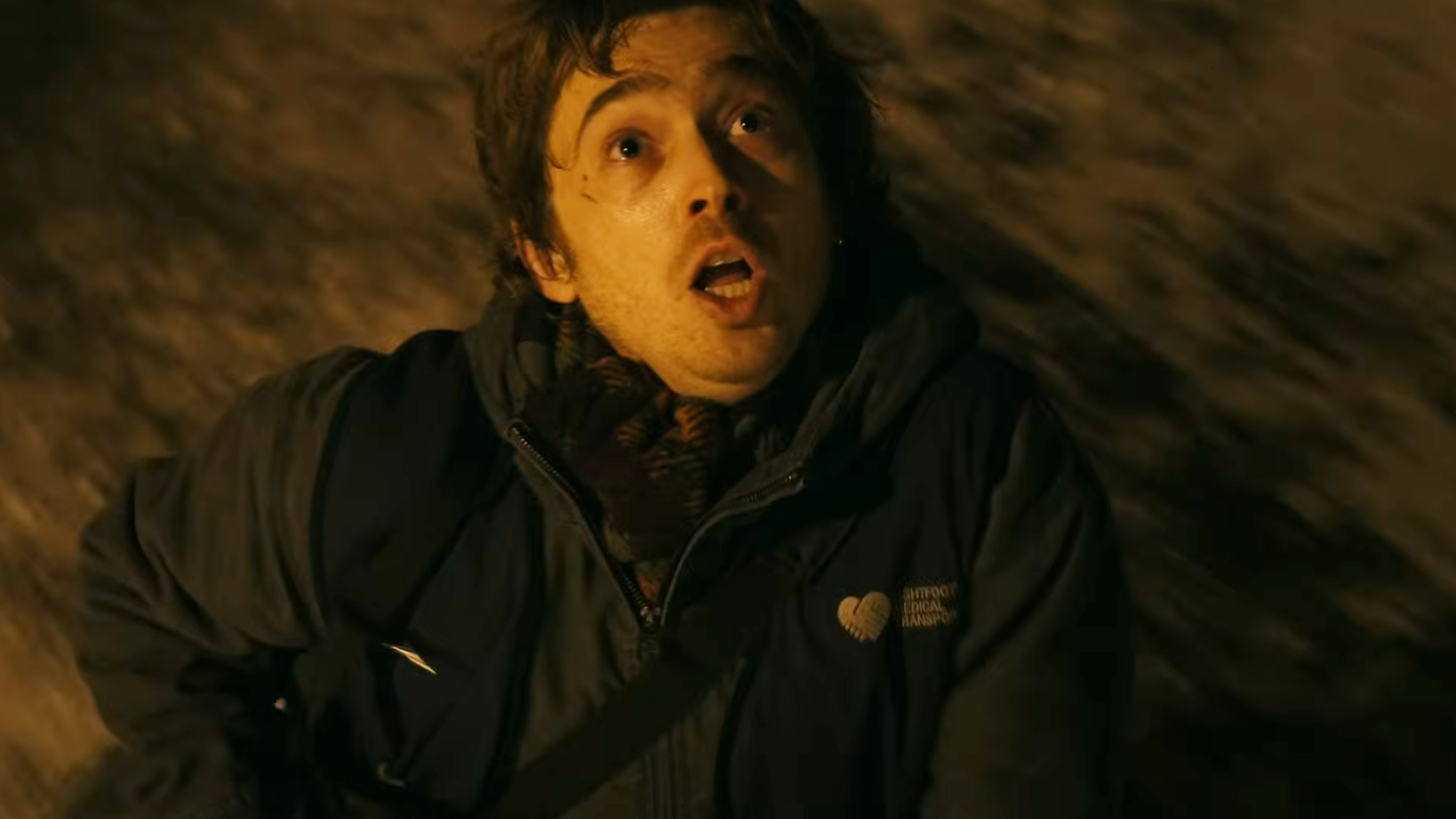
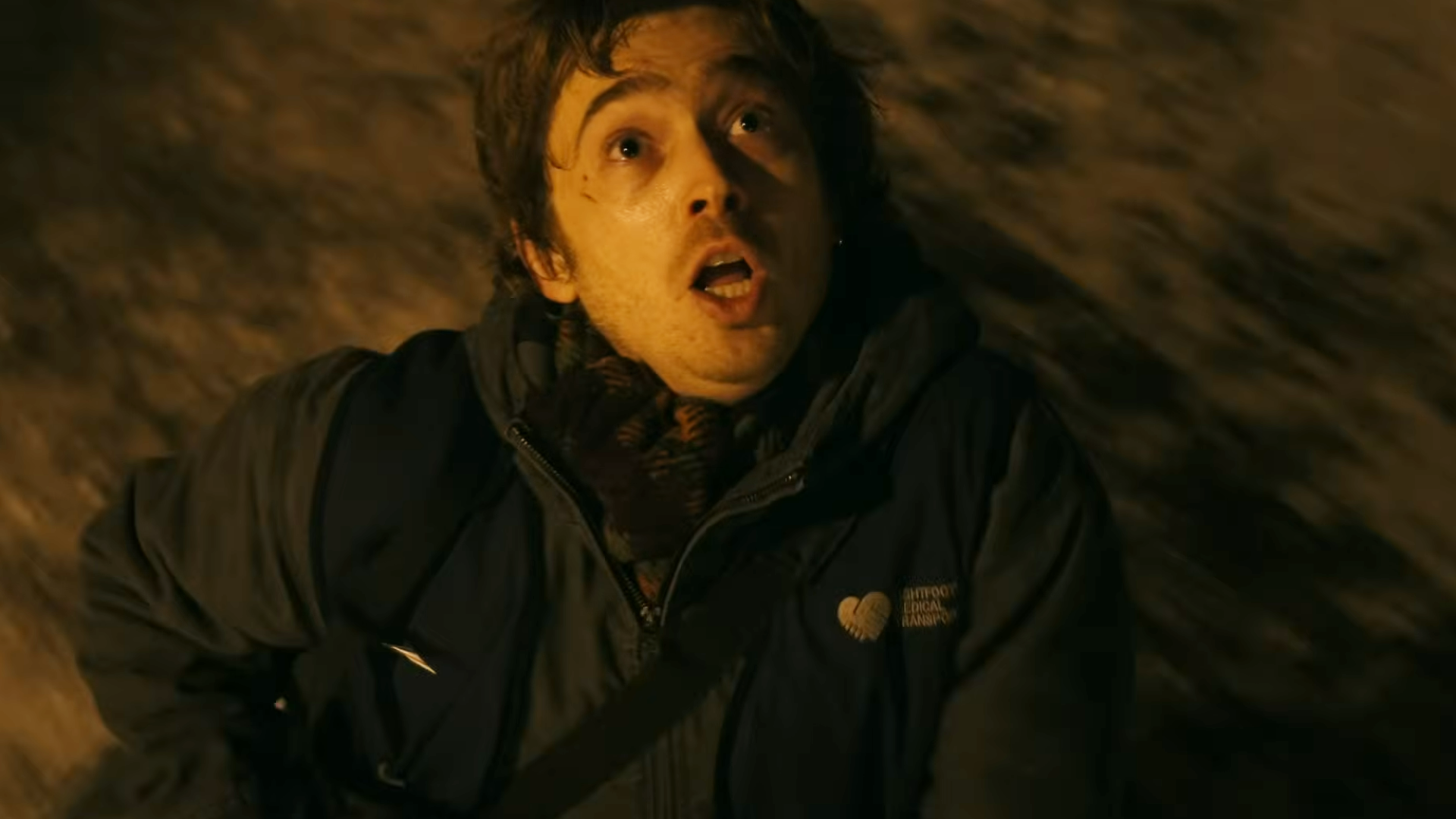
This self-deprecating honesty is not just for comedic effect; it’s a strategic choice to enhance player and viewer immersion. The relatable struggle of a character who is ill-equipped for the horrors they face amplifies the tension and the stakes. The article highlights a humorous yet telling moment from the film where the protagonist, Bryan, misses a close-range shot at a door lock – a scenario many viewers can empathize with, especially those who have never handled a firearm. This focus on a civilian’s perspective ensures that the terror feels immediate and visceral, stripping away the veneer of heroic competence and replacing it with raw, unadulterated fear.
The Spirit of the Games: Loyalty and Escalating Stakes
Cregger’s dedication to the source material is evident in his commitment to capturing the "spirit and tone" of the games. He emphasizes, "I loved the games, I played the games, I don’t know how many thousands of hours, but too many. This is an opportunity for me to be loyal to the games in spirit and in tone, and build a story that just puts you in that scenario again, and again, and again with increasing stakes." This promise suggests a narrative that not only respects the established lore and atmosphere of Resident Evil but also innovates within its framework. The idea of repeatedly confronting escalating threats, a hallmark of the game series, is central to Cregger’s vision.
The film is slated for release on September 18th and has been filmed for IMAX, indicating a commitment to delivering a visually stunning and immersive cinematic experience. This choice of format suggests that Cregger intends to leverage the grand scale of IMAX to amplify the claustrophobia and terror inherent in the Resident Evil universe.
Chronology of Anticipation
The journey towards this new Resident Evil film has been a gradual build-up of excitement:
- Early Buzz: Whispers and speculation began circulating regarding a new Resident Evil film project, with Zach Cregger’s name emerging as a prominent figure in its development.
- Trailer Release: The first official trailer dropped a few weeks prior to the article’s publication, igniting widespread discussion and fan engagement across social media platforms and gaming forums.
- Director’s Insights: Following the trailer, Cregger has progressively shared more details about his creative process and thematic inspirations through interviews.
- Focus on Survival Horror: Cregger’s articulation of his love for the "overwhelming feeling of dread" in survival horror games provided a critical lens through which fans could interpret the film’s intended tone.
- Protagonist Revelation: The introduction of a civilian protagonist, mirroring the director’s own perceived ineptitude with firearms, offered a unique angle on the franchise’s typical hero archetype.
- IMAX Commitment: The announcement of the film being shot for IMAX underscored the ambition for a high-fidelity visual and auditory experience.
- Release Date Confirmation: The confirmed release date of September 18th solidified the project’s tangible proximity, transforming anticipation into concrete expectation.
Supporting Data: The Enduring Appeal of Survival Horror
The Resident Evil franchise, a titan of the survival horror genre, has consistently captivated audiences for decades. Its enduring appeal can be attributed to several key factors:
- Resource Management: The core gameplay loop of meticulously managing limited ammunition, health items, and inventory space creates a constant sense of tension and forces players to make difficult strategic decisions. This scarcity fuels the feeling of vulnerability.
- Atmospheric Tension: Resident Evil games are masters of atmosphere, employing unsettling sound design, oppressive environments, and well-timed jump scares to cultivate a pervasive sense of dread. The games often excel at making players feel isolated and exposed.
- Iconic Monsters and Villains: From the lumbering zombies to the grotesque mutations and the charismatic yet terrifying antagonists like Albert Wesker, Resident Evil has a rich bestiary of memorable foes that have become ingrained in popular culture.
- Compelling Narrative: While often convoluted, the overarching narrative of biological warfare, corporate greed, and the devastating consequences of unchecked scientific ambition has provided a compelling backdrop for the horrific events.
- Evolution of the Genre: The Resident Evil series has not only defined survival horror but has also evolved with it, experimenting with different gameplay mechanics and perspectives, from fixed camera angles to first-person immersion, keeping the franchise fresh and relevant.
- Commercial Success: The Resident Evil video game franchise has sold hundreds of millions of units worldwide, demonstrating its massive global reach and consistent commercial viability. This strong foundation in gaming provides a fertile ground for successful film adaptations.
Official Responses and Fan Reception
While specific "official responses" from a studio regarding a director’s interview are typically internal or limited to press releases, the prevailing sentiment from the Resident Evil fanbase has been overwhelmingly positive and cautiously optimistic. The director’s explicit understanding and appreciation for the core tenets of survival horror have been met with approval. Social media platforms and gaming communities are alive with discussions, with fans expressing excitement about Cregger’s promise to deliver an authentic experience. The shared trailer has garnered millions of views, indicating a significant level of interest. The director’s candid approach and his willingness to discuss his personal connection to the games seem to be fostering a sense of trust and anticipation among long-time fans.
Implications for the Future of Horror Cinema
Zach Cregger’s approach to the Resident Evil film has significant implications for the broader landscape of horror cinema. By prioritizing the psychological elements of fear – the dread of the unknown, the desperation of limited resources, and the vulnerability of an ordinary person thrust into extraordinary circumstances – he is signaling a potential return to more character-driven and atmospheric horror.
- Authenticity in Adaptation: Cregger’s commitment to capturing the "spirit and tone" of the games suggests a thoughtful adaptation that goes beyond mere surface-level representation. This could set a new benchmark for how video game franchises are translated to the big screen, prioritizing the emotional core of the source material.
- The Power of Relatable Fear: Introducing a protagonist who is not a seasoned warrior but an everyman or woman facing unimaginable horrors can create a more profound and resonant fear for the audience. This emphasis on vulnerability can make the threats feel more immediate and the survival more hard-won.
- Revitalizing Survival Horror on Film: The survival horror genre has seen ebbs and flows in its cinematic representation. Cregger’s focus on the fundamental elements of dread and resource scarcity could reinvigorate the genre on film, reminding audiences of what makes this subgenre so uniquely terrifying.
- IMAX as a Narrative Tool: The decision to film for IMAX is not just about spectacle; it’s about using the immersive capabilities of the format to enhance the claustrophobia, the scale of the threats, and the sheer overwhelming nature of the Resident Evil universe. This could influence how other large-scale horror productions are approached.
In conclusion, Zach Cregger’s upcoming Resident Evil film appears poised to be more than just another franchise reboot. It’s a passionate declaration of intent to recapture the very essence of survival horror, a genre that thrives on palpable dread and the primal instinct to survive. By grounding the terror in relatable vulnerability and a deep respect for the source material, Cregger aims to deliver an experience that will resonate with both long-time fans and newcomers alike, potentially setting a new standard for horror filmmaking. The prospect of witnessing this meticulously crafted vision unfold on the grand canvas of IMAX is a thrilling one, promising a return to the suffocating, heart-pounding intensity that defined the Resident Evil legacy.




Leave a Comment