
Unveiling Ancient Mesopotamia’s Enduring Legacy: The Cylinder Seal
Introduction: A Signature Etched in Time
In the cradle of civilization, where the first cities rose and writing began to unfurl its complexities, an unassuming yet profoundly powerful artifact emerged: the cylinder seal. Far more than mere decorative trinkets, these intricately carved stone cylinders served as the bedrock of identity, administration, and belief across ancient Mesopotamia. Known as kishib in Sumerian and kunukku in Akkadian, these impression stamps were ubiquitous, utilized by every stratum of society – from the mightiest monarch to the humblest slave – as the quintessential means of authenticating identity in correspondence, legal documents, and commercial transactions. Over millennia, they transcended their initial function to become deeply personal emblems, recognized universally as one’s unique identification and a miniature testament to an individual’s place in the cosmic order.
Chronology: From Neolithic Innovations to Widespread Adoption
Genesis in the Fertile Crescent
The origins of the cylinder seal trace back to the Late Neolithic Period, an epoch of profound transformation around 7600-6000 BCE. Archaeological evidence points to their initial appearance in the region encompassing modern-day Syria, a fertile crescent of innovation. However, alternative scholarly claims suggest a later emergence in Sumeria, located in modern Iraq, further underscoring the dynamic interplay of early cultural development in the Near East. Regardless of the precise geographical inception, these early seals represented a monumental leap in administrative technology.
Initially, early forms of sealing, often simpler stamp seals, were used to secure storage jars and granaries, marking ownership or control over resources. As societies grew more complex, particularly with the advent of agriculture, settled communities, and rudimentary trade networks, the need for a more sophisticated system of authentication became paramount. The cylinder seal, with its continuous rolling surface, offered an expansive canvas for detailed iconography, allowing for a richer narrative and more specific identification than its stamp counterpart. This innovation coincided with the burgeoning complexity of early urban centers like Uruk, where increasing populations, specialized labor, and long-distance trade necessitated robust systems of record-keeping and validation.
Evolution and Geographical Reach
From their initial appearance, cylinder seals underwent a remarkable evolution in design, material, and function, mirroring the rise and fall of great Mesopotamian empires. Throughout the Uruk period (c. 4000-3100 BCE), the Early Dynastic period (c. 2900-2350 BCE), the Akkadian Empire (c. 2334-2154 BCE), the Ur III period (c. 2112-2004 BCE), and successive Old Babylonian, Neo-Assyrian, and Neo-Babylonian eras, the seals adapted, their imagery reflecting changing religious beliefs, political ideologies, and artistic conventions.
Their utility and prestige ensured their spread far beyond Mesopotamia. They were adopted in ancient Egypt, where they served similar administrative purposes, albeit with distinct local stylistic adaptations. Further afield, their influence reached Elam (modern-day Iran) and Anatolia (modern-day Turkey), becoming a key component of cross-cultural communication and trade. Perhaps most fascinating is the independent development of cylinder seals in Mesoamerica, notably by the Olmec civilization around 650 BCE. This parallel invention, thousands of years later and a world away, speaks volumes about the universal human need for authentication and identification in developing complex societies, underscoring the ingenuity that can arise from similar social pressures. However, it is the Mesopotamian cylinder seal that remains the most extensively studied and widely recognized, leaving an indelible mark on our understanding of early civilization.
Supporting Data: Craftsmanship, Bureaucracy, and Spiritual Significance
The Art and Science of Seal Making
The creation of a cylinder seal was a testament to extraordinary artistic skill and meticulous craftsmanship. These precious objects were typically fashioned from an array of semiprecious stones, including the lustrous marble, the volcanic obsidian, the captivating amethyst, and the revered lapis lazuli – a stone whose deep blue hue was often associated with divinity and royalty. Less commonly, but indicative of immense wealth and status, seals were also carved from precious metals like gold or silver. The choice of material often reflected the owner’s social standing and the symbolic significance they attributed to the seal, with rare and beautiful stones enhancing its perceived power and prestige.
The artisans responsible for these miniature masterpieces were known as burgul in Sumerian and purkullu in Akkadian. Their profession was highly respected and well-compensated, placing them among the elite craftsmen of society. Aspiring sealcutters, typically young males, underwent rigorous apprenticeships lasting at least four years, learning under the tutelage of a master. Their toolkit, though rudimentary by modern standards, was precise: copper chisels and gravers for detailed cutting, a whetstone for sharpening, a borer for creating holes, and saws for shaping the initial stone blanks. Scholar Stephen Bertman suggests that sealcutters might have often purchased pre-cut cylindrical blanks from dealers, allowing them to focus on the intricate carving process within their workshops.
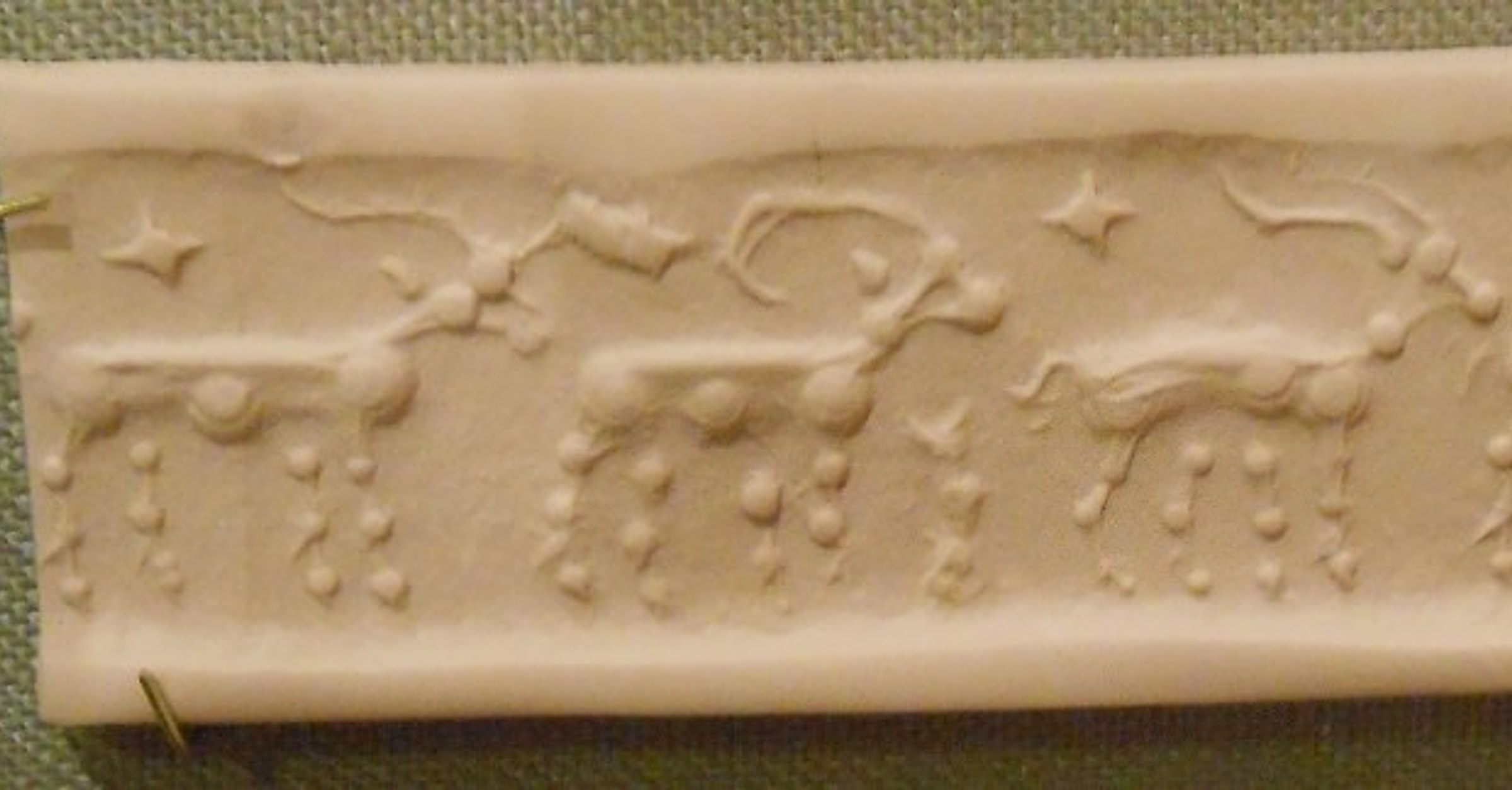
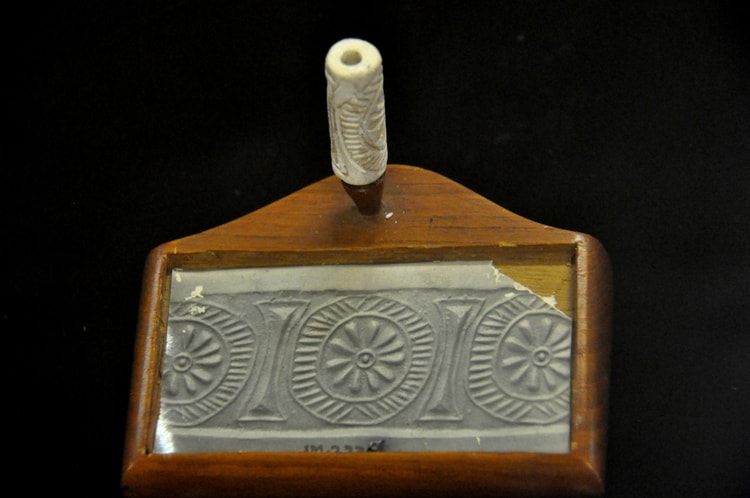
The carving technique employed was intaglio, where the image was cut into the surface of the stone. This was a critical step, as the final impression, when rolled onto moist clay, would appear in relief – a raised image, much like a photographic negative creating a positive. This required the artist to envision and carve the image in reverse, a feat demanding immense spatial reasoning and precision. Once carved, or sometimes even before the intricate work began, small holes were meticulously drilled through the cylinder, allowing the owner to string it on leather or other material to be worn around the neck or wrist, or pinned securely to a garment. The combination of rare materials, complex iconography, and the challenging intaglio technique solidified the sealcutters’ reputation as master artisans.
Pillars of Ancient Administration
The functional purpose of cylinder seals was fundamentally practical: to serve as an official, binding signature on documents or packages, guaranteeing authenticity and legitimizing transactions. In an era predating widespread literacy, the distinctive iconography of a seal acted as an unambiguous mark of identity and authority, much like a personal signature or a company logo today. When rolled across the moist clay of a tablet or the wet clay sealing a jar, the unique impression left an indelible mark, making tampering evident and ensuring the integrity of the document or contents.
The distinction between cylinder seals and their simpler contemporaries, stamp seals, sheds light on the varying administrative needs across Mesopotamia. While stamp seals were smaller, less ornate, and offered limited space for detail, cylinder seals typically measured between 3-4 inches (7-10 cm) in length, providing a much larger surface area. Scholar Clemens Reichel posits that the preference for one type over the other was largely a matter of necessity driven by bureaucratic complexity. Regions like modern-day Syria and Turkey, with less centralized administrations, found the rudimentary stamp seal sufficient. In contrast, the southern Mesopotamian city-states, particularly the sprawling metropolis of Uruk, developed highly sophisticated bureaucracies that demanded a far greater level of detail and information density.
Uruk, for instance, operated with a complex network of different agencies, each requiring precise identification of who was signing a document and its originating office. The limited surface of a stamp seal simply could not accommodate such detailed information. Cylinder seals, however, perfectly fit this need. Their elongated surface allowed for the engraving of the agency’s name, the individual’s name, and their official title within that agency. This capacity for detailed inscription transformed them into indispensable tools for managing the intricate legal, economic, and administrative life of a burgeoning urban civilization, facilitating everything from land deeds and marriage contracts to commercial sales and royal decrees.
Aesthetics and Narrative: Uruk vs. Jemdet Nasr Styles
The iconography and artistic styles of cylinder seals offer a rich tapestry of ancient Mesopotamian life, beliefs, and artistic evolution. Two prominent early styles, the Uruk-Style and the Jemdet Nasr-Style, exemplify this diversity.
Uruk-Style seals are celebrated for their exceptional naturalism and expressive clarity. The carvings often depict animals and human figures with remarkable anatomical accuracy and dynamic composition, reflecting a sophisticated artistic sensibility aimed at conveying powerful narratives. Common motifs include elaborate ritual scenes involving temples, boats, and offerings to the gods, often arranged hierarchically to underscore religious and social order. Depictions of the natural world, such as animal processions, are rendered with vivid detail and balance, creating aesthetically pleasing and harmonious compositions. These seals provide invaluable insights into the religious practices, social structures, and worldview of the nascent urban societies of the Uruk period, often illustrating the king or priest-king as the central figure mediating between humanity and the divine.
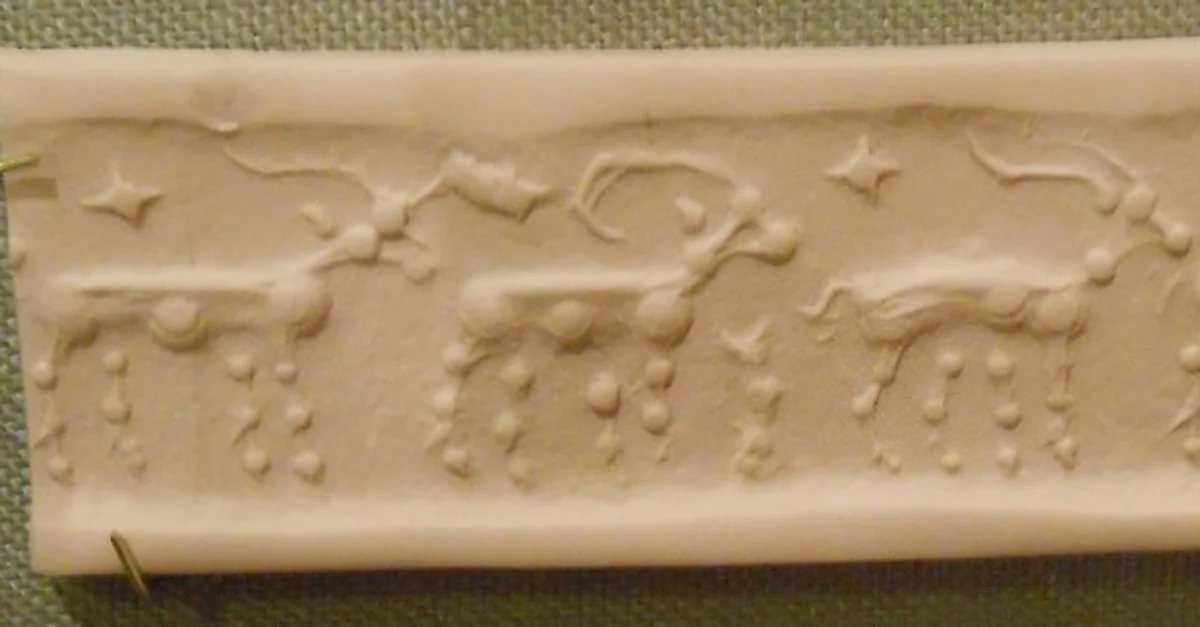
In contrast, Jemdet Nasr-Style seals (c. 3100-2900 BCE) present a departure from the Uruk-style’s naturalism. They are characterized by a less detailed approach and a heavy reliance on mechanical tools like drills and cutting discs, which produce distinctive round and linear marks. This technique often resulted in a more stylized, almost abstract appearance, yet still conveyed clear narratives. Common motifs include scenes of daily domestic life, such as women with distinctive pigtails engaged in various forms of labor, and herds of animals often depicted in front of temples. These seals offer a unique glimpse into the everyday activities and communal aspects of life in the Jemdet Nasr period, suggesting a cultural focus that might have diverged from the grand religious narratives prevalent in the Uruk period. Both styles, however, served the dual purpose of practical identification and symbolic expression, albeit through different artistic lenses.
Amulets, Identity, and Royal Authority
Beyond their administrative and aesthetic functions, cylinder seals held profound spiritual significance for the Mesopotamians. They were often regarded as "amuletic," imbued with the power to ward off evil spirits, protect the wearer from harm, or bring good fortune. This belief stemmed from the deeply ingrained Mesopotamian worldview that saw the cosmos as a delicate balance between order and chaos, constantly influenced by a pantheon of gods and myriad supernatural entities. A seal, with its potent imagery and the personal essence of its owner, could serve as a miniature charm, a portable piece of divine protection.
For rulers, the cylinder seal was an even more potent symbol. It was a tangible manifestation of their strength, their divine mandate, and their ability to govern effectively. The Mesopotamian king was seen as the crucial intermediary between the human realm and the gods, tasked with maintaining cosmic order and holding back the primordial forces of chaos. A ruler’s seal, therefore, had to powerfully convey this role. A famous seal from the region of Persia illustrates this perfectly: an unnamed king stands majestically at the center, controlling two griffin-like creatures that symbolize chaos, holding them firmly by their manes. The king’s identity is further signified by specific symbols to the left of the central image. This seal would have been used to validate all royal decrees and pronouncements, its every impression serving as a constant reminder of the monarch’s supreme authority, his guardianship of order, and his divine connection.
The iconography of seals was deeply personal, serving as a visual biography. An individual’s occupation might be symbolized by a specific animal or object; for example, a weaver might be represented by a spider, an animal renowned for its weaving prowess. Surrounding symbols would then specify the individual’s name, lineage, or other pertinent details. This intricate visual language made each seal a unique identifier, a portable declaration of one’s identity, status, and place within the structured society of Mesopotamia.
Scholarly Interpretations and Modern Relevance
Unlocking the Past: Archaeological Insights
For modern historians, archaeologists, and art historians, cylinder seals are invaluable primary sources, offering unparalleled insights into the intricate fabric of ancient Mesopotamian civilization. They are not merely beautiful artifacts but miniature archives that unlock a wealth of information about a society that flourished thousands of years ago.
By studying the vast corpus of excavated seals, scholars can reconstruct:
- Economic Transactions and Trade Networks: The impressions on clay tablets reveal details about contracts, ownership, and the movement of goods, helping to map ancient trade routes and understand economic systems.
- Social Stratification and Daily Life: The materials used, the complexity of the carving, and the specific iconography often reflect the owner’s social status, occupation, and even gender. Scenes of domestic life, farming, hunting, and religious rituals provide glimpses into the everyday existence of Mesopotamians.
- Religious Beliefs, Myths, and Rituals: Many seals depict deities, mythological creatures, and ritualistic practices, offering crucial visual evidence that complements and sometimes clarifies written religious texts. They illustrate stories of creation, heroism, and the relationship between humans and the divine.
- Artistic Evolution and Iconographic Trends: The stylistic changes over millennia, from the naturalism of Uruk to the stylization of Jemdet Nasr and later periods, provide a chronological framework for understanding Mesopotamian art history. They also show how specific symbols and motifs were adopted, adapted, or discarded over time.
- Political Structures and Diplomatic Relations: Royal seals and those of high officials shed light on governance, power dynamics, and even diplomatic exchanges between different city-states and empires.
The challenges of interpretation are significant, often requiring deep expertise in cuneiform, iconography, and archaeological context. However, the sheer volume and diversity of cylinder seals continue to provide a dynamic and evolving understanding of one of humanity’s earliest complex societies, often filling gaps where written records are scarce or absent.
Preservation and Public Engagement
Today, cylinder seals are treasured artifacts housed in museums and academic institutions worldwide. These organizations play a crucial role in their preservation, study, and public dissemination. Through exhibitions, digital archives, and scholarly publications, they ensure that these ancient wonders continue to inform and inspire. For contemporary audiences, cylinder seals offer a tangible connection to a distant past, inviting reflection on the universal human need for identity, security, and meaning. They remind us that the roots of modern administrative practices, legal systems, and even artistic expression stretch back to the ingenuity of early civilizations.
Implications: The Enduring Legacy of Authentication
The Genesis of Identity and Legal Practice
The profound significance of the cylinder seal in ancient Mesopotamia cannot be overstated. It represented the genesis of sophisticated concepts of personal identity, legal authentication, and contractual obligation. The seriousness with which these objects were regarded is perhaps best illustrated by the consequences of their loss. As scholar Stephen Bertman notes, if someone lost their seal, "the former owner would record the date and time of loss with an official to insure that transactions made after the loss would be invalid." This administrative foresight underscores a highly developed legal system designed to protect individuals from fraud and maintain civic order.
The analogy to modern "identity theft" is remarkably apt. In ancient Mesopotamia, losing one’s seal was akin to losing one’s driver’s license, passport, and credit cards all at once, compounded by the loss of one’s professional credentials and social standing. The seal conveyed not only the individual’s name but also their occupation, official position, and often their lineage. Its misuse could have devastating personal and financial consequences, leading to fraudulent transactions, disputed ownership, and a complete erosion of one’s reputation. This highlights how early societies, even without advanced technology, devised robust mechanisms to secure identity and enforce legal agreements, laying foundational groundwork for concepts that underpin modern legal and commercial practices.
A Window into Daily Life and Civilization
Ultimately, the cylinder seal transcends its functional utility to become an intimate window into the daily life, beliefs, and aspirations of the ancient Mesopotamians. Each seal, with its unique carving and personal narrative, is a snapshot of the period in which it was made and a direct connection to the individual who used it. Historians and art historians continue to appreciate these seals not only for their inherent beauty and exceptional craftsmanship but also for the invaluable stories they tell.
They are visual documents that complement the vast corpus of cuneiform tablets, sometimes providing the only surviving evidence of certain rituals, myths, or administrative practices. They remind us of the ingenuity of humanity’s earliest urban civilizations, demonstrating how complex societies developed sophisticated tools to manage their burgeoning economies, intricate legal systems, and profound spiritual lives. The cylinder seal, therefore, stands as a powerful and enduring legacy, a testament to the administrative prowess and artistic brilliance of ancient Mesopotamia, offering an intimate and unparalleled glimpse into a world that laid many of the foundations for our own.


Leave a Comment