
The Third Inflection Point: Navigating the Intersection of Hype and Digital Transformation
Main Facts: The Cycle of Technological Disruption
The history of modern technology is defined by periodic "inflection points"—moments when emerging technologies collide with established capital, creating a volatile mix of speculative mania and genuine structural change. For industry veterans who witnessed the dot-com boom of the late 1990s and the free-to-play (F2P) mobile revolution of the late 2000s, the current emergence of blockchain, Non-Fungible Tokens (NFTs), and decentralized finance (DeFi) within the gaming sector represents a familiar, albeit polarizing, third wave.
At the core of this transformation is the concept of digital scarcity and ownership. While the market in 2021 is characterized by stratospheric valuations and "Ponzi-like" speculative behavior, the underlying shift involves moving from a "service-based" model to an "asset-based" model in digital entertainment. This evolution challenges the traditional gatekeepers of the gaming industry, much like the internet challenged traditional retail and F2P challenged the $60 "black box" retail model.
Chronology: Three Decades of Disruptive Evolution
1. The Dot-Com Era: The Birth of the Digital Economy (1995–2000)
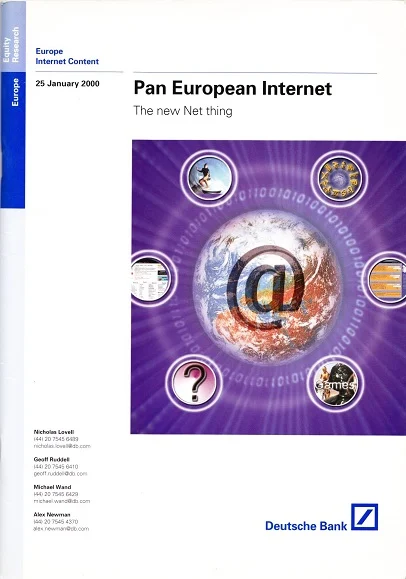
In the late 1990s, the internet was often dismissed by established corporate leaders as a "nerdy" niche. By 2000, however, it had become the center of a global financial frenzy. Analysts at major institutions like Deutsche Bank were tasked with bridging the gap between "Old Economy" investors—mostly middle-aged men accustomed to physical assets—and the "New Economy" of intangible digital services.
During this period, the Nasdaq Composite index rose 400% between 1995 and 2000, only to crash spectacularly. However, the fundamental advice given to investors at the time remains relevant: Focus on teams and business models that thrive in the new medium rather than absolute valuations. While 90% of dot-com companies failed, the "Black Swans" that survived—most notably Amazon and Google—went on to redefine the global economy. The era proved that a market can be both a speculative bubble and a fundamental shift in human civilization simultaneously.
2. The Free-to-Play and Mobile Revolution (2003–2010)
As the dust settled from the dot-com crash, a new phenomenon began emerging in the East. Browser-based games in South Korea and Germany (such as MapleStory or Travian) were experimenting with a radical idea: giving the game away for free and charging for progress, aesthetics, or convenience.
By 2008, this model began to collide with two major catalysts:
- The Global Financial Crisis: Traditional funding dried up, forcing companies to seek more efficient monetization.
- The iPhone and App Store: Steve Jobs’ introduction of a centralized mobile marketplace provided the "rocket fuel" for F2P.
During this window, CEOs of "Big Gaming"—including leadership at Electronic Arts (EA), Activision, and Eidos—struggled to understand why a player would pay for a virtual sword or a cosmetic skin. The transition from selling a physical product to managing a live service was a psychological and operational hurdle that many legacy publishers initially failed to clear, allowing new giants like Riot Games and Supercell to seize the market.
3. The Web3 and Blockchain Integration (2021–Present)
The third wave arrived with the convergence of blockchain technology and gaming. By 2021, the industry witnessed a surge in "Play-to-Earn" (P2E) models and the tokenization of in-game assets via NFTs.
This era mirrors 2000 and 2008 in its duality. On one hand, the market is rife with speculative "hot potatoes" and meme-stock mentalities. On the other hand, it introduces the permanent ledger of the blockchain as a tool for creating genuine value in digital spaces. For the first time, the "older investors" are those who grew up on the internet and F2P games, now finding themselves skeptical of the very technology that claims to be the next logical step in their evolution.
Supporting Data: The Economics of Digital Shifts
To understand the scale of these shifts, one must look at the market data that accompanied previous transitions:
- The F2P Dominance: In 2008, F2P was a marginal part of the Western gaming market. By 2020, F2P games accounted for 78% of all digital game revenue, totaling approximately $98 billion globally. This proved that "free" was the most lucrative price point in history.
- Digital Goods Valuation: The psychological barrier to buying digital assets was broken by the F2P era. By 2021, the market for "skins" (purely cosmetic digital items) in games like Fortnite and Counter-Strike was estimated at over $40 billion annually, providing a proof-of-concept for the utility of NFTs even before blockchain became mainstream.
- The NFT Surge: In the first half of 2021, NFT sales volume hit $2.5 billion, up from just $13.7 million in the first half of 2020. While much of this was speculative art, it signaled a massive influx of capital into the infrastructure of digital ownership.
Official Responses and Industry Sentiment
The reaction from industry titans has been a mix of cautious experimentation and outright rejection.
- The Optimists: Executives like Andrew Wilson (EA) initially described NFTs and blockchain gaming as "the future of our industry," though he later tempered this stance as public sentiment soured. Ubisoft became one of the first major publishers to integrate NFTs via its "Quartz" platform, despite significant backlash from its core player base.
- The Skeptics: Valve (Steam) took a hardline stance, banning all games that utilize blockchain or cryptocurrencies from its platform, citing the volatility and potential for fraud.
- The New Guard: Companies like Animoca Brands and Sky Mavis (creators of Axie Infinity) argue that the "extractive" nature of traditional gaming—where players spend money but own nothing—is reaching its end. They advocate for a "creator economy" where players share in the financial success of the game.
Implications: What Lies Beneath the Hype?
The recurring cycle of disruption suggests that while the "Ponzi-nonsense" of the current blockchain craze may eventually collapse, the underlying technological shifts are likely permanent.
The Evolution of Self-Expression
In the F2P era, we learned that players value digital avatars as much as physical clothing. Blockchain technology takes this a step further by adding permanence and interoperability. If a player’s digital identity can exist independently of a single game’s server, the value of that identity scales exponentially.
The Democratization of Capital
Just as the internet democratized information and F2P democratized access to play, blockchain has the potential to democratize the "equity" of gaming. However, this comes with the risk of turning play into "work," a criticism often leveled at the P2E model.
The Challenge for the "Old Guard"
The most significant implication is for the current generation of industry leaders. In 2000, the "old men" were those who didn’t understand the internet. In 2008, they were the ones who didn’t understand "free." In 2021, the "old guard" includes the very people who built the F2P world.
The struggle to distinguish between a speculative bubble and a fundamental change is the defining challenge of this career. History suggests that the "Black Swans" are already among us—hidden beneath the noise of the hype, waiting for the inevitable market correction to reveal their true value. As the music continues to play, the goal for investors and developers alike is to ensure they are building on the bedrock of utility rather than the shifting sands of speculation.


Leave a Comment