Netflix’s AI Embrace: A Cost-Cutting Crusade at the Expense of Creativity?
The streaming giant’s increasing reliance on artificial intelligence, particularly in its documentary division, is raising profound questions about the future of content creation and the ethical implications for audiences. With a significant number of titles now incorporating AI-generated elements, and a stark emphasis on cost reduction, the question arises: is Netflix inadvertently alienating the very viewers it aims to entertain?
In a move that has sent ripples through the creative industries, Netflix has openly acknowledged its substantial integration of generative artificial intelligence (AI) across its vast content library. As revealed in the company’s recent shareholder letter and further elaborated upon by co-CEO Ted Sarandos during an earnings call, AI has been employed in an estimated 300 titles thus far this year. This figure encompasses a broad spectrum of applications, from the nascent stages of concept development to the intricate final touches of post-production.
While the company maintains that AI is being utilized as a tool to augment the capabilities of human creators, rather than to supplant them, the underlying rationale for its widespread adoption appears to be rooted in a pragmatic pursuit of efficiency and cost savings. This strategic pivot, underscored by a candid discussion of financial benefits during investor calls, has ignited a fervent debate among audiences and industry professionals alike.
The Unsettling Revelation: AI’s Footprint in Historical Narratives
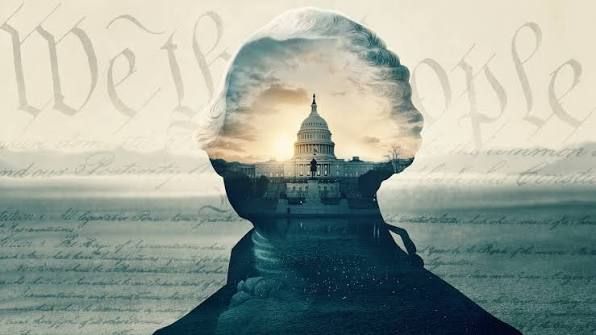
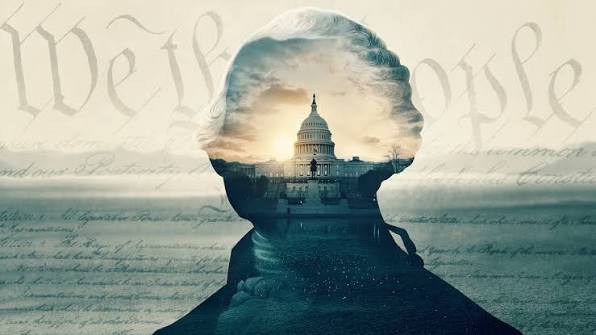
Perhaps the most striking and concerning instance of Netflix’s AI deployment comes from its documentary series, The American Experiment. This critically acclaimed production, which delves into the pivotal era of the American Revolution, controversially incorporated approximately 17 minutes of AI-altered footage. Netflix has justified this decision by citing a dual benefit: a significant reduction in production time and cost, alongside the ability to generate visual sequences that would have otherwise been financially prohibitive.
This specific application of AI in a historical documentary, a genre traditionally steeped in authenticity and rigorous factual representation, has been met with particular scrutiny. The seamless integration of AI-generated imagery into narratives aiming to educate and inform raises complex questions about the manipulation of historical perception and the potential for misinformation, even if unintentional. The argument that AI allows for otherwise unaffordable visual elements to be included, while economically sound, treads a fine line between creative enablement and the compromise of documentary integrity.
A Shifting Landscape: AI as a Cost-Driven Engine
The discourse surrounding Netflix’s AI integration has consistently circled back to the undeniable economic advantages. During the recent earnings call, the emphasis was not on artistic vision or narrative innovation, but on the tangible benefits of reduced expenditure and accelerated production cycles. This frank admission has led many to question whether the company’s commitment to quality and creative integrity is being overshadowed by a relentless drive for profitability.
While Netflix leadership insists that human creatives remain at the core of their production process, with AI serving as an assistive technology, the language employed in financial reporting and investor communications suggests a more utilitarian perspective. The repeated invocation of "cost" as a primary driver for AI adoption paints a picture of a business strategy prioritizing financial efficiency above all else. This pragmatic approach, while understandable in the competitive streaming landscape, risks alienating a segment of the audience that values artistic authenticity and human craftsmanship.
Beyond Netflix: A Shifting Streaming Paradigm and Audience Alternatives
The revelations surrounding Netflix’s AI adoption have prompted a broader re-evaluation of streaming choices for many consumers. The article suggests that the necessity of a Netflix subscription may be diminishing, particularly for those who find themselves increasingly disillusioned with the platform’s perceived compromises.
Alternative streaming services are highlighted as offering a compelling proposition, often with a focus on critically acclaimed content that eschews the perceived "algorithmic sameness" that some critics associate with Netflix’s output. Apple TV+ is lauded for its curated library, featuring shows like Severance, Slow Horses, and Bad Sisters, which consistently receive critical praise and generate significant cultural buzz. These series are presented as examples of high-quality storytelling that engage audiences without recourse to AI-driven shortcuts.
Paramount+ is recognized for its strategic expansion of the Star Trek universe, offering a wealth of content for both dedicated fans and those seeking comfort viewing. The platform’s commitment to its established franchises provides a distinct appeal, catering to a specific demographic with a deep back catalogue of beloved series.
Disney+, too, is noted for its recent strong performance, particularly with the success of shows like Paradise, which has garnered Emmy nominations, and The Testaments, a highly anticipated follow-up to The Handmaid’s Tale. These examples underscore a trend towards platforms prioritizing prestige dramas and genre-defining narratives that resonate with discerning viewers.
The Broader Implications: Ethical Considerations and Audience Trust
The widespread adoption of AI in content creation, as exemplified by Netflix’s actions, carries significant ethical implications that extend beyond mere cost-saving measures.
The Erosion of Authenticity in Documentary Filmmaking
The use of AI-generated footage in The American Experiment is particularly problematic for the documentary genre. Documentaries are inherently bound by a commitment to truth and factual representation. When AI is employed to create or alter visual elements, it blurs the lines between reality and simulation. This can lead to audiences questioning the veracity of the content they are consuming, potentially undermining the credibility of the entire documentary form. The ability to fabricate visuals at will, even with the best intentions, opens the door to subtle manipulations that can shape perception and understanding of historical events.
The Devaluation of Human Creativity and Labor
While Netflix asserts that AI is a tool to assist, not replace, human creators, the persistent emphasis on cost reduction raises concerns about the long-term impact on creative professionals. If AI can produce visual elements faster and cheaper, there is an inherent risk that studios will prioritize AI-generated content over human artistry, leading to fewer opportunities and a potential devaluation of creative skills. This could disproportionately affect artists, animators, editors, and other visual craftspeople whose livelihoods depend on their unique talents and expertise.
The Ethical Quandary of AI-Generated Voices
The recent incident involving the AI-generated voice of Gene Wilder in a Netflix reality show further amplifies these concerns. Utilizing the likeness and voice of a deceased individual without explicit consent from their estate, even for a non-narrative context, raises profound ethical questions about posthumous representation and the appropriation of personal identity. While the legal ramifications may be complex, the moral implications are clear: the use of AI to replicate human voices and personas can feel exploitative and disrespectful to the legacy of the individuals involved and the emotional connection audiences have with them.
The Unseen Hand of Algorithms and Audience Perception
The article subtly critiques the "algorithmic sameness" that some viewers perceive in Netflix’s content. This suggests that the platform’s reliance on data-driven decision-making, potentially amplified by AI, may be leading to a homogenization of storytelling. While AI can optimize for engagement based on past viewing habits, it may struggle to foster the genuine innovation and unexpected narratives that often capture audience imagination and create water-cooler moments. The success of shows like Severance, which are described as generating "water-cooler conversation," implies a desire for content that is distinct, thought-provoking, and fosters genuine human connection and discussion.
The Future of Content Creation: A Call for Transparency and Ethical Frameworks
The increasing integration of AI into the creative process presents both unprecedented opportunities and significant challenges. As Netflix continues to push the boundaries of AI utilization, it is imperative that the company prioritizes transparency and ethical considerations.
Towards Greater Transparency
Audiences deserve to know when and how AI is being used in the content they consume. Clear labeling and disclosure policies would empower viewers to make informed decisions about the media they engage with. This transparency is crucial for maintaining trust and fostering a healthy relationship between content creators and their audience.
The Need for Ethical Guidelines and Industry Standards
The rapid advancement of AI technology necessitates the development of robust ethical frameworks and industry-wide standards. These guidelines should address issues such as the responsible use of AI in historical representation, the protection of creative professionals’ rights, and the ethical implications of replicating human likenesses and voices. Collaboration between technology developers, content creators, regulatory bodies, and audience advocates will be essential in shaping a responsible future for AI in media.
Rethinking the Value Proposition of Streaming Services
For consumers, the evolving landscape of streaming services presents an opportunity to critically assess their subscriptions. As platforms like Netflix increasingly emphasize cost-saving measures through AI, audiences may find greater value and artistic satisfaction on platforms that prioritize human creativity and deliver unique, compelling narratives. The proliferation of high-quality, AI-free content on competing services suggests that the era of unquestioned Netflix dominance may be drawing to a close.
In conclusion, Netflix’s bold embrace of AI, while potentially offering financial advantages, carries a weighty responsibility. The company’s current trajectory raises pertinent questions about the future of creative integrity, audience trust, and the very definition of authentic storytelling. As AI continues to permeate the entertainment industry, the choices made by industry leaders like Netflix will undoubtedly shape the landscape of content creation for years to come, and audiences will be watching – and choosing – where their entertainment dollars are best spent.