
Partisan Deadlock: The Collapse of the Smithsonian American Women’s History Museum Legislation
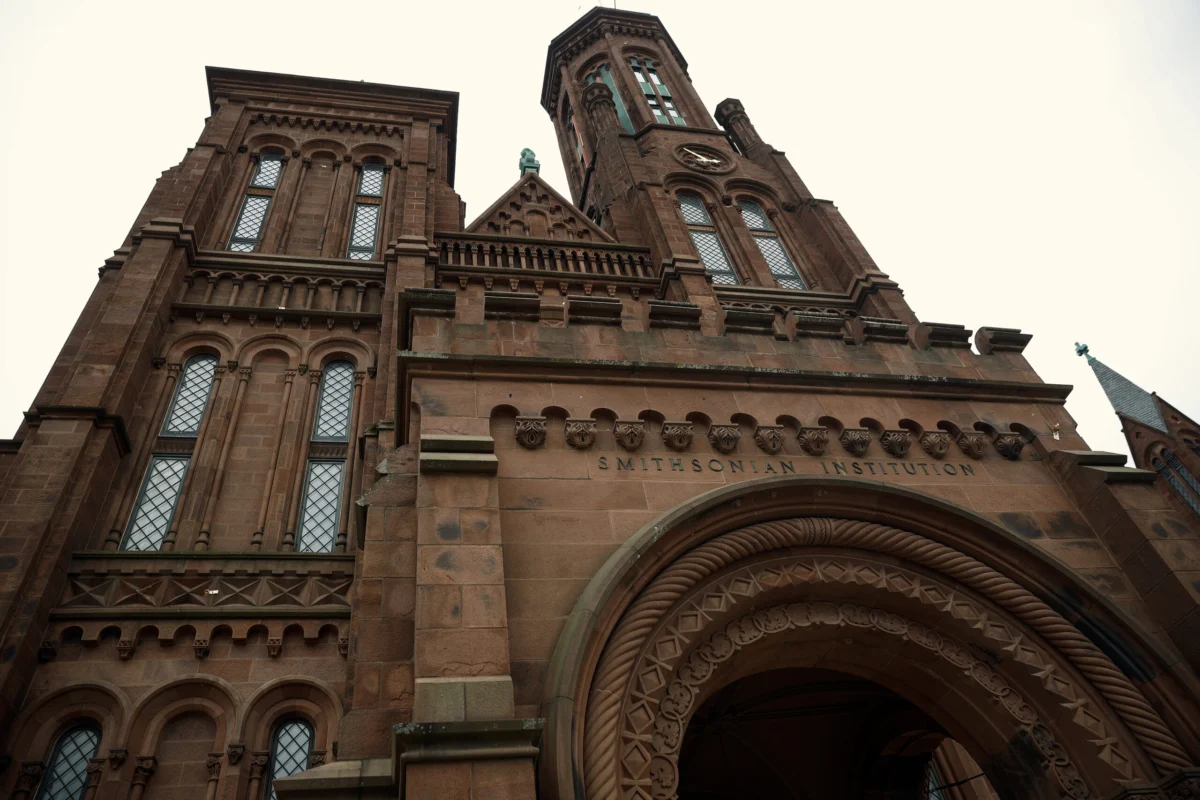
WASHINGTON, D.C. — In a stark reflection of the deepening ideological schisms within the United States Congress, legislation intended to propel the construction of the Smithsonian American Women’s History Museum (SAWHM) collapsed on the House floor on May 21. The bill, which once represented a rare moment of bipartisan consensus, was defeated in a 216–204 vote. The failure marks a significant setback for a project decades in the making and underscores the volatility of "culture war" issues as they intersect with national institutional curation.
The defeat came after House Democrats, led by the Democratic Women’s Caucus, staged a unified rejection of a series of controversial amendments introduced by House Republicans earlier this spring. These amendments, which sought to restrict the museum’s scope to "biological women" and grant the executive branch unprecedented control over the museum’s location and governance, ultimately poisoned the well for a project that had been moving toward reality since its authorization in 2020.
Chronology: From Bipartisan Dream to Legislative Quagmire
The journey toward a national museum dedicated to the history of women in America has been long and fraught with administrative hurdles.
- 1998–2014: The Formative Years: The concept gained significant traction in the late 1990s, but it wasn’t until 2014 that Congress established a bipartisan commission to study the feasibility of the institution.
- December 2020: The Bipartisan Breakthrough: In a rare display of unity during a period of intense political polarization, Congress officially authorized the creation of the Smithsonian American Women’s History Museum as part of the Year-End Omnibus National Security and Appropriations Act. The legislation passed with overwhelming support from both sides of the aisle, championed by figures such as then-Representative Carolyn Maloney (D-NY) and Senator Susan Collins (R-ME).
- March 2024: The Turning Point: Representative Nicole Malliotakis (R-NY) introduced a new bill aimed at advancing the construction phase. However, this version contained several restrictive amendments that departed significantly from the 2020 framework.
- April 2024: The Democratic Petition: More than 140 House Democrats signed a petition addressed to Speaker Mike Johnson, urging the House leadership to strip the "poison pill" amendments and return to the original bipartisan language. The petition was largely ignored by the GOP leadership.
- May 21, 2024: The Final Vote: The bill was brought to the floor under a procedural environment that allowed for no further changes. With 204 votes in favor and 216 against—including six Republican defections—the legislation failed to pass.
The Core of the Dispute: Identity and Representation
The primary catalyst for the bill’s failure was a set of definitions regarding gender and identity. The amended legislation included explicit language stating that the museum would focus exclusively on the achievements of "biological women." Furthermore, it included a directive that the institution must not "identify, present, describe, or otherwise depict any biological male as a female."
Democratic lawmakers argued that such language was a direct attack on the transgender community and an attempt to erase the contributions of transgender women from the historical record. Representative Debbie Wasserman Schultz (D-FL) and other members of the Democratic Women’s Caucus argued that the Smithsonian’s mission is to provide an inclusive and accurate historical narrative, not to serve as a vehicle for exclusionary legislative definitions.
Conversely, Republican proponents of the amendments argued that the museum’s original intent was to celebrate the unique biological and social history of women. Some GOP members expressed concern that an "overly broad" definition of womanhood would dilute the specific struggles and triumphs that the museum was intended to honor. This debate mirrors broader national trends where state and federal legislatures are increasingly litigating the boundaries of gender identity in public spaces and institutions.
Supporting Data and Procedural Mechanics
The vote count reveals a complex landscape within the Republican party. While the majority of the GOP voted for the bill, the six Republican "no" votes were critical. These members reportedly fell into two camps: moderates wary of the exclusionary language and hardline conservatives who view the creation of identity-based museums as "divisive" or an unnecessary expenditure of federal resources.

According to data from the Smithsonian Institution, the museum is currently in the "pre-design" phase. While the 2020 Act authorized the museum, subsequent legislation is required to finalize site selection and release specific construction funds. The failure of the May 21 vote leaves the project in a state of administrative limbo.
Furthermore, the bill introduced a controversial shift in oversight. It proposed giving the Commission of Fine Arts (CFA) and the National Capital Planning Commission (NCPC) final approval power over the museum’s design. While these bodies usually have a say in D.C. architecture, the bill sought to cement this power at a time when both entities are heavily influenced by appointees from the previous administration, raising concerns about political interference in the museum’s aesthetic and thematic direction.
The "Trump Factor" and Site Selection
Perhaps the most surprising element of the failed bill was the inclusion of provisions that would have granted President Donald Trump and his allies increased control over the project. One specific line in the legislation would have given the President unilateral power to designate an alternative site for the museum.
Since 2020, the Smithsonian Board of Regents has been eyeing two primary locations on the National Mall, near the National Museum of African American History and Culture. The National Mall is considered the "front yard" of American democracy, and a spot there is highly coveted. The Republican-led bill suggested that the museum could be moved to a site off the Mall, a move that critics say would relegate women’s history to a "second-class" status.
The bill also called for "an equal representation of the diversity of the political viewpoints and authentic experiences held by women." While seemingly neutral, Democratic critics argued this was a "mandated balance" clause designed to force curators to give equal weight to fringe or specific partisan perspectives, potentially undermining the academic and historical integrity of the exhibits.
Official Responses
The fallout from the vote was immediate.
The Democratic Women’s Caucus issued a scathing statement:

"We cannot and will not support a bill that uses the celebration of women’s history as a Trojan horse for bigotry. By attempting to codify discrimination and give political figures the power to censor our history, the GOP has turned a project of national unity into a partisan weapon."
Representative Nicole Malliotakis, the bill’s sponsor, defended the changes:
"Our goal was to ensure that the American Women’s History Museum remains focused on the biological women who have shaped our nation. It is disappointing that my colleagues across the aisle would rather have no museum at all than one that recognizes the distinct reality of womanhood."
The Smithsonian Institution maintained its characteristic neutrality, though officials have privately expressed concern over the delays. In an official statement, a spokesperson noted:
"The Smithsonian remains committed to the goal of creating a world-class museum that tells the diverse and complex stories of American women. We will continue to work with Congress to find a path forward that respects our mission of the increase and diffusion of knowledge."
Implications for the Future of the Smithsonian
The failure of this legislation has implications that extend far beyond the SAWHM. It sets a precarious precedent for the National Museum of the American Latino, which was authorized at the same time and faces similar hurdles regarding site selection and "political balance" in its curation.
- Institutional Autonomy: The Smithsonian has traditionally enjoyed a high degree of curatorial independence. The attempt to legislatively dictate exhibit content—specifically regarding gender identity and "political viewpoints"—suggests a shift toward more direct Congressional intervention in museum scholarship.
- The Future of the National Mall: With space on the Mall nearly exhausted, the fight over the SAWHM’s location may represent the last major battle for a "prime" spot. If the museum is eventually forced to a secondary location, it may change the trajectory for all future national museums.
- Fundraising Challenges: The Smithsonian relies heavily on private donations to complement federal appropriations. Prolonged political controversy can deter major donors who wish to avoid being associated with partisan infighting, potentially stalling the project’s $1 billion fundraising goal.
- A Stalled Narrative: For historians and activists, the primary concern remains the delay in recognizing women’s contributions. As the project stalls, the "gaps" in the American story at the national level remain unfilled, leaving the history of more than half the population without a dedicated home in the nation’s capital.
As the 118th Congress moves toward its conclusion, the prospect of a revived, bipartisan bill remains slim. The Smithsonian American Women’s History Museum, once a symbol of shared national pride, now stands as a monument to the very divisions it hoped to transcend.




Leave a Comment