
The 2026 Environmental Photography Award: A Global Testament to Resilience and Fragility
The intersection of art and activism has reached a new pinnacle with the announcement of the winners for the 2026 Environmental Photography Award. Organized by the Prince Albert II of Monaco Foundation, this prestigious annual competition has once again highlighted the dual nature of our planet: its breathtaking beauty and its harrowing vulnerability. This year, selected from an immense pool of approximately 10,000 submissions, the winning images serve as a visual manifesto for the urgent environmental issues defining the mid-2020s.
From the clandestine world of wildlife trafficking to the vast, melting expanses of the polar regions, the 2026 collection offers a comprehensive look at the state of the Earth. The award, now in its sixth year, has evolved into more than a simple photography contest; it is a critical platform for "Changemakers"—photographers who use their lenses to document, defend, and demand a more sustainable future.
Main Facts: The 2026 Laureates
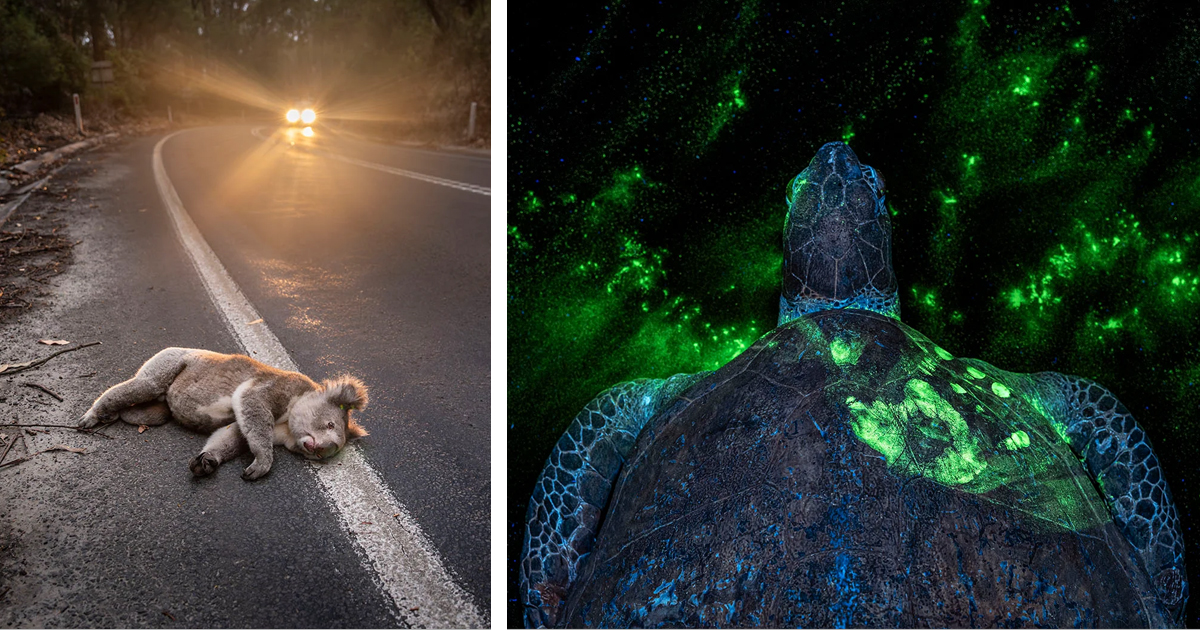
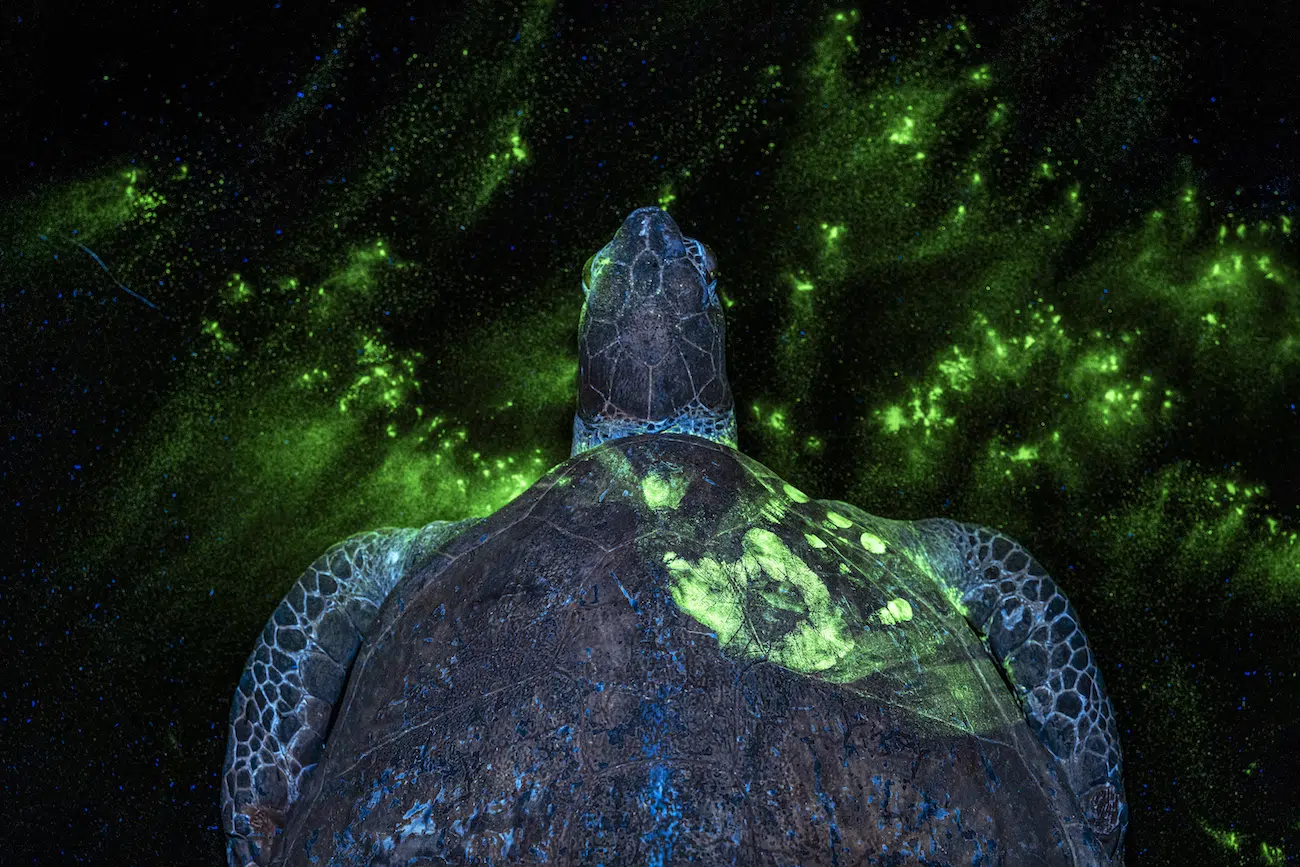
The competition’s top honor, the Grand Prize, was awarded to renowned wildlife photojournalist Britta Jaschinski for her hauntingly evocative image, Handprint on Sea Turtle. This photograph also secured the victory in the "Changemakers" category. Jaschinski’s work exemplifies the theme of this year’s awards: the invisible traces left by humanity on the natural world.
The award is structured into five distinct categories, each addressing a specific facet of the global environmental crisis:
- Changemakers: Celebrating those documenting solutions or forensic efforts to protect nature.
- Forests: Highlighting the beauty and the threats facing terrestrial "lungs" of the planet.
- Humanity vs Nature: Capturing the direct, often violent, friction between human industry and wildlife.
- Ocean: Exploring the depths of marine ecosystems and the challenges of high-seas conservation.
- Polar Regions: Documenting the frontline of climate change in the Arctic and Antarctic.
Beyond the category winners, the competition also includes a Public Award, determined by popular vote, and a Student’s Choice Award, reflecting the perspectives of the next generation of environmental stewards.
Chronology: The Journey of the 2026 Award
The 2026 award cycle began in late 2025 with a global call for entries, attracting professional and amateur photographers from nearly every continent. By early 2026, an international jury of esteemed photographers and environmentalists began the arduous task of narrowing down 10,000 images to a shortlist that represented the highest standards of both technical skill and journalistic integrity.
In March 2026, a significant milestone occurred in the environmental world that paralleled the themes of the competition: the Brazilian government (IBAMA) announced a historic nationwide ban on the export of shark fins. This legislative victory provided a timely backdrop for the "Humanity vs Nature" category winner.
The winners were officially announced in a ceremony in Monaco, under the patronage of H.S.H. Prince Albert II. Following the announcement, the shortlisted works were prepared for a prestigious exhibition at the Galerie des Pêcheurs in Monaco. The 2026 cycle will conclude with an international touring exhibition, bringing these vital stories to major global cities throughout the remainder of the year, accompanied by the publication of a commemorative book.
Supporting Data: Deep Dives into the Winning Images
The Science of Forensics: Britta Jaschinski’s "Handprint on Sea Turtle"
Jaschinski’s winning image is a masterclass in subtlety. It depicts a green sea turtle (Chelonia mydas) illuminated by ultraviolet light. Under this specific spectrum, a human handprint glows neon on the turtle’s shell. This is not merely an artistic choice; it represents the cutting-edge work of the ZSL Wildlife Forensic Lab in London.
Forensic experts Dr. Alexandra Thomas and Dr. Louise Gibson have been developing methods to use fluorescent powder dyes to reveal fingerprints, blood, and gunpowder residues on wildlife. This technology is vital for law enforcement to dismantle illegal trade chains. With six of the world’s seven sea turtle species currently classified as threatened or endangered, such forensic tools are the "Changemakers" of modern conservation.
The Tragedy of the Commons: Fernando Faciole’s "Born for the Ocean"
In the "Humanity vs Nature" category, Fernando Faciole’s photograph Born for the Ocean, Fated to the Flames captures the grim aftermath of the illegal shark fin trade. The image documents the incineration of 28.7 tonnes of seized shark fins in São Paulo—the largest seizure in Brazilian history, representing the death of at least 10,000 sharks. Because the fins are biological material, they must be burned after official processing to prevent them from re-entering the black market. The image served as a precursor to Brazil’s landmark March 2026 ban on fin exports.
The Chaos of the Deep: Henley Spiers and the BBNJ Agreement
Henley Spiers won the "Ocean" category with Shearwater’s Dilemma, a frantic underwater shot of a wedge-tailed shearwater diving into a massive school of lanternfish. Lanternfish are among the most numerous vertebrates on Earth, making up 65% of deep-sea biomass. Spiers’ image is particularly significant given that the Biodiversity Beyond National Jurisdiction (BBNJ) Agreement—often called the "High Seas Treaty"—officially came into force at the start of 2026. This legal framework is designed to protect exactly the kind of open-ocean abundance captured in Spiers’ lens.
The Polar Frontier: Vadim Makhorov’s "The Gathering"
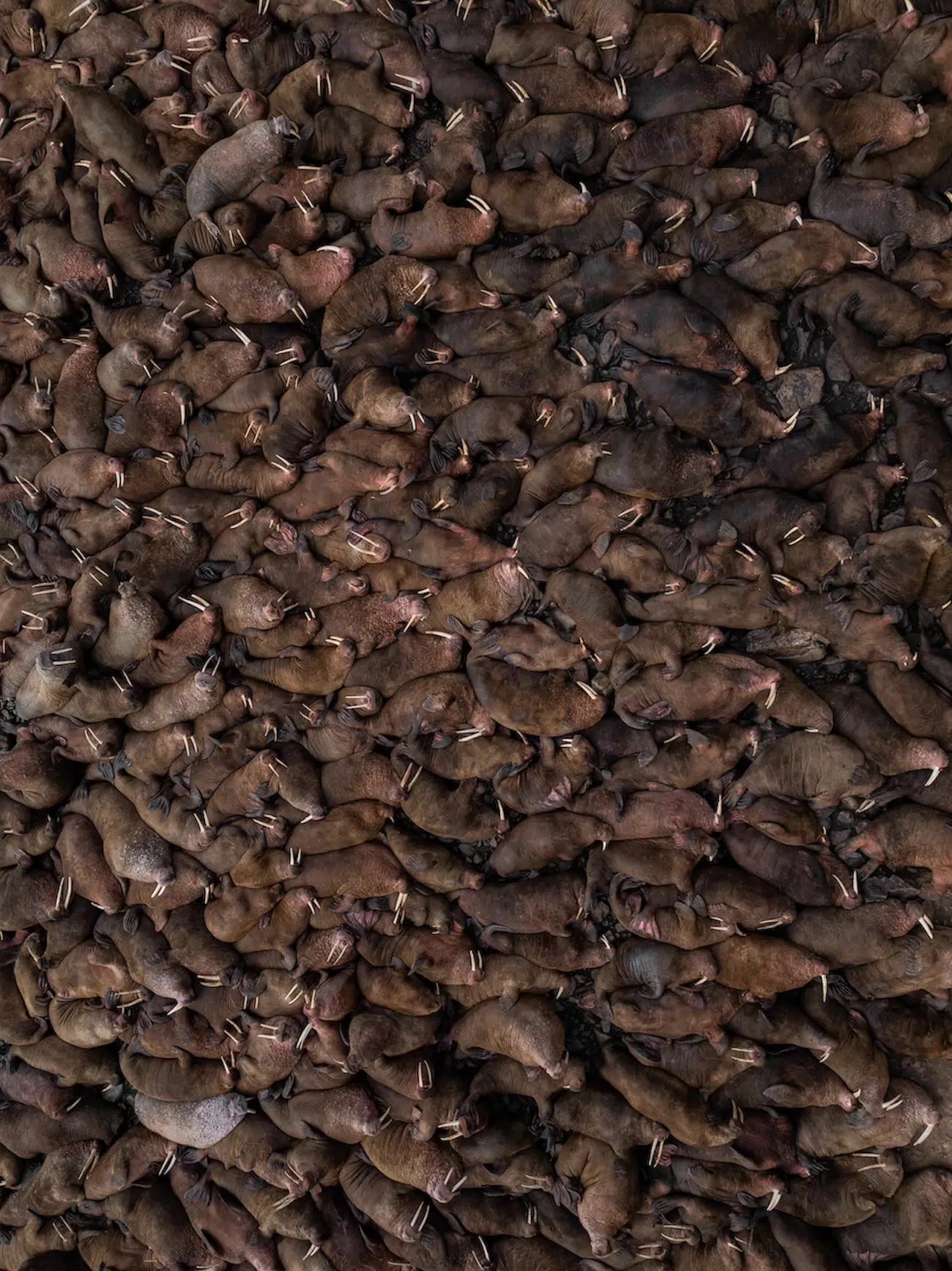
In the "Polar Regions" category, Vadim Makhorov’s The Gathering shows a massive haulout of Pacific walruses on Ratmanov Island. This site, on the maritime border between Russia and the United States, is a critical habitat. The scale of the image emphasizes the isolation of these creatures, whose survival is increasingly tied to the presence of stable sea ice—a resource rapidly vanishing due to rising global temperatures.
Official Responses and Foundation Mission
The Prince Albert II of Monaco Foundation, established in 2006, has long been a leader in global environmental advocacy. Upon the announcement of the 2026 winners, foundation representatives emphasized that the goal of the award is to "bridge the gap between scientific data and human emotion."

Prince Albert II has frequently stated that "photography is a powerful tool for awakening consciences." The 2026 awards reflect the foundation’s three priority areas: limiting the effects of climate change, preserving biodiversity, and managing water resources.
Official statements from the ZSL Wildlife Forensic Lab also highlighted the importance of the "Changemakers" category. They noted that Jaschinski’s win brings much-needed attention to the underfunded field of wildlife forensics, which is essential for turning "seizures into convictions."
Implications: Photography as a Catalyst for Change
The 2026 Environmental Photography Award arrives at a time when "climate fatigue" is a recognized phenomenon in global media. The implications of this year’s winners suggest a shift in strategy for environmental communication. Rather than relying solely on "spectacle" or "disaster porn," the 2026 collection focuses on:
- Forensic Accountability: Images like Jaschinski’s suggest that humans are being watched. The "trace" left on the turtle is a reminder that illegal actions in nature now leave scientific signatures that lead back to the perpetrator.
- Legislative Support: Photographs like those by Fernando Faciole provide the visual evidence needed to support major policy shifts, such as the Brazil shark fin ban. They turn abstract statistics into visceral reality for policymakers.
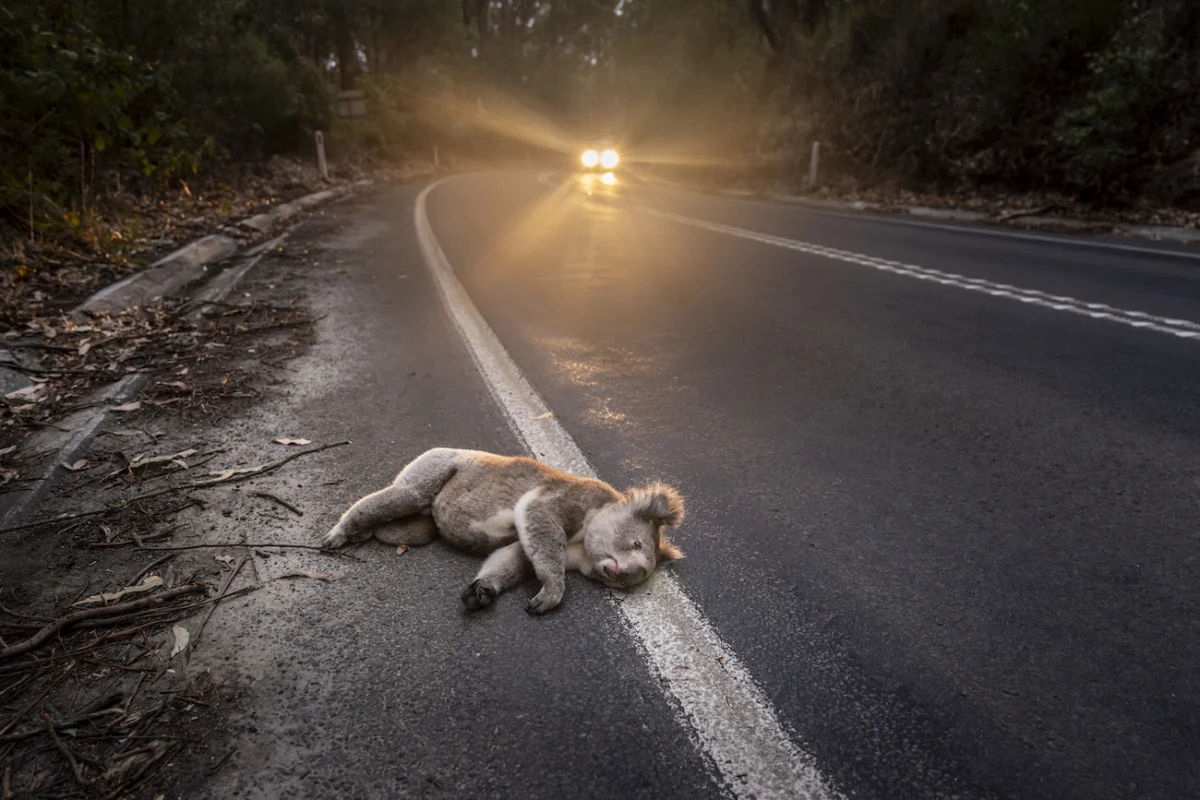
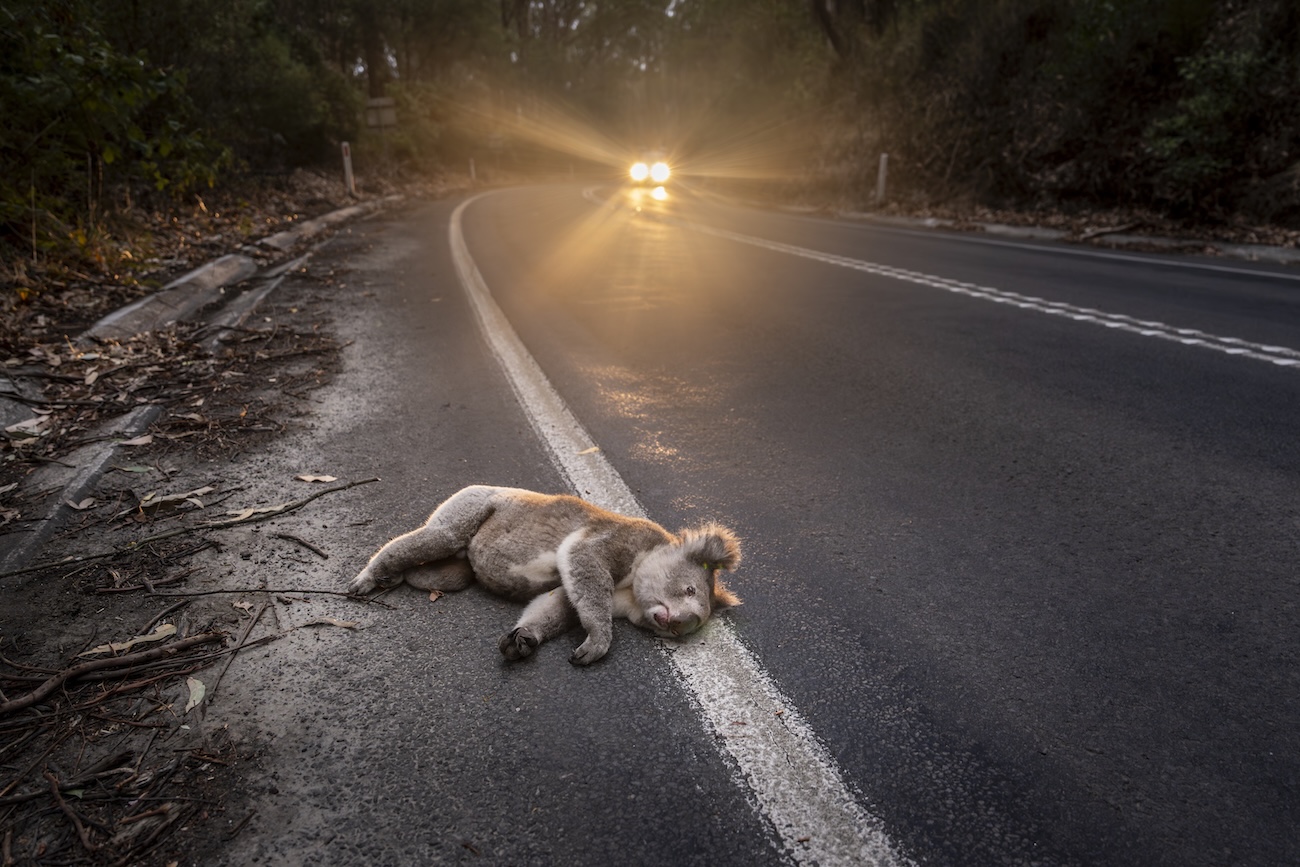
- Welfare Awareness: Doug Gimesy’s Public Award-winning image of a koala killed by a vehicle strike shifts the conversation from broad "conservation" to specific "wildlife welfare." It highlights how individual human behavior—such as speeding in wildlife corridors—has immediate, tragic consequences.
- Youth Engagement: The inclusion of the Student’s Choice Award, won by Arnaud Farré for his abstract view of humpback whales, indicates a growing trend of engaging younger audiences through aesthetic beauty and drone technology, fostering a new generation of defenders of the marine environment.
As the shortlisted works begin their international tour, they carry a message that is both a warning and a source of hope. The 2026 Environmental Photography Award proves that while the "handprint" of humanity on the natural world is often a mark of destruction, the "eye" of the photographer can be a tool for justice, revealing what is hidden and protecting what remains. Through these images, the Prince Albert II of Monaco Foundation continues to ensure that the cry of the natural world is not just heard, but seen in all its haunting complexity.




Leave a Comment