
The Enduring Ascent: Navigating the Paradox of Growing Old and Growing Up
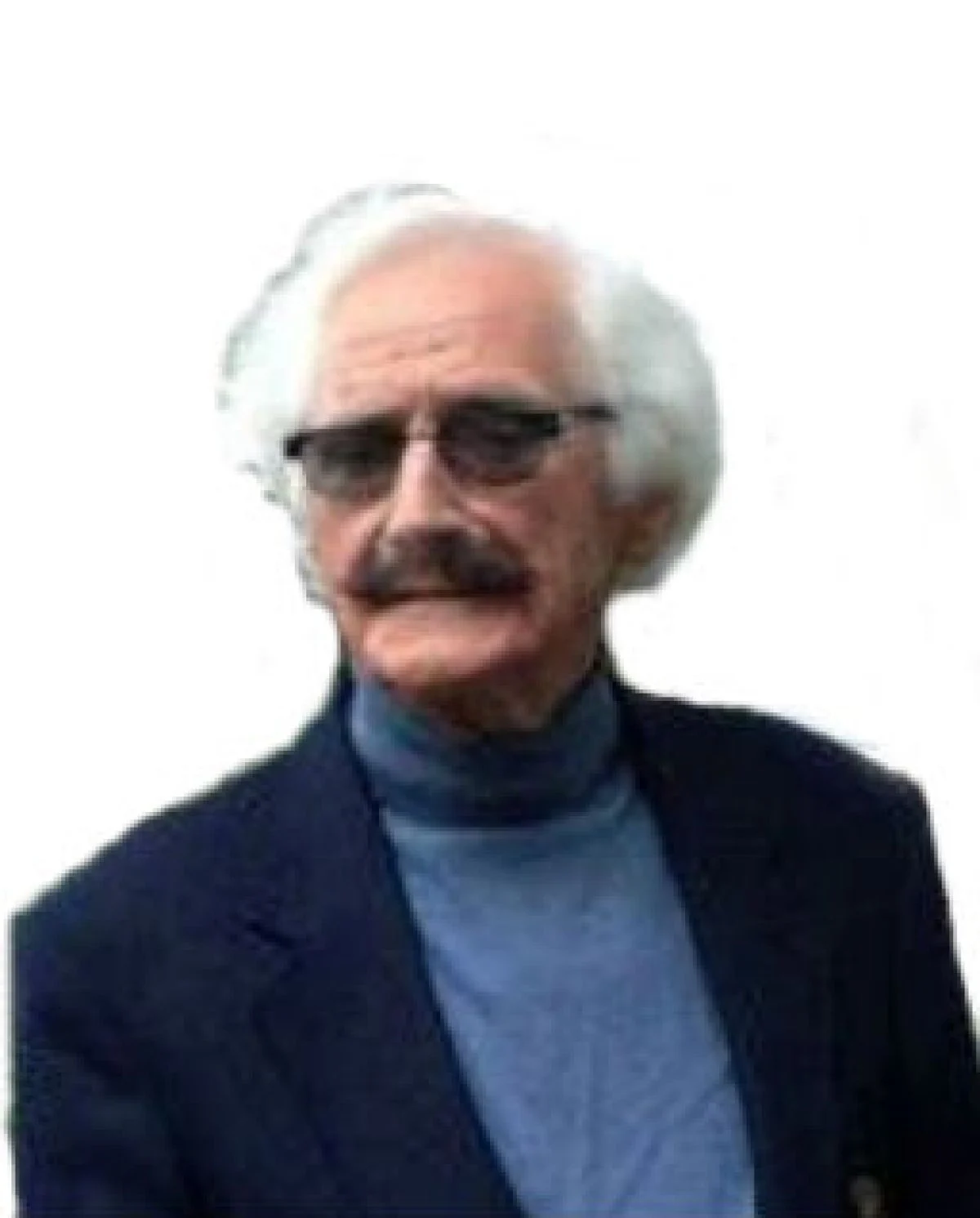
By [Your Name/Publication Name]
The twilight years of life, a period often characterized by reflection and the accumulation of wisdom, also present a profound human paradox: the simultaneous experience of growing old and the potential for continued growth. While the physical journey towards aging is an inevitable biological process, the psychological and intellectual ascent through life remains a conscious choice, a continuous engagement with the world and oneself. This article explores the intricate interplay between these two fundamental human experiences, examining how individuals can, and indeed must, continue to "grow up" even as their bodies age, to maintain a vibrant and meaningful existence.
The Dual Nature of Human Experience: Perception and Psychology
At the core of our existence lies a dual capacity that defines our experience of the world. Firstly, there is our ability to objectively perceive our surroundings. This is the realm of the five senses – sight, sound, smell, taste, and touch – which provide us with the raw data of reality. Through these senses, we register the tangible, the physical, the observable events that unfold in our daily lives. This objective perception forms the bedrock of our understanding of the external world, allowing us to navigate our environment and interact with it.
However, objective perception is only half the story. Equally crucial is our capacity for subjective psychological experience. This is the domain of the mind and brain, where raw sensory input is transformed into feeling, thought, and evaluation. It is through this subjective lens that we imbue the perceived happenings of our day with meaning, emotion, and personal significance. Our inner world, a tapestry woven from memories, beliefs, desires, and aspirations, dictates how we interpret and respond to the external reality. The intensity of our joy, the depth of our sorrow, the clarity of our understanding – all these are products of our subjective psychological landscape.
Growing up, in its most fundamental sense, involves the continuous development and refinement of both these capacities. As infants, our perceptual abilities are nascent, and our psychological understanding of the world is rudimentary. Through childhood and adolescence, we hone our senses, expand our cognitive abilities, and develop a more nuanced emotional and intellectual framework for making sense of our experiences. This ongoing process of learning, adapting, and integrating new information is the essence of "growing up."
The Challenge of Aging: Maintaining Perceptual Acuity and Psychological Adaptability
As the aging process unfolds, individuals often find themselves facing distinct challenges in maintaining these vital human capacities. While many older adults strive to keep their senses sharp, actively engaging with the external world to preserve their objective perceptual abilities, a subtle yet significant shift can occur in their psychological engagement with life.
This is where the paradox intensifies. In an effort to maintain the familiar and comfortable, many aging individuals may find themselves psychologically withdrawing from the ever-changing nature and values of contemporary life. The world, in its relentless march forward, constantly presents new ideas, evolving social norms, and shifting technological landscapes. To keep pace requires a willingness to adapt, to re-evaluate long-held beliefs, and to embrace new perspectives.
However, for some, the comfort of the past can be a more alluring proposition. The familiar mental structures, the established patterns of thought and feeling, offer a sense of stability and meaning that can seem more accessible than the effort required to modify or change them. This can lead to a tendency to live in the past, finding solace and significance in memories and experiences that are fixed and unalterable.
This resistance to change can manifest as irritation or even a sense of affront when confronted with the need to re-think or re-feel long-established mindsets. The very notion of challenging deeply ingrained attitudes can feel disruptive, an unwelcome intrusion into a carefully constructed inner world. This reluctance to engage with the novel and the challenging can inadvertently lead to a stagnation of the psychological growth that is so integral to a fulfilling life.
The Unseen Cost of Withdrawal: Diminishing the Will to Live
The consequences of this psychological retreat from life’s ongoing processes are often more profound than immediately apparent. By diminishing the expanding range of consciousness that naturally accompanies engagement with new experiences and challenges, individuals may unconsciously weaken their own will to keep living.
Nature, in its wisdom, seems to imbue the aging process with a routine that encourages continued growth. This routine is not merely about physical survival; it is about the ongoing development of our inner selves. When this engagement is curtailed, when the mind stops actively seeking new understanding and the spirit ceases to explore new frontiers, a subtle but detrimental effect on the fundamental drive to live can occur. The spark of curiosity, the thirst for knowledge, the desire for new experiences – these vital forces that propel us forward can begin to dim.
An old adage, "Keep the Body in motion, and the Mind in action," encapsulates a timeless truth. This simple yet powerful directive is not merely about physical health; it speaks to the interconnectedness of our physical and mental well-being. A body that is active stimulates the mind, and a mind that is engaged encourages the body to remain so. This dynamic interplay is crucial for maintaining the vitality associated with "growing up," rather than passively succumbing to the mere act of "growing old."
A Personal Encounter: The Case of the 75-Year-Old Man
The stark reality of this phenomenon was brought into sharp focus during a recent conversation in a local coffee house. I encountered an elderly gentleman, who, upon being engaged in conversation, expressed a profound sense of resignation. He stated that he had ceased contemplating his daily existence, viewing it as pointless to dwell on past events. At 75 years of age, he self-identified as an "old man," feeling he had few opinions left and was simply "coasting to the end."
There are moments in life when the futility of argument or even earnest discussion becomes palpable. This was one such moment. His outlook, steeped in a belief that his active phase of life was concluded, left little room for the perspective I wished to share. My own experience, and indeed the essence of what I believe constitutes a fulfilling life at any age, is that consciousness, irrespective of years, continues to pose fundamental questions: "Why?" and "Wherefore?" and "To what end?"
This ongoing quest for meaning, for understanding, is, in my view, intrinsically linked to remaining active. My own journey, having recently celebrated my 94th birthday, has been characterized by a conscious effort to avoid the sedentary trap of the armchair. This active engagement with life, both physically and mentally, has, I believe, intensified my inner quest and propelled my body to remain in motion.
The Profound Result: Psychological Rejuvenation Through Active Engagement
The outcome of this sustained active engagement is a continuous process of psychological growth. This is not an abstract theory but a lived experience. My own mental overview of life continues to evolve, and the questions that arise are more frequent and more intense than they were when I was 75. This is not to say that the challenges are easier, but rather that the capacity to engage with them, to learn from them, and to grow from them remains robust.
This active engagement fosters a sense of ongoing development, a feeling that one is still actively participating in the grand narrative of life, rather than merely observing its final chapters. It is the difference between a spectator and a participant, a stark distinction that shapes the entire experience of aging.
Echoes Through Time: Philosophical Perspectives on Aging and Youth
The dialogue between aging and enduring youth is a theme that has resonated throughout human history, inspiring thinkers and artists for millennia. Two poignant quotations, separated by approximately 2,500 years, encapsulate this enduring tension:
Plato, the ancient Greek philosopher, offered a perspective that emphasizes the potential liberation that can accompany old age:
"Old age has a great sense of calm and freedom. When the passions have relaxed their hold, you have escaped not from one master, but from many."
Plato suggests that as the intense desires and urges of youth and middle age subside, a new era of tranquility and independence can emerge. This "freedom" comes from shedding the constraints of ambition, material pursuit, and societal pressures, allowing for a deeper, more introspective peace. This perspective aligns with the idea that as physical demands lessen, the mind can be freed to explore more profound questions and find contentment in simplicity.
Conversely, Oscar Wilde, the celebrated Irish playwright and wit, presented a more paradoxical and perhaps unsettling view:
"The tragedy of old age is not that one is old, but that one is young."
Wilde’s observation cuts to the heart of the paradox. The "tragedy" he alludes to is not the physical decline associated with aging, but the internal disconnect that can arise when the spirit and mind remain youthful and vibrant while the body is frail or the opportunities for expression are diminished. It is the tragedy of a mind still brimming with ideas, a heart still capable of deep feeling, and a spirit still yearning for engagement, trapped within a vessel that can no longer fully support these aspirations. This perspective highlights the potential for a profound internal conflict if the outer circumstances of aging are not met with continued inner vitality.
The Path Forward: Embracing the Lifelong Journey of Growth
The insights gleaned from personal experience and philosophical contemplation converge on a powerful conclusion: the true measure of a fulfilling life, regardless of age, lies in the continuous commitment to "growing up." This is not a destination but a lifelong journey, an active and conscious engagement with the world and with oneself.
H2: The Pillars of Continued Growth in Later Life
To navigate the paradox of growing old and growing up, individuals can actively cultivate several key areas:
H3: Maintaining Perceptual Vigilance: While the senses may naturally decline with age, conscious effort can mitigate this. Engaging in activities that stimulate sight (reading, art appreciation), hearing (music, conversation), taste and smell (cooking, gardening), and touch (crafts, tactile experiences) can help maintain sensory acuity. Regular eye and hearing check-ups are also crucial.
H3: Cultivating Psychological Adaptability: This is perhaps the most critical element. It involves:
- Intellectual Curiosity: Actively seeking new knowledge, learning new skills, and engaging with diverse perspectives through reading, lectures, documentaries, and online courses.
- Emotional Openness: Remaining receptive to new emotions and experiences, even if they are initially uncomfortable. This includes fostering empathy and understanding for different viewpoints.
- Cognitive Engagement: Participating in activities that challenge the brain, such as puzzles, strategic games, learning a new language, or engaging in creative pursuits.
- Social Connection: Maintaining strong relationships with family and friends, and actively seeking new social interactions. This provides opportunities for dialogue, shared experiences, and mutual learning.
H3: Embracing the Present and Future: While memories are a valuable part of life, an over-reliance on the past can hinder growth. Focusing on present experiences and looking towards future possibilities, even small ones, can foster a sense of purpose and forward momentum. This could involve planning a trip, setting a personal goal, or contributing to a cause.
H3: The Power of Purpose and Contribution: Having a sense of purpose, whether through volunteer work, mentoring, creative projects, or contributing to family life, provides a powerful motivator for continued engagement. This sense of making a difference can imbue life with profound meaning.
Conclusion: An Ongoing Ascent
The journey of life is not a descent into decline, but an ongoing ascent of consciousness. While the physical realities of aging are undeniable, the human spirit possesses an extraordinary capacity for resilience, adaptation, and growth. By consciously choosing to remain curious, engaged, and open to new experiences, individuals can not only navigate the challenges of growing old but can also continue to "grow up," enriching their lives and the lives of those around them, and proving that the most significant achievements of human consciousness extend far beyond the limitations of age. The wisdom of Plato and the wit of Wilde, when viewed through the lens of active engagement, offer not a somber reflection on decline, but a compelling invitation to embrace the enduring potential for growth that lies within us all.

Leave a Comment