
The New Standard for Value: Amazon’s Significant Price Cut on the Asus V16 Gaming Laptop
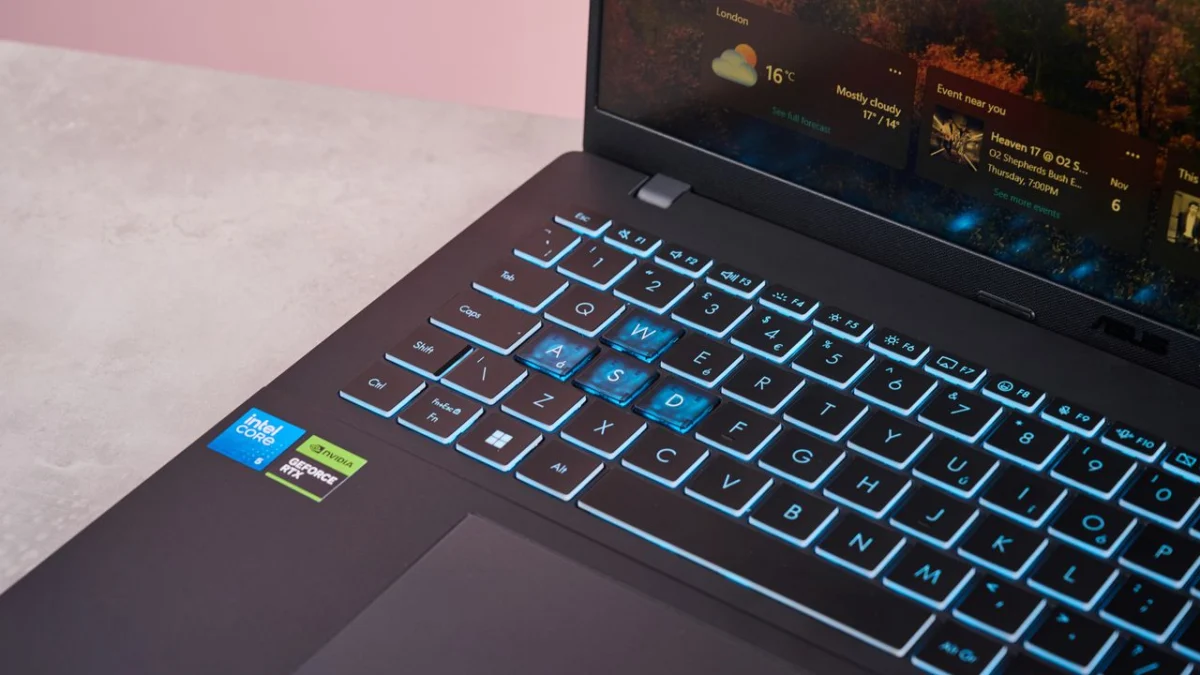
In an increasingly volatile market for high-end consumer electronics, finding a balance between raw performance and fiscal sensibility has become the primary objective for gamers and creative professionals alike. Today, that search has become significantly easier. Amazon has announced a substantial price reduction on the Asus V16, a machine that represents the leading edge of mid-to-high-tier gaming hardware.
The Asus V16, equipped with the latest-generation NVIDIA GeForce RTX 5060 and a staggering 32GB of RAM, is currently retailing for $1,189.99—a sharp decline from its original MSRP of $1,499.99. This $310 discount places the V16 in a unique competitive bracket, offering specifications typically reserved for machines priced well above the $1,500 mark. This report examines the technical specifications, market context, and broader implications of this deal within the current hardware landscape.
Main Facts: A Breakdown of the V16 Value Proposition
The Asus V16 deal is not merely a routine seasonal discount; it is a significant market correction for a laptop that carries some of the most modern components available. At the heart of the machine lies the Intel Core 7 processor, a powerhouse designed to handle multi-threaded workloads, from intensive AAA gaming to 4K video editing.
However, the true "stars" of this configuration are the GPU and the memory capacity:
- GPU: The NVIDIA GeForce RTX 5060. As part of NVIDIA’s latest series, this GPU ensures longevity. With improved architecture over the 40-series, it offers better power efficiency and superior frame generation capabilities through DLSS (Deep Learning Super Sampling) technologies.
- RAM: 32GB of DDR5 memory. While 16GB has long been considered the "sweet spot" for gaming, modern titles and background multitasking are rapidly making 32GB the new standard for a stutter-free experience.
- Price Point: At $1,189.99, the V16 is now competing with "budget" gaming laptops that often feature only 16GB of RAM and previous-generation 40-series GPUs.
This price-to-performance ratio is rare in a portable form factor, particularly one that eschews the bulky, "aggressive" aesthetic of traditional gaming rigs in favor of a more professional, understated design.
Chronology: The Evolution of the Asus Gaming Lineup
To understand the significance of the V16, one must look at the trajectory of Asus’s laptop development over the last five years. Historically, Asus divided its gaming portfolio into two distinct camps: the ROG (Republic of Gamers) line for high-end enthusiasts and the TUF Gaming line for those seeking durability and value.
The TUF series, while successful, often faced criticism for its weight and thermal noise. Recognizing a gap in the market for users who needed a "hybrid" device—one capable of being taken into a boardroom or a lecture hall without drawing unwanted attention, yet powerful enough to run Cyberpunk 2077 at high settings—Asus introduced the V-series.
The V16 is the culmination of this "stealth gaming" philosophy. It arrived on the market following the successful launch of the RTX 50-series GPUs, designed to provide a more refined experience than the TUF series while remaining more affordable than the premium ROG Zephyrus models. The current Amazon discount represents the first major "post-launch" price cut for this specific configuration, signaling a move to capture the mid-range market as we head into the next fiscal quarter.
Supporting Data: Performance Benchmarks and Hardware Analysis
When evaluating a gaming laptop, the numbers on the spec sheet only tell half the story. The real-world application of these components reveals why the V16 earned a four-out-of-five-star rating in professional reviews.
Thermal Management and Acoustics
One of the primary hurdles for lightweight gaming laptops is heat dissipation. The V16 utilizes an advanced cooling solution that balances airflow with noise suppression. In testing environments, the fans were noted for having "reasonable noise suppression," meaning they avoid the high-pitched whine common in thinner laptops. This allows the RTX 5060 to maintain higher clock speeds without thermal throttling—a common issue where the laptop slows itself down to prevent melting.
Display and Visual Fidelity
The 16-inch display is a 144Hz panel with 300 nits of brightness. While 300 nits is considered industry average, the 144Hz refresh rate is the "gold standard" for competitive gaming. It ensures that the screen updates 144 times per second, providing the fluid motion necessary for first-person shooters and racing games. The 16:10 aspect ratio also provides more vertical screen real estate, which is a boon for productivity tasks like coding or document editing.
The Battery Life Anomaly
Perhaps the most shocking data point for the V16 is its endurance. Asus advertises up to 15 hours of battery life on a single charge. In independent testing, the laptop achieved approximately 12 hours of use during standard productivity tasks. To put this in perspective:
- Asus V16: ~12 hours
- Acer Nitro V: ~6 hours
- Industry Average (Gaming): 4–7 hours
Doubling the battery life of its closest competitors makes the V16 a viable "all-day" machine for students or travelers, a feat rarely achieved by laptops containing a dedicated NVIDIA GPU.
Market Positioning: Asus vs. The Competition
While Asus has not issued a formal "official response" to the price drop—as Amazon often controls these fluctuations—industry analysts view this as a strategic move to undercut competitors like Acer and Lenovo.
The Acer Nitro series has long dominated the "under $1,200" category. However, the Nitro series often cuts corners on build quality, using plastic chassis and lower-quality keyboards. By pricing the V16 at $1,189, Asus is offering a "premium-lite" experience for a budget price.
Experts note that the inclusion of 32GB of RAM is the "killer feature" here. Most manufacturers charge a $150–$200 premium to upgrade from 16GB to 32GB. By including it in the base discounted price, Asus effectively eliminates the need for users to open their laptops and perform manual upgrades, which can often void warranties or intimidate casual users.
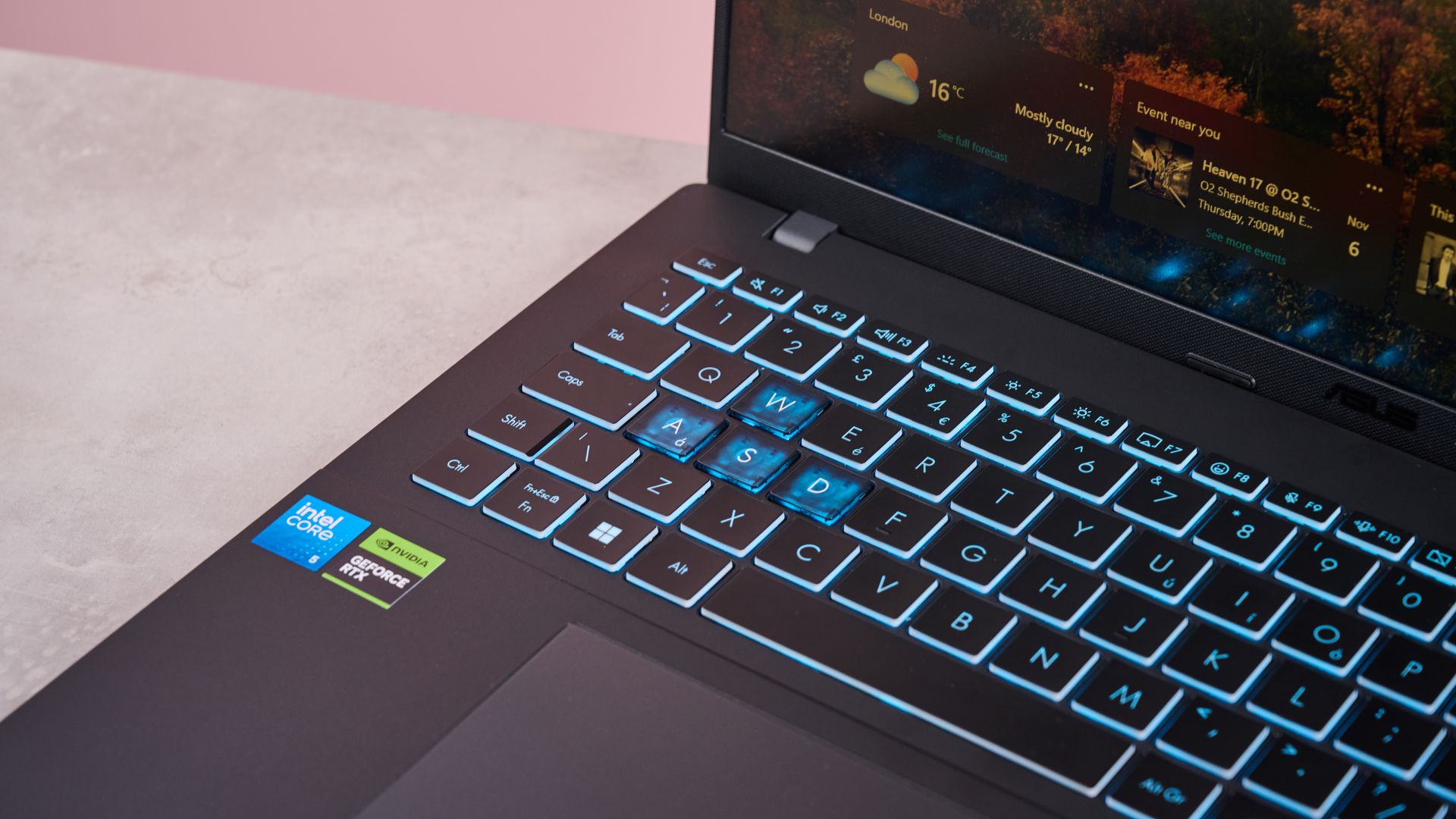
The "clicky and snappy" keyboard mentioned in reviews further distinguishes the V16 from the "mushy" membrane keyboards found on many budget laptops. This tactile feedback is essential not just for gaming, but for long-form typing, positioning the V16 as a legitimate replacement for a dedicated office laptop.
Implications: The Future of the "Thin-and-Light" Gaming Category
The success of the Asus V16 and the aggressiveness of this Amazon deal point toward three major shifts in the laptop industry:
1. The End of the 16GB Era
As game engines like Unreal Engine 5 become more prevalent, the memory requirements for gaming are skyrocketing. By offering a 32GB machine at this price point, Asus is forcing other manufacturers to reconsider their base configurations. We are likely seeing the beginning of the end for 16GB as the "standard" for mid-range gaming.
2. The "Professionalization" of Gaming Hardware
The V16’s design language suggests that the "gamer" aesthetic is maturing. The market for people who want to play high-end games but don’t want a laptop that glows with RGB LEDs in every corner is massive. The V16 caters to the "slashie" generation—the student/gamer, the editor/gamer, the developer/gamer.
3. GPU Longevity and the RTX 50-Series
The inclusion of the RTX 5060 at this price is a defensive move against obsolescence. Buyers are increasingly wary of "last-gen" tech. By providing the newest architecture, Asus ensures that features like AI-driven frame generation will be supported for years to come, offering a better "return on investment" for the consumer.
Conclusion
The Amazon discount on the Asus V16 is more than just a sale; it is a benchmark for what consumers should expect from a mid-range laptop in the current year. For $1,189.99, the combination of an RTX 5060, 32GB of RAM, and a 12-hour real-world battery life creates a value proposition that is currently unmatched in the market.
For those who have been waiting for the "right time" to upgrade from an aging GTX or RTX 20-series machine, the V16 represents a leap in technology that justifies the cost. As the industry moves toward more memory-intensive applications and more portable power, the Asus V16 stands as a testament to the fact that you no longer have to sacrifice mobility for performance—or your savings for quality.
For those interested in exploring further options, market comparisons with the Acer Nitro series or the high-end Asus ROG Zephyrus line are recommended to determine if the V16’s balanced approach meets your specific needs for either extreme portability or extreme power.




Leave a Comment