
Utu-Shamash: The Enduring Light of Mesopotamian Justice and the Sun
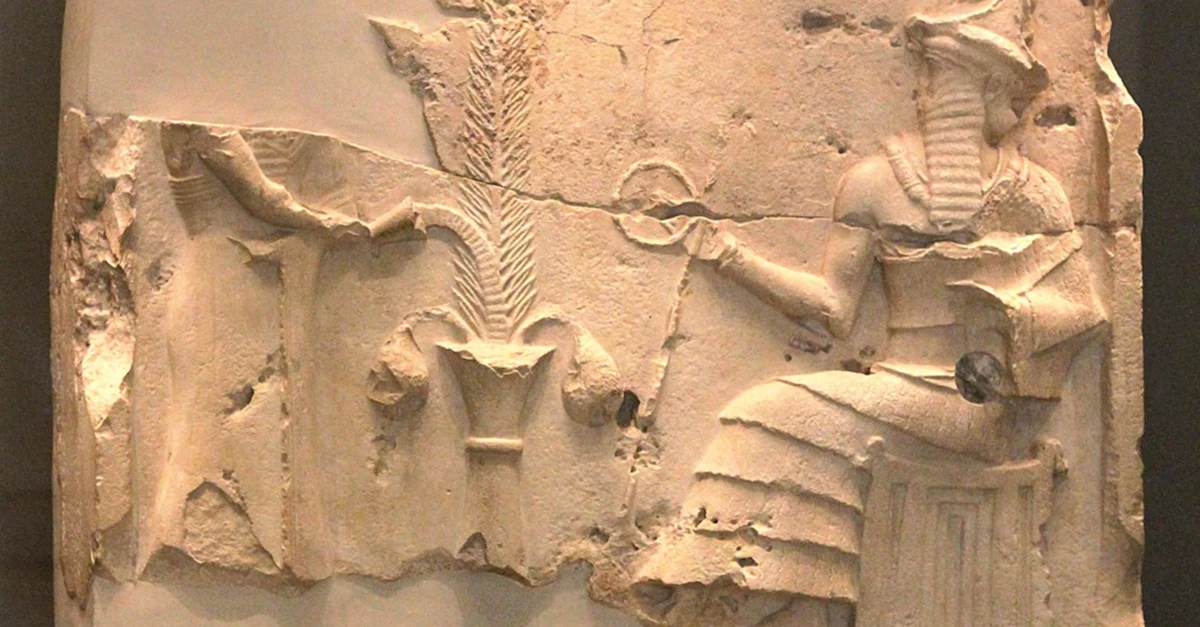
In the sprawling tapestry of ancient Mesopotamian mythology, few deities shone as brightly and consistently as Utu-Shamash. Revered across Sumerian and Akkadian civilizations for millennia, this potent divinity embodied the very essence of the sun and the unwavering principles of divine justice. From his daily celestial chariot ride to his solemn judgments in the underworld, Utu-Shamash was a constant, omniscient presence, shaping both the cosmic order and the moral fabric of humanity.
Known to the Sumerians as Utu and to the Akkadians as Shamash (or Samas), this pivotal god held sway over the radiant sun, its life-giving warmth, and its piercing light, which was believed to illuminate even the darkest corners of human deceit. His lineage varied slightly between traditions: in Sumer, he was the son of the moon god Nanna and the fertility goddess Ningal, while Akkadians often cited Anu or Enlil as his father. Regardless of parentage, his central role remained undisputed. He was the twin brother to the multifaceted Inanna (goddess of war, love, and sexuality), and brother to Ereshkigal (Queen of the Dead) and Ishkur (the storm god). Attested in the earliest Sumerian writings around 3500 BCE, Utu-Shamash’s veneration endured for over three millennia, cementing his status as one of the most vital figures in the vast Mesopotamian pantheon.
The Enduring Luminary: A Chronological Journey of Divine Influence
The worship of Utu-Shamash offers a fascinating chronological insight into the religious evolution of Mesopotamia, demonstrating remarkable continuity alongside subtle adaptations over vast periods. His narrative arc spans the dawn of written history, reflecting changing cultural nuances while retaining his core identity.
From Sumerian Dawn to Akkadian Zenith
The earliest recorded references to Utu-Shamash emerge from the Sumerian civilization around 3500 BCE, a period witnessing the genesis of cuneiform writing. Initially, he was primarily known as Utu, his name synonymous with the sun itself. As Sumerian city-states flourished, so did the cult of Utu, establishing his presence as a fundamental force of nature and cosmic order. However, it was with the rise of the Akkadian Empire under Sargon (c. 2334-2279 BCE) that his identity began to solidify across a broader cultural landscape, becoming widely known as Shamash. This linguistic shift from Sumerian to Akkadian reflects the broader political and cultural integration of the region, yet the deity’s essential attributes remained steadfast.
The divergence in his mythological parentage — Nanna and Ningal in Sumerian tradition versus Anu or Enlil in Akkadian — illustrates a common syncretic process in ancient religions. As cultures interacted and empires expanded, divine genealogies were often reinterpreted to fit new theological frameworks or to align with the dominant pantheon of the ruling power. Despite these variations, Utu-Shamash consistently maintained his esteemed position, a testament to the universal significance of the sun and the immutable concept of justice he embodied. His worship persisted robustly through the Old Babylonian period (c. 1894-1595 BCE) and into the Neo-Assyrian Empire (c. 912-612 BCE), with literary hymns addressed to him dating back to circa 2600 BCE and his name referenced regularly until the abandonment of cuneiform around 100 BCE – a remarkable span of well over three thousand years. This longevity underscores his deep integration into the daily lives, legal systems, and spiritual beliefs of countless generations.
Iconography and Sacred Spaces
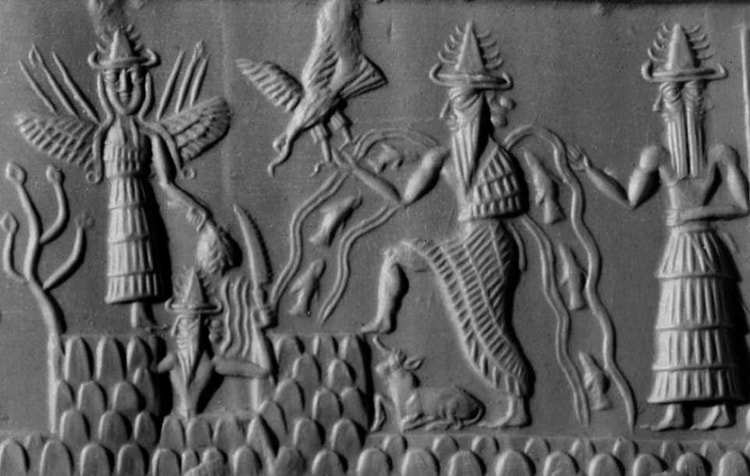
The visual representation of Utu-Shamash evolved over time, reflecting artistic and theological developments, yet always retaining core solar elements. He was typically depicted as an old man with a majestic, long beard, from whose shoulders emanated brilliant rays of light – a direct visual metaphor for the sun’s illuminating power. In simpler, more abstract forms, he was represented by the solar disc, a potent symbol of his celestial domain. During the Neo-Assyrian period, his iconography became even more elaborate, often featuring a disc with wings, perhaps symbolizing his swift journey across the heavens and his omnipresent gaze.
His most iconic symbol, however, was the solar disc itself: a circle from which four points protruded towards the cardinal directions, interspersed with four wavy lines emanating diagonally outwards. This intricate design eloquently conveyed the sun’s multifaceted power – its light, warmth, far-reaching influence, and the cosmic order it represented.
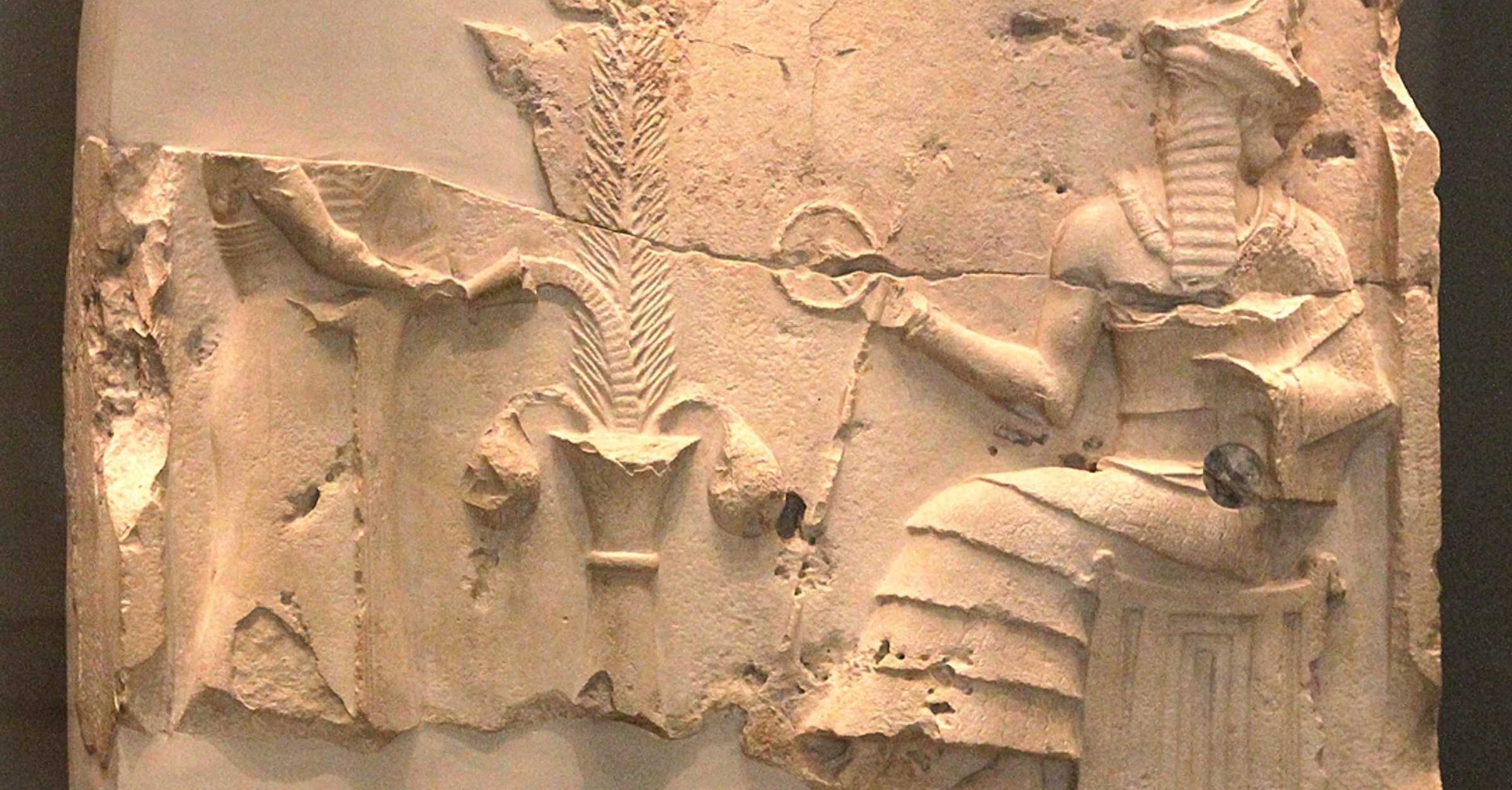
The geographical spread of his cult centers further highlights his widespread veneration. In Sumer, the cities of Larsa and Eridu served as primary hubs for his worship. Larsa, in particular, was famed for its grand temple dedicated to Utu. To the north, in Akkad, the city of Sippar rose as a prominent center of Shamash worship, housing another significant temple. These temples, known universally as E-babbar ("White House" or "Shining House"), were not merely places of worship but central institutions within their respective cities, acting as economic, administrative, and cultural focal points. The name Babbar itself became an epithet for the god, signifying "the illuminating one," directly linking his divine essence to the light he bestowed upon the world. These sacred spaces were testaments to the profound reverence for Utu-Shamash, serving as daily reminders of his omnipresence and the divine order he upheld.
Pillars of Justice and Light: Supporting Data on a Multifaceted Deity
Utu-Shamash was more than just a celestial body; he was a dynamic force in the lives of both gods and mortals, embodying principles that resonated deeply within Mesopotamian society. His roles as an impartial judge, a cosmic bridge, and a divine patron are richly documented in ancient texts and artifacts.
The All-Seeing Judge
At the heart of Utu-Shamash’s divinity lay his unparalleled role as the arbiter of justice. The logic was simple yet profound: as the sun traversed the vast expanse of the sky each day, its brilliant light touched every corner of the earth, leaving no act, no secret, no injustice unobserved. This omnipresent gaze made him the ultimate witness and, by extension, the supreme judge. Scholar Jeremy Black elucidates this, noting that Utu-Shamash "represents the brilliant light of the sun which returns every day to illuminate the life of mankind, as well as giving beneficial warmth which causes plants to grow." This connection between light, life, and justice established a foundational belief system where truth would always be exposed, and righteousness would ultimately prevail under the sun’s watchful eye.
The pervasive reach of the sun’s light was thought to penetrate all layers of existence, from the surface world to the deepest recesses of the underworld, and even into the hidden motives of the human heart. There was, quite literally, nothing that Utu-Shamash did not see or know. E. A. Wallis Budge further describes his benevolent yet powerful nature: "In primitive times he was supposed to stride over the heavens on foot but in later times to do so in a fiery chariot which was drawn by animals driven by one Bunene. He was regarded as a gracious god for he helped all who were in trouble, gave life to the dead, and set free him that was in bonds. Possessing the power to see everywhere, he knew all things, and judged men rightly." Bunene, often depicted as his son and a minor deity in his own right, was also worshipped as a god of justice in cities like Sippar, Uruk, and Ashur, reinforcing the familial commitment to this core divine attribute.
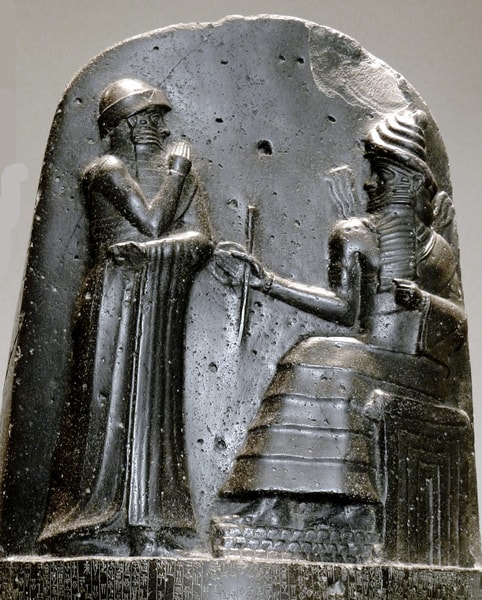
This profound association with justice made Utu-Shamash the natural patron of legal systems. The most famous testament to this is the iconic Code of Hammurabi (reign 1792-1750 BCE). The prologue and epilogue of this groundbreaking legal document explicitly invoke Shamash, claiming that it was he who provided humanity with law and justice. This invocation was not merely ceremonial; it bestowed an unparalleled divine legitimacy upon the laws, implying that their transgression was not just a crime against the state but an affront to the gods themselves. Hammurabi, a shrewd and pragmatic ruler, understood the immense weight that divine sanction from an omnipresent, impartial deity like Shamash would lend to his legal code, solidifying its authority and ensuring its adherence across his vast empire. While other powerful deities like Marduk (patron god of Babylon) or Enki (god of wisdom) were available, Shamash’s undeniable daily presence and his inherent connection to truth made him the unequivocally clear and most potent choice.
Celestial Journey and the Underworld
The daily journey of Utu-Shamash was a central cosmological narrative, intricately woven into the fabric of Mesopotamian belief. Each morning, from the eastern doors of heaven, flung wide by two lesser deities, Utu-Shamash emerged. He would then step into his fiery chariot, drawn by magnificent animals, and embark on his majestic ride across the sky, bringing light and warmth to the world. As evening approached, he would reach the western gates, where two other gods would open them for his descent into the underworld. There, in the dim realm of the dead, he would rest until dawn, awakened by his wife, Serida/Aya, to begin his journey anew.
This daily descent into the netherworld introduced a fascinating dimension to Mesopotamian eschatology. While the prevailing view of the Mesopotamian underworld was typically one of a bleak, undifferentiated realm where all souls, king and beggar alike, existed as dim reflections, eating dust and drinking muddy puddles, the Sumerian tradition introduced a nuanced variation. In some eras, it was believed that Utu-Shamash descended at dusk specifically to judge the dead. This concept suggested that the deceased were not all treated uniformly; there was a divine assessment that, to some extent, influenced their afterlife. Samuel Noah Kramer notes, "The deceased were not treated all alike; there was a judgment of the dead by the sun god, Utu, and to a certain extent by the moon-god Nanna, and if the judgment was favorable the dead man’s soul would presumably live in happiness and contentment and have all it desired."
However, Kramer also tempers this optimistic view: "However, the indications are that the Sumerians had but little trust in hopes of a blissful life in the nether world even for the good and deserving. By and large the Sumerians were convinced that life in the nether world was but a dismal, wretched, reflection of life on earth." Despite the generally somber outlook on the afterlife, the belief that the sun god could penetrate and illuminate even the darkest places offered a glimmer of hope. It was conceived that Utu-Shamash might reach into the netherworld and touch the souls of the departed, providing a form of divine recognition or even comfort. In this capacity, much like his father Nanna, Utu-Shamash served as a crucial bridge between the living and the dead, a divine intermediary connecting the earthly realm with the mysterious beyond. This belief underpinned the continuing practice of bringing food, water, and other offerings to the dead, acknowledging their continued existence and the sun god’s potential influence on their post-mortal state.
Divine Relationships and Mortal Affairs
Utu-Shamash’s position within the Mesopotamian pantheon was reinforced by his extensive divine family. As the son of Nanna, the moon god, he was often listed in a secondary position, reflecting the older reverence for the nocturnal luminary. However, this hierarchical placement never diminished his immense importance. His twin sister, Inanna, the goddess of love, war, and sexuality, was a powerful and dynamic deity in her own right, and their sibling relationship often featured in myths, highlighting both cooperation and occasional conflict. His other siblings, Ereshkigal, the formidable Queen of the Dead, and Ishkur, the tempestuous god of storms, further contextualized his role within a complex divine network, where each deity held a distinct and crucial domain.
Crucially, Utu-Shamash was married to Serida, known in Akkadian as Aya, the goddess of the dawn. Aya was not merely a consort but an important deity in her own right, embodying the gentle light that precedes the full glory of the sun. By the Old Babylonian period, Aya became the patroness of the naditu, a unique class of cloistered women who had dedicated their lives to the divine. Similar in some respects to certain orders of Catholic nuns in later traditions, the naditu lived within cloistered compounds, often attached to the temples of Utu-Shamash. While their living quarters were physically linked to his temples, their primary worship and service were directed towards his wife, Serida/Aya. These women, often from prominent families, played significant roles in the economic and religious life of their cities, managing estates and engaging in business, all while maintaining their sacred vows. Their association with Aya underscored the benevolent and nurturing aspects of the divine couple, extending their influence into the very fabric of human society.
Official Responses: Invoking the Divine Authority
The invocation of Utu-Shamash by earthly rulers represents a powerful "official response" to his perceived authority, particularly in matters of law and order. Kings and emperors sought to legitimize their rule and decrees by aligning themselves with such a universally respected and powerful deity.
The most prominent example, as previously discussed, is the Code of Hammurabi. By proclaiming that Shamash himself had bestowed these laws upon him, Hammurabi elevated his legal system beyond mere human decree. This divine mandate transformed the laws into sacred edicts, making their violation an act of impiety. This strategic invocation served not only to instill fear of divine retribution but also to foster a sense of moral obligation and justice among the populace. The imagery of Hammurabi receiving the laws from Shamash, famously depicted on the stele bearing the code, was a powerful piece of propaganda, reinforcing the king’s legitimacy and the divine origin of justice.
Beyond legal codes, kings frequently linked their lineage and rule to divine favor. The Sumerian King List, an ancient text chronicling the rulers of Sumer, notably describes certain early legendary kings of Uruk as "sons of Utu." This divine parentage or protection was a common rhetorical tool used by ancient monarchs to buttress their authority, suggesting a special relationship with the gods that validated their right to rule. Shamash also appeared as a special protector of heroic kings, such as Gilgamesh in The Epic of Gilgamesh and Dumuzi in Dumuzi’s Dream, further solidifying his image as a divine patron for leaders and the righteous.
Furthermore, state-sponsored rituals and prayers were routinely dedicated to Utu-Shamash. These public acts of worship, often led by priests and sometimes by the king himself, served to reinforce the state’s devotion to divine justice and order. They were appeals for his continued blessing, for prosperity, and for the maintenance of cosmic balance, all under the watchful eye of the sun god. These "official responses" demonstrate how deeply integrated Utu-Shamash was into the political and social machinery of ancient Mesopotamia, acting as a supreme guarantor of both earthly and divine order.
Implications: A Legacy of Light and Law
The profound impact of Utu-Shamash reverberated throughout Mesopotamian civilization and left an indelible mark on subsequent cultural and religious developments. His mythology, attributes, and enduring presence offer significant insights into the human quest for justice, order, and meaning.
Enduring Mythological Narratives
The myths featuring Utu-Shamash consistently underscore his fundamental characteristics: kindness, generosity, and an unwavering commitment to justice, though sometimes tempered by his cosmic duties. In the Myth of Etana, a tale predating Sargon of Akkad, Etana petitions Shamash for aid in conceiving a child. Simultaneously, an eagle and a serpent seek his intervention in their dispute. Shamash, with his characteristic fairness, attends to each request justly and carefully, demonstrating his role as a universal problem-solver and arbiter. Similarly, in The Epic of Gilgamesh, he aids the hero in his perilous quest to conquer the monstrous Humbaba in the Cedar Forest, showcasing his protective aspect towards those who embody a righteous cause.
However, Utu-Shamash was not always immediately accommodating, revealing a nuanced divine personality. In the story of Inanna and the Huluppu-Tree, when Inanna seeks his help to rid her sacred tree of unwelcome inhabitants (a snake, a bird, and a demon), he declines, citing his daily celestial duties. This refusal highlights that even divine benevolence had its limits when faced with the unalterable cosmic order. Inanna eventually turns to Gilgamesh for aid, who successfully clears the tree. This particular myth, recounted in Gilgamesh, Enkidu, and the Netherworld, further suggests that the items crafted from the tree were later misused by Gilgamesh for war, leading to their descent into the netherworld and setting the stage for Enkidu’s fateful journey. Here, Utu-Shamash’s eventual intervention to part the veil between worlds for the two friends demonstrates his underlying compassion and his capacity to bridge realms, even if not always on demand.
Jeremy Black encapsulates this central aspect of Utu-Shamash’s personality: "A third aspect of Utu was his direct interest in the affairs of mankind. one of the early legendary kings of Uruk is described as a ‘son of Utu’… and Utu acted as a special protector of some of the later heroic kigs of the city, for instance Gilgamesh." This direct involvement in human affairs, from kingly protection to individual petitions, established him as a relatable yet awe-inspiring figure. His consistent portrayal as a benefactor and protector, especially for those on journeys or facing trials, led to his widespread veneration as the patron god of travelers and vagabonds. He was even considered a benefactor to the gods themselves, providing them with a home and maintaining the cosmic order that sustained all divine beings.
Lasting Influence and Philosophical Echoes
The attributes of Utu-Shamash – light, truth, justice, omniscience, and benevolence – left a profound and enduring legacy that resonated far beyond the collapse of Mesopotamian civilizations. The concept of a divine entity who sees all, judges fairly, and offers hope even in the darkest realms is a universal archetype. His daily return, bringing light and dispelling darkness, became a powerful metaphor for the triumph of good over evil, order over chaos.
The philosophical implications of Utu-Shamash’s eternal nature juxtaposed against human mortality, as articulated by Gilgamesh, were central to Mesopotamian thought. Gilgamesh laments, "Where is the man who can clamber to heaven? Only the gods live forever with glorious Shamash, but as for us men, our days are numbered, our occupations are a breath of wind." This poignant reflection on the ephemeral nature of human existence, set against the backdrop of Utu-Shamash’s unchanging celestial journey, instilled a sense of humility and an appreciation for the divine order.
While the specific name Utu-Shamash eventually faded from common use as new religious systems, notably Christianity, gained prominence, the core tenets he represented did not. The vision of a loving, all-seeing divine figure, a "light of the world" who embodies justice and offers salvation or judgment, found echoes in subsequent religious traditions. The Mesopotamian sun god, therefore, stands as a foundational figure in the history of human spirituality, a testament to humanity’s ancient and enduring quest for divine guidance, moral order, and the illuminating truth that only an omnipresent, celestial judge could provide. His legacy reminds us that the human need for justice, clarity, and a guiding light remains as constant and universal as the sun itself.


Leave a Comment