
The Ruff Talk Showcase: A Comprehensive Analysis of the VR Landscape’s Next Wave
The virtual reality (VR) industry continues to demonstrate a resilient and creative spirit, as evidenced by the latest Ruff Talk Showcase. This digital event, which has quickly become a pivotal platform for independent and mid-tier VR developers, unveiled a diverse slate of titles ranging from surreal game-show roguelites to high-octane fitness simulators.

In a strategic shift responding to community feedback, the showcase was organized into three distinct pillars: brand-new game reveals, significant content expansions for existing titles, and deep-dive gameplay trailers. This structure provides a roadmap for the Meta Quest, SteamVR, and PlayStation VR2 ecosystems for the remainder of 2024 and beyond.
I. Main Facts: The State of the Virtual Union
The showcase highlighted several overarching trends currently dominating the VR sector. First is the maturation of the Meta Quest ecosystem as the primary lead platform for many developers, followed closely by a secondary "hybrid" wave where titles are being ported to Steam with both VR and "flatscreen" (non-VR) support.
Second is the aggressive integration of Mixed Reality (MR). No longer treated as a niche gimmick, MR is being utilized to enhance horror experiences (bringing stalkers into the player’s actual living room) and utility-based games (miniature basketball on physical desks). Finally, the "Social Sandbox" genre—pioneered by titles like Gorilla Tag—continues to inspire new physics-based movement systems that prioritize tactile interaction over traditional joystick locomotion.
II. Chronology of Announcements: From Reveal to Launch
1. New Game Announcements: The Fresh Arrivals
The showcase opened with a series of world premieres from established VR studios, signaling a move toward more polished, high-concept experiences.
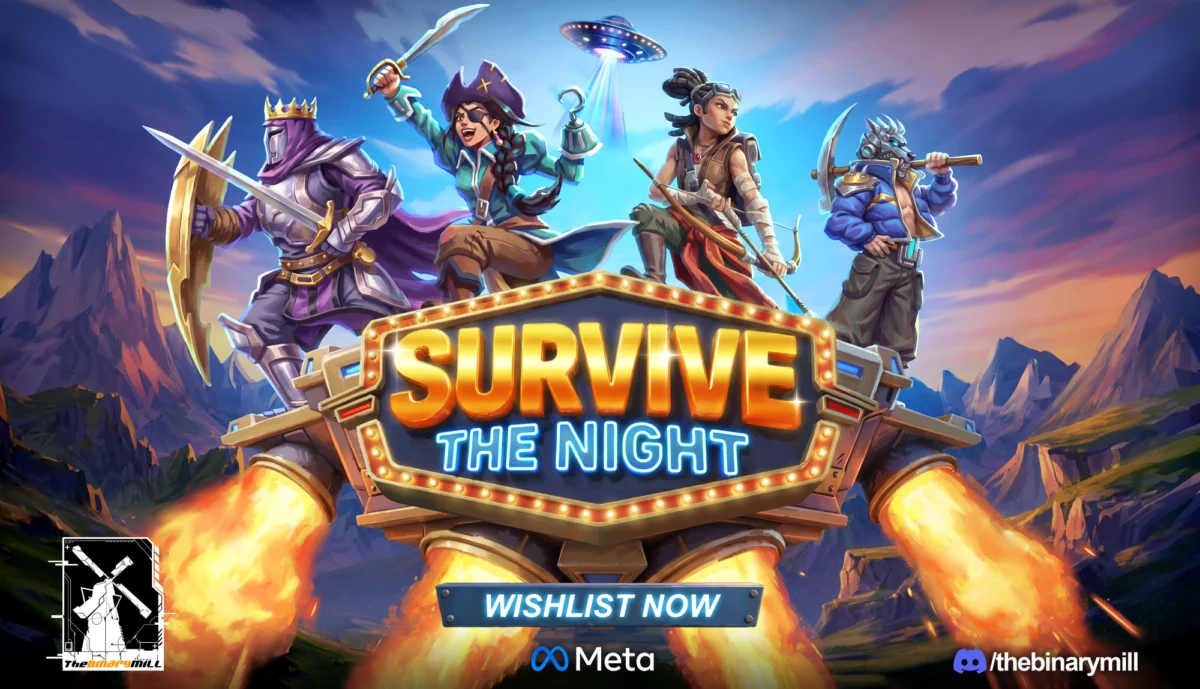
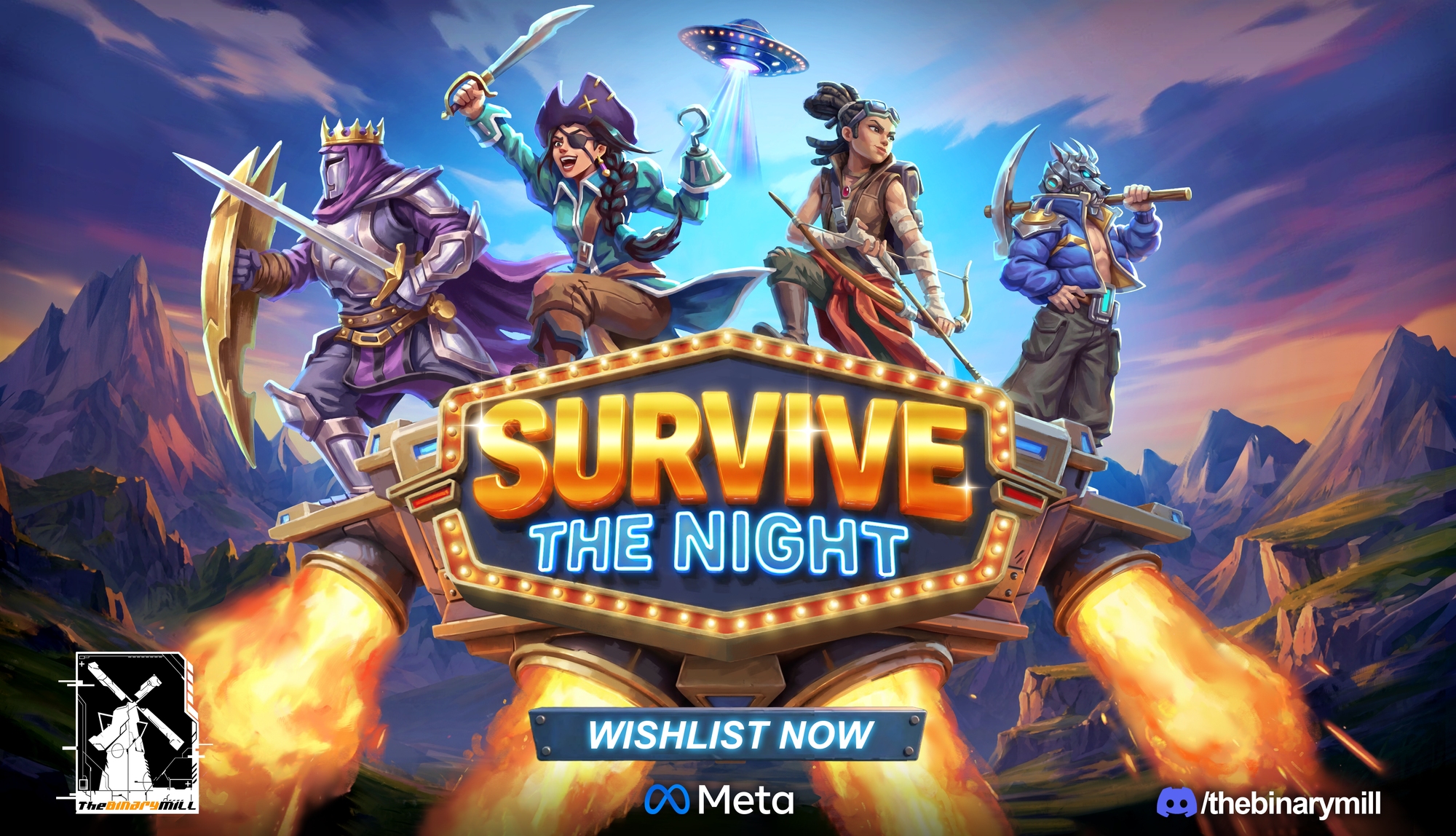
- Survive The Night (The Binary Mill): Perhaps the most high-profile reveal, this free-to-play co-op roguelite comes from the team behind Resist and Into Black. Set within a surreal, neon-soaked game show, players must survive waves of enemies and complete mini-game challenges. The Binary Mill has built a reputation for high production values, and Survive The Night appears to be their attempt to capture the live-service co-op market.
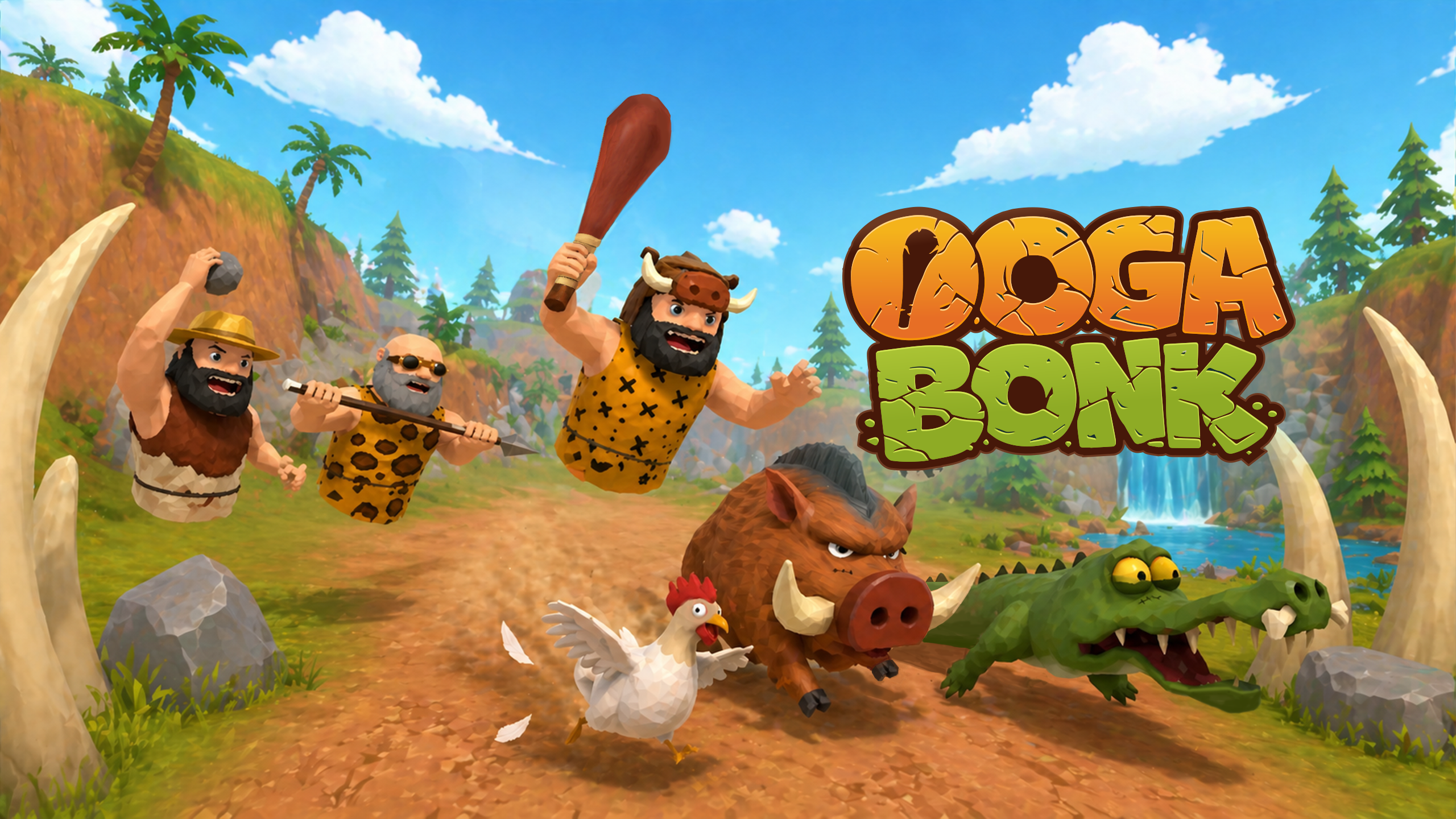
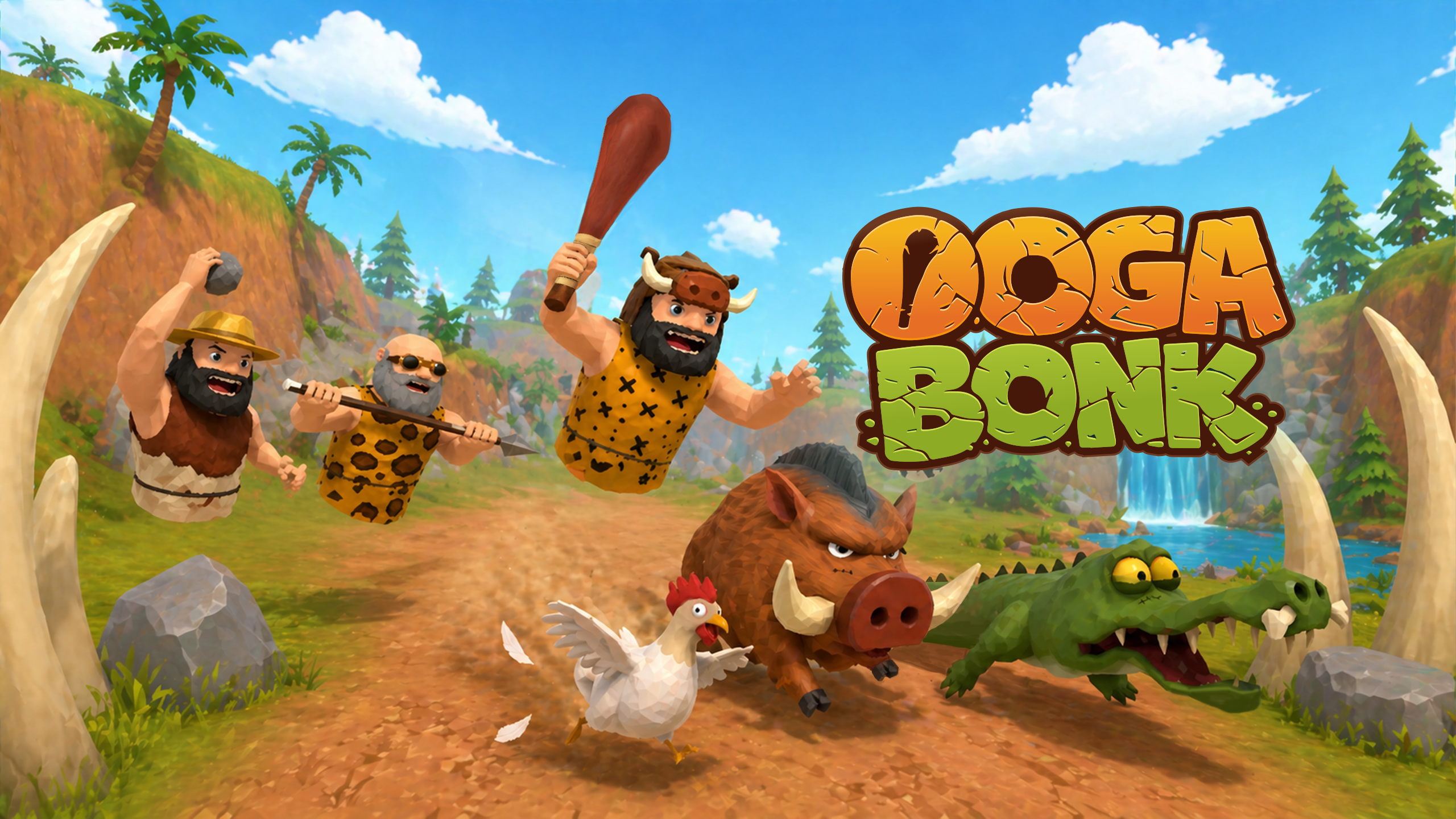
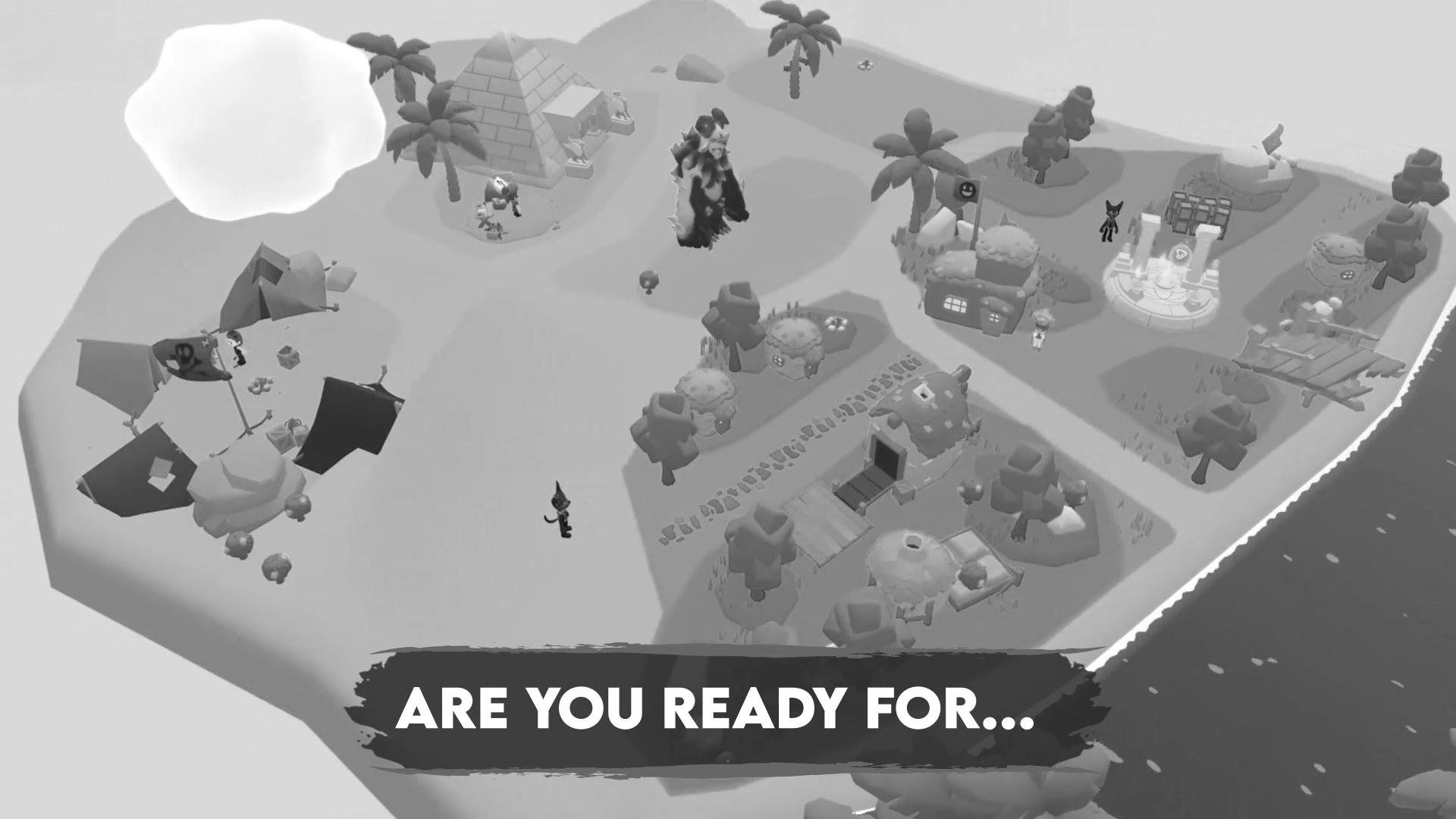
- OogaBonk (Flat Hill Games): Tapping into the "prehistoric chaos" trend, OogaBonk combines the arm-swinging movement popularized by Gorilla Tag with a structured social sandbox. Players can explore, collect items, and customize their own prehistoric bases.
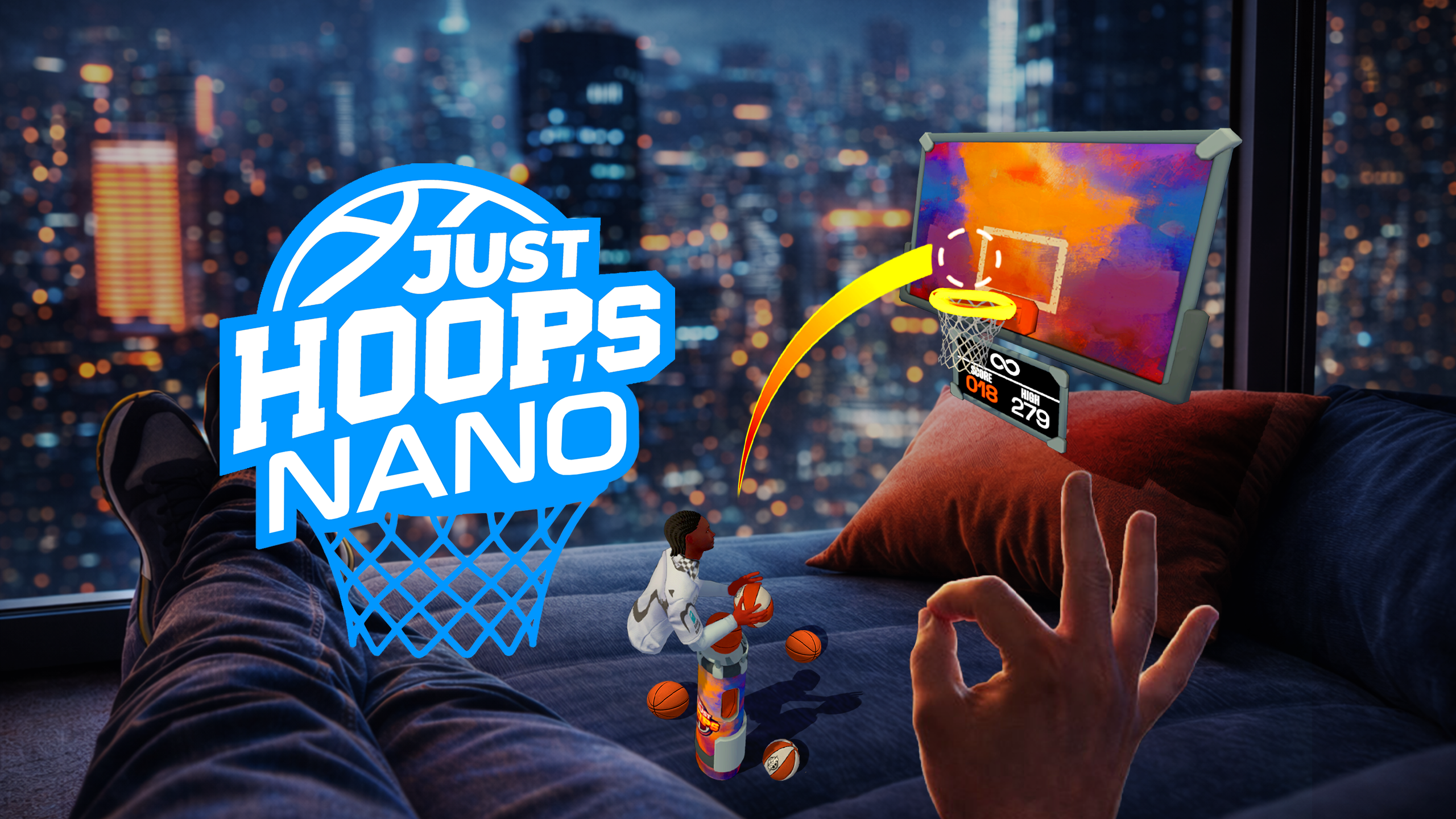
- Just Hoops Nano (Realcast): A spin-off of the successful Just Hoops, this title focuses entirely on Mixed Reality and hand-tracking. It is designed to be played in small spaces, turning a player’s real-world desk or table into a miniature basketball court.
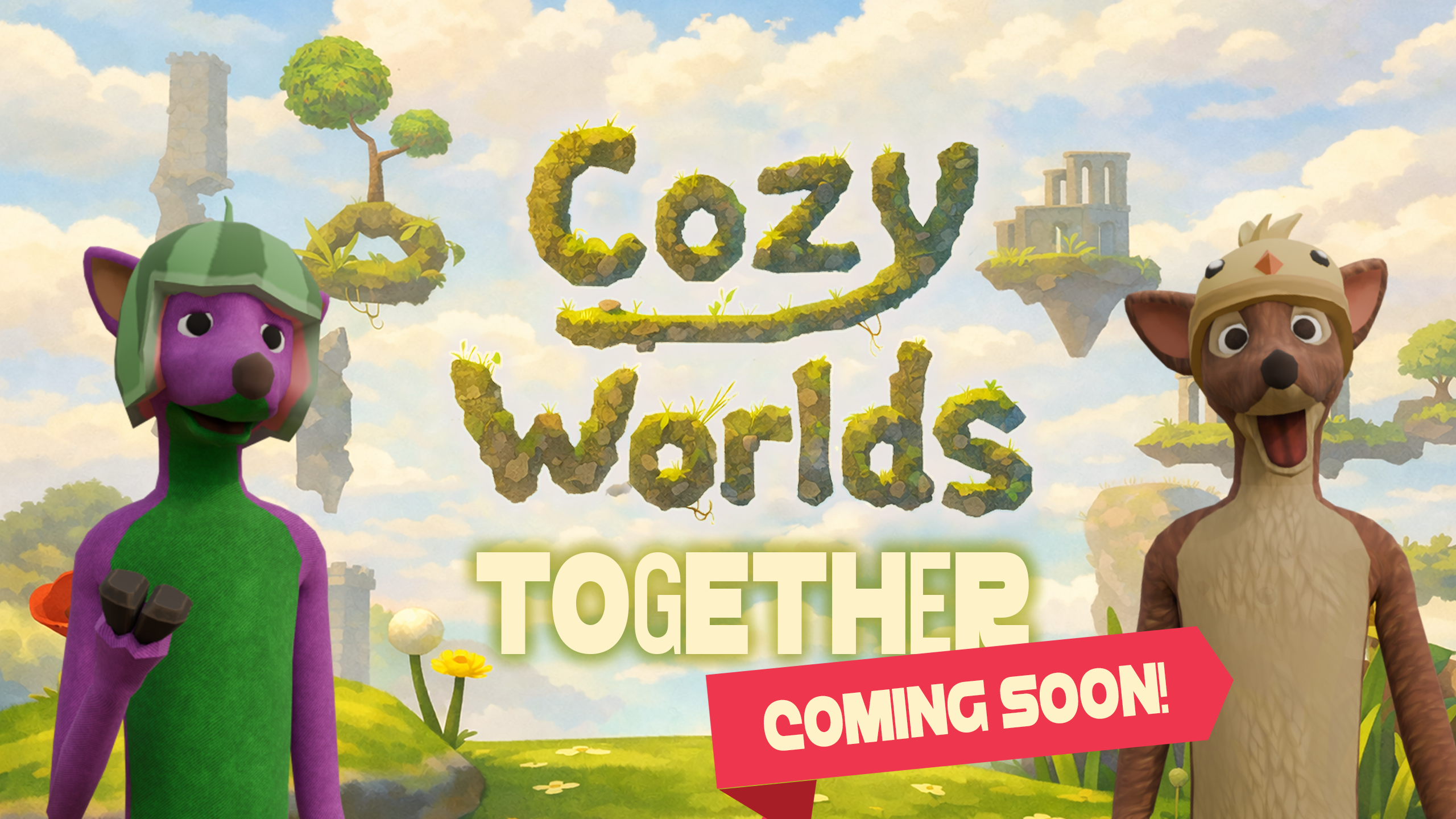
- Cozy Worlds Together (VRTogether): Slated for a June release, this is a free multiplayer companion app. It allows up to 12 players to congregate in custom-built environments, bridging the gap between creative building tools and social VR.
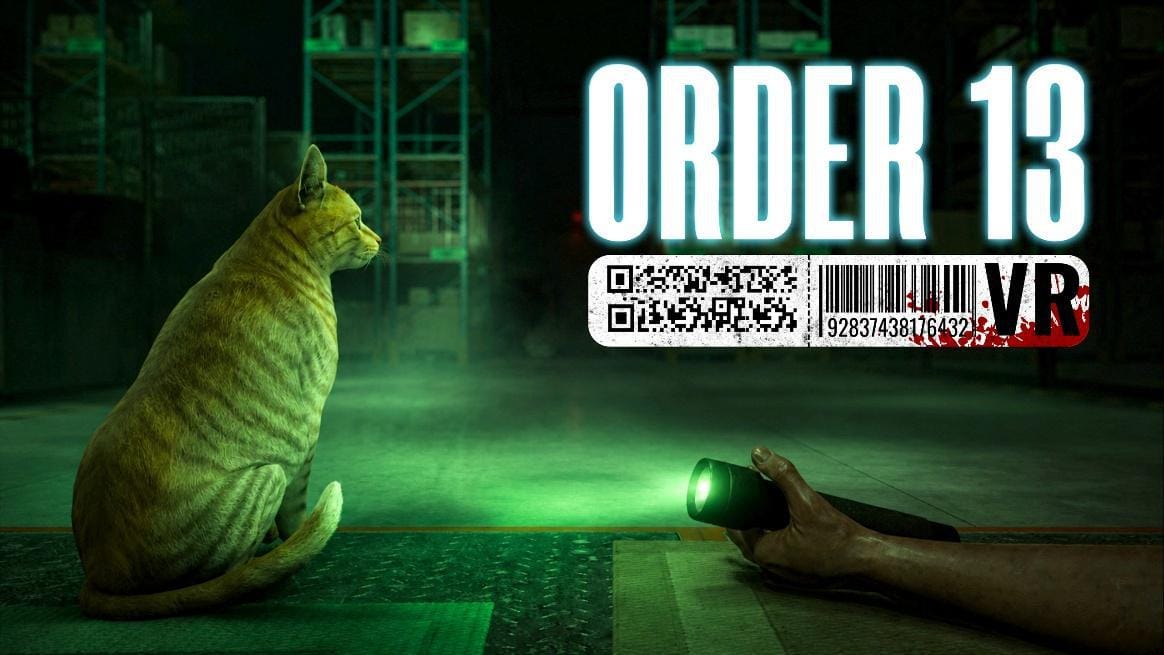
- Order 13 VR (Bowl of Tentacles): A psychological horror "warehouse simulator," this title challenges players to manage shipments while evading a lurking presence. It represents a VR adaptation of a creepy PC title, bringing the developer’s experience from Evil Inside VR to a more industrial setting.
2. Game Content Updates: Expanding the Universe
The showcase emphasized that for many VR developers, the initial launch is merely the beginning.
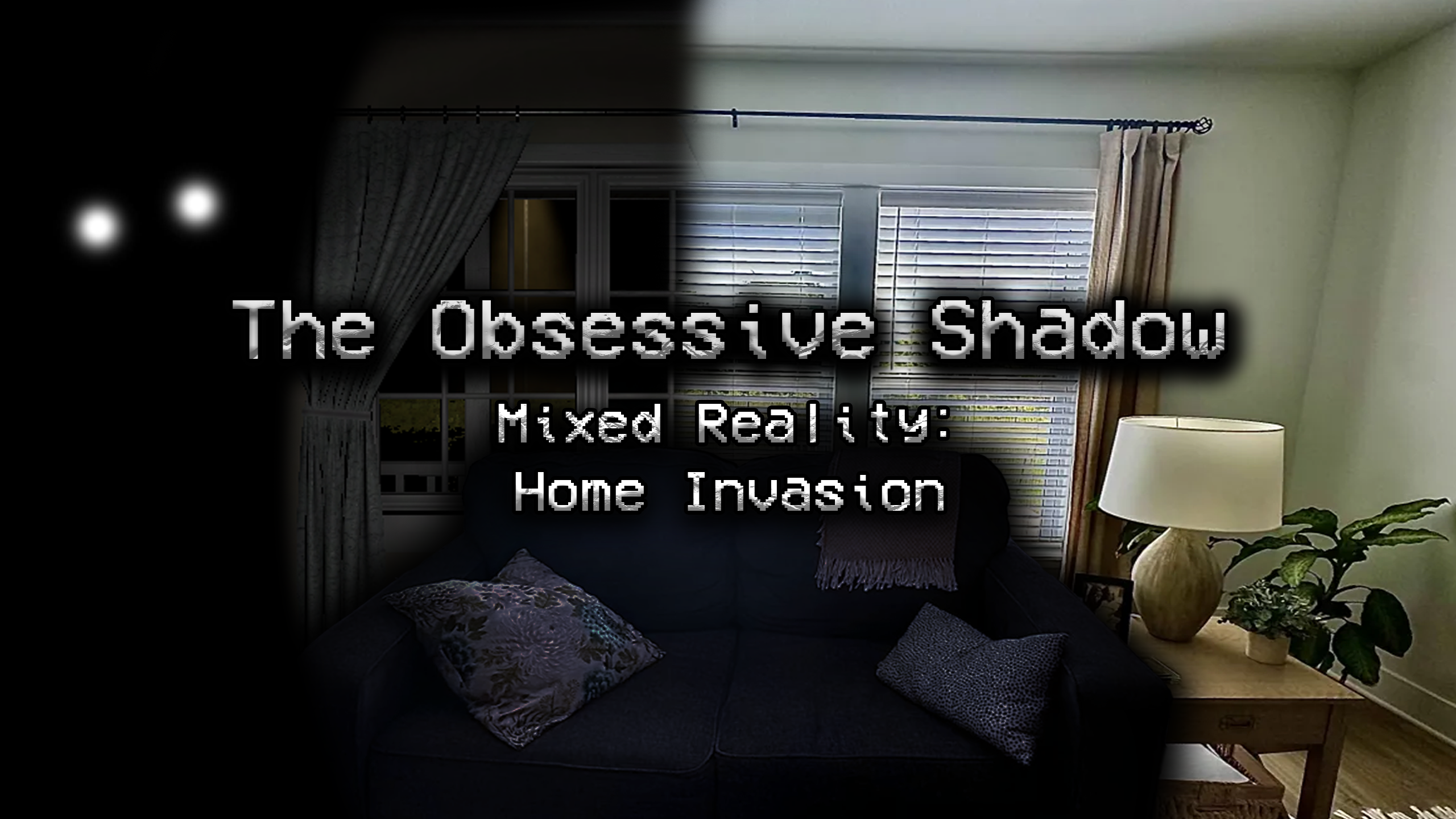
- Mixed Reality Integration: The Obsessive Shadow introduced an MR mode that maps the game’s "stalker" to the player’s actual home boundaries, a move that significantly heightens the psychological stakes of the survival horror genre.
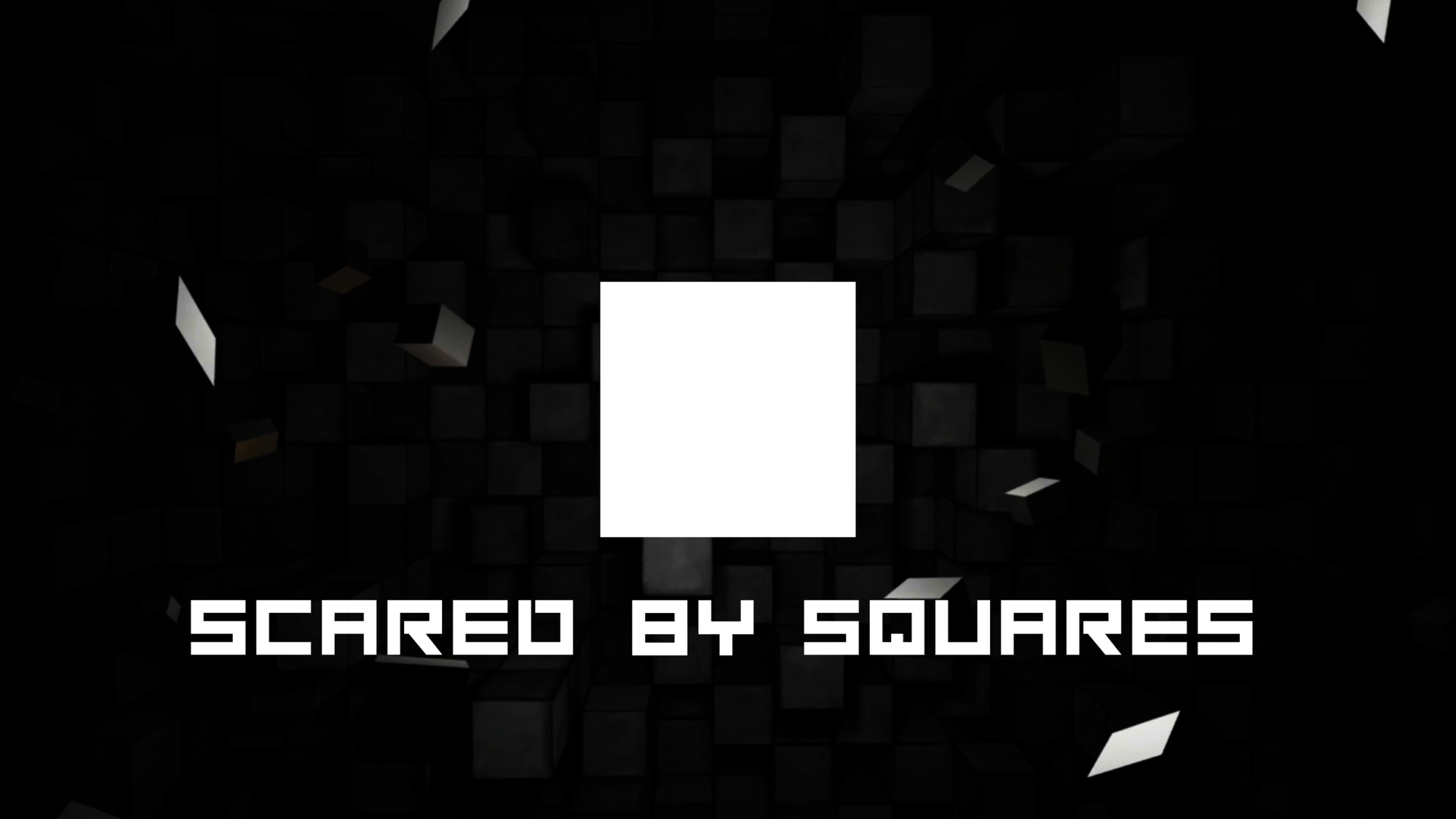
- Multiplayer Expansions: Scared By Squares, the surreal cube-based platformer, confirmed that its anticipated co-op mode is still in development for a 2024 release, following a delay from its original December 2025 target.
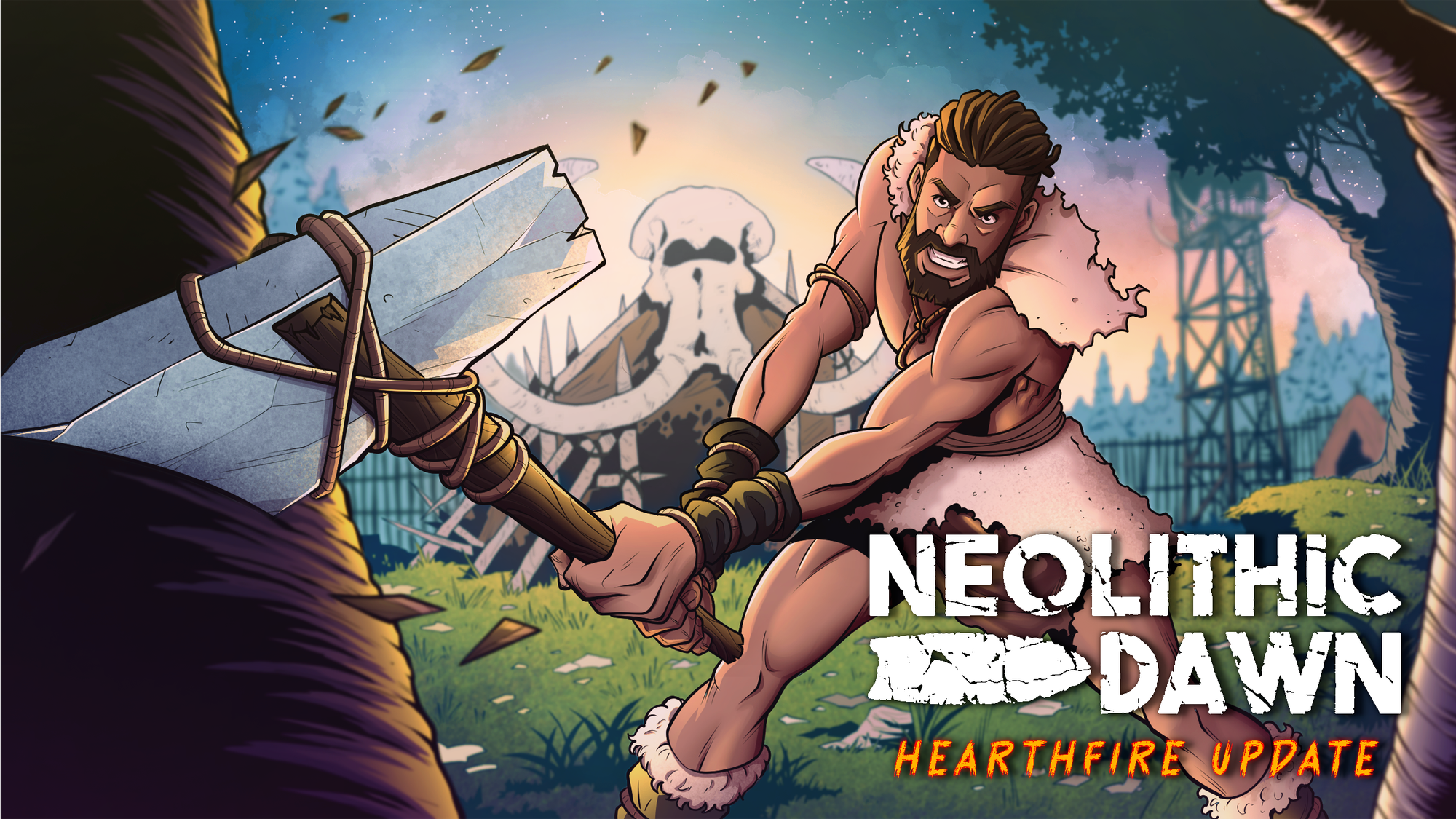
- Genre-Bending Updates: Clonk added "Clonkball," a mode described as a fusion of Rocket League and traditional shooters. Meanwhile, Neolithic Dawn announced its "Hearthfire" update for June, introducing complex base-building and environmental systems to its prehistoric survival world.
3. New Gameplay Trailers and Visual Deep Dives
The final segment of the showcase focused on titles nearing completion or undergoing significant visual overhauls.
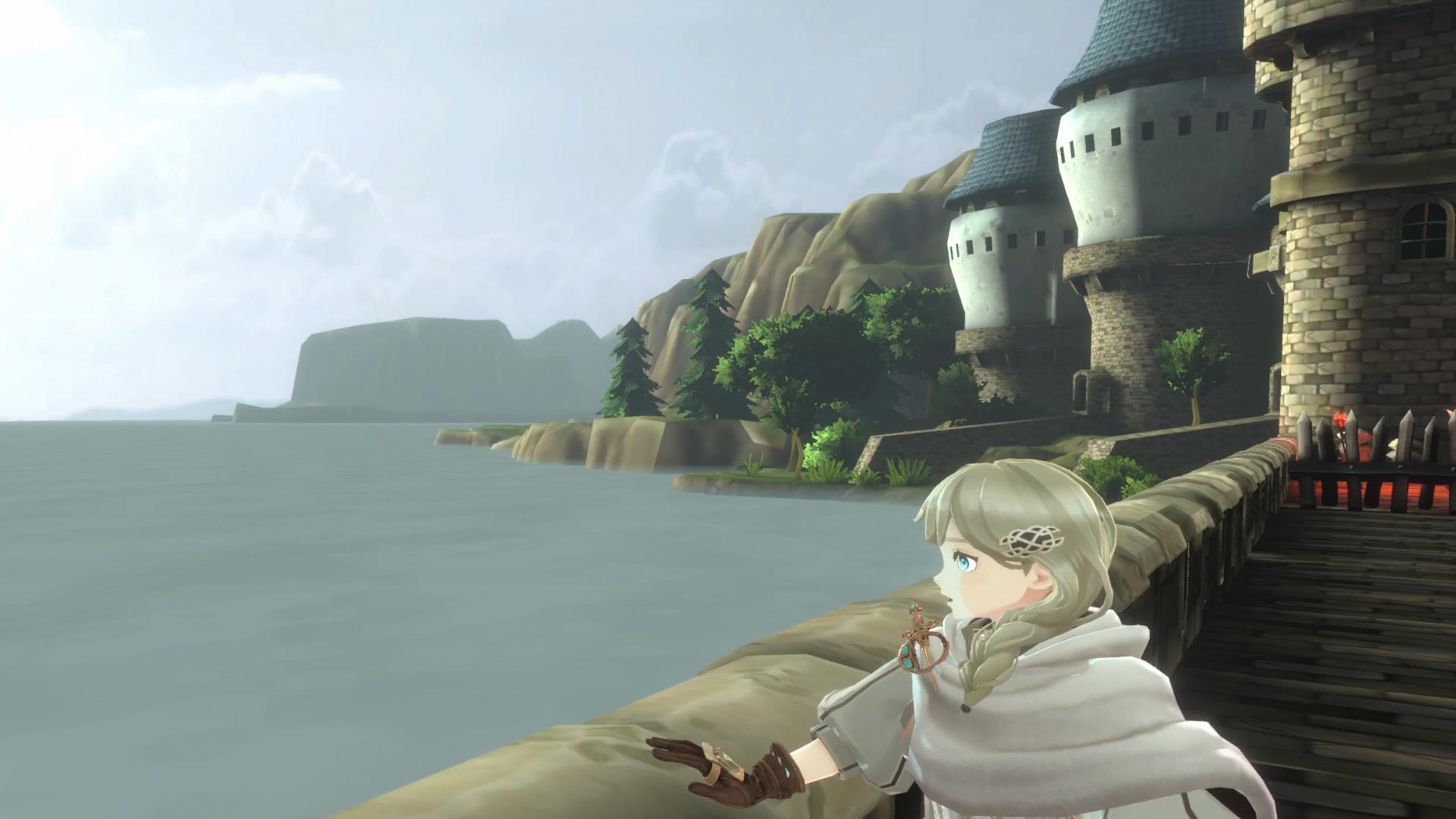
- Knights of Fiona: This co-op JRPG from Character Bank (Ruins Magus) showcased its lush art style. The project is notable for its successful crowdfunding history, having raised over 3 million yen (doubling its original goal).
- System Critical 3: The Mega Man-inspired series is making the jump to PlayStation VR2, utilizing the hardware’s power to implement dynamic lighting and shadows that were previously impossible on standalone mobile chipsets.
- Hyperlane Highway: Aiming for a Q4 2026 Early Access launch, this roguelite shooter features a "head-leaning" locomotion system. This is a critical development in the industry’s ongoing effort to mitigate motion sickness for players who struggle with traditional thumbstick movement.
III. Supporting Data: Developer Pedigrees and Market Trajectory
The Ruff Talk Showcase is not merely a collection of trailers; it is a snapshot of an industry in transition. Several data points from the showcase highlight the health of the indie VR market:
- Crowdfunding Resilience: Titles like Knights of Fiona demonstrate that there is still a robust appetite for niche genres (like VR JRPGs) when supported by a dedicated community.
- The "Free-to-Play" Pivot: With Survive The Night and Clonk adopting free-to-play models, developers are increasingly looking toward monetization through skins and long-term engagement rather than upfront costs—a strategy necessitated by the massive influx of younger users on the Meta Quest platform.
- Cross-Platform Portability: Out of the 18+ titles featured, over 70% are either currently available on multiple platforms (Quest and Steam) or have confirmed ports in development. This suggests that "platform exclusivity" is becoming less attractive to indie developers who need to reach the widest possible audience to remain solvent.
IV. Official Responses and Studio Insights
While the showcase was a rapid-fire presentation, the underlying messaging from the participating studios focused on responsiveness.
- Character Bank emphasized that Knights of Fiona was built with the global JRPG community in mind, aiming to bring the scale of traditional Japanese role-playing games into an immersive, first-person space.
- Neolithic LLC noted that their "Hearthfire" update was a direct result of player requests for more permanence in the world of Neolithic Dawn. The shift toward base-building marks a transition from a "survival-lite" experience to a deep, systemic simulation.
- Realcast highlighted that Just Hoops Nano was developed to showcase the precision of Meta’s latest hand-tracking APIs, moving away from controllers to allow for a more natural, tactile sports experience.
V. Implications: The Future of the Medium
The Ruff Talk Showcase reveals three major implications for the future of virtual and mixed reality:
1. The Blurring of VR and MR
We are entering an era where the distinction between "Virtual" and "Mixed" reality is fading. Titles like The Obsessive Shadow and Just Hoops Nano show that developers are no longer choosing one over the other; they are building "hybrid" experiences that adapt to the user’s environment. This suggests that future hardware will need to prioritize high-quality passthrough technology to remain competitive.
2. Gamified Fitness as a Core Pillar
With Pedal Rebel transforming stationary exercise bikes into cyberpunk motorbikes, the "fitness" category is evolving beyond simple calorie trackers like Supernatural. By adding narrative depth and high-score mechanics to physical exercise, developers are tapping into a demographic that views VR as a lifestyle tool rather than just a gaming console.
3. Solving the "Comfort" Equation
The "head-leaning" system in Hyperlane Highway and the hand-tracked physics of Disembodied represent a significant investment in accessibility. As the VR market expands toward a more casual audience, the "barrier to entry"—namely, the physical discomfort of motion sickness—must be solved through software innovation. These titles suggest that the industry is moving away from a "one-size-fits-all" movement model toward bespoke solutions tailored to specific gameplay loops.
Conclusion
The Ruff Talk Showcase serves as a reminder that the most exciting innovations in VR often come from the "middle class" of developers—studios that are large enough to deliver high-quality assets but small enough to take significant risks with gameplay mechanics. From the prehistoric sandbox of OogaBonk to the tactical space repairs of Project Nova, the upcoming calendar for VR enthusiasts is diverse, daring, and increasingly social. As these titles roll out over the next 18 months, they will define whether VR can successfully transition from a tech-enthusiast hobby to a mainstream entertainment staple.



Leave a Comment