
Revisiting the Realm of Faux-Barbarians: A Deep Dive into Cult Fantasy Cinema
In an age dominated by high-budget fantasy epics and meticulously crafted cinematic universes, a recent series of film reviews by critic Neil Baker for Black Gate magazine has cast a spotlight on a fascinating, often overlooked corner of genre cinema: the "faux-barbarian" and "barbarian-adjacent" films of yesteryear. This comprehensive exploration, culminating in a review of five diverse titles, offers a unique retrospective on a subgenre that, while frequently derided, holds significant cultural and historical value. Baker’s journey through these "dodgy" cinematic relics provides not just entertainment, but also a lens through which to examine the evolution of fantasy filmmaking, the mechanics of low-budget production, and the enduring appeal of heroic fantasy.
Main Facts: Unearthing the Sword-and-Sorcery Underbelly
Neil Baker’s latest installment in his ongoing "Murky Movie" survey meticulously dissects five films, ranging from obscure Troma productions to Soviet fantasy epics, all loosely orbiting the themes of heroic quests, ancient evils, and primal struggles. These films, largely produced between the mid-1950s and the early 1990s, represent a period of genre experimentation and exploitation, often seeking to capitalize on the success of mainstream blockbusters like Conan the Barbarian (1982) while operating on significantly tighter budgets.
The featured films are:
- A Nymphoid Barbarian in Dinosaur Hell (USA, 1990)
- Wizards of the Lost Kingdom (USA/Argentina, 1985)
- Ilya Muromets (Russia, 1956)
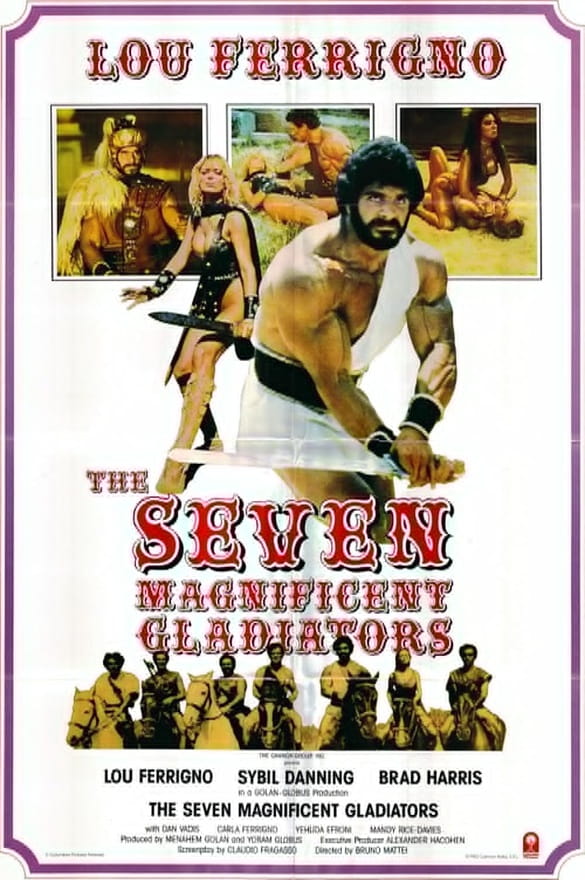
- The Seven Magnificent Gladiators (USA/Italy, 1983)
- Hawk the Slayer (UK, 1980)
Baker’s reviews, marked by a candid and often humorous tone, reveal the variable quality within this niche. While some are dismissed as "snoozefests" or "daft as a kettle of chipmunks," others are lauded for their inventive effects, spirited performances, or unique cultural significance. The overarching theme is an appreciation for the effort, however misguided or limited by resources, that went into creating these fantastical worlds.
Chronology: A Journey Through Decades of Fantasy Filmmaking
The selection of films reviewed by Baker spans several decades, offering a chronological snapshot of how heroic fantasy was interpreted and produced across different regions and economic contexts.
Ilya Muromets (1956): A Soviet Fantasia
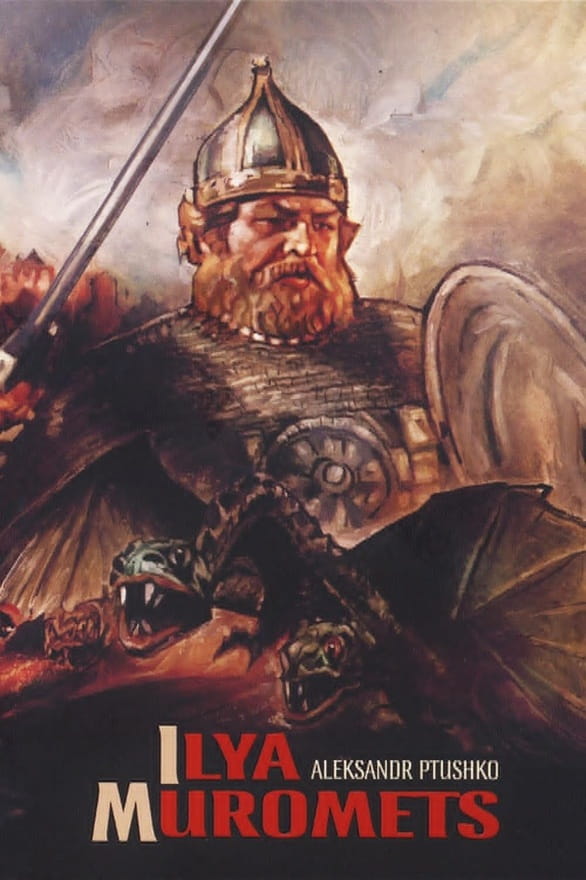
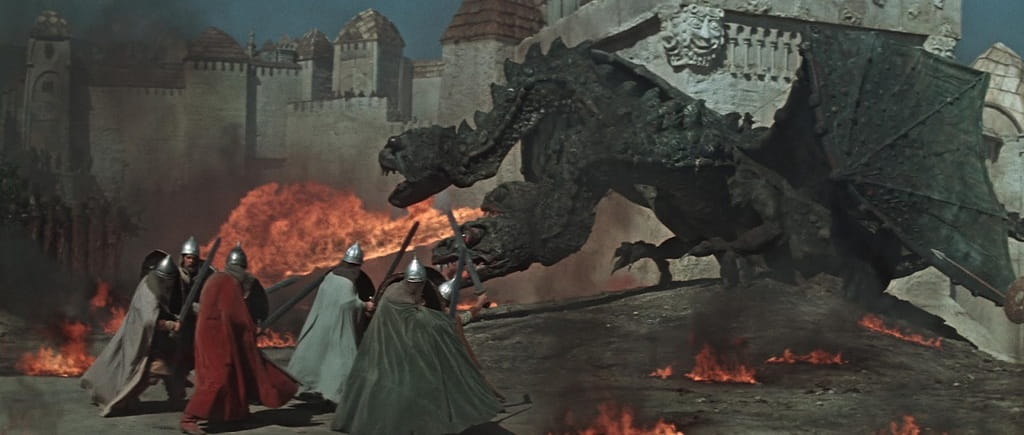
The earliest and arguably most critically acclaimed film in Baker’s recent selection is Alexandr Ptushko’s Ilya Muromets, a monumental Soviet production from 1956. This retelling of a classic Russian epic tale predates the modern sword-and-sorcery boom by decades, showcasing a unique approach to cinematic fantasy. Ptushko, a visionary director and pioneer in animation and model work, imbues the film with a "dreamy ‘magical realism’" feel, as Baker notes. The narrative follows the gentle giant Ilya Muromets (Boris Andreyev) as he rises to defend Mother Russia against the invading Tugars, culminating in a spectacular confrontation with a three-headed dragon.
The film’s visual grandeur, achieved through enhanced landscapes, intricate matte paintings, detailed model work, and exquisite puppetry, stands in stark contrast to the often-crude practical effects of later, lower-budget entries. Baker’s high rating of 8/10 for the original version, available on platforms like Tubi, underscores its artistic merit, particularly when distinguished from Roger Corman’s heavily edited and dubbed American release, The Sword and the Dragon, which infamously became a target for Mystery Science Theater 3000.
Hawk the Slayer (1980): British Cult Classic
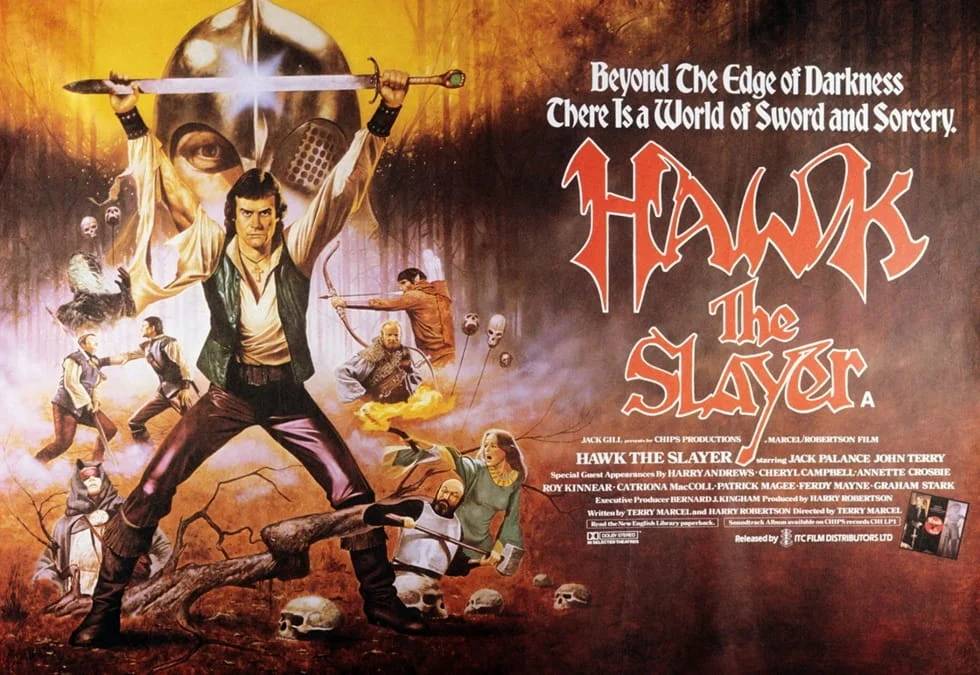
Jumping forward to the dawn of the 1980s, Hawk the Slayer emerges as a quintessential British take on the sword-and-sorcery genre. Released in 1980, it pre-dates Conan but shares many of its thematic elements. The film centers on Hawk (John Terry), who seeks revenge against his villainous brother, Voltan (Jack Palance), a sorcerer with a "Vader-inspired helmet." Baker highlights Palance’s "blast" of a performance and the film’s "bonkers synth score" by Harry Robertson as key elements contributing to its cult status.
The film assembles a classic adventuring party of "tropes": Crow the elf (Ray Charleson), Baldin the dwarf (Peter O’Farrell), Gort the giant (Bernard Bresslaw, in a role echoing his appearance in Krull), and Ranulph the crossbowman (W. Morgan Sheppard). This ensemble, combined with abundant sorcery and action, concludes Baker’s watch-a-thon on a high note, earning an 8/10 for its endearing charm and British character actor talent.
The Mid-80s Boom: Wizards of the Lost Kingdom (1985) and The Seven Magnificent Gladiators (1983)
The early to mid-1980s saw a proliferation of sword-and-sorcery films, largely fueled by the commercial success of Conan the Barbarian. Roger Corman, ever the astute producer, capitalized on this trend with a series of low-budget productions, often through international co-production deals.
The Seven Magnificent Gladiators (1983), a blatant rip-off of The Magnificent Seven (and its sci-fi variant, Battle Beyond the Stars), exemplifies this trend. Starring Lou Ferrigno as the hero Han and featuring exploitation icon Sybil Danning, the film adheres closely to the established "hero recruits allies to save a village" trope. Baker notes its "laborious" nature but concedes its entertainment value, particularly given Danning’s presence, which guarantees it no less than a 5/10.
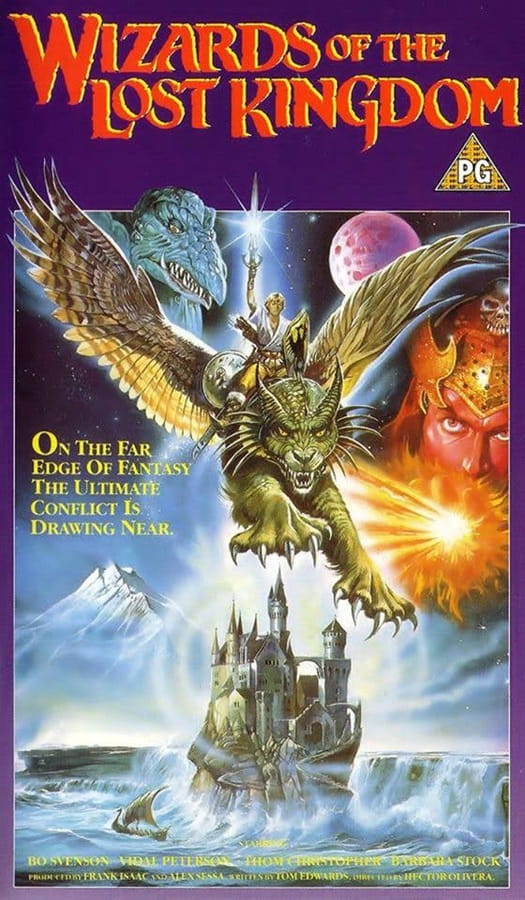
Wizards of the Lost Kingdom (1985), another Corman production stemming from his Argentinian studio deals, showcases a slightly more ambitious, albeit still "daft," approach. Following a sorcerer’s apprentice, Simon (Vidal Peterson), on a quest to save a princess from the evil wizard Shurka (Thom Matthews), the film packs in "much derring-do" and humor. Baker praises its "throw everything into this one" philosophy, leading to a respectable 6/10 despite its campiness. The presence of Bo Svenson as Kor the Conqueror and a "ridiculous Chewbacca stand-in" named Galfax further solidify its B-movie credentials.
A Nymphoid Barbarian in Dinosaur Hell (1990): Troma’s Exploitation Playbook
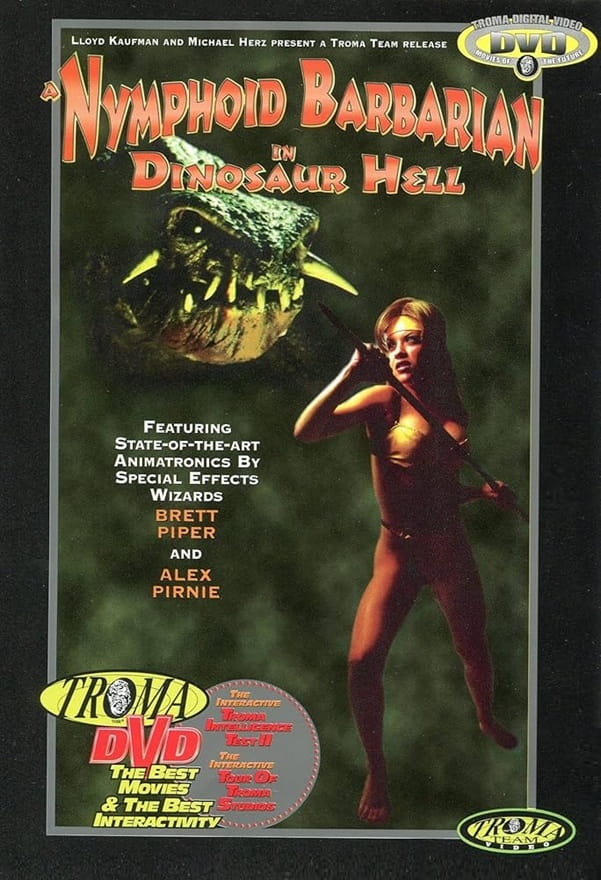
Bringing the chronology into the late 1980s, A Nymphoid Barbarian in Dinosaur Hell (1990) represents the distinct brand of Troma Entertainment. While the title promised salacious content that, as Baker wryly observes, likely "disappointed many a randy teenager," the film ultimately delivered a mostly "aimless wandering" narrative. Directed by Brett Piper, it chronicles the struggles of the last woman on Earth (Linda Corwin) against "bestial chads" and "daft-looking dinosaurs."
Despite its narrative shortcomings and a distinct lack of Troma’s usual "inventive weirdness or inappropriate humour," Baker highlights the surprisingly "very fun stop-motion monster moments," particularly the "hilarious toothed sausage type thing (called a Tromasaurus)." These effects, reportedly "flung together by director Brett Piper in a matter of days," almost redeem the "snoozefest," though Baker’s 4/10 indicates it falls short.
Supporting Data: The Anatomy of Low-Budget Fantasy
Baker’s reviews implicitly, and sometimes explicitly, touch upon the various factors that shaped these films, providing crucial supporting data for understanding the genre.
The Post-Conan Boom and Exploitation: The commercial success of Conan the Barbarian in 1982 created a demand for heroic fantasy that Hollywood struggled to meet with high-budget productions. This vacuum was quickly filled by independent and international studios, often operating on shoestring budgets. Films like Wizards of the Lost Kingdom and The Seven Magnificent Gladiators were direct beneficiaries, or rather, direct imitators, of this trend. They leveraged established tropes, recognizable character archetypes, and the promise of action and spectacle to attract audiences, particularly in the burgeoning home video market.
Roger Corman’s Prolific Empire: The name Roger Corman frequently arises in discussions of low-budget genre cinema. His business model, often involving rapid production schedules, efficient use of resources, and international co-productions (such as those with Argentinian studios mentioned for Wizards of the Lost Kingdom), allowed him to churn out dozens of genre films. These films, while rarely critical darlings, were commercially viable and provided early opportunities for many filmmakers and actors.
Troma Entertainment’s Niche: Troma, founded by Lloyd Kaufman and Michael Herz, carved out its own unique niche in exploitation cinema. Known for its outrageous titles, gross-out humor, and often satirical approach, Troma films like A Nymphoid Barbarian in Dinosaur Hell aimed to shock and entertain. While Baker notes this particular film lacks Troma’s usual comedic edge, it still embodies the company’s ethos of maximizing impact with minimal investment, particularly through attention-grabbing titles designed to lure curious viewers from video store shelves.
The Craft of Practical Effects: In an era before ubiquitous CGI, low-budget genre films relied heavily on practical effects. Baker’s appreciation for the stop-motion creatures in A Nymphoid Barbarian in Dinosaur Hell and the "glorious puppetry" and "fantastic model work" in Ilya Muromets highlights the ingenuity and artistry often found in these productions. These tactile effects, though sometimes crude, possess a charm and tangible quality often missing from modern digital creations, contributing significantly to the unique aesthetic of these films.
Casting and Star Power: Even in low-budget features, recognizable faces could boost marketability. Lou Ferrigno, fresh off his success as The Incredible Hulk, was a natural fit for a barbarian hero in The Seven Magnificent Gladiators. Sybil Danning’s iconic presence in exploitation cinema was a draw for fans, as Baker humorously acknowledges. Similarly, the "having a blast" performance of Jack Palance as the villain Voltan in Hawk the Slayer added significant gravitas and entertainment value, while the ensemble of British character actors cemented its national identity.
Official Responses: Cult Status and Critical Reappraisal
For many of these films, "official responses" in the form of widespread critical acclaim were rare upon their initial release. Instead, their legacies have been shaped by a combination of niche fan appreciation, cult status, and, in some cases, a degree of critical reappraisal over time.
Ilya Muromets, for instance, while a significant production in the Soviet Union, gained a different kind of "official" response in the West through Corman’s The Sword and the Dragon. Its subsequent lampooning on Mystery Science Theater 3000 transformed it from an obscure foreign film into a beloved object of comedic mockery for a new generation, inadvertently cementing its place in cult cinema history. This phenomenon underscores how B-movies, often dismissed by mainstream critics, find new life and appreciation through alternative viewing contexts and communities.
Films like Hawk the Slayer have similarly accrued a loyal following over the decades, celebrated for their earnestness, memorable characters, and distinct aesthetic. The "bonkers synth score" and the charismatic performances, particularly Palance’s, contribute to its enduring appeal as a "British classic" for a certain demographic.
Even the Troma output, including films like A Nymphoid Barbarian in Dinosaur Hell, receives a unique "official response" from its dedicated fanbase. Troma actively cultivates a cult following by embracing the absurdity and low-budget charm of its productions, turning what might be considered flaws into distinctive brand characteristics. This self-aware approach allows Troma films to be enjoyed on their own terms, often as "guilty pleasures" that subvert traditional cinematic expectations.
Implications: The Enduring Legacy of the Faux-Barbarian
Neil Baker’s comprehensive review series serves as more than just an entertaining romp through obscure films; it carries several significant implications for understanding film history, genre evolution, and cultural consumption.
Preservation of Film History: By actively seeking out and reviewing these often-forgotten films, Baker contributes to the ongoing project of film preservation and historical documentation. Many of these titles, once staples of video rental stores, risk fading into obscurity. Highlighting them helps ensure their place in the broader narrative of cinema, particularly for subgenres that mainstream academia might overlook.
The Evolution of Fantasy Cinema: These films illustrate a crucial period in the development of cinematic fantasy. They represent a bridge between earlier mythological epics and the sophisticated, CGI-driven blockbusters of today. Studying them reveals the resourcefulness, creativity, and limitations faced by filmmakers working within specific technological and economic constraints. The transition from the "magical realism" of Ptushko’s Ilya Muromets to the gritty, often campy aesthetic of the 80s sword-and-sorcery films showcases a dynamic genre adapting to changing audience tastes and production realities.
The Value of "Dodgy" Cinema: Baker’s reviews champion the idea that "dodgy" or "terrible" films still hold value. Whether for their unintentional humor, inventive (if crude) effects, spirited performances, or simply as artifacts of a bygone era, these films offer a different kind of cinematic experience. They challenge conventional notions of "good" filmmaking and celebrate the independent, often eccentric, spirit of genre creators. This perspective encourages viewers to look beyond polished blockbusters and appreciate the wider spectrum of cinematic expression.
Nostalgia and Cult Appeal: For many viewers, these films evoke a strong sense of nostalgia for the video store era, a time when browsing shelves for obscure titles was an adventure in itself. The cult status of many faux-barbarian films is rooted in this shared cultural memory, where the thrill of discovery and the communal experience of watching "bad" movies with friends formed an integral part of their appeal.
The Critic’s Role: Baker’s project underscores the enduring relevance of film criticism, even for niche and seemingly inconsequential films. By applying a critical eye, albeit a humorous and affectionate one, to these movies, he helps contextualize them, identify their strengths and weaknesses, and articulate their cultural significance. His work demonstrates that every film, regardless of its budget or critical reception, contributes to the rich tapestry of cinematic art.
In conclusion, Neil Baker’s exploration of "faux-barbarian" cinema is more than just a series of reviews; it is a journalistic endeavor into the heart of cult film culture. It celebrates the quirks, the ambitions, and the lasting impact of a subgenre that, despite its imperfections, continues to captivate and entertain, reminding us that true cinematic adventure can be found in the unlikeliest of places.



Leave a Comment