
Honduran Animated Film "Copán: La Leyenda" Sparks Fierce Debate Over AI’s Role in Developing Film Industries
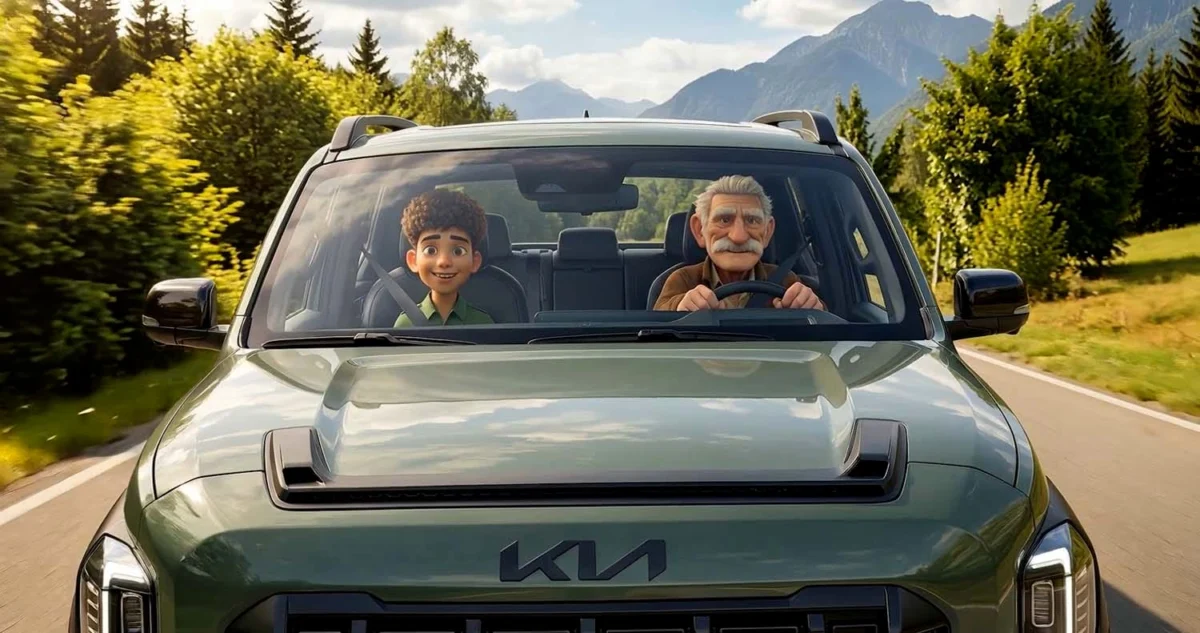
Tegucigalpa, Honduras – May 21, 2026 – A recently released Honduran animated feature, "Copán: La Leyenda," has ignited a firestorm of controversy within its home country, primarily due to its extensive use of generative artificial intelligence in production. While proponents hail the film as a potential game-changer for a nation with a nascent animation industry, critics are decrying its perceived lack of artistic merit and questioning the ethical implications of relying on AI to bypass traditional filmmaking processes.
The 74-minute fantasy adventure, directed by Ricardo Morales and produced by Level 7 Studios, draws inspiration from the rich tapestry of Mayan mythology and the ancient archaeological wonders of the Copán ruins. Its creators have openly promoted the film’s innovative use of AI, positioning it as a groundbreaking step forward for cinematic storytelling in Honduras. However, the reality, as evidenced by trailers and audience reactions, has left many deeply disappointed, likening it to a feature-length iteration of the often unrefined and uncanny AI-generated content flooding online platforms.
The Promise and Peril of AI in Animation
"Copán: La Leyenda" was marketed not only as a technological marvel but also as a democratizing force for filmmaking in Honduras, a country where the feature animation industry is virtually non-existent. The narrative aims to weave together historical elements with fantastical adventure, a concept that holds significant cultural appeal. Yet, the film’s visual execution has been widely criticized for its jarring inconsistencies, visible product placement, and an overall aesthetic that many argue falls far short of professional cinematic standards.
The controversy surrounding "Copán: La Leyenda" extends beyond artistic critique. Reports have surfaced indicating that some Honduran educational institutions were organizing or even mandating student screenings as part of cultural and educational programs focused on national identity and Mayan heritage. This has drawn sharp rebukes from critics who view these screenings not as educational opportunities but as an orchestrated effort to artificially inflate the film’s attendance figures. The film has also benefited from substantial promotional backing from the Honduran Institute of Tourism, further fueling concerns about its perceived endorsement by official bodies.
A Timeline of Discontent
The genesis of "Copán: La Leyenda" traces back approximately 15 years, according to director Ricardo Morales. He has publicly stated that, prior to the advent of advanced AI tools, a production of this magnitude was financially prohibitive within Honduras. This long development period underscores the ambition behind the project, aiming to bring a grand narrative to the screen in a country that has historically struggled to support large-scale animation ventures.
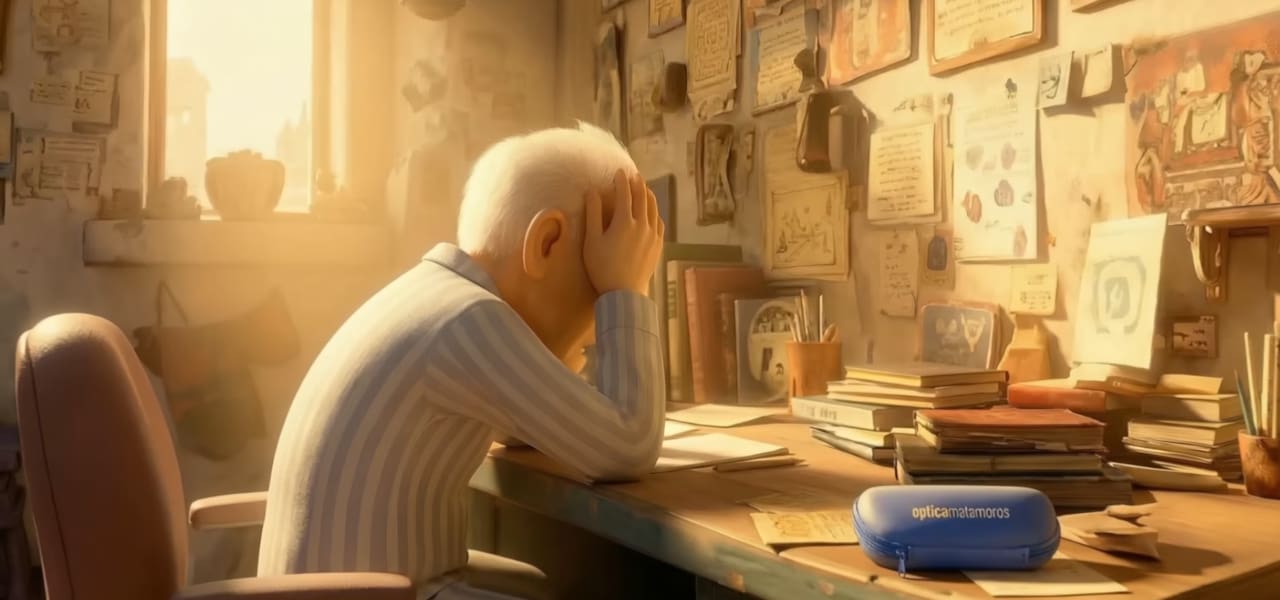
The film’s open embrace of generative AI marked a clear departure from conventional animation pipelines. While the intention was to leverage technology to overcome budgetary constraints and technical limitations, the execution has led to a stark divide between the filmmakers’ aspirations and the audience’s reception. The trailer itself, released to generate buzz, quickly became a focal point for criticism, showcasing visual anomalies and a perceived lack of polish that many found unsettling.
The release of the film was met with immediate and widespread negative feedback from Honduran audiences and artists. Social media platforms and local review sites were inundated with comments decrying the movie’s "sloppy visuals," "weak editing," and "canned performances." The consensus among many viewers was that "Copán: La Leyenda" bore a closer resemblance to low-effort AI-generated internet content than to a thoughtfully crafted theatrical release.
A particularly impactful review from the Honduran outlet Cinemafilia y Críticas characterized the production as technically deficient and emotionally devoid. This sentiment was echoed by numerous social media users who accused the filmmakers of substituting genuine artistic labor with automated processes.
Supporting Data: The Visual Evidence and Critical Reception
Visual evidence presented in trailers and promotional materials for "Copán: La Leyenda" offers a glimpse into the film’s aesthetic challenges. The imagery often exhibits the hallmarks of early-stage AI generation: inconsistent character designs, unnatural lighting, and a general lack of cohesive artistic direction. While AI can rapidly generate vast amounts of visual material, achieving the nuance, emotional depth, and stylistic consistency required for compelling cinema remains a significant hurdle.
The overwhelming negativity from local audiences is a critical data point. In a country where feature animation is a rarity, the expectation was that "Copán: La Leyenda" would at least demonstrate a level of craft and artistic intention. Instead, the film appears to have prioritized technological novelty over storytelling and visual artistry.
.png)
The criticism leveled at the film can be broadly categorized:
- Visual Inconsistencies: Characters and environments often lack a consistent style, with jarring shifts in quality and detail.
- Uncanny Valley Effect: Many AI-generated elements evoke a sense of unease due to their almost-human, yet subtly off, appearance.
- Lack of Emotional Resonance: The animation and performances are frequently described as robotic and lacking genuine emotion.
- Pacing and Editing Issues: The narrative flow and editing are perceived as disjointed, contributing to a less engaging viewing experience.
- Obtrusive Product Placement: The inclusion of visible product placement has been seen as detracting from the film’s artistic integrity and immersion.
The widespread sharing of critical reviews and social media commentary underscores the depth of public dissatisfaction. The film’s reliance on AI has led to a broader discussion about whether such tools can truly replace the human element in creative endeavors, particularly in industries striving for recognition and sustainability.
Official Responses and Counterarguments
Director Ricardo Morales has, in interviews with local Honduran media, defended the project and its reliance on AI. He has reiterated that the film’s 15-year development cycle was heavily constrained by the lack of financial resources and established animation infrastructure in Honduras. Morales argues that generative AI was not merely a shortcut but a necessary tool that made the realization of "Copán: La Leyenda" possible on a scale previously unattainable.
"Before AI, a production of this scope was financially impossible in Honduras," Morales stated in a recent interview with La Prensa. He highlighted the challenges of building a sustainable animation industry from the ground up, suggesting that AI offers a potential pathway to bridge the gap in technical capabilities and production costs.
However, this justification has been met with skepticism from many Honduran artists and cultural commentators. They argue that while financial limitations are a genuine concern, replacing fundamental creative processes with automated systems undermines the very goal of building a robust and authentic local art form. The argument is that true industry development involves nurturing human talent, fostering collaborative environments, and establishing ethical production pipelines, not circumventing them with technology.

The Honduran Institute of Tourism’s involvement has also drawn scrutiny. While tourism bodies often support cultural projects, the extent of their promotional backing for a film facing such widespread criticism raises questions about the criteria for cultural investment and the potential for prioritizing novelty over artistic merit.
Broader Implications for Developing Film Industries
The controversy surrounding "Copán: La Leyenda" has transcended national borders, becoming a case study in the complex relationship between artificial intelligence and developing film industries worldwide. For countries like Honduras, where animation infrastructure is limited and institutional support for artists is scarce, the allure of AI as a democratizing tool is undeniable. It offers the promise of leapfrogging traditional barriers to entry, enabling local creators to produce content that might otherwise remain out of reach.
However, the backlash from Honduran audiences highlights a critical concern: the potential for AI to devalue human artistry and replace genuine creative work with technically proficient but soulless simulations. Critics argue that the marketing of "Copán: La Leyenda" as an innovative leap forward is particularly frustrating because it appears to celebrate the use of automation while potentially sidelining the painstaking efforts of local artists who are working to build sustainable careers and production pipelines.
This debate is not unique to Honduras. Across the globe, filmmakers, animators, and industry observers are grappling with questions about AI’s ethical use, its impact on employment, and its potential to dilute the unique voice and vision of human creators.
The core of the issue lies in the distinction between using AI as a tool to augment human creativity and relying on it to substitute for it. When AI-generated content becomes indistinguishable from, or even inferior to, human-crafted work, it raises fundamental questions about the value we place on artistic expression, skill, and intentionality.

For Honduras and other nations seeking to cultivate their creative industries, the "Copán: La Leyenda" incident serves as a stark reminder that technological advancement must be coupled with a deep commitment to artistic integrity and the development of human talent. The path forward likely involves finding a balance – harnessing the power of AI responsibly while ensuring that the soul and authenticity of local storytelling remain at the forefront. The success of any developing film industry hinges not just on the tools it employs, but on the human ingenuity, passion, and dedication it fosters.
Level 7 Studios has not yet responded to requests for comment regarding the ongoing controversy. The future of AI in Honduran cinema, and indeed in similar emerging film markets, remains a topic of intense discussion and critical observation.


Leave a Comment